Tretyakov Gallery Illuminates Three Faces of Ilya Mashkov
From Avant-Garde to Socialist Realism: A Major Retrospective Capturing the Turning Points of Russian Modern Art

- •The Tretyakov Gallery is hosting a 200-work retrospective of Russian painter Ilya Mashkov, illuminating early 20th-century Russian art history.
- •Mashkov was a founding member of the avant-garde group 'Jack of Diamonds' but transitioned to Socialist Realism in his later years.
- •His still life series depicting abundant fruit and bread symbolically reveals the gap between Soviet-era ideals of prosperity and reality.
Master of Bountiful Still Lifes: Mashkov's 200-Work Retrospective
The Tretyakov Gallery's Kadashevskaya branch in Moscow is hosting the exhibition "Ilya Mashkov: Avant-Garde, Kitsch, Classic." Through approximately 200 works gathered from art museums across Russia, the exhibition illuminates the protean artistic journey of a painter who defined early 20th-century Russian art.
Mashkov (1881-1944) is best known for still lifes overflowing with abundant fruit and bread. His canvases filled with pineapples, bananas, watermelons, plums, and various breads evoke the idealized abundance of Soviet-era "delicious and healthy food books." Some interpret these works as subtle critiques of impoverished reality, as the actual tables of Soviet citizens were far more meager.
Three Faces: From Early Avant-Garde to Late Socialist Realism
The exhibition chronologically traces Mashkov's artistic transformation. His early works feature bold color experimentation. After traveling to Paris, he was influenced by Impressionism and Fauvism, daringly using purple, orange, and green in his portraits—much to the displeasure of his Moscow School of Painting, Sculpture and Architecture (MUŽVZ) teacher Valentin Serov. Mashkov faced expulsion several times, yet ironically, Serov later recommended his work "Fruit on a Plate" (1910) to collector Ivan Morozov for purchase.
In 1910, Mashkov founded the "Jack of Diamonds (Бубновый валет)" group. Together with Pyotr Konchalovsky and Alexander Kuprin, this group challenged traditional painting and formed a major stream of Russian avant-garde. However, Mashkov never moved toward complete abstraction, maintaining the framework of figurative painting. Admiring Renaissance art, he called his students "apprentices."
In his later years, he transitioned to Socialist Realism in accordance with Soviet regime demands. Works depicting young pioneers and collective farm women contrast sharply with his early freewheeling color experiments. Though his palette became restrained, Cézanne's influence in sculpting form with color remained evident.
Art Historical Context: The Complex Genealogy of Russian Modern Art
Mashkov's artistic world compresses the tumultuous changes in early 20th-century Russian art. Russian art, emerging from late 19th-century Realist traditions, transformed rapidly in the 20th century under Parisian Modernism's influence. While the 1900s "World of Art (Мир искусства)" group emphasized Symbolism and decorativeness, the 1910s "Jack of Diamonds" reinterpreted the formal language of Cubism and Fauvism in Russian terms.
The 1910s-20s, when Mashkov was active, marked the heyday of Russian avant-garde. While Malevich's Suprematism, Kandinsky's abstract expressionism, and Tatlin's Constructivism emerged simultaneously, Mashkov, unlike them, explored the possibilities of figurative painting to the end. This can be seen as prioritizing the sensory expression of life and material over pure formal experimentation.
After the 1930s under Stalin's regime, avant-garde was condemned as "formalism," and Socialist Realism became the only official artistic style. Mashkov could not escape this trend. However, his late works are evaluated as containing traces of contemplation on color and form, rather than mere propaganda.
Exhibition Structure and Viewing Points
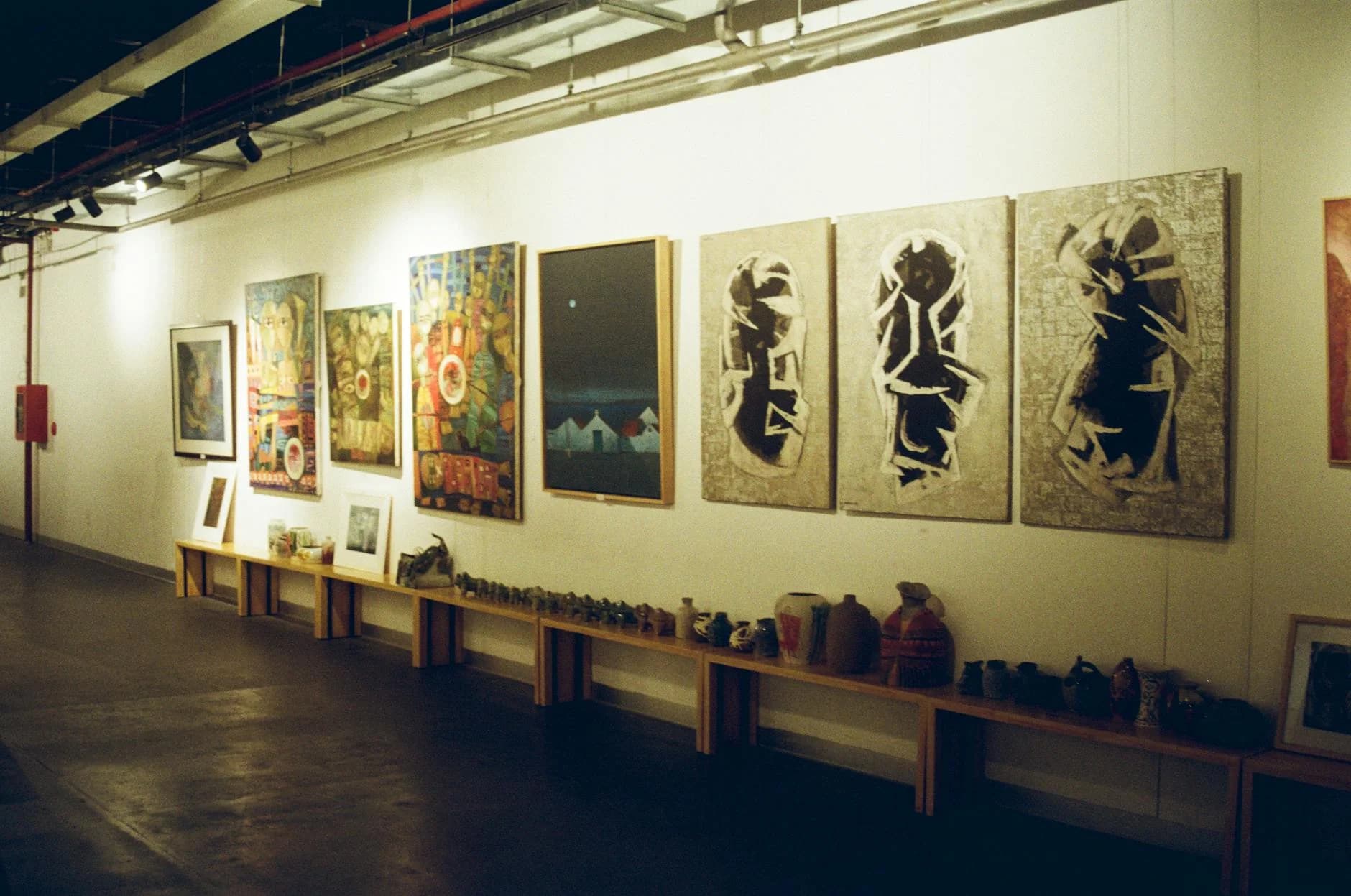
The exhibition is arranged chronologically from Mashkov's early studies to his final works. Visitors can see at a glance his confident school-era drawings, post-Paris nudes exploding with color, peak-period still life series, and late regime-conforming works.
Particularly striking is the Portrait of Artist A. I. Milman (date unknown). Milman's three faces and four arms seem to symbolically represent Mashkov's own artistic identities—avant-garde, kitsch, and classic.
In the still life series, the "montage" technique is prominent. By arranging still life elements from different genres on a single canvas, he experimented with pictorial composition possibilities beyond simple representation. Canvases mixing bread and fruit convey not just abundance but also an atmosphere of chaos and excess.
Docent explanations beside works detail art historical contexts such as Cézanne's influence, creating form with color, and genre mixing. However, the exhibition's strength lies in being sufficiently impressive even when appreciated purely visually, ignoring these explanations.
Future Prospects [AI Analysis]
This Mashkov retrospective can be seen as part of a reevaluation of Russian modern art. While recognized as an official painter during the Soviet era, he has been relatively undervalued in Western art circles post-Cold War. The Tretyakov Gallery's large-scale exhibition represents an attempt to re-illuminate Mashkov as a major figure in Russian avant-garde.
Interest in Russian modern art may increase in Western museums going forward. Cases of artists who maintained artistic identity amid political upheaval can offer insights relevant today. However, given current Russia-Western relations, international touring exhibitions may take time to materialize.
There is room for expanded research on Russian avant-garde in Korean art circles as well. Since Korean modern art also has a history of wrestling between tradition and modernism, trajectories like Mashkov's could serve as valuable material for comparative study.
댓글 (4)
기사 잘 봤습니다. 다른 시각의 분석도 읽어보고 싶네요.
Gallery에 대해 더 알고 싶어졌습니다. 후속 기사 부탁드립니다.
간결하면서도 핵심을 잘 정리한 기사네요.
좋은 의견이십니다.
More in Culture & Art
Government Provides 1 Billion Won in Emergency Disaster Funds for Daejeon Factory Fire Recovery
Existence Blooming Through Vulnerability: Massimo Lagrotteria Solo Exhibition
Milan Design Week 2026: Hotels Transform into Laboratories of Dreams

The Future of Living on the Moon, Mars, and Deep Sea: Houses Designed by Architects

15,000-Year-Old Clay Beads Made by Children Rewrite Prehistoric Art History

Reuters Reports Banksy's Identity Revealed, Reigniting Anonymity Debate
Latest News

이스라엘, 헤즈볼라 무기 통로 레바논 다리 공습
이스라엘군, 헤즈볼라 무기 통로 레바논 다리 공습
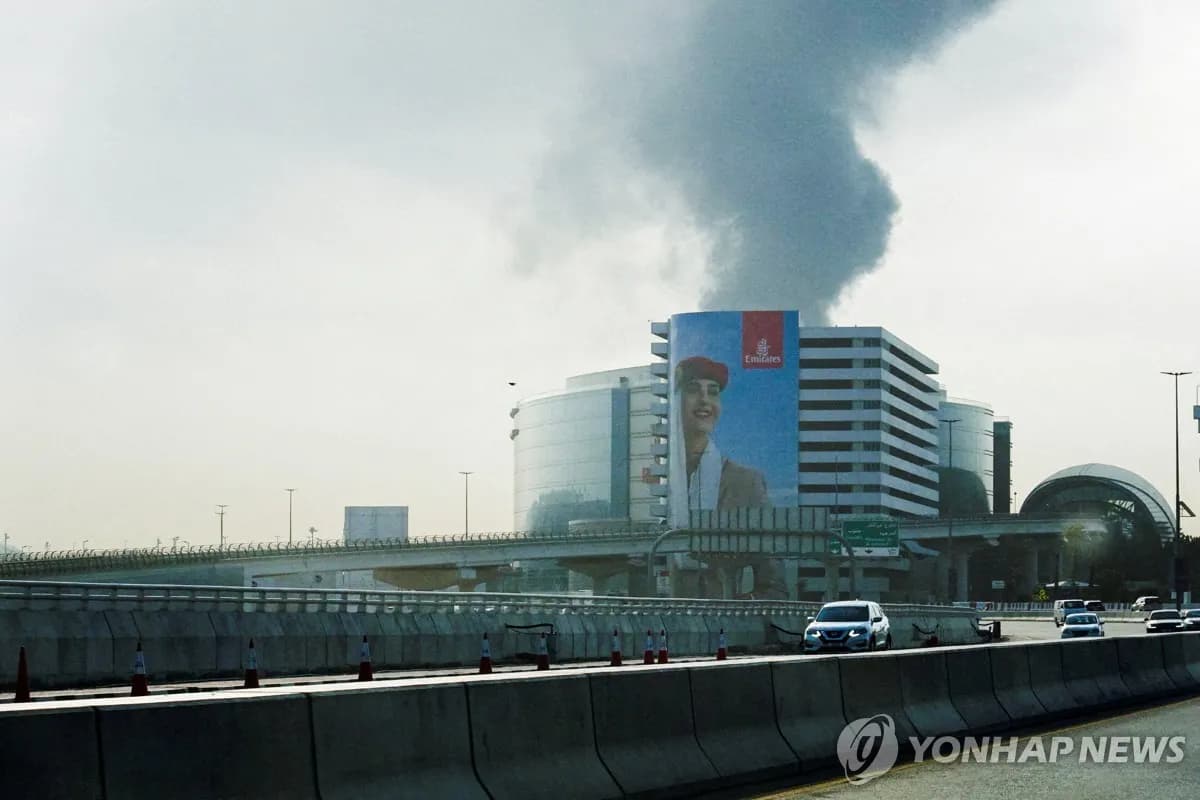
중동행 전세기 전쟁보험료 최고 7천500만원
중동행 전세기 전쟁보험료가 최고 5만달러(7천500만원)로 상승
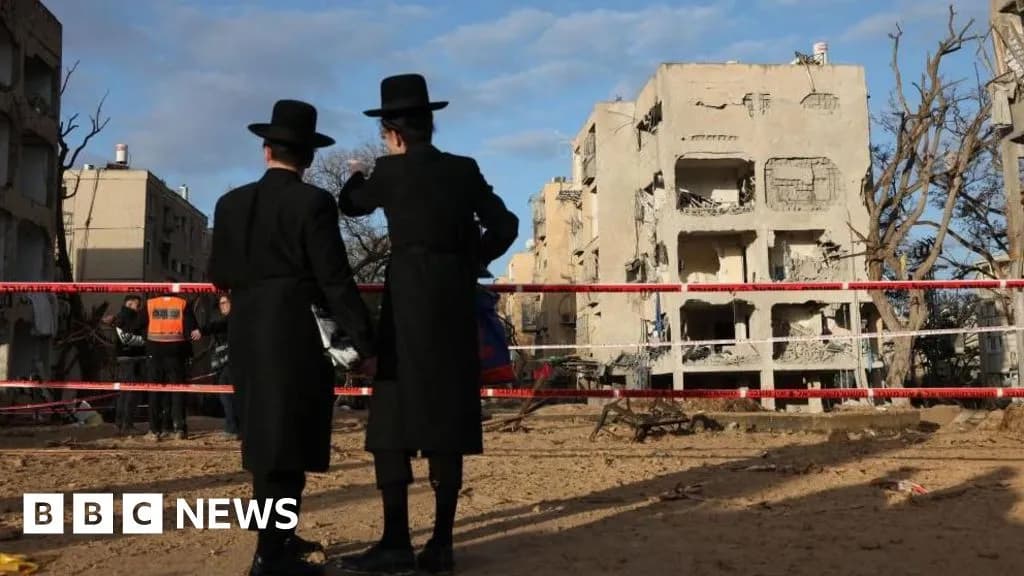
이란 탄도미사일, 이스라엘 방어망 뚫고 160명 부상
이란 탄도미사일이 이스라엘 방공망을 통과해 160명 부상
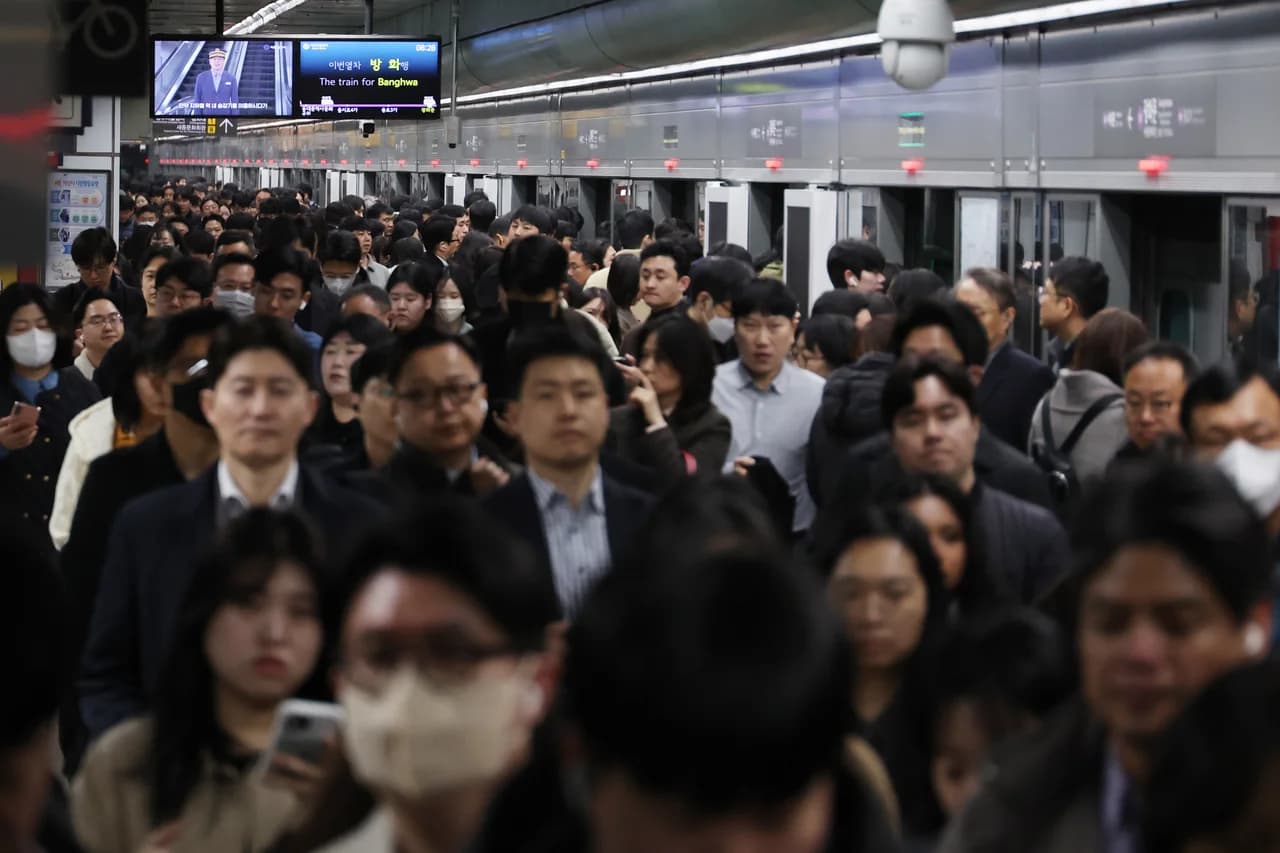
Middle East Conflict Drives Manufacturing Outlook to 10-Month Low
The Korea Institute for Industrial Economics & Trade survey shows April manufacturing outlook PSI plummeted to 88, falling below baseline for the first time in 10 months.

Lee Jae-myung Administration Excludes Multi-Home Officials from Real Estate Policymaking
President Lee Jae-myung has ordered the exclusion of multi-home owning public officials from all real estate policy processes.
Southeast Asia Growth Forecasts Cut Amid Oil Price Surge, Threatening Korean Exports
Maybank Research has downgraded ASEAN-6's 2026 growth forecast from 4.8% to 4.5%.

Volkswagen CEO Says Germany Should Learn from China's Industrial Strategy
Volkswagen CEO stated that Germany should learn from China's systematic industrial planning approach.

Reddit Considers Face ID to Block Bots While Maintaining Anonymity
Reddit is considering implementing biometric authentication systems such as Face ID and Touch ID to block AI bots while maintaining anonymity.