1876 Philadelphia Exposition: The Birth of America's Colonial Revival Era
How the Centennial International Exhibition Became a Turning Point in American Art History
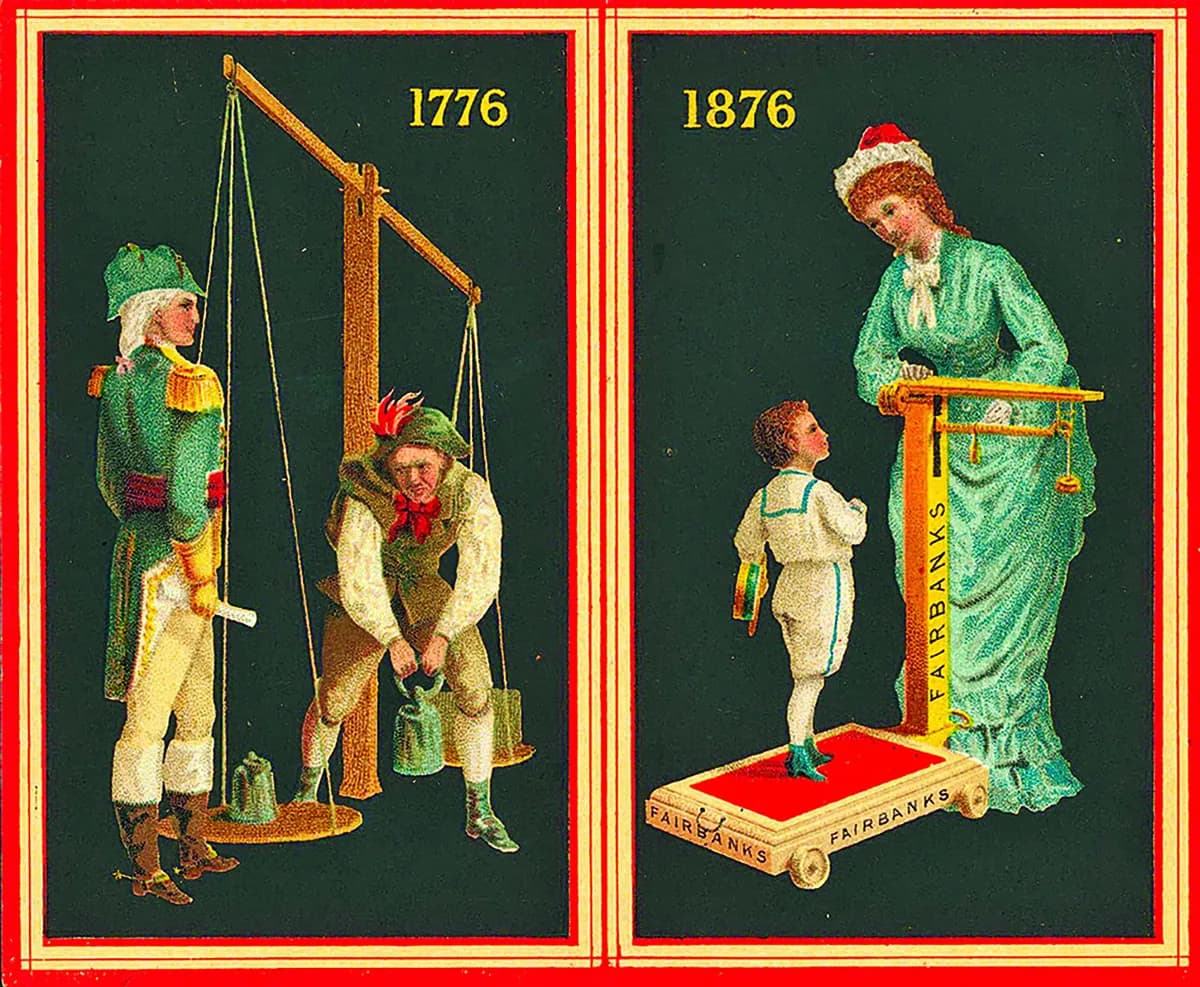
- •The 1876 Philadelphia Centennial Exposition was a historic event celebrating the 100th anniversary of independence and announcing to the world that America had emerged as an industrial powerhouse.
- •Innovative technologies including the telephone and typewriter were unveiled, attracting 10 million visitors over six months, making it the first official international exposition with 38 participating nations.
- •The exposition sparked the Colonial Revival movement, enabling the American art world to move beyond European imitation and rediscover its own historical roots.
America's Coming of Age: The 1876 Philadelphia Exposition
The 1876 Philadelphia Centennial Exposition was a historic moment when the United States confidently stepped onto the world stage. This exhibition, commemorating the 100th anniversary of the Declaration of Independence, was more than just a celebration—it was a platform for America to showcase its transformation from an agricultural nation to an industrial powerhouse spanning the continent.
Officially titled the "International Exhibition of Arts, Manufactures and Products of the Soil and Mine," the exposition featured participation from 38 countries and occupied approximately 930,000 square meters (about 280,000 pyeong) of Fairmount Park with over 190 buildings. The Main Exhibition Building, known as the world's largest structure at the time, boasted dimensions of 141 meters wide, 572 meters long, and 21 meters high.
On opening day, May 10, 1876, President Ulysses S. Grant and Brazilian Emperor Dom Pedro II pulled a lever before 110,000 spectators to activate the 1,400-horsepower George S. Corliss Steam Engine from Rhode Island. This massive engine, which powered the entire exhibition hall, symbolically demonstrated the might of American industry.
A Festival of Technological Innovation
Machinery Hall featured Alexander Graham Bell's telephone, Thomas Edison's telegraph, and Remington's first commercial typewriter. Surprisingly, the most popular attraction was popcorn.
Colt's Gatling gun, cotton spinning machines, newspaper printing presses, leather sewing machines, and lumber cutting equipment—everything representing American manufacturing was on display. Over 10 million people visited during the six-month period, a staggering number considering the entire U.S. population was approximately 43 million at the time.
Architectural Diversity and Cultural Exchange
The exposition's architecture ranged from Beaux-Arts style to Japanese temples, Moorish tents, and Chinese pagodas. Fifteen countries including Britain, Portugal, Sweden, Brazil, Japan, Egypt, Turkey, Chile, and Australia erected their own pavilions, and 26 of the then-37 states operated their own exhibition halls.
The Government Building displayed Native American tents, showcasing America's diverse cultural roots. This multicultural approach was remarkably progressive for its time.
A New Perspective on the Past: The Birth of Colonial Revival
While the Centennial Exposition is remembered as a triumph of mechanical civilization, its more significant contribution to American art history was the initiation of the Colonial Revival movement.
Amidst the wave of industrialization, Americans paradoxically began focusing on their colonial-era heritage. The exposition, while celebrating the centennial of independence, naturally sparked interest in the history and culture of the nation's founding period.
Prior to 1876, American elites favored European styles. However, the exposition triggered a reevaluation of Georgian-era furniture, Queen Anne-style architecture, and early American crafts. This was not merely nostalgic taste but a cultural movement seeking American identity in the past.
Colonial Revival's Impact on American Art [AI Analysis]
Following the Centennial Exposition, Colonial Revival likely established itself as the mainstream of American architecture and design through the early 20th century. This movement can be viewed as a cultural response to the identity confusion caused by industrialization.
Particularly among the urban middle class, colonial-era furniture and architecture became recognized as "authentic American taste," which is expected to significantly boost antique collecting culture. Museums will also become more active in collecting artifacts from early American history.
Furthermore, this movement will serve as a catalyst for American artists to break free from European imitation and establish an independent American artistic tradition. The 1876 exposition is likely to be remembered not simply as a display of technological progress, but as a historic event that laid the foundation for America's cultural independence as well.
댓글 (2)
1876 관련 기사 잘 읽었습니다. 유익한 정보네요.
Philadelphia에 대해 더 알고 싶어졌습니다. 후속 기사 부탁드립니다.
More in Culture & Art
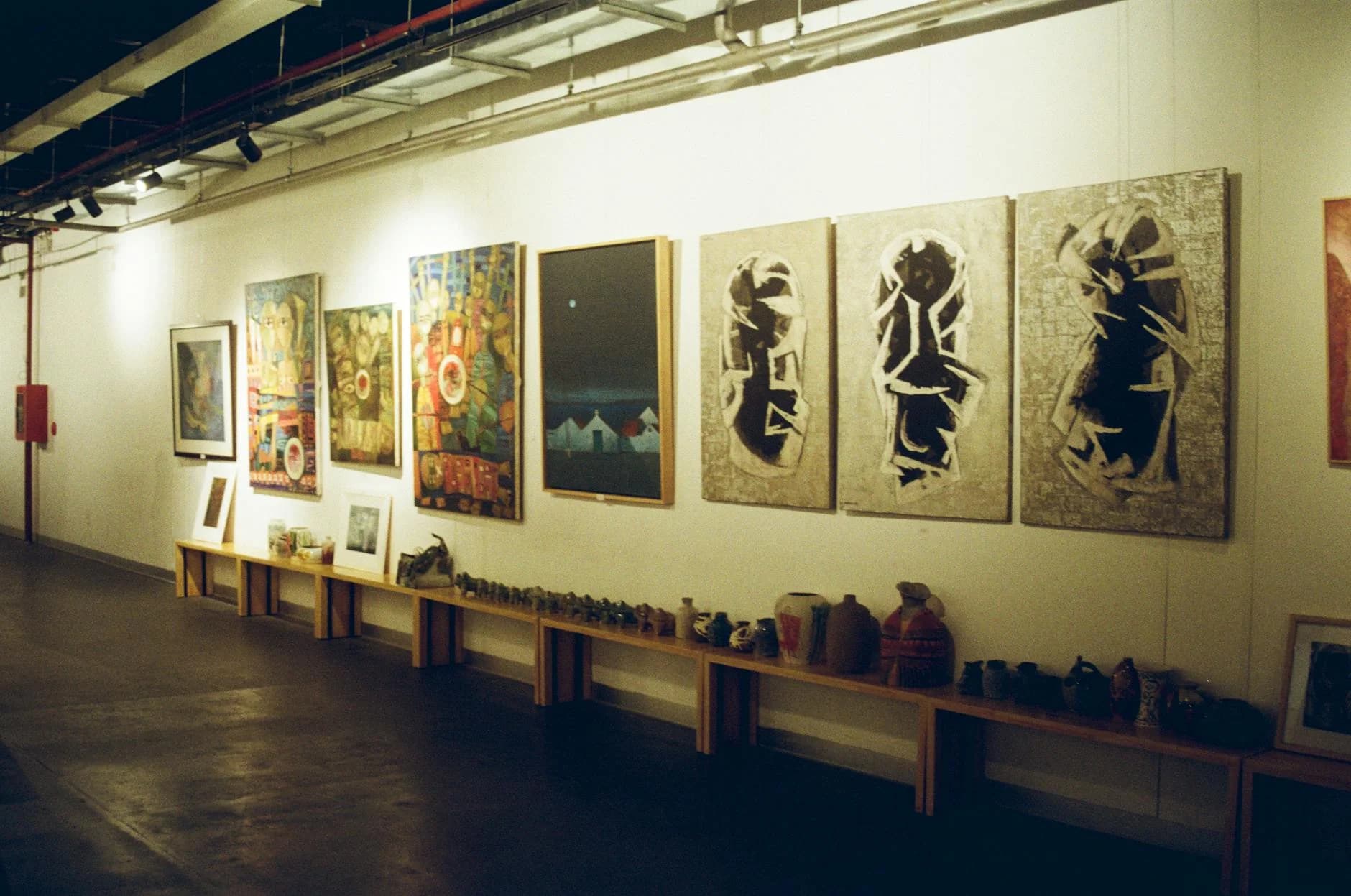
Government Provides 1 Billion Won in Emergency Disaster Funds for Daejeon Factory Fire Recovery

Existence Blooming Through Vulnerability: Massimo Lagrotteria Solo Exhibition

Milan Design Week 2026: Hotels Transform into Laboratories of Dreams

The Future of Living on the Moon, Mars, and Deep Sea: Houses Designed by Architects

15,000-Year-Old Clay Beads Made by Children Rewrite Prehistoric Art History

Reuters Reports Banksy's Identity Revealed, Reigniting Anonymity Debate
Latest News

이스라엘, 헤즈볼라 무기 통로 레바논 다리 공습
이스라엘군, 헤즈볼라 무기 통로 레바논 다리 공습
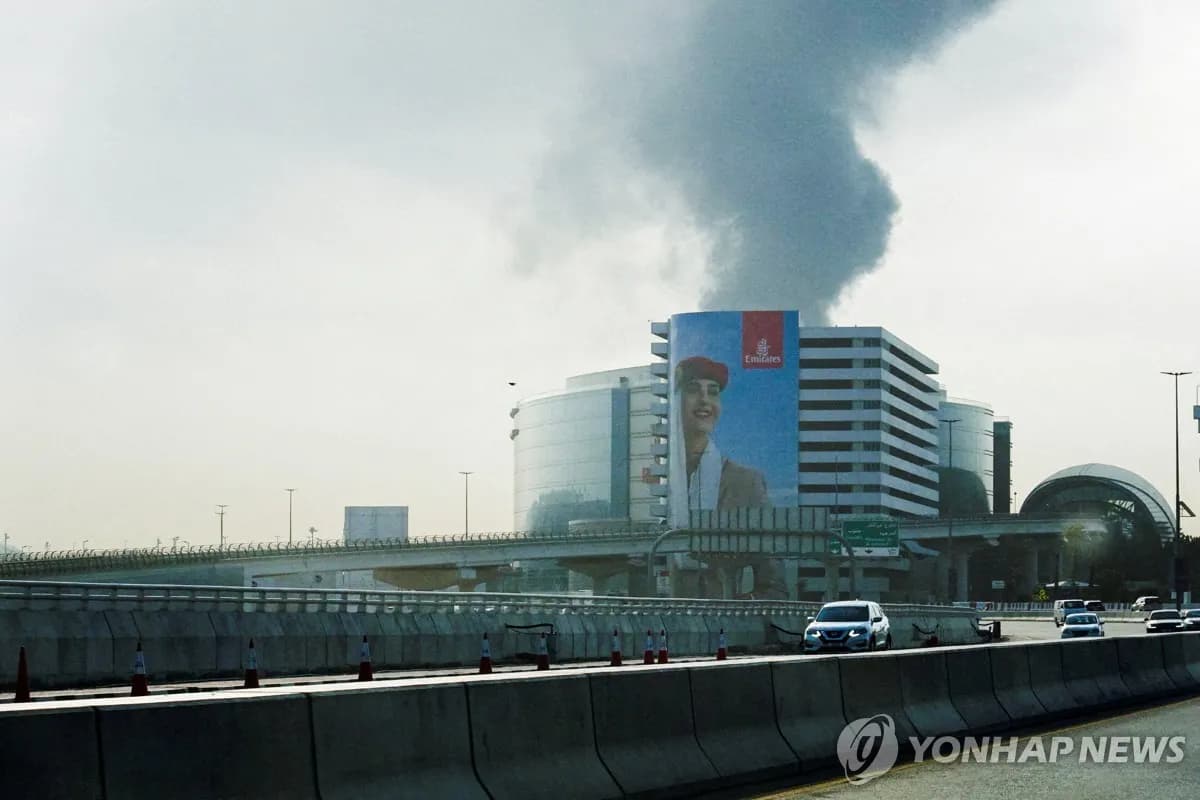
중동행 전세기 전쟁보험료 최고 7천500만원
중동행 전세기 전쟁보험료가 최고 5만달러(7천500만원)로 상승

이란 탄도미사일, 이스라엘 방어망 뚫고 160명 부상
이란 탄도미사일이 이스라엘 방공망을 통과해 160명 부상
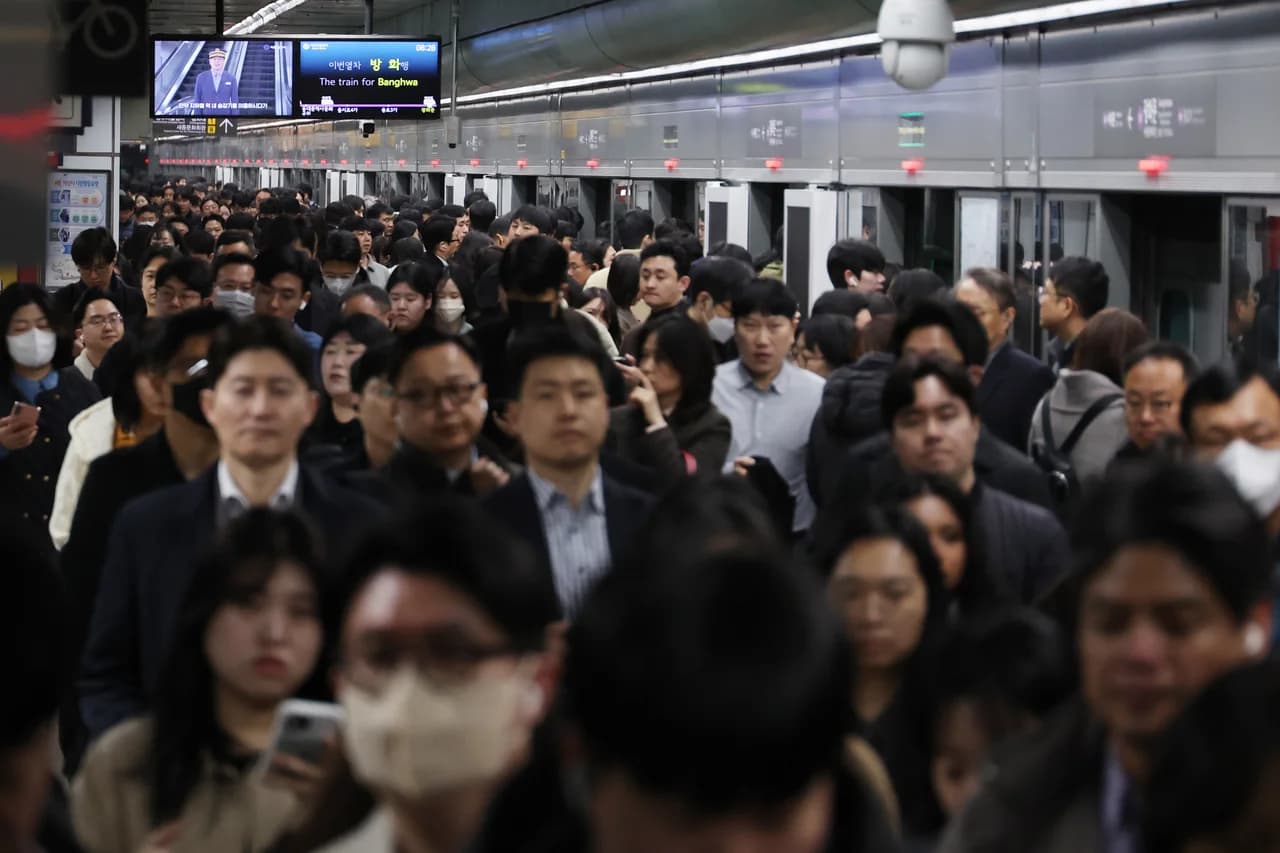
Middle East Conflict Drives Manufacturing Outlook to 10-Month Low
The Korea Institute for Industrial Economics & Trade survey shows April manufacturing outlook PSI plummeted to 88, falling below baseline for the first time in 10 months.

Lee Jae-myung Administration Excludes Multi-Home Officials from Real Estate Policymaking
President Lee Jae-myung has ordered the exclusion of multi-home owning public officials from all real estate policy processes.

Southeast Asia Growth Forecasts Cut Amid Oil Price Surge, Threatening Korean Exports
Maybank Research has downgraded ASEAN-6's 2026 growth forecast from 4.8% to 4.5%.

Volkswagen CEO Says Germany Should Learn from China's Industrial Strategy
Volkswagen CEO stated that Germany should learn from China's systematic industrial planning approach.

Reddit Considers Face ID to Block Bots While Maintaining Anonymity
Reddit is considering implementing biometric authentication systems such as Face ID and Touch ID to block AI bots while maintaining anonymity.