1896 First Olympic Silver Medal Sells for $181,000, Four Times Its Estimate
First Modern Olympic Champion's Medal Records Historic Price at Danish Auction After Fierce International Bidding War
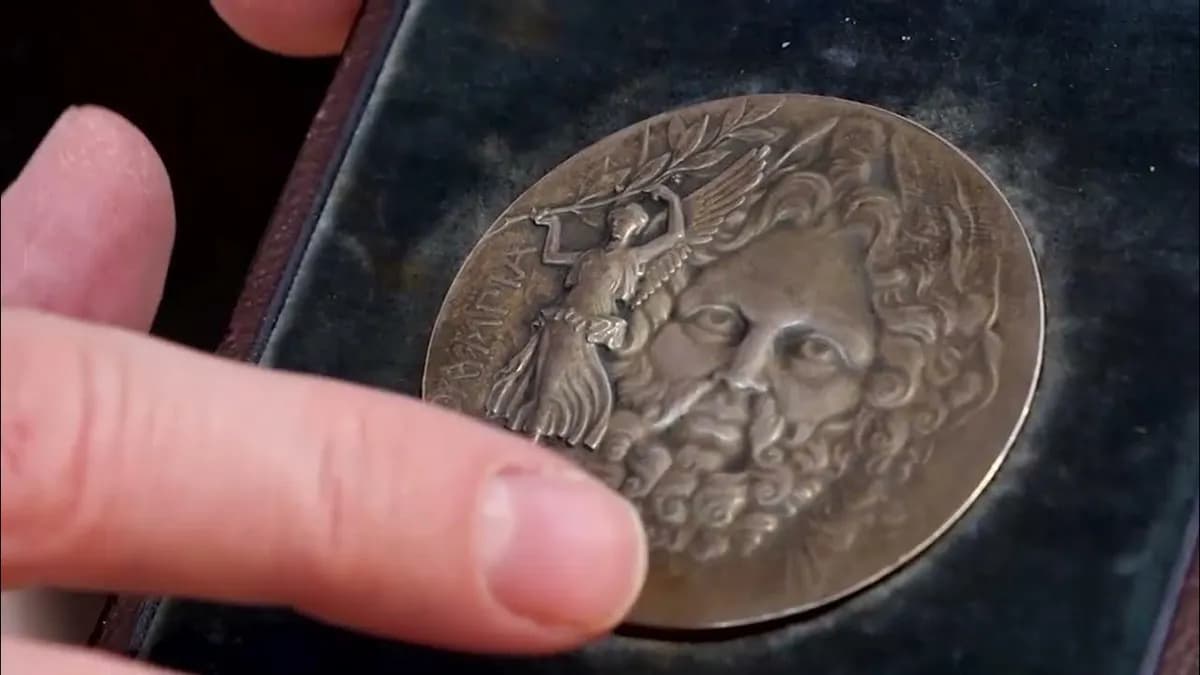
- •A silver medal from the first modern Olympic Games in 1896 sold at a Danish auction for $181,000, four times its estimate of $31,000-$47,000.
- •First-place athletes at that time received silver medals rather than gold, and only a very small number of these medals still exist today.
- •Early Olympic memorabilia continues to show rising prices due to historical value and scarcity.
Olympic History's 'Unicorn' Fetches Four Times Estimated Price
A medal symbolizing the birth of modern Olympic history has found a new owner at a price far exceeding expectations. A silver medal from the first modern Olympic Games held in Athens in 1896 sold for approximately $181,000 (about 180 million Korean won) including fees at an online auction by Danish auction house Bruun Rasmussen. This is approximately four times the pre-sale estimate of $31,000-$47,000.
The auction house described the medal as a "unicorn among international collectors." Indeed, surviving medals from the 1896 Olympics are rarities that almost never appear on the auction market. After fierce competition among international collectors, the final hammer price reached DKK 1.142 million (approximately $181,000).
First-Place Athletes Received Silver, Not Gold Medals
The 1896 Athens Olympics marked the beginning of the modern Olympic Games, but differed from today's award customs. At that time, first-place athletes received silver medals, not gold, while second-place finishers were awarded bronze medals. The gold-silver-bronze medal system became an established tradition in subsequent Olympics.
The medal sold at auction is not merely a piece of metal, but physical evidence of modern sports history. In the Olympic memorabilia market, medals from the early Games exist in extremely limited numbers, with most held by museums or private collectors, rarely appearing on the market. This scarcity is analyzed as a major factor driving up the auction price.
The Value of Olympic Memorabilia Since 1896
Olympic memorabilia has been recognized as cultural-historical artifacts beyond simple sporting goods. The 1896 Athens Olympics was the fruition of the modern Olympic revival movement led by French Baron Pierre de Coubertin. This competition, which reinterpreted ancient Greek Olympic traditions in a modern context, featured 241 athletes from 14 countries competing in 9 events.
Since the early 20th century, Olympic medals and memorabilia have received steady interest among collectors. Early Olympic medals in particular are highly valued for their combination of design value and historical significance. The 1896 medal features a unique design with Zeus's head and a figure holding the earth on the obverse, and the Acropolis on the reverse.
In recent decades, the sports memorabilia market has grown rapidly. Since the 2000s, with the spread of online auction platforms and the formation of global collector networks, prices for rare Olympic memorabilia have continued to rise. This sale is an extension of that trend, while simultaneously demonstrating the revaluation of early Olympic historical artifacts.
Future Outlook [AI Analysis]
The scarcity and historical value of early Olympic memorabilia are likely to continue rising. Particularly, early Olympic medals from 1896 to the 1920s exist in extremely limited quantities, so if they appear at future auctions, they are expected to record similar or higher prices than this sale.
Additionally, with major events like the 2028 Los Angeles Olympics and 2032 Brisbane Olympics approaching, public interest in the Olympics is increasing, which is expected to activate the related memorabilia market. Amid global economic uncertainty, investment demand for sports memorabilia as tangible assets is also growing, suggesting that historically verified Olympic artifacts could establish themselves as stable alternative investment vehicles.
However, market participants are placing greater emphasis on the importance of authenticity verification and provenance confirmation. As high-value transactions occur, concerns about counterfeit circulation are also growing. The role of specialized auction houses and certification agencies is expected to become increasingly important.
댓글 (4)
1896 관련 기사 잘 읽었습니다. 유익한 정보네요.
그 부분은 저도 궁금했습니다.
First에 대해 더 알고 싶어졌습니다. 후속 기사 부탁드립니다.
공감합니다. 참고하겠습니다.
More in Sports & Esports

Boston Red Sox's 'lobster poutine' faces strong protests in Canada

Free drink for every 420-foot MLB home run... Mountain Dew holds a unique promotion

살라, 리버풀 떠난다...프리미어리그 역대 최고 공격수는?

Santo Domingo's Malecón Sports Park Construction Progressing Smoothly
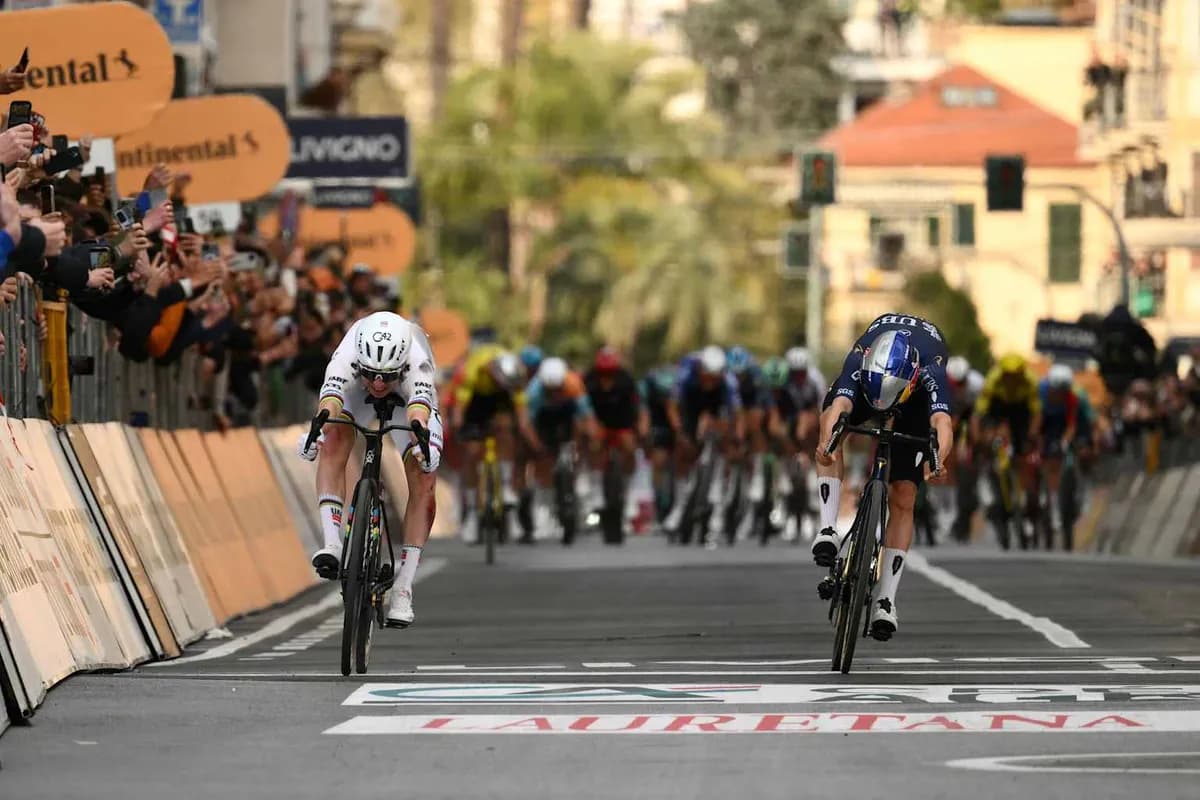
Pogačar Overcomes Crash to Win Milano-Sanremo, Achieves Four Monument Victories

UFC 313: Jones vs. Aspinall Heavyweight Title Fight Confirmed
Latest News

"간부 잘 아는데 교통비 좀" 휴가 군인들 돈 뜯은 50대 구속
50대 A씨가 휴가 중인 군인들에게 부대 간부를 아는 척 접근해 돈을 사취

英 옥토퍼스, 이란 전쟁 이후 태양광 판매 50% 증가
이란 전쟁 이후 영국 옥토퍼스의 태양광 판매량 50% 증가

당정 "추경, 지방·취약계층에 더 지원되는 방식으로"
당정이 지방자치단체와 취약계층 중심의 추경 편성 방침 재확인

당정, 석유 최고가격제 손실 보전을 추경에 반영키로
당정이 석유 최고가격제 손실을 추경에 반영하기로 결정

어머니 폭행하고 금팔찌 빼앗은 30대 아들 경찰에 붙잡혀
어머니 폭행 후 금팔찌 빼앗은 30대 남성 체포

아이티 갱단 폭력사태로 10개월간 5천명 이상 사망
아이티에서 지난 10개월간 갱단 폭력으로 5천명 이상 사망

서방 정보당국 "러시아, 우크라이나 전쟁 후 이란에 드론·식량 공급"
서방 정보당국, 러시아의 이란 드론·식량 공급 작업 거의 완료 파악

6년 전 세 살 딸 살해한 30대 친모 구속송치
경찰, 6년 전 세 살 딸 살해 혐의 30대 친모를 구속송치