2,000-Year-Old Roman Noblewoman's Smile Awakens at Hadrian's Wall
Terracotta head discovered by volunteer archaeologists offers precious glimpse into life on Roman Empire's frontier
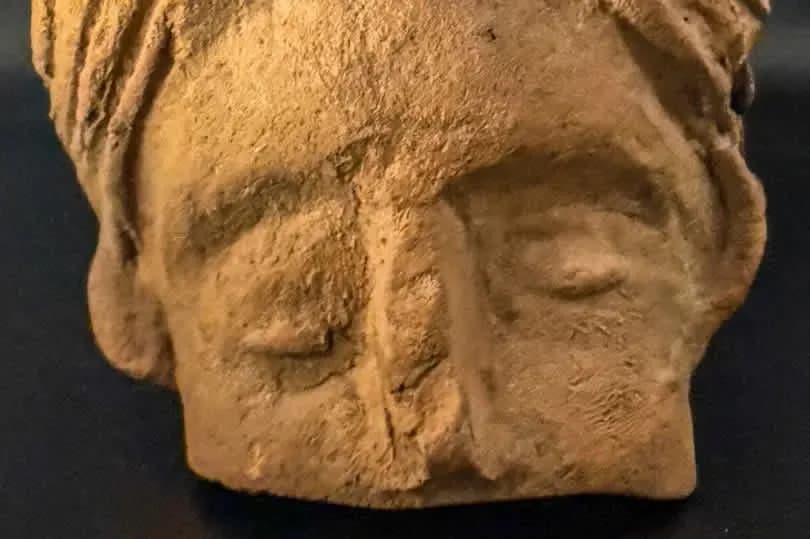
- •A 2,000-year-old terracotta female head was discovered at Magna Roman Fort in England by volunteer archaeologists.
- •Experts evaluate it as a locally-made practice piece imitating a refined head found in the 19th century.
- •Artifacts including leather shoes and a silver ring will be displayed at the Roman Army Museum.
2,000 Years of Time Sleeping Beneath the Wall
A 2,000-year-old terracotta head depicting a noble female figure has been discovered at the Magna Roman Fort in Northumberland, England. The artifact, measuring 78mm×67mm, was unearthed by volunteer archaeologists Rinske de Kok and Hilda Gribin while excavating the fort's northern defensive structures. It portrays a woman with hair parted in the center and braided into four strands.
Experts have assessed the head as "a practice piece by an unskilled hand," yet they consider it a valuable clue for understanding daily life and culture in the Roman Empire's frontier regions. According to BBC reports, the artifact is likely a locally-made imitation of a more refined head discovered at the same site in the 19th century.
The Stories Held by Hadrian's Wall
The Magna Roman Fort was a crucial military stronghold positioned along Hadrian's Wall. Construction of Hadrian's Wall began in 122 AD under Emperor Hadrian's orders, serving as a key defensive line protecting the Roman Empire's northern border. Stretching 117 kilometers, this wall was more than a mere military installation—it was both a boundary between Roman civilization and northern tribes and a point of cultural exchange.
This discovery carries significance beyond a single artwork. Roman artifact specialists have suggested the head may depict a goddess, while noting it as an example of how Roman culture was localized in the empire's frontier regions. The unsophisticated craftsmanship paradoxically demonstrates how deeply Roman culture had penetrated into everyday life in this area.
Ongoing Excavations, Accumulating History
The head is one of several artifacts recently excavated at Magna Fort. With the discovery of everyday items such as leather shoes and a silver ring, the lives of Roman soldiers and their families stationed here 2,000 years ago are becoming increasingly concrete.
The Roman Army Museum plans to display the newly discovered artifacts. Museum officials described them as "materials that vividly illustrate life on the Roman Empire's frontier along Hadrian's Wall" and have begun exhibition preparations.
Excavation work at Magna Fort is scheduled to continue through 2026, and this project—involving both volunteers and professional archaeologists—is also open to the public through free guided tours every Wednesday, Saturday, and Sunday. The museum recommends "wearing sturdy shoes," allowing visitors to directly experience the rugged terrain of the Roman era.
댓글 (4)
000-Year-Old 관련 기사 잘 읽었습니다. 유익한 정보네요.
그 부분은 저도 궁금했습니다.
기사 잘 봤습니다. 다른 시각의 분석도 읽어보고 싶네요.
흥미로운 주제입니다. 주변에도 공유해야겠어요.
More in Culture & Art

‘Crush’, ‘Tero’, ‘Jidae’… The languages of North and South Korea are becoming increasingly distant.
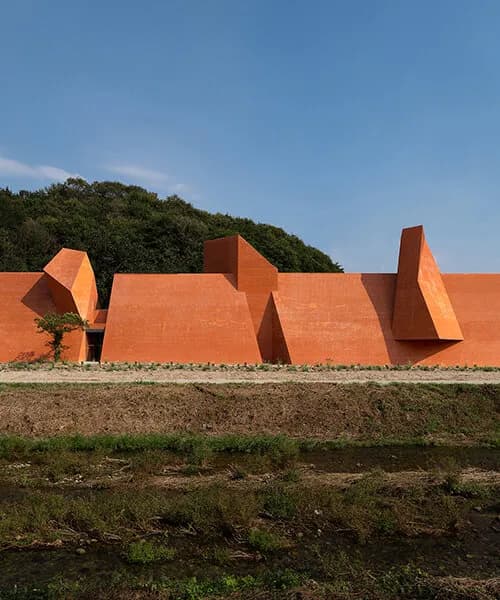
‘Fortress Café’ stands tall in the forests of Gangwon-do, reinterpreting ancient fortress walls through modern architecture.

New York, hand-carved for 21 years, unveiled for the first time at an art museum

Freddie Mamani colors the city with Andean culture
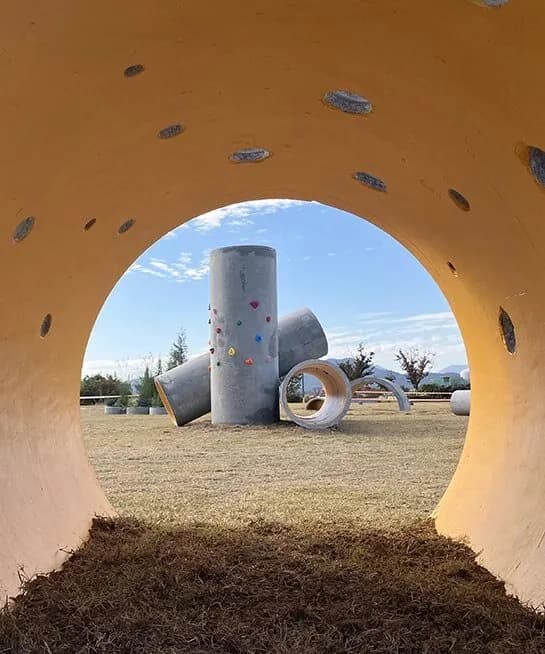
An abandoned concrete pipe is reborn as a playground... Busan Museum of Art ‘Concrete Utopia’

A Swedish artist's house, the essence of architecture that becomes one with nature
Latest News

"간부 잘 아는데 교통비 좀" 휴가 군인들 돈 뜯은 50대 구속
50대 A씨가 휴가 중인 군인들에게 부대 간부를 아는 척 접근해 돈을 사취

英 옥토퍼스, 이란 전쟁 이후 태양광 판매 50% 증가
이란 전쟁 이후 영국 옥토퍼스의 태양광 판매량 50% 증가

당정 "추경, 지방·취약계층에 더 지원되는 방식으로"
당정이 지방자치단체와 취약계층 중심의 추경 편성 방침 재확인

당정, 석유 최고가격제 손실 보전을 추경에 반영키로
당정이 석유 최고가격제 손실을 추경에 반영하기로 결정
어머니 폭행하고 금팔찌 빼앗은 30대 아들 경찰에 붙잡혀
어머니 폭행 후 금팔찌 빼앗은 30대 남성 체포

아이티 갱단 폭력사태로 10개월간 5천명 이상 사망
아이티에서 지난 10개월간 갱단 폭력으로 5천명 이상 사망
서방 정보당국 "러시아, 우크라이나 전쟁 후 이란에 드론·식량 공급"
서방 정보당국, 러시아의 이란 드론·식량 공급 작업 거의 완료 파악

6년 전 세 살 딸 살해한 30대 친모 구속송치
경찰, 6년 전 세 살 딸 살해 혐의 30대 친모를 구속송치