December 2025 Lunar Phases and Daily Life: Year-End Planning from an Astronomical Perspective
From New Moon to Full Moon: The Rhythm of December Created by Lunar Cycles
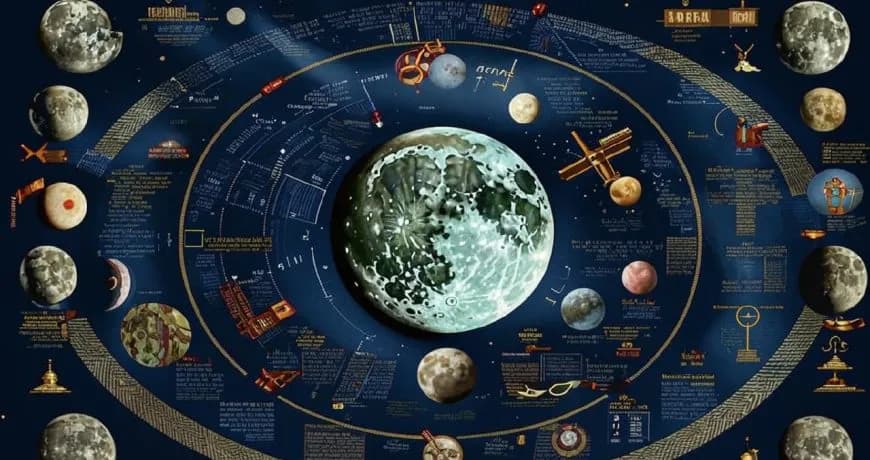
- •On December 5, 2025, the year's final supermoon full moon will be observed in Gemini, and on December 20th, a new moon will occur in Sagittarius.
- •While lunar phase changes affect Earth physically through tidal forces, direct effects on human emotions or health have not been scientifically proven.
- •In mid-December, Mars and Venus will move into Capricorn, and after the winter solstice (December 21st), days will begin to lengthen in the Northern Hemisphere.
What Changes Will the Moon Undergo in December
December 2025 is an astronomically intriguing month. The lunar phases repeat in a 29.5-day cycle, transitioning from New Moon to Full Moon and back to New Moon again.
On December 5th, the year's final supermoon will be observed in Gemini. A supermoon is a full moon that occurs when the Moon is at its closest approach to Earth, appearing 14% larger and 30% brighter than usual. According to NASA, supermoons occur 3-4 times annually, and December's supermoon will be the last major full moon of 2025.
On December 20th, a new moon will occur in Sagittarius. The new moon is when the Moon is positioned in the same direction as the Sun and is invisible from Earth, providing the darkest night sky for celestial observation.
Lunar Phases and Planetary Movements
Besides lunar phase changes, several planetary movements can be observed in December.
On December 10th, Neptune will end its retrograde motion and resume direct motion. Planetary retrograde is a phenomenon where a planet appears to move backward due to differences in orbital speeds between Earth and the planet. Neptune's shift to direct motion after approximately 5 months is a notable event for celestial observers.
On December 15th, Mars will enter Capricorn. Mars approaches Earth approximately once every 2 years and takes about 6-7 weeks to transit through each constellation.
On December 24th, Venus will move into Capricorn. Venus is the second brightest celestial body in the solar system, known as the "morning star" or "evening star" in dawn and dusk skies.
Lunar Cycles and Life Rhythms
Lunar phase changes have historically been utilized for human timekeeping and agricultural activities.
The waxing phase (December 1-4, 21-31) is when the Moon gradually grows larger, traditionally considered a good time to plant seeds or start new plans. In modern times, this coincides with year-end goal setting and New Year planning.
The full moon period (December 5th) is when the Moon shines brightest. While there is no clear scientific evidence that the full moon directly affects sleep or emotions, a Swiss study from the University of Basel published in Current Biology (2013) reported that average sleep duration decreased by 20 minutes and deep sleep stages reduced by 30% around the full moon. However, this study was limited to a sample size of 33 participants.
The waning phase (December 6-19) is when the Moon gradually decreases, traditionally considered suitable for harvesting, organizing, and finishing tasks. This temporally aligns with year-end accounting and household organization.
December Astronomical Observation Guide
Astronomers recommend the following December observation points:
December 5th Supermoon Full Moon: You can observe a large full moon rising in the eastern sky immediately after sunset. Visual observation is possible even in urban areas, and if you have a telescope, you can clearly see craters on the lunar surface.
December 20th New Moon: The absence of moonlight provides optimal conditions for observing stars and the Milky Way. In suburban or mountainous areas, you can clearly observe winter's representative constellations, Orion and Taurus.
Planetary Observation: After mid-December, as Mars and Venus position in Capricorn, they will shine brightly in the dawn or evening sky. Venus can be observed in the western sky after sunset, while Mars is visible in the eastern sky after midnight.
Calendars and Culture: The Meaning of Year-End
December is the last month of the year according to the solar calendar. While the Gregorian calendar (modern solar calendar) is based on Earth's orbital period (365.2425 days), lunar phase changes form the basis of the lunar calendar.
In many cultures, year-end is considered a time to wrap up the year and prepare for the new year. The winter solstice (around December 21-22) is the longest night in the Northern Hemisphere, after which days begin to lengthen. Astronomically, this is when Earth's axis of rotation is tilted farthest from the Sun.
The Moon's Influence from a Scientific Perspective
The clearest influence the Moon has on Earth is tidal force. The Moon's gravity pulls on Earth's ocean water, creating high and low tides. During full moon and new moon periods, the combined gravity of the Sun and Moon creates what's called "spring tides," producing large tidal differences.
However, there is no scientific consensus on claims that the Moon directly affects human emotions, decision-making, or health. A meta-analysis published in Psychological Bulletin (1985) found no significant correlation between the full moon and mental health emergency room visits, crime rates, or traffic accidents.
Nevertheless, using lunar phase changes as a psychological tool to regulate life's rhythm is a personal choice. Using astronomical events as reference points for schedule management or goal setting can help structure time perception.
Summary of Key Dates in December 2025
- December 1-4: Waxing phase (Moon gradually growing)
- December 5: Gemini Full Moon (year's final supermoon)
- December 6-19: Waning phase (Moon gradually decreasing)
- December 10: Neptune resumes direct motion
- December 15: Mars enters Capricorn
- December 20: Sagittarius New Moon
- December 21-31: Waxing phase (preparation period toward the new year)
- December 21: Winter Solstice (longest night in Northern Hemisphere)
- December 24: Venus enters Capricorn
December's lunar cycles and planetary movements intertwine with the temporal significance of year-end, providing a symbolic backdrop for concluding the year and preparing for new beginnings. Understanding both scientific facts and cultural meanings can enrich your experience of the final month of 2025.
댓글 (5)
흥미로운 주제입니다. 주변에도 공유해야겠어요.
좋은 의견이십니다.
기사 잘 봤습니다. 다른 시각의 분석도 읽어보고 싶네요.
그 부분은 저도 궁금했습니다.
간결하면서도 핵심을 잘 정리한 기사네요.
More in Life
Beyond Vaccines: Refusal of Newborn Vitamin K Shots Spreads
NASA Restores Historic 80-Year-Old 'Hangar One' at Ames Research Center
NASA X-59 Supersonic Experimental Aircraft Completes Second Test Flight Successfully
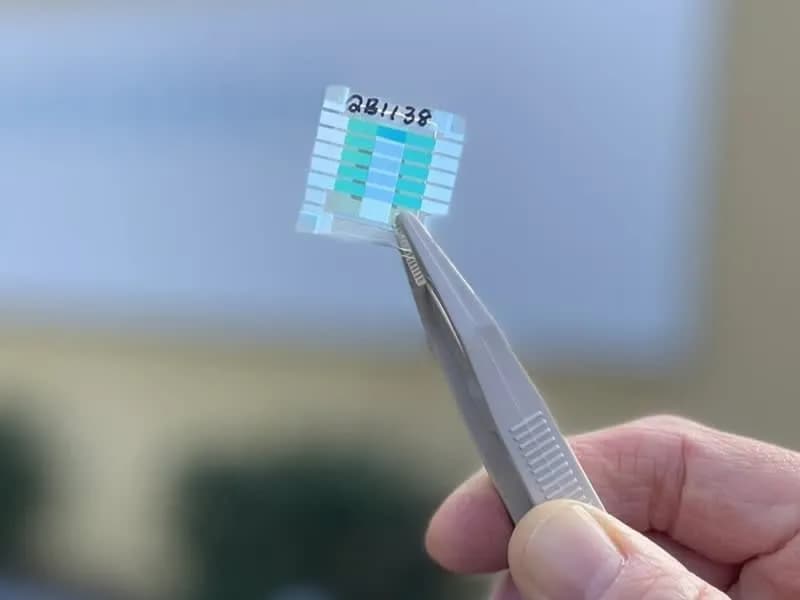
Australian Researchers Develop World's First Quantum Battery Prototype
The Ocean Was the True Driver of 3 Million Years of Climate Change

Heat Waves to Cause 700,000 Premature Deaths by 2050… Climate Crisis Undermines Exercise Habits
Latest News

이스라엘, 헤즈볼라 무기 통로 레바논 다리 공습
이스라엘군, 헤즈볼라 무기 통로 레바논 다리 공습
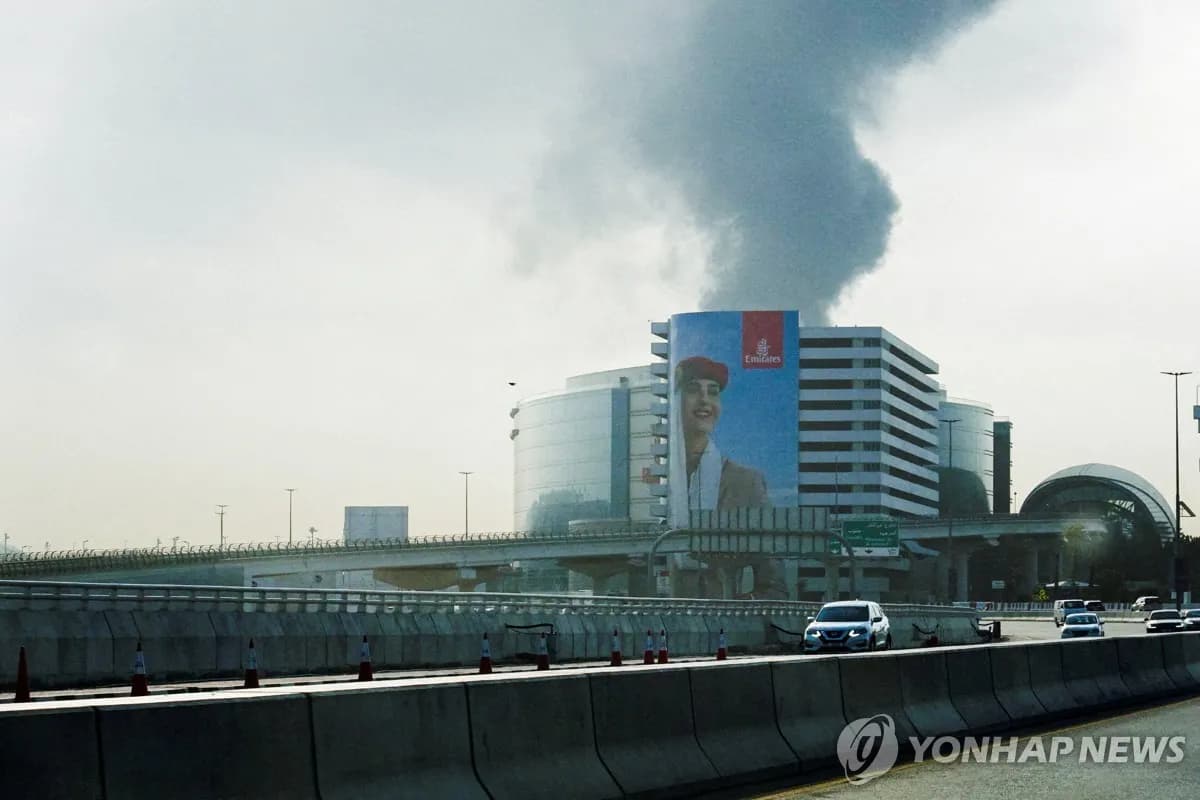
중동행 전세기 전쟁보험료 최고 7천500만원
중동행 전세기 전쟁보험료가 최고 5만달러(7천500만원)로 상승

이란 탄도미사일, 이스라엘 방어망 뚫고 160명 부상
이란 탄도미사일이 이스라엘 방공망을 통과해 160명 부상
Middle East Conflict Drives Manufacturing Outlook to 10-Month Low
The Korea Institute for Industrial Economics & Trade survey shows April manufacturing outlook PSI plummeted to 88, falling below baseline for the first time in 10 months.

Lee Jae-myung Administration Excludes Multi-Home Officials from Real Estate Policymaking
President Lee Jae-myung has ordered the exclusion of multi-home owning public officials from all real estate policy processes.
Southeast Asia Growth Forecasts Cut Amid Oil Price Surge, Threatening Korean Exports
Maybank Research has downgraded ASEAN-6's 2026 growth forecast from 4.8% to 4.5%.

Volkswagen CEO Says Germany Should Learn from China's Industrial Strategy
Volkswagen CEO stated that Germany should learn from China's systematic industrial planning approach.

Reddit Considers Face ID to Block Bots While Maintaining Anonymity
Reddit is considering implementing biometric authentication systems such as Face ID and Touch ID to block AI bots while maintaining anonymity.