Florida's Most Shocking and Hopeful Moments of 2025
From Threats to Immigrant Communities to Train Fatalities: A Year in Review of South Florida's Record

- •South Florida in 2025 became the center of national issues as strengthened immigration policies intersected with regional concerns.
- •WLRN's investigative reporting deeply examined 180 Brightline train fatalities and a murder case resulting from mental health system failures.
- •A Haitian priest's statements revealed that discrimination faced by immigrant communities had permeated even religious institutions.
A Year of Unrelenting News
South Florida experienced one of its most turbulent years in 2025. As the new federal administration pushed aggressive policies and Florida quickly fell in line, the region—particularly its immigrant communities—found itself at the forefront of national issues, with the president spending considerable time in the area.
Local public media WLRN documented all of this with a small but dedicated reporting team. The station was named 'Radio Station of the Year' by the Florida Association of Broadcast Journalists (FABJ) and received two prestigious Edward R. Murrow Awards for investigative reporting.
As 2025 draws to a close, WLRN has selected the stories that had the greatest impact on readers, along with those that offered hope.
The Most Shocking Reports
1. Brightline Train's Hidden Death Toll
The "Killer Train" series exposed the reality of Brightline, considered America's most dangerous passenger train. A year-long investigation by reporters Daniel Rivera and Joshua Ceballos, conducted jointly with the Miami Herald, revealed that over 180 deaths had occurred on Brightline tracks—far more than previously known.
The reporting team cross-referenced federal railroad data, local medical examiner records, and police accident reports to compile the death toll. Brightline has not accepted legal responsibility for any of the fatalities, claiming the incidents were due to self-harm.
The coverage included testimony from victims' families, trauma experienced by train operators who witnessed repeated tragedies, tax subsidies received by Brightline, and safety measures that could reduce fatalities.
2. Florida Keys Tragedy: Limits of Mental Health and Justice Systems
The "Keeper and Killer" series tracked a shocking 2020 murder case in the Florida Keys. The case, in which a fourteen-year-old boy was killed by his brother, was a tragedy intertwined with a decade-long parental custody dispute and mental health issues.
The perpetrator, Daniel Weisberg, had experienced mental health problems since age five, which worsened throughout his teenage years. The four-part podcast produced by reporter Jenny Staletovich examined how a beloved Boy Scout and older brother became a brutal killer, and explored the limitations of the American justice system in handling the mentally ill.
3. Haitian Priest's Cry: 'Dictatorship of Indifference'
A Haitian Catholic priest spoke out publicly within the Miami Archdiocese. Father Reginald Jean-Marie appeared at the 'Festival of Lights' event in February alongside Archbishop Thomas Wenski of Miami.
This report highlighted discrimination and marginalization faced by immigrant communities, particularly Haitian residents. Father Jean-Marie described it as a 'dictatorship of indifference,' denouncing the structural exclusion immigrants experience even within religious communities.
Why These Reports Matter [AI Analysis]
The Boundary Between Public Safety and Corporate Responsibility
The Brightline investigation raises critical questions about safety accountability in private transportation infrastructure. The structure that allows a corporation to avoid legal responsibility despite over 180 deaths reveals blind spots in the rapidly expanding private railroad industry. This is not merely an issue with one company, but potentially signals the need for safety verification of transportation infrastructure privatization underway across the United States.
Mental Health Crisis and the Disconnect in the Justice System
The Florida Keys case demonstrates structural failures in the youth mental health system. The process by which a child showing symptoms from age five failed to receive proper treatment and became a murderer ten years later starkly reveals how fragmented America's mental health care system is. The fact that parental custody disputes hindered treatment particularly suggests how lacking collaboration is between family courts and mental health systems.
Voice of the Immigrant Community
The Haitian priest's statement brought the sensitive topic of immigrant discrimination within religious institutions to the surface. Under the federal government's hardline immigration policies in 2025, immigrant communities face greater pressure throughout society. The fact that even religious communities are no exception suggests that immigrant exclusion may have taken root as a cultural phenomenon throughout society, beyond simple policy issues.
Future Outlook [AI Analysis]
Potential Strengthening of Transportation Safety Regulations
As the Brightline report becomes public discourse, discussions on strengthening federal safety standards for private railroads are likely to proceed. Particularly if transportation safety emerges as a political issue ahead of the 2026 midterm elections, both Democrats and Republicans may move toward stronger regulations. However, as long as the Florida state government maintains its pro-business stance, state-level regulations are likely to remain limited.
Pressure for Mental Health System Reform
As tragedies like the Florida Keys case repeat, pressure to build early intervention systems for youth mental health is expected to grow. The establishment of school-based mental health screening and information-sharing systems between family courts and medical systems will likely emerge as key challenges. However, given realistic barriers of budget and personnel shortages, significant changes in the short term may be difficult.
Expansion of Immigrant Rights Advocacy
If the federal government's hardline immigration policies continue into 2026, civil society including religious institutions is likely to become more active in advocating for immigrant rights. Particularly if voices demanding immigrant inclusion grow louder within traditional authority institutions like the Catholic Church, this would signify deepening divisions over immigration issues even within conservative religious communities.
Ultimately, the 2025 South Florida stories comprehensively demonstrate the structural problems American society faces, centered on three axes: safety, mental health, and immigrant rights. How these issues evolve in 2026 will depend on how seriously policymakers and civil society respond.
댓글 (5)
간결하면서도 핵심을 잘 정리한 기사네요.
좋은 의견이십니다.
Most에 대해 더 알고 싶어졌습니다. 후속 기사 부탁드립니다.
그 부분은 저도 궁금했습니다.
기사 잘 봤습니다. 다른 시각의 분석도 읽어보고 싶네요.
More in Special

The Corsican Mafia Exposed: Breaking a Century of Silence
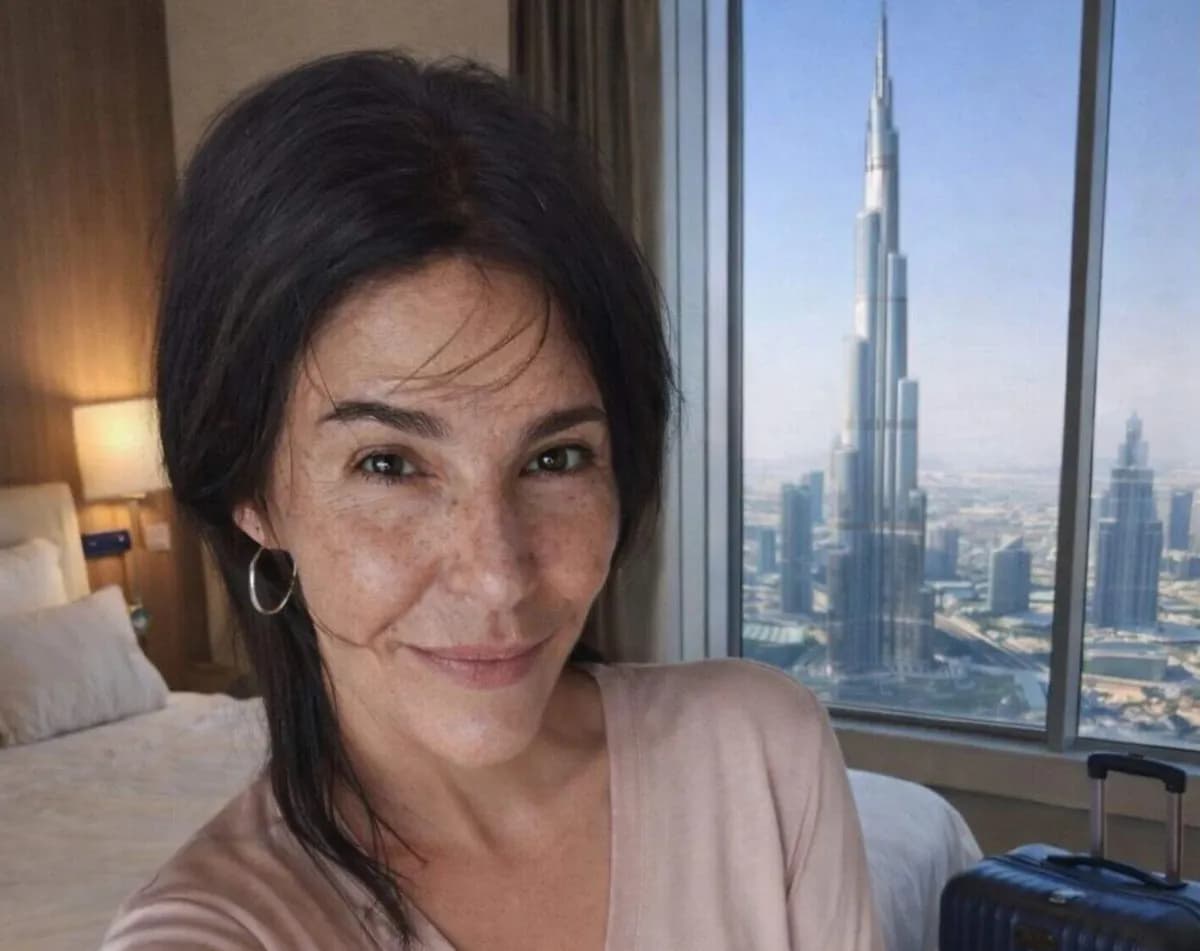
AI-Generated Fake Person Used to Sell Dubai Flight Seats

Facebook Groups Traded Endangered Species Using Code Language — Indonesian Broker Network Exposed
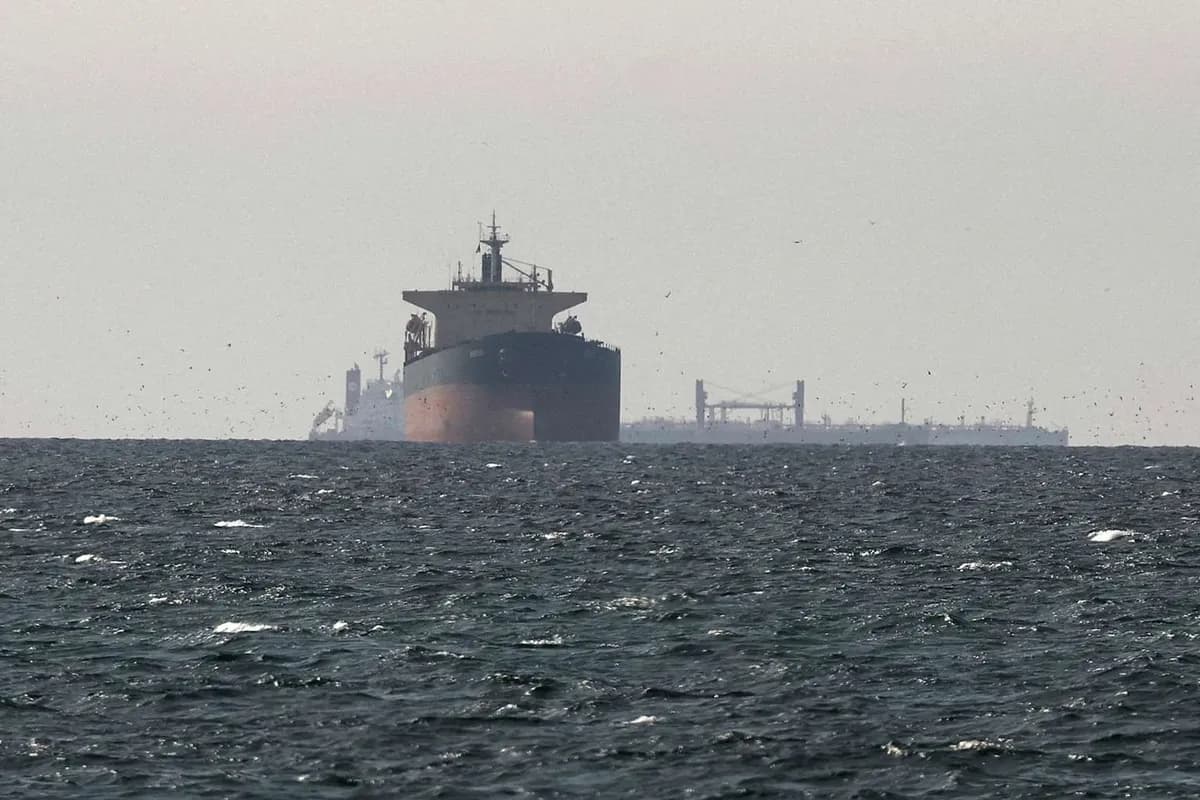
G6 Alliance Declares Support for Hormuz Strait Security... Reverses Stance Under Trump Pressure
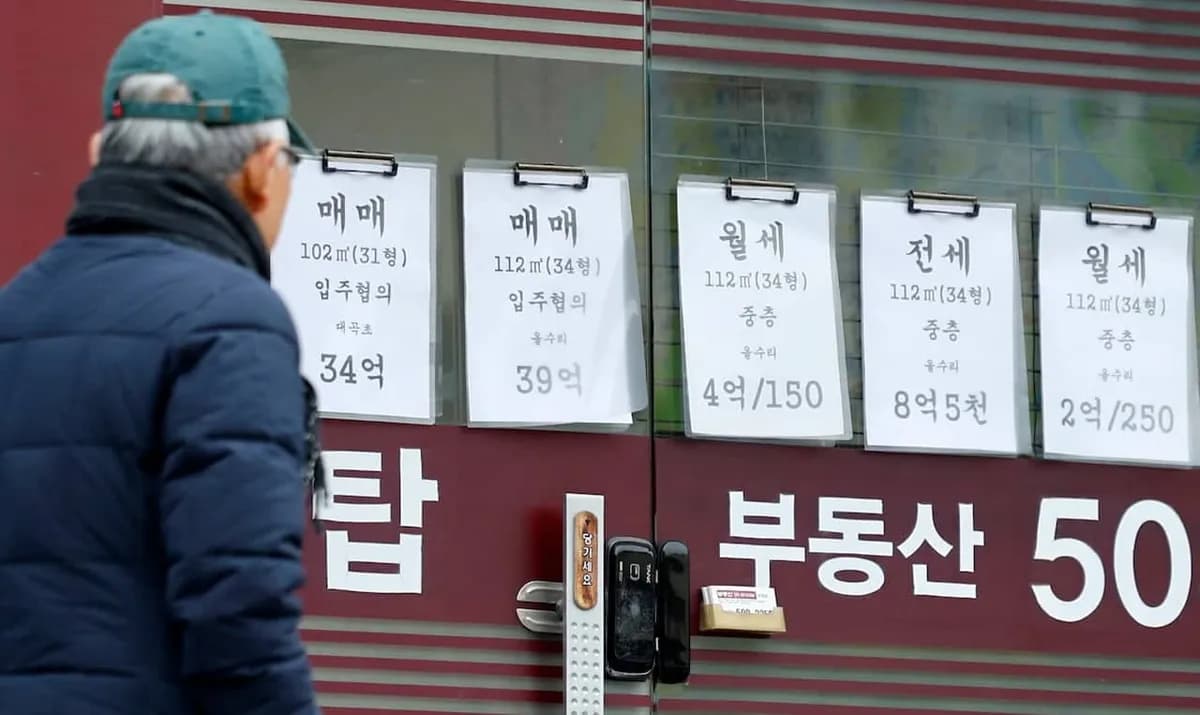
Seoul's Average Monthly Rent Surpasses 1.51 Million Won as Soaring Official Property Prices Trigger 'Housing Cost Bomb'

Rihanna Tops Spotify Without New Album for 10 Years, Proving Power of Catalog
Latest News

이스라엘, 헤즈볼라 무기 통로 레바논 다리 공습
이스라엘군, 헤즈볼라 무기 통로 레바논 다리 공습
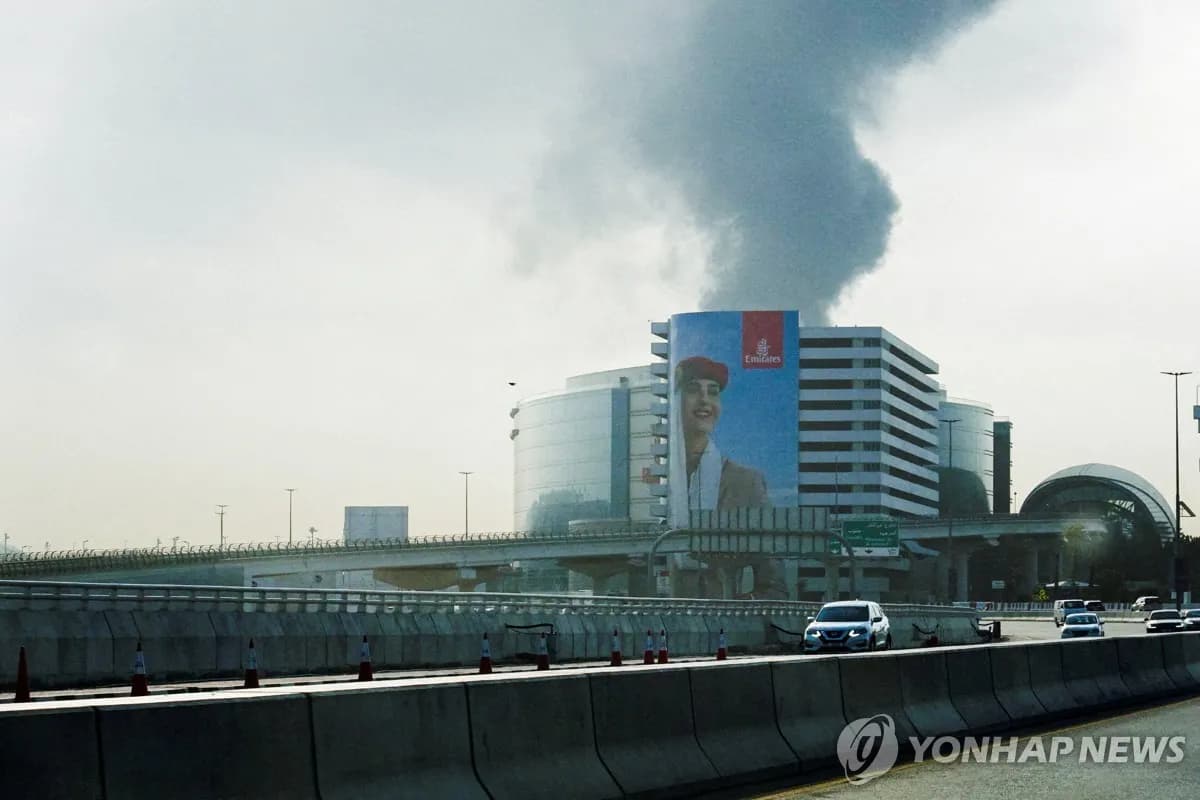
중동행 전세기 전쟁보험료 최고 7천500만원
중동행 전세기 전쟁보험료가 최고 5만달러(7천500만원)로 상승

이란 탄도미사일, 이스라엘 방어망 뚫고 160명 부상
이란 탄도미사일이 이스라엘 방공망을 통과해 160명 부상
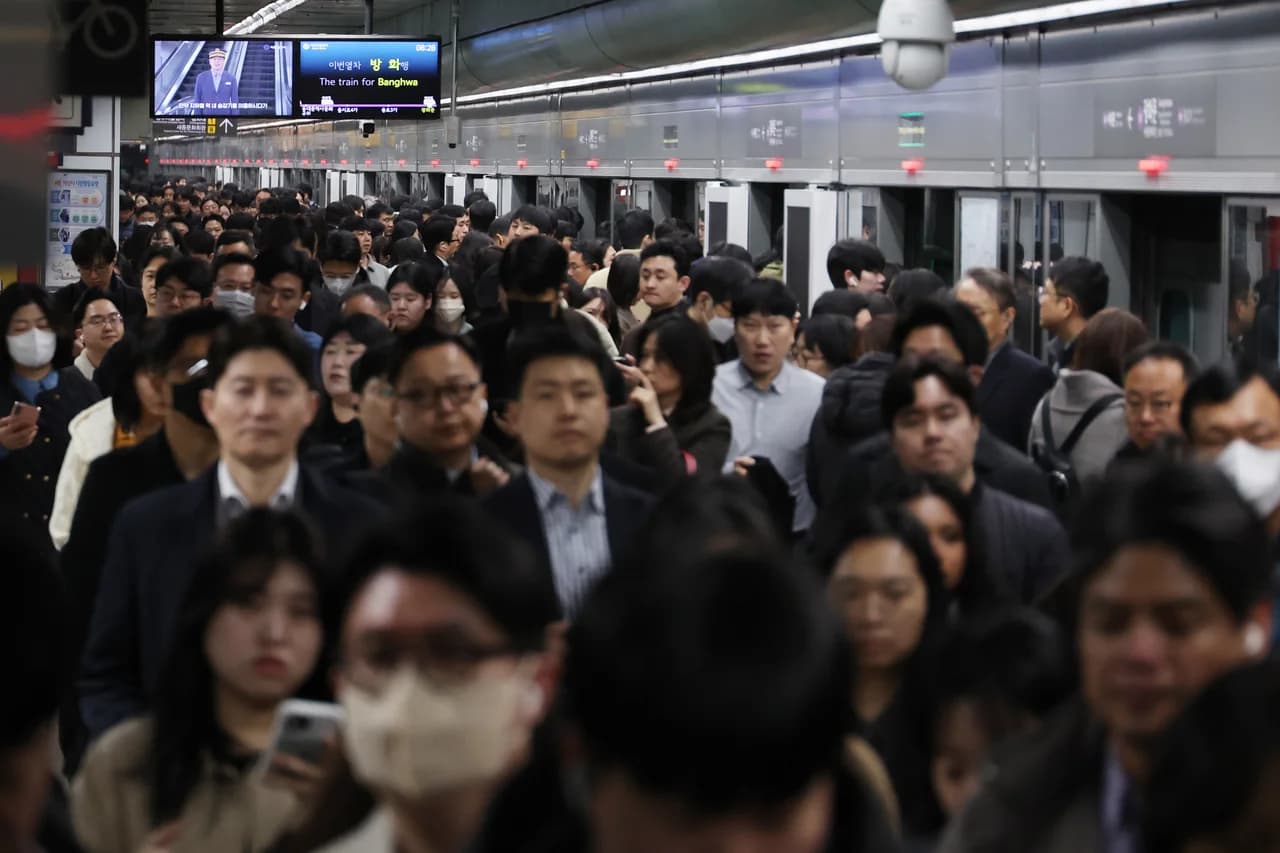
Middle East Conflict Drives Manufacturing Outlook to 10-Month Low
The Korea Institute for Industrial Economics & Trade survey shows April manufacturing outlook PSI plummeted to 88, falling below baseline for the first time in 10 months.

Lee Jae-myung Administration Excludes Multi-Home Officials from Real Estate Policymaking
President Lee Jae-myung has ordered the exclusion of multi-home owning public officials from all real estate policy processes.

Southeast Asia Growth Forecasts Cut Amid Oil Price Surge, Threatening Korean Exports
Maybank Research has downgraded ASEAN-6's 2026 growth forecast from 4.8% to 4.5%.

Volkswagen CEO Says Germany Should Learn from China's Industrial Strategy
Volkswagen CEO stated that Germany should learn from China's systematic industrial planning approach.

Reddit Considers Face ID to Block Bots While Maintaining Anonymity
Reddit is considering implementing biometric authentication systems such as Face ID and Touch ID to block AI bots while maintaining anonymity.