29.6 Million Views for AI-Generated 'Crying Soldiers' — How to Spot the Fakes
At least 11 accounts on TikTok, Facebook, and YouTube flooded platforms with AI military content, alarming military families
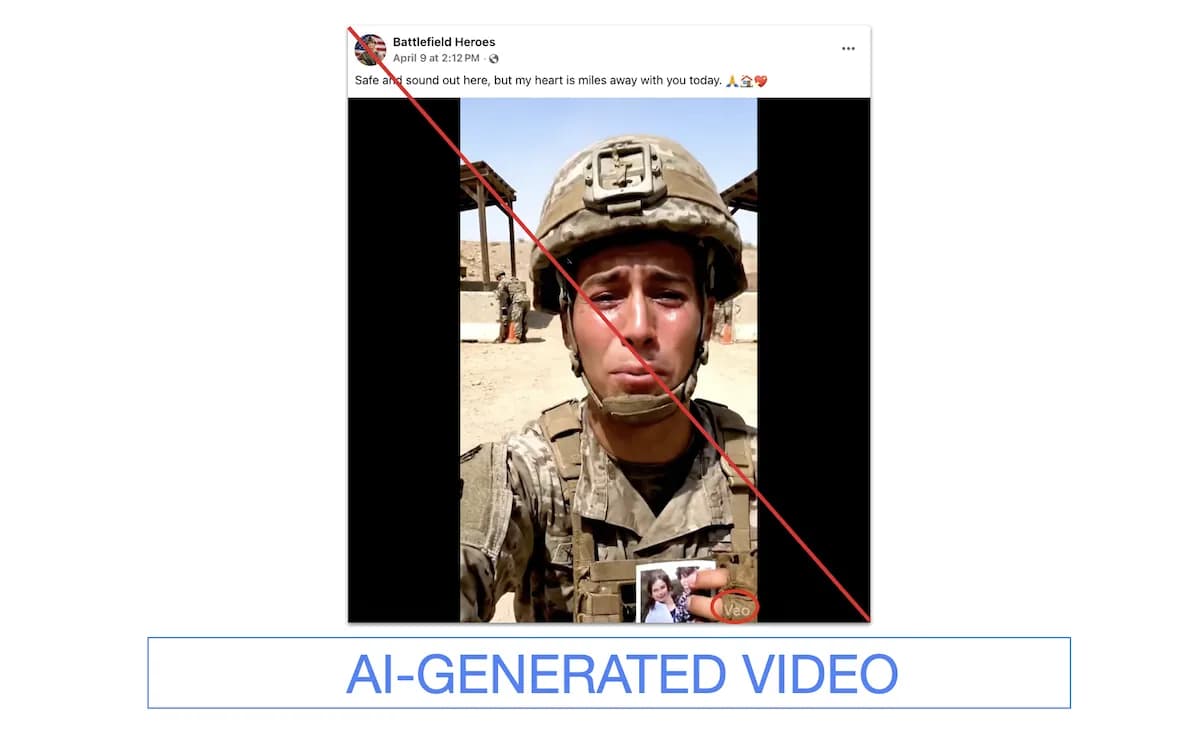
- •AI-generated U.S. soldier videos across 11 accounts received 29.6 million combined views.
- •Military families report real fear and anxiety triggered by fabricated footage.
- •Platform takedowns help, but media literacy education is essential for a lasting fix.
Soldiers in Tears — Who Never Existed
A woman in military uniform stands amid snow and ice, speaking to the camera: "Mom, Dad, checking in. I'm good. It's freezing and I'm soaked, but I'm standing my ground for the safety of the American people. Do I earn your follow yet?" She is not a real soldier. She is an entirely AI-generated persona.
Videos like this have swept across social media. According to an investigation by multiple media outlets, at least 11 accounts on TikTok, Facebook, and YouTube were found to be primarily posting AI-generated videos of U.S. service members. Combined, these accounts amassed over 174,000 followers and 29.6 million views. Even in cases where videos disclosed their AI origin, comment sections showed many viewers believed the footage was real.
Why It Matters
The driving force behind this phenomenon is financial incentive. Emotionally charged videos go viral easily, and social media monetization programs reward creators directly. Some accounts exploit viewers by directing them to external shopping sites or harvesting personal data.
The impact on military families is tangible. Shannon Razsadin, CEO of the nonprofit Military Family Advisory Network, said: "These videos heighten anxiety by presenting scenarios that may not reflect reality, which can compound fear for families already navigating a lot of unknowns." Mary Bennett Doty, associate director of programs at We the Veterans & Military Families, warned that such content deepens social division and inflammatory rhetoric.
With 13 U.S. service members killed in the Iran conflict as of April 15, the spread of fabricated emotional content has become a particularly sensitive issue.
A Pattern With Precedents
AI-generated military impersonation videos are not new. Similar deepfake videos circulated during the Russia-Ukraine war, and the same pattern has re-emerged in the current Iran conflict. The rapid advancement of generative AI has structurally accelerated this phenomenon — anyone can now create convincing fake videos within minutes using widely accessible tools.
Investigations revealed consistent patterns across these accounts. They recycle a single background type and script template, and target distinct audiences by posting only female or only male soldier content. The account "US Soldier Legacy" posted videos of women crying against a backdrop of jet noise and smoke. "Usa Soldier Life" racked up over 764,000 views with a video of a man tearfully grieving a fallen comrade before a flag-draped coffin. Some accounts describe their videos as "a soldier's last message to their family" to maximize emotional impact.
Outlook [Expert Analysis]
Platform responses have begun, but experts suggest they fall short of a structural solution. TikTok stated that AI-generated content presenting misleading information in active conflicts violates its Community Guidelines, and removed the flagged accounts. Facebook cited policy violations; YouTube removed a channel for spam policy violations.
However, these are reactive measures. AI video generation tools continue to evolve, and there is currently no robust technical barrier preventing bad actors from re-uploading identical content under new accounts. Experts argue that alongside improved AI detection technology at the platform level, media literacy education empowering users to identify fake content is essential.
Key indicators for spotting AI-generated military videos include: unnatural skin or hair texture, lighting inconsistencies between subject and background, subtle lip-sync mismatches, and overly scripted emotional appeals. Phrases like "do I earn your follow?" or "give me a thumbs up" are strong red flags for manipulative content.
In an era of ubiquitous generative AI, digital literacy is no longer optional. Given that AI-fabricated emotional content can generate real anxiety and social division, this issue is likely to expand beyond fake video detection into a broader question of how to preserve trust in the information ecosystem.
댓글 (13)
북마크해두겠습니다. 29이 앞으로 어떻게 전개될지 주목해야겠습니다. 주변에도 공유해야겠어요.
흥미로운 주제입니다. Million에 대해 더 알고 싶어졌습니다.
Views 관련 배경 설명이 이해하기 쉬웠습니다. 주변에도 공유해야겠어요.
AI딥페이크에 대한 다른 매체 보도와 비교해봐도 잘 정리되어 있습니다.
미군이 일상에 어떤 영향을 줄지 생각해보게 됩니다.
29 관련 해외 동향도 궁금합니다.
잘 읽었습니다. Million이 앞으로 어떻게 전개될지 주목해야겠습니다.
Views의 향후 전망이 궁금합니다. 잘 정리된 기사네요.
AI딥페이크 관련 용어 설명이 친절해서 좋았습니다.
미군에 대해 더 알고 싶어졌습니다. 잘 정리된 기사네요.
29에 대한 다른 매체 보도와 비교해봐도 잘 정리되어 있습니다. 나중에 다시 읽어볼 만합니다.
몰랐던 사실을 알게 됐습니다. Million에 대한 다른 매체 보도와 비교해봐도 잘 정리되어 있습니다.
구독 중인데 만족합니다.
More in Special

ICIJ Exposes Merck's Keytruda Pricing Strategy and Patent Abuse
JWST, 성간 혜성 3I/ATLAS에서 메테인 최초 검출…외계 행성계 단서 포착

Giant Magellan Telescope Eyes Exoplanets — But Funding Remains the Final Frontier

UN Press Article Failed to Load — No Content Available
K-pop's Big 4 Pursue 'Fanomenon' Joint Venture...Dream of Global Festival Surpassing Coachella

At the Edge of Light: NASA Pushes the Boundaries of Cosmic Observation
Latest News
10일 연속 랠리 멈춘 글로벌 증시, S&P 500 사상 첫 7,000 돌파
MSCI 전세계 지수가 10일 연속 상승 후 사상 최고치를 기록하고 0.1% 하락 반전했다.

이란 휴전 만료 D-5, 유럽 가스 가격 2% 급등
미-이란 휴전 만료 임박에 유럽 TTF 가스 가격이 2% 급등했다.
삼성전자, 5년 만에 특별배당 포함 3조 7500억 원 지급
삼성전자가 5년 만에 특별배당 포함 총 3조 7500억 원을 지급했다.
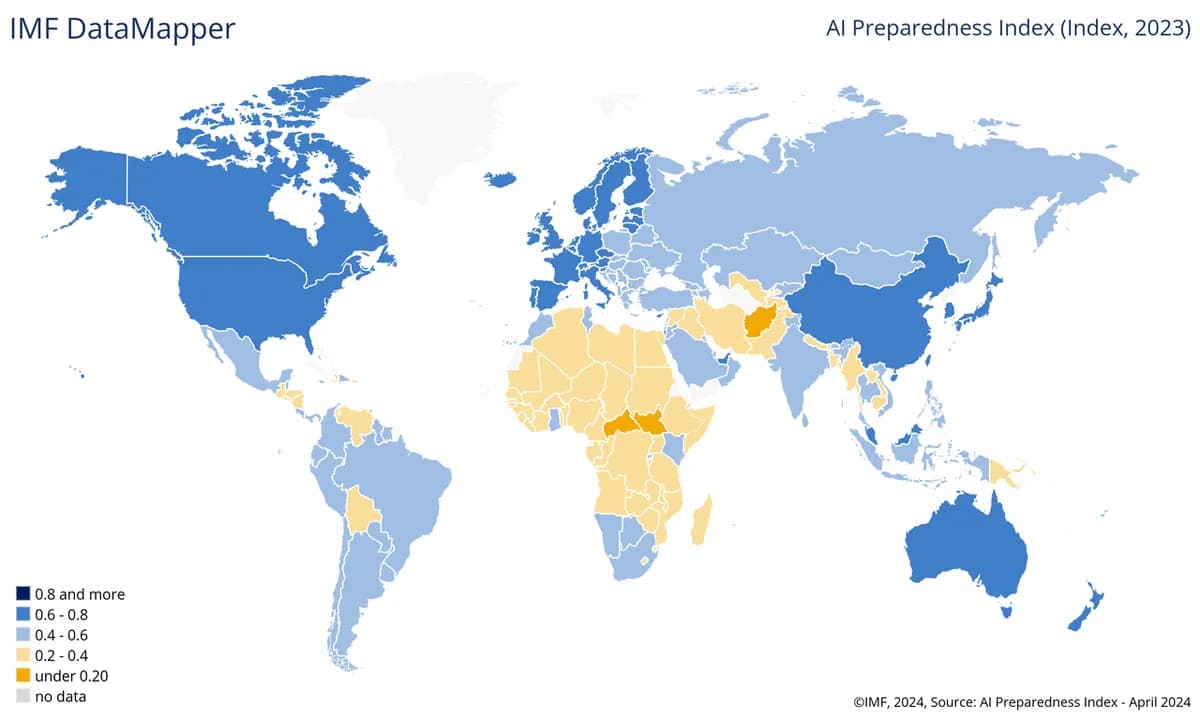
IMF 총재 "AI, 세계화의 전철 밟으면 안 된다"
IMF 게오르기에바 총재가 AI 혁명이 세계화의 실패를 반복할 위험이 있다고 경고했다.

Anthropic·OpenAI, '상시 작동' AI 코딩 에이전트 패권 경쟁
Anthropic이 Claude Code에 클라우드 기반 예약 자동 실행 기능 '루틴'을 출시했다.

스트라이프·패러다임 공동 개발 블록체인 '템포', 기업용 프라이버시 환경 '존' 출시
스트라이프·패러다임 공동 개발 블록체인 템포가 기업용 프라이버시 환경 '존(Zones)'을 출시했다.

중국, '인공 태양' BEST 핵융합로 건설 가속…2030년 상업 발전 도전
중국 허페이에서 BEST 핵융합 원자로 건설이 진행 중이며, 2027년 완공·2030년 발전 실증이 목표다.
UK PM Starmer Says He Was 'Furious' After Learning Sacked Ambassador Failed Security Vetting
PM Starmer says he was never told Mandelson failed security vetting, calling it unforgivable.