3-Month Hormuz Blockade Could Spike Manufacturing Costs by 11.8%
KIET Analysis: Petrochemicals Up 83%, Power 78%—Urgent Need for Integrated Monitoring System
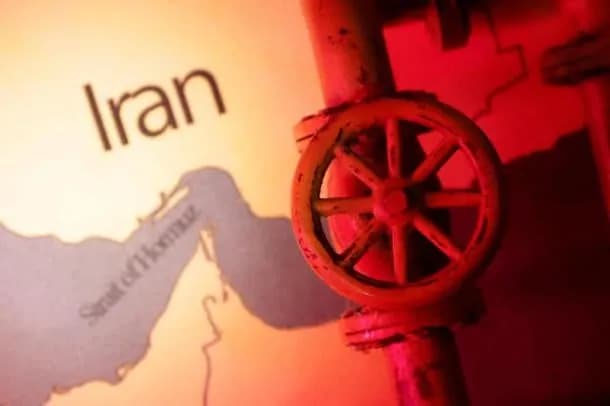
- •KIET projects that domestic manufacturing production costs could surge by 11.8% if the Hormuz Strait blockade continues for more than three months.
- •Petroleum product costs are expected to spike up to 83%, with electricity and gas rising 77.7%; some petrochemical companies have already invoked force majeure clauses.
- •KIET emphasizes the urgent need to diversify energy and raw material procurement and establish an integrated monitoring system centered on relevant government ministries.
Hormuz Strait Risk Poses Direct Threat to Korean Industry
The Korea Institute for Industrial Economics & Trade (KIET) released an analysis on the 19th projecting that if the Hormuz Strait blockade triggered by U.S.-Iran tensions extends beyond three months, domestic manufacturing production costs could surge by an average of 11.8%. The closure of this chokepoint—through which 27% of global crude oil and 22% of liquefied natural gas (LNG) pass—is expected to send serious shockwaves throughout the Korean economy.
According to the report, a blockade lasting over three months could drive petroleum product production costs up by as much as 83%, while electricity and gas costs could soar by 77.7%. Average industrial production costs are projected to rise by 9.4%, with the service sector also facing a 3.1% cost increase.
Impact Analysis by Scenario
KIET estimated period-specific impacts using a Linear Programming Model (LPM) analysis based on the Bank of Korea's input-output tables.
If the blockade ends within three weeks, oil prices are expected to reach $105-125 per barrel, with LNG prices rising an additional 60-90%. In this scenario, average production costs across all industries would increase by 4.21%, and manufacturing by 5.4%.
In a 1-3 month blockade scenario, oil prices could hit $120-160 per barrel, with LNG prices jumping 100-140%. If the situation extends beyond three months, oil prices may surge to $150-180 per barrel, and LNG prices could explode by 150-200%. In extreme circumstances, oil prices exceeding $200 per barrel are possible.
Industry-Specific Damage: Petrochemicals and Steel on the Front Lines
By sector, coal and petroleum products would face the heaviest impact. Under a blockade lasting over three months, production costs in this sector would spike by 83%. Electricity, gas, and steam costs would rise 77.71%, chemical products 14.84%, and non-metallic mineral products 12.09%.
Transportation services and primary metal products are projected to increase by 8.92%, mining products by 8.45%, and wood, paper, and printing by 7.42%. In fact, some petrochemical companies have already invoked force majeure clauses.
While key export items like semiconductors and automobiles face relatively lower direct cost impacts, the report warns that actual industrial damage could far exceed estimates if critical raw material supplies are disrupted.
Structural Vulnerabilities in Middle East-Dependent Supply Chains
Korea faces compound supply chain risks due to its high dependence on the Middle East for energy and manufacturing raw materials. Particularly concerning is that some industrial gases and chemical feedstocks are linked to petrochemical processes, meaning energy supply disruptions could trigger cascading effects on industrial material procurement.
Given Korea's industrial structure—which relies on imports for most crude oil and LNG—a Hormuz Strait blockade could lead not only to simple energy price increases but also to reduced manufacturing capacity utilization and weakened export competitiveness.
Response Measures [AI Analysis]
Byung Hyun-ji, senior researcher at KIET, emphasized that "there is a need to diversify energy sources and raw material procurement, and to establish an integrated monitoring system centered on relevant ministries that manages both energy and industrial material supply chains."
In the short term, emergency strategic petroleum reserves and alternative routes must be secured, while medium- to long-term diversification of energy sources beyond the Middle East is urgent. Proactive preparation for anticipated Middle East reconstruction demand following the crisis is also necessary.
The Korean government and industry must use this analysis as a basis to review emergency response systems for worst-case scenarios and strengthen supply chain risk management capabilities. An integrated approach that simultaneously secures energy security and industrial stability is particularly critical at this juncture.
댓글 (2)
기사 잘 봤습니다. 다른 시각의 분석도 읽어보고 싶네요.
Hormuz 관련 기사 잘 읽었습니다. 유익한 정보네요.
More in Global

Latest News
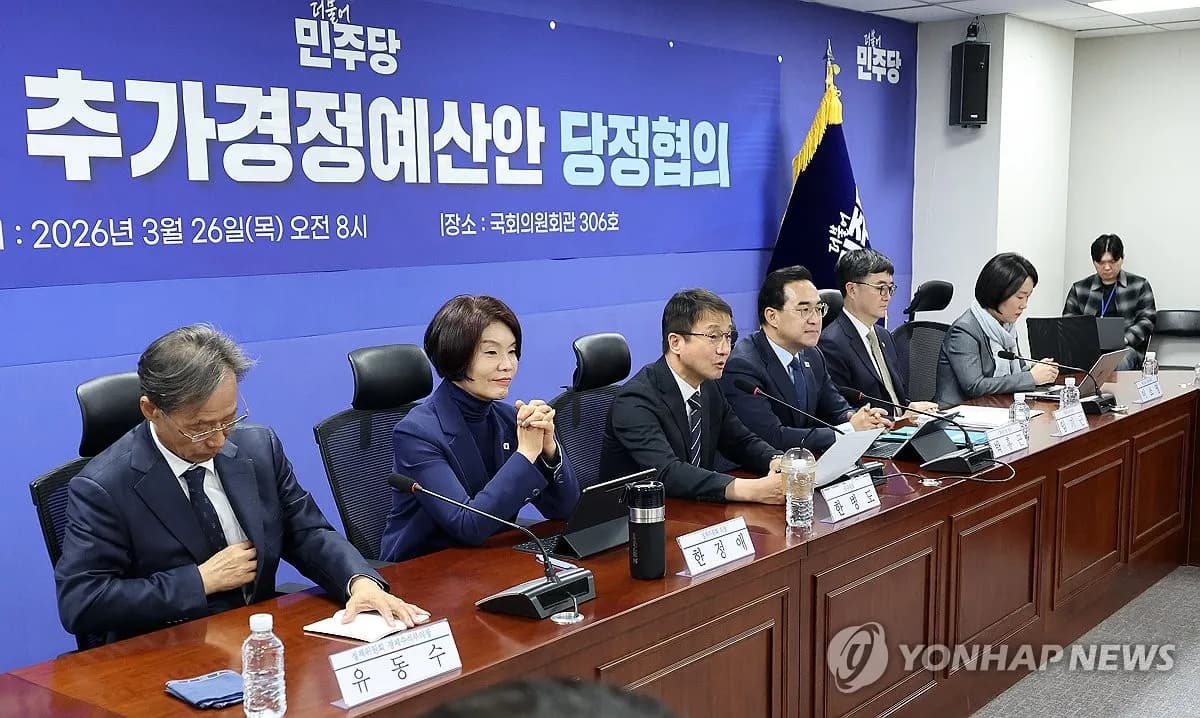
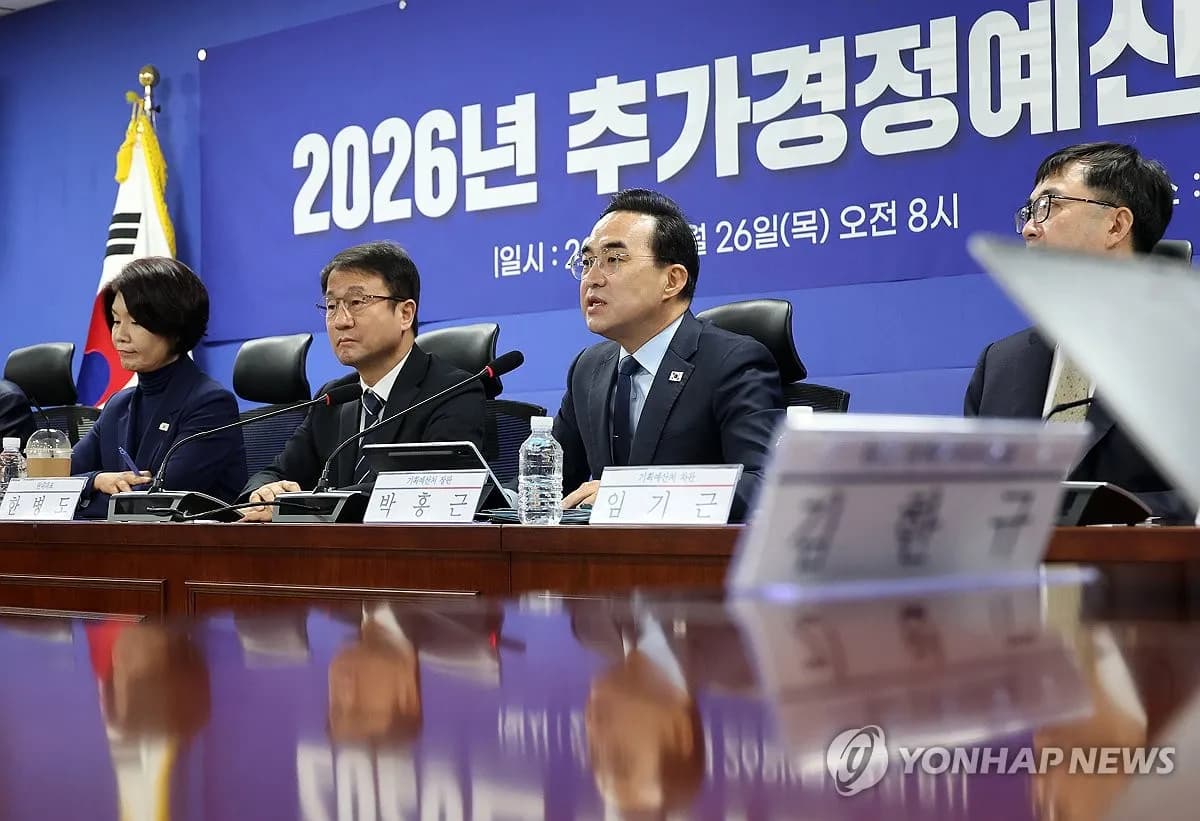
당정, 석유 최고가격제 손실 보전을 추경에 반영키로
당정이 석유 최고가격제 손실을 추경에 반영하기로 결정

6년 전 세 살 딸 살해한 30대 친모 구속송치
경찰, 6년 전 세 살 딸 살해 혐의 30대 친모를 구속송치

中企 수입 나프타의 80% 이상이 중동산…공급망 위기 심화
중소기업 수입 나프타의 80% 이상이 중동산으로 공급 의존도 높음

미·이란 긴장 한 달, 금융시장 요동…장기화 우려
미·이란 갈등으로 증시 변동성 확대, 코스피 6천 고지 후 등락

미·이란 전쟁 한 달, 미국 전문가 "종전·확전 기로"
미·이란 전쟁 1개월 도래, 종전·확전 기로 평가

미·이란 전쟁 1개월, 한국 안보·공급망 취약점 노출
미·이란 전쟁 장기화로 한국 안보·경제 취약점 노출