Planetary Parade Lights Up August Night Sky, Visible to Naked Eye
Six Planets Including Venus, Jupiter, Saturn, and Mercury Align in Rare Celestial Display—Last Chance This Year

- •A planetary parade featuring six planets—Venus, Jupiter, Saturn, Mercury, Uranus, and Neptune—is visible in the August dawn sky, marking the last such event of the year.
- •Four planets can be observed with the naked eye in the eastern sky just before sunrise, with this week providing the best viewing conditions.
- •This is the year's final planetary parade, with the next major alignment scheduled for February next year.
Six Planets Illuminate the Dawn Sky
A rare "planetary parade" phenomenon is unfolding throughout August, allowing observers to view six planets simultaneously in the pre-dawn sky. This is the year's final planetary parade, with this week offering optimal viewing conditions.
Venus, Jupiter, Saturn, and Mercury can be observed with the naked eye without special equipment, while Uranus and Neptune require binoculars or a telescope.
What Is a Planetary Parade?
A planetary parade is an astronomical phenomenon where multiple planets appear to line up in the night sky. While the frequency varies depending on the number of participating planets, it occurs roughly once a year, making it a relatively common occurrence.
According to NASA, weather permitting, at least one bright planet can be observed on most nights. In January of this year, six planets were visible simultaneously, and in February, all planets in our solar system appeared in the sky, though not all were visible to the naked eye.
Optimal Viewing Times and Methods
Carolyn Sumners from the Houston Museum of Natural Science explains, "Jupiter and Venus came very close together early this week and appear together in the eastern sky like cat's eyes."
Viewing Tips:
- Time: Just before sunrise at dawn
- Direction: Eastern sky
- Sequence: Locate Venus and Jupiter first, Saturn to the side, and Mercury near the horizon
- Characteristics: Look for small, bright points of light that don't twinkle like stars
Justin Bartel from the Virginia Science Museum advises, "You're looking for very small points of light, but the brightest ones," adding that "they don't twinkle like stars."
Prime Opportunity for Mercury Observation
Mercury reaches its greatest distance from the Sun on Tuesday morning, offering the best viewing window before it becomes obscured by the Sun's glare. Later this month, Mercury will slip behind the Sun again, but the crescent moon is expected to join the planetary parade.
Observation Tips
For successful viewing:
- Choose a clear, cloudless morning
- Find a location away from tall buildings that could obstruct your view
- Look for lights that are brighter than stars but don't twinkle
The next major planetary alignment is scheduled for February next year, so missing this opportunity means waiting quite a while to witness such a spectacular display again.
댓글 (3)
흥미로운 주제입니다. 주변에도 공유해야겠어요.
기사 잘 봤습니다. 다른 시각의 분석도 읽어보고 싶네요.
간결하면서도 핵심을 잘 정리한 기사네요.
More in Life
Beyond Vaccines: Refusal of Newborn Vitamin K Shots Spreads
NASA Restores Historic 80-Year-Old 'Hangar One' at Ames Research Center
NASA X-59 Supersonic Experimental Aircraft Completes Second Test Flight Successfully
Australian Researchers Develop World's First Quantum Battery Prototype
The Ocean Was the True Driver of 3 Million Years of Climate Change

Heat Waves to Cause 700,000 Premature Deaths by 2050… Climate Crisis Undermines Exercise Habits
Latest News

이스라엘, 헤즈볼라 무기 통로 레바논 다리 공습
이스라엘군, 헤즈볼라 무기 통로 레바논 다리 공습
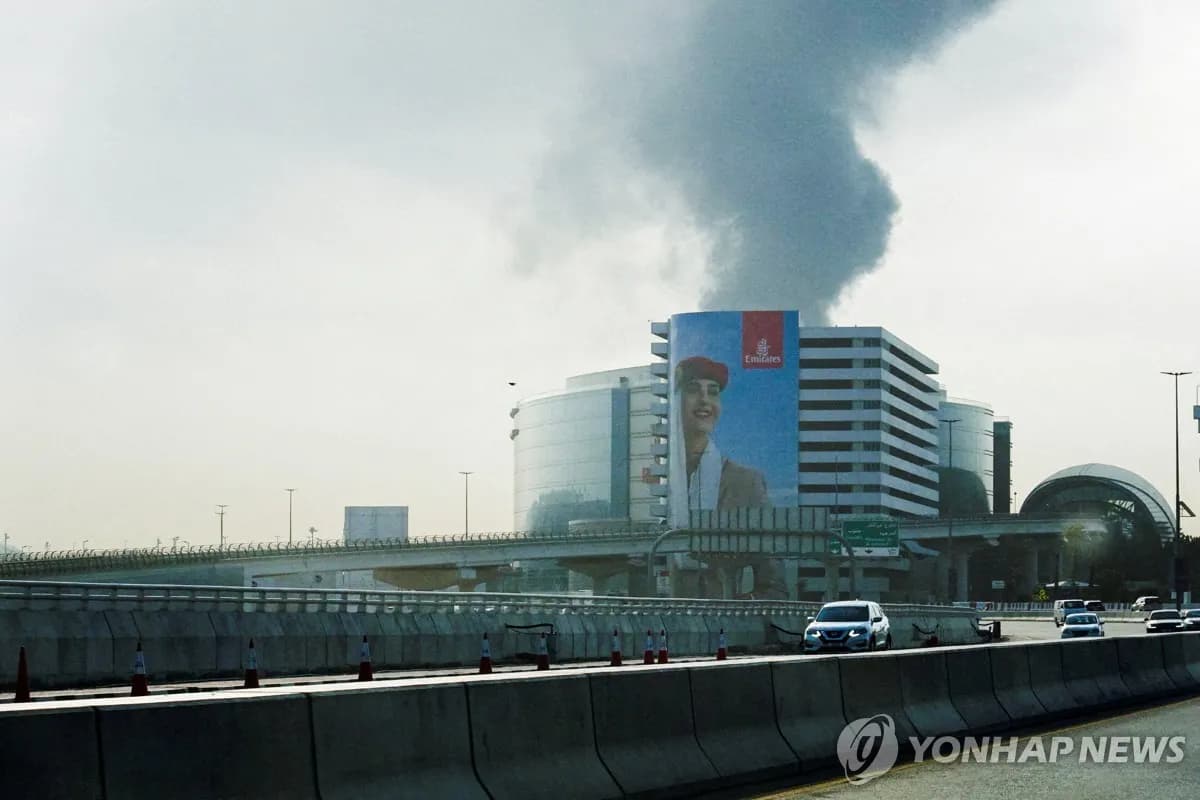
중동행 전세기 전쟁보험료 최고 7천500만원
중동행 전세기 전쟁보험료가 최고 5만달러(7천500만원)로 상승

이란 탄도미사일, 이스라엘 방어망 뚫고 160명 부상
이란 탄도미사일이 이스라엘 방공망을 통과해 160명 부상
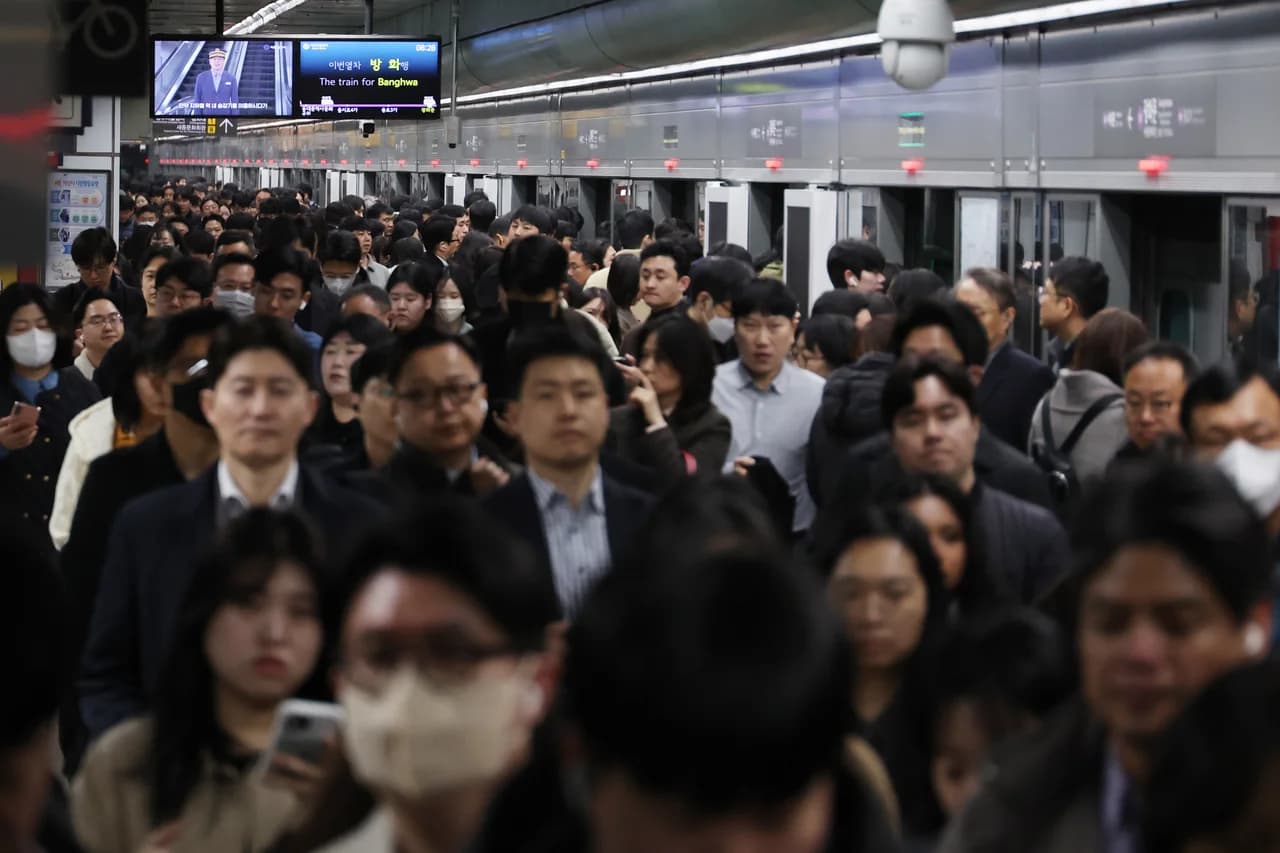
Middle East Conflict Drives Manufacturing Outlook to 10-Month Low
The Korea Institute for Industrial Economics & Trade survey shows April manufacturing outlook PSI plummeted to 88, falling below baseline for the first time in 10 months.

Lee Jae-myung Administration Excludes Multi-Home Officials from Real Estate Policymaking
President Lee Jae-myung has ordered the exclusion of multi-home owning public officials from all real estate policy processes.

Southeast Asia Growth Forecasts Cut Amid Oil Price Surge, Threatening Korean Exports
Maybank Research has downgraded ASEAN-6's 2026 growth forecast from 4.8% to 4.5%.

Volkswagen CEO Says Germany Should Learn from China's Industrial Strategy
Volkswagen CEO stated that Germany should learn from China's systematic industrial planning approach.

Reddit Considers Face ID to Block Bots While Maintaining Anonymity
Reddit is considering implementing biometric authentication systems such as Face ID and Touch ID to block AI bots while maintaining anonymity.