A City Without Ground: Hong Kong's Elevated Networks After 14 Years
Climate, commerce, and publicness intersect in the evolution of Hong Kong's second-storey urbanism
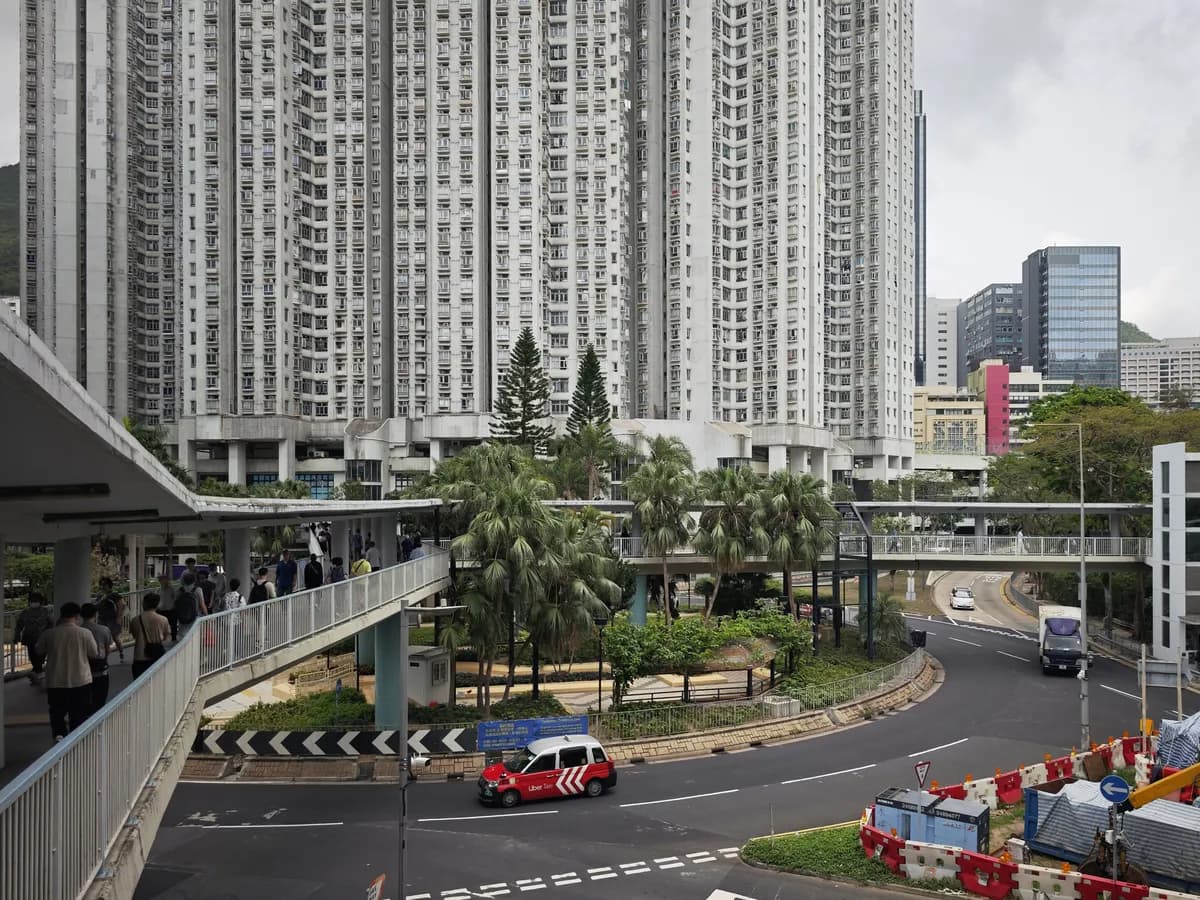
- •Hong Kong's elevated pedestrian network keeps expanding, with new connections in Central linked to the Central Yard development.
- •Climate, commercial logic, and steep topography together drive the continued growth of the city's aerial walkways.
- •Growing concerns over eroding street-level civic life are prompting calls for designs that reconnect the ground and the air.
A City Lifted Off the Ground
A new elevated pedestrian connection has opened in Hong Kong's Central district, linked to Henderson Land's large-scale Central Yard development. More than a routing addition, it signals that Hong Kong's aerial walkway network—a vast second-storey city of skybridges and elevated passages—shows no signs of slowing.
Why Hong Kong Keeps Walking Above Ground
Three forces drive this expansion. First, climate: Hong Kong's summers are punishing, with heat indices approaching 40°C and high humidity that make street-level walking a health hazard. Air-conditioned or shaded elevated corridors offer genuine thermal relief. Second, commercial logic: elevated walkways extend commercial frontage beyond the ground floor by connecting offices and malls seamlessly. In Causeway Bay, Hysan Development's Lee Gardens cluster—seven buildings, soon eight—is being redesigned as a more continuous elevated pedestrian system. When visitors can move between buildings without descending to street level, dwell time and spending increase. Third, topography: Hong Kong Island's steep hills make flat circulation an engineering achievement, and elevated networks serve as topographic connectors.
The 2012 Diagnosis and Today's Reality
The 2012 guidebook Cities Without Ground: A Hong Kong Guidebook systematically documented what residents feel intuitively: that daily life is routinely lifted off the street. Its core insight was that the elevated network had become a structural principle reorganizing public space itself, not merely a traffic-avoidance device.
Fourteen years on, that diagnosis remains valid. In the Central-Admiralty-Sheung Wan corridor, networks continue to thicken. The forthcoming Central Yard groundscraper will deliver yet another round of linkages. Major developments now arrive not as standalone buildings but as additions to an existing stratified circulation system.
The concern is that these routes primarily serve white-collar professionals on weekdays—people who can resolve meetings, lunches, and errands without ever touching the ground. The street, progressively bypassed, loses its function as a civic stage. When architects no longer need to negotiate pedestrian scale and active frontage at ground level, cities risk hardening into podium clusters and sealed megastructures that perform connectivity at Level 2 while remaining indifferent to the neighborhood at Level 0.
Looking Ahead [Expert Analysis]
Architectural and urban planning discourse is likely to push for a design shift: away from aerial networks that avoid the ground, toward configurations that actively stitch back down through stairs, ramps, and public rooms. The idea that the second-storey city should reinforce rather than replace street life is gaining traction.
The question of publicness will likely intensify as a policy matter. Most elevated routes pass through private property, making questions of access—for workers, tourists, and lower-income residents—an increasingly urgent governance issue. As Hong Kong pursues a new generation of development projects under climate pressure and urban density, the aerial network's expansion will likely continue. Whether that expansion abandons the street or forges a new symbiosis with it remains the defining question for the city's spatial future.
댓글 (37)
유익한 기사네요. City 관련 해외 동향도 궁금합니다. 해외 동향도 함께 다뤄주시면 좋겠습니다.
Without 관련 배경 설명이 이해하기 쉬웠습니다. 주변에도 공유해야겠어요.
Ground:의 향후 전망이 궁금합니다.
몰랐던 사실을 알게 됐습니다. 홍콩에 대해 처음 접하는 정보가 있었습니다. 후속 기사 부탁드립니다.
도시설계이 일상에 어떤 영향을 줄지 생각해보게 됩니다.
기사 잘 읽었습니다.
Without 주제로 시리즈 기사가 나오면 좋겠습니다.
좋은 정리입니다. Ground: 관련 배경 설명이 이해하기 쉬웠습니다.
홍콩 관련 데이터가 인상적이었습니다.
정리가 깔끔하네요.
City이 일상에 어떤 영향을 줄지 생각해보게 됩니다.
Without이 앞으로 어떻게 전개될지 주목해야겠습니다.
매일 여기서 뉴스 보고 있어요.
흥미로운 주제입니다. 홍콩이 앞으로 어떻게 전개될지 주목해야겠습니다. 나중에 다시 읽어볼 만합니다.
도시설계 관련 용어 설명이 친절해서 좋았습니다.
City에 대해 주변 사람들과 이야기 나눠볼 만합니다.
Without 관련 데이터가 인상적이었습니다. 나중에 다시 읽어볼 만합니다.
이런 시각도 있었군요. Ground:에 대해 처음 접하는 정보가 있었습니다.
홍콩 관련 데이터가 인상적이었습니다. 생각이 바뀌었습니다.
잘 읽었습니다. 도시설계 관련 통계가 의외였습니다. 나중에 다시 읽어볼 만합니다.
깔끔한 기사입니다. City 관련 통계가 의외였습니다.
Without 관련 용어 설명이 친절해서 좋았습니다.
Ground:의 향후 전망이 궁금합니다. 후속 기사 부탁드립니다.
아침에 읽기 딱 좋은 분량이에요.
도시설계의 전문가 코멘트가 설득력 있었습니다.
좋은 정리입니다. City 기사에서 언급된 사례가 흥미로웠습니다. 나중에 다시 읽어볼 만합니다.
좋은 정리입니다. Without에 대해 처음 접하는 정보가 있었습니다.
Ground:에 대해 더 알고 싶어졌습니다. 계속 지켜봐야겠습니다.
홍콩에 대해 주변 사람들과 이야기 나눠볼 만합니다. 잘 정리된 기사네요.
기자님 수고하셨습니다.
흥미로운 주제입니다. City에 대해 주변 사람들과 이야기 나눠볼 만합니다. 주변에도 공유해야겠어요.
잘 읽었습니다. Without에 대한 다른 매체 보도와 비교해봐도 잘 정리되어 있습니다. 다른 시각의 분석도 읽어보고 싶습니다.
참고가 됩니다. Ground: 관련 통계가 의외였습니다. 전문가 의견도 더 듣고 싶습니다.
홍콩에 대해 더 알고 싶어졌습니다.
읽기 좋은 기사입니다. 도시설계에 대해 주변 사람들과 이야기 나눠볼 만합니다.
다른 기사도 기대하겠습니다.
Without 관련 데이터가 인상적이었습니다.
More in Culture & Art
The Readymade's Question Remains Unanswered: Duchamp Returns to New York
Roca's Avant Toilet Merges Tank and Bowl to Reinvent Bathroom Space
When the Jungle Swallowed Concrete: The Paradox of London's Barbican Conservatory
Madrid's Blue Pool Reborn as a Green Pond
BIG Unveils Nashville Performing Arts Center Design Along the Cumberland River
Two New Homes in the Heart of Potsdam's Historic Center
Latest News
10일 연속 랠리 멈춘 글로벌 증시, S&P 500 사상 첫 7,000 돌파
MSCI 전세계 지수가 10일 연속 상승 후 사상 최고치를 기록하고 0.1% 하락 반전했다.
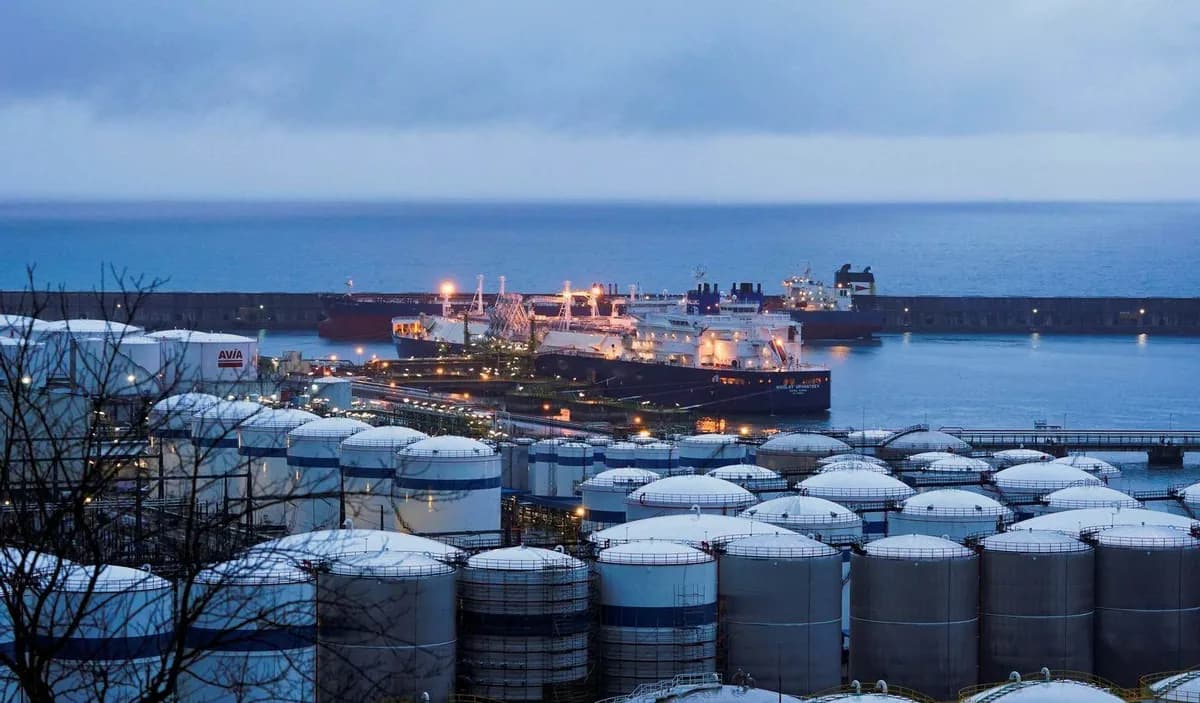
이란 휴전 만료 D-5, 유럽 가스 가격 2% 급등
미-이란 휴전 만료 임박에 유럽 TTF 가스 가격이 2% 급등했다.
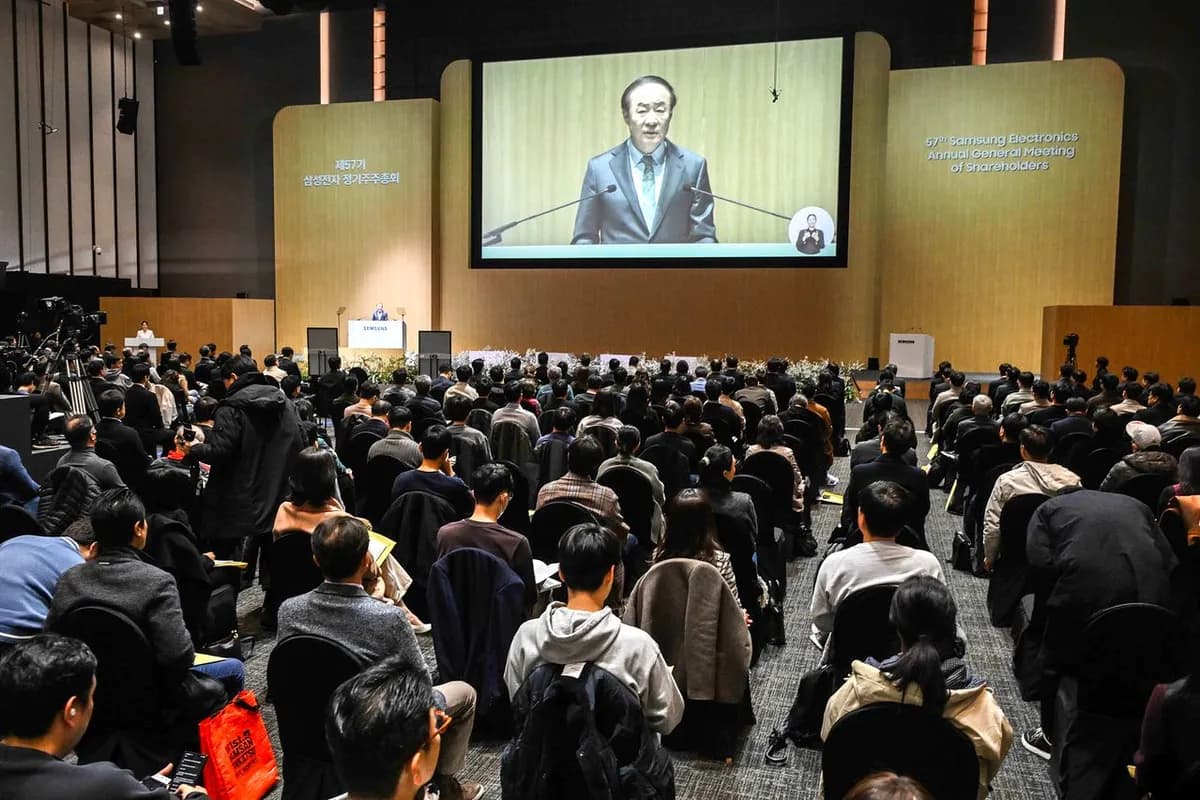
삼성전자, 5년 만에 특별배당 포함 3조 7500억 원 지급
삼성전자가 5년 만에 특별배당 포함 총 3조 7500억 원을 지급했다.
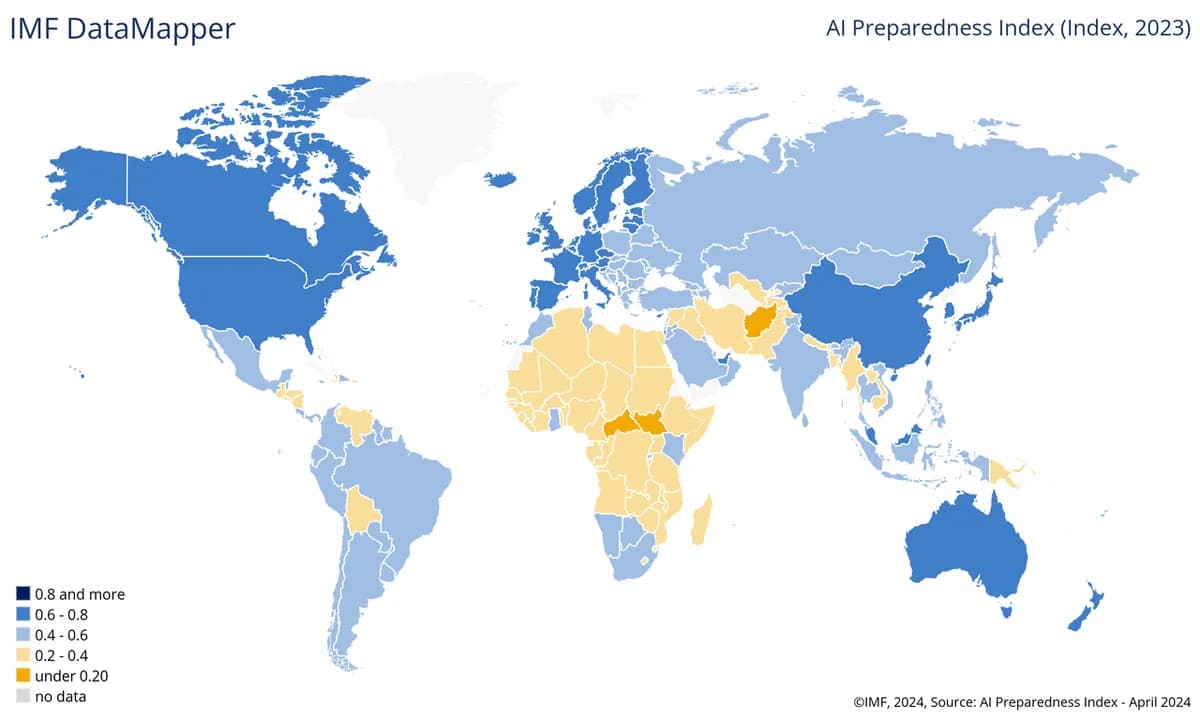
IMF 총재 "AI, 세계화의 전철 밟으면 안 된다"
IMF 게오르기에바 총재가 AI 혁명이 세계화의 실패를 반복할 위험이 있다고 경고했다.

Anthropic·OpenAI, '상시 작동' AI 코딩 에이전트 패권 경쟁
Anthropic이 Claude Code에 클라우드 기반 예약 자동 실행 기능 '루틴'을 출시했다.
스트라이프·패러다임 공동 개발 블록체인 '템포', 기업용 프라이버시 환경 '존' 출시
스트라이프·패러다임 공동 개발 블록체인 템포가 기업용 프라이버시 환경 '존(Zones)'을 출시했다.
중국, '인공 태양' BEST 핵융합로 건설 가속…2030년 상업 발전 도전
중국 허페이에서 BEST 핵융합 원자로 건설이 진행 중이며, 2027년 완공·2030년 발전 실증이 목표다.

ICIJ Exposes Merck's Keytruda Pricing Strategy and Patent Abuse
ICIJ's Cancer Calculus investigation exposes Merck's Keytruda pricing and patent strategies.