AI Writing Era Shakes the Value of University Graduation Theses
Dutch Universities Struggle to Detect ChatGPT Cheating… 'Cannot Distinguish Between Student Skills and AI Skills'

- •Over 80% of Dutch university students use AI chatbots like ChatGPT for academic work, particularly for writing assistance
- •A University of Amsterdam student had their graduation thesis invalidated for AI misconduct but was cleared due to procedural errors, highlighting the difficulty of proof
- •Universities face technical limitations in detecting AI-generated content and a crisis in degree value credibility, necessitating complete redesign of evaluation systems
Student Who Used AI for Graduation Thesis Released After Appeal
A student at the University of Amsterdam (UvA) had their graduation thesis invalidated and was ordered to rewrite it. The supervisor raised suspicions of AI use, and the examination committee accepted this conclusion. However, the student appealed with a lawyer present, and the disciplinary action was ultimately nullified due to procedural errors.
One Thursday morning in December 2024, the student sat in a conference room at the Maagdenhuis, UvA's main building, facing four examination committee members. Committee chair Han Peters stated there was "no room for doubt" and presented the following evidence:
- Poor English suddenly transformed into academically excellent English
- Student unable to properly explain their own thesis during oral examination
- Multiple paragraphs flagged as AI-generated by AI detection systems
However, as Peters himself acknowledged, AI use is "difficult to prove," and only "catching them red-handed behind a laptop" provides definitive evidence. After a 20-minute deliberation, the student was cleared due to procedural defects.
Four Out of Five University Students Using AI Chatbots
According to a survey of 1,633 students conducted by Utrecht University, over 80% of students have experience using AI chatbots like ChatGPT for their studies. Students are using AI for purposes such as:
- Creating summaries
- Answering questions
- Brainstorming
- Writing assistance
ChatGPT has become such a routine learning tool among students that it's affectionately called 'Chat.' The problem is that this technology is fundamentally different from calculators, spell checkers, and translation programs.
Generative AI doesn't simply process information—it generates ideas, constructs logic, and writes sentences independently. This directly threatens the core values of university education: developing 'independent thinking,' 'critical reasoning,' and 'creative problem-solving' abilities.
What Has Changed: Before vs. Now
| Item | Pre-AI Era | Generative AI Era |
|---|---|---|
| Writing assistance tools | Spelling/grammar check, translation | Idea generation, logic construction, professional writing |
| Detecting misconduct | Relatively easy with plagiarism detection software | Technical limitations in detecting AI generation |
| Professors' evaluation criteria | Direct assessment of student writing skills | Cannot distinguish student vs. AI |
| Degree credibility | Proof of student's own competence | Actual competence uncertain |
Dutch Universities Face 'Dilemma' in Detecting AI Misconduct
The NRC media outlet conducted a survey targeting humanities and literature departments at the four major Dutch universities (University of Amsterdam, Utrecht University, Leiden University, and Radboud University). These departments were selected because writing is central to the curriculum.
The survey revealed universities facing the following dilemmas:
1. Limitations of Detection Technology AI detection software shows high false positive rates and is difficult to use as legal evidence. Some students have learned methods to evade detection by slightly modifying AI-generated text.
2. Difficulty of Burden of Proof Without "catching them red-handed behind a laptop," securing definitive evidence is difficult. When students claim "I didn't use AI," there's insufficient conclusive evidence to refute this.
3. Confusion in Educational Philosophy Some professors argue "we must change teaching methods to suit the AI era," while others counter that "traditional writing skills are still essential."
4. Crisis of Degree Value Credibility If diplomas cannot distinguish whether they certify students' own competence or their effective use of AI, the social value of degrees themselves may decline.
[AI Analysis] Complete Redesign of University Evaluation Systems Inevitable
The emergence of generative AI poses fundamental questions to university evaluation systems that have been maintained for over 300 years. Universities are likely to evolve in the following directions:
Short-term Response (1-2 years)
- Increase proportion of oral exams and real-time writing tests
- Establish guidelines clearly defining the scope of AI use
- Strengthen one-on-one face-to-face evaluations between professors and students
Medium-term Strategy (3-5 years)
- Include AI utilization ability as an evaluation criterion (e.g., "conducting deeper research using AI as a tool")
- Shift to process-centered evaluation (recording intermediate processes, not just final outputs)
- Introduce blockchain-based learning history tracking systems
Long-term Vision (5+ years)
- Redefine the meaning of university degrees: shift focus from knowledge acquisition to 'problem definition,' 'ethical judgment,' and 'collaboration' abilities
- Establish new academic competency standards for coexistence with AI
- Transition to lifelong learning systems (continuous competency verification rather than one-time degrees)
The Dutch universities' case has significant implications for Korean universities as well. Simply prohibiting AI use won't solve the problem; what's needed is rethinking what education fundamentally means and redesigning evaluation systems from the ground up. Universities in the AI era must evolve into institutions that assess not 'what you know' but 'what you can do' and 'how you judge.'
댓글 (4)
기사 잘 봤습니다. 다른 시각의 분석도 읽어보고 싶네요.
좋은 의견이십니다.
간결하면서도 핵심을 잘 정리한 기사네요.
공감합니다. 참고하겠습니다.
More in this series
More in AI & Tech

Czech Drone Factory Fire Under Investigation for Terrorism

Trump Slams NATO Allies as 'Cowards' Over Strait of Hormuz Refusal

Google Unveils Gemini 3.1 Flash-Lite Optimized for High-Volume Processing
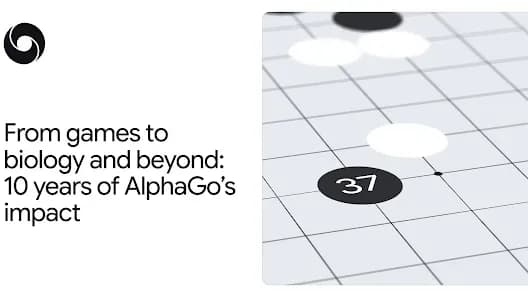
From Go AI to Life Sciences: AlphaGo's 10-Year Journey

Google DeepMind Unveils Framework for Measuring AGI Evolution

Perplexity Launches 'Comet' AI Browser for iPhone
Latest News

Santo Domingo's Malecón Sports Park Construction Progressing Smoothly
Construction of a soccer field and skate park is progressing smoothly in the Malecón area of Santo Domingo, Dominican Republic.

Beyond Vaccines: Refusal of Newborn Vitamin K Shots Spreads
Half of newborns at an Idaho hospital did not receive vitamin K injections due to parental refusal.

US Military Strikes Iranian Facilities Threatening Strait of Hormuz
US military strikes Iranian underground missile facilities near the Strait of Hormuz
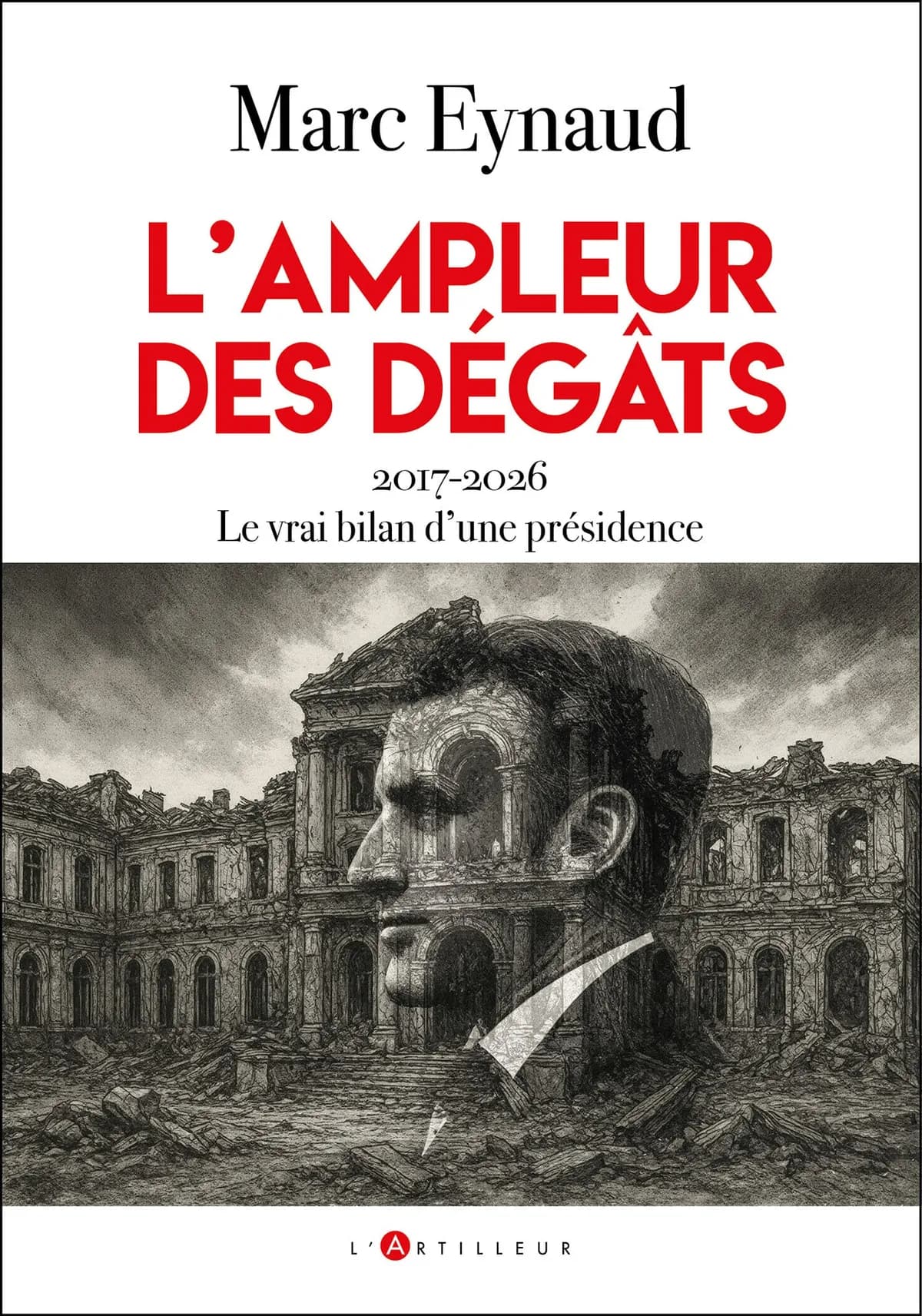
The Corsican Mafia Exposed: Breaking a Century of Silence
Citizens in Corsica, France have begun publicly denouncing the mafia problem that has been taboo for decades.

UFC 313: Jones vs. Aspinall Heavyweight Title Fight Confirmed
UFC 313 confirmed for March 8: Jon Jones vs. Tom Aspinall heavyweight title fight

Black Combat: A New Leap for Korean MMA Promotion
Black Combat is rapidly growing as one of the top three domestic MMA promotions, securing a young fan base through digital marketing

Russia Anticipates Economic Gains from US-Iran Conflict
US-Iran tensions drive international oil prices up, increasing Russia's energy export revenues
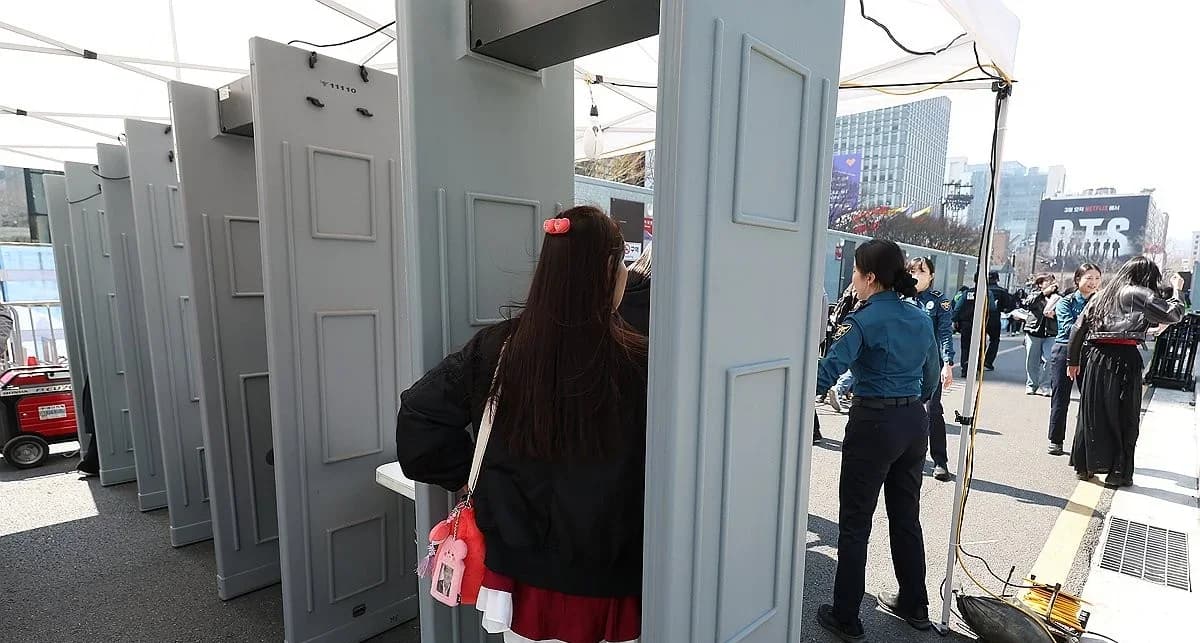
Gas Sprayer Detected at BTS Comeback Concert Venue Metal Detector
Woman in her 50s caught carrying gas sprayer at BTS comeback concert venue