AI Investment Bubble Warning: Even OpenAI CEO Admits Market Overheating
Sam Altman's remarks about 'overly excited investors' trigger AI market reassessment
- •OpenAI CEO Sam Altman directly warned about AI investment market overheating, stating that 'someone is going to lose an enormous amount of money.'
- •Despite astronomical AI investments by Big Tech companies like NVIDIA, Google, and Meta, viable revenue models remain unclear.
- •Experts raise concerns about patterns similar to the dotcom bubble and suggest the possibility of market correction within 2-3 years.
OpenAI CEO's Shocking Warning
One of artificial intelligence (AI) market's biggest beneficiaries has directly warned about investment overheating. Sam Altman, CEO of OpenAI valued at $500 billion (approximately 750 trillion won), recently told the press that "investors are excessively excited about AI."
Altman warned that "when speculative bubbles form, even smart people get swept up in the fervor," adding that "someone is going to lose an enormous amount of money." This acknowledgment of market overheating from a leading figure in the AI industry has sent shockwaves through the sector.
The Reality Behind the AI Investment Frenzy
Astronomical amounts of capital are currently flowing into the AI market. NVIDIA's market capitalization has surpassed $3 trillion, while Big Tech companies including Google (Alphabet), Apple, Meta, Amazon, and Tesla are pouring tens of billions of dollars into AI infrastructure.
Companies like SoftBank, Oracle, and Intel have also announced massive AI investments. Even traditional manufacturers like Ford are allocating enormous funds for AI transformation, and financial institutions such as JPMorgan Chase are actively adopting AI technology.
However, viable revenue models remain unclear despite the scale of investment. The Wall Street Journal (WSJ) pointed out that AI companies' performance falls far short of their investment levels. Nobel Prize-winning economist Paul Krugman warned that "the AI bubble could be more serious than the dotcom bubble."
Historical Context of Technological Optimism
This pattern of overheating has historically repeated itself. During the 2000 dotcom bubble, internet companies were valued astronomically without any earnings, only to see most eventually collapse. Just before the 2008 financial crisis, subprime mortgages were packaged as "innovative financial products," inflating a bubble.
Concerns are growing that the AI investment frenzy is following a similar trajectory. Technology critic Ed Zitron noted that "most of the innovations promised by AI companies have not materialized," pointing out that "investors are betting on expectations rather than reality."
Historically, technological revolutions did occur, but most early investors suffered losses. While the 1990s internet revolution ultimately transformed society, most investors who bought internet company stocks at that time lost money. Experts diagnose that while AI could also change the world in the long term, current investment valuations are excessive.
Light and Shadow of Infrastructure Construction Competition
AI companies are pouring massive funds into data centers and semiconductor purchases. Giant data centers are being built across the United States, including Memphis and western Pennsylvania, and even the Three Mile Island nuclear power plant is being considered for restart to supply power to AI data centers.
However, whether this infrastructure will actually generate profits remains uncertain. AI companies like Palantir Technologies rely on government and military contracts, with civilian sector monetization progressing slowly. JPMorgan CFO Marianne Lake stated that "it's difficult to predict when AI investment will convert into actual revenue."
China's AI rise is also a variable. China is threatening U.S. companies' market dominance by building its own AI ecosystem. Chinese companies developing independent AI models within the Great Firewall are also actively expanding into emerging markets like Latin America.
Future Outlook [AI Analysis]
The AI market is highly likely to enter a correction phase within the next 2-3 years. If performance improvements don't occur while investment capital continues flowing in, valuation reassessment will be inevitable.
However, AI technology development itself is expected to continue long-term. Just as the internet industry eventually became mainstream after the 1990s dotcom bubble burst, AI will also see companies that create real value survive and lead the industry after bubble correction.
Investors need a selective approach. Rather than blindly jumping on the AI bandwagon as Sam Altman warned, the ability to identify companies with actual revenue models and technological differentiation will become crucial. As Paul Krugman put it, "real gems exist even within bubbles," and finding them is key.
댓글 (3)
AI 문제는 양쪽 입장을 모두 들어봐야 할 것 같습니다.
균형 잡힌 시각이 필요하다는 데 동의합니다.
이 사안은 신중하게 접근해야 한다고 봅니다.
More in Economy
Middle East Conflict Drives Manufacturing Outlook to 10-Month Low

Lee Jae-myung Administration Excludes Multi-Home Officials from Real Estate Policymaking
Volkswagen CEO Says Germany Should Learn from China's Industrial Strategy

Russia Anticipates Economic Gains from US-Iran Conflict
U.S. Federal Reserve Unveils Bank Capital Regulation Modernization Plan
Federal Reserve Announces Enforcement Actions Against Two Former Bank Employees
Latest News
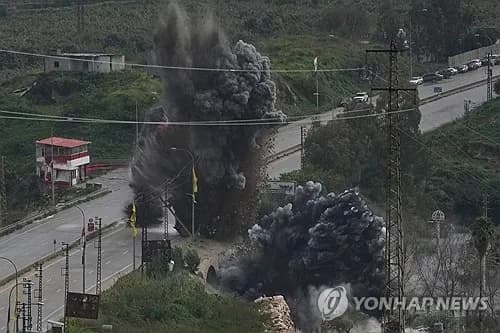
이스라엘, 헤즈볼라 무기 통로 레바논 다리 공습
이스라엘군, 헤즈볼라 무기 통로 레바논 다리 공습
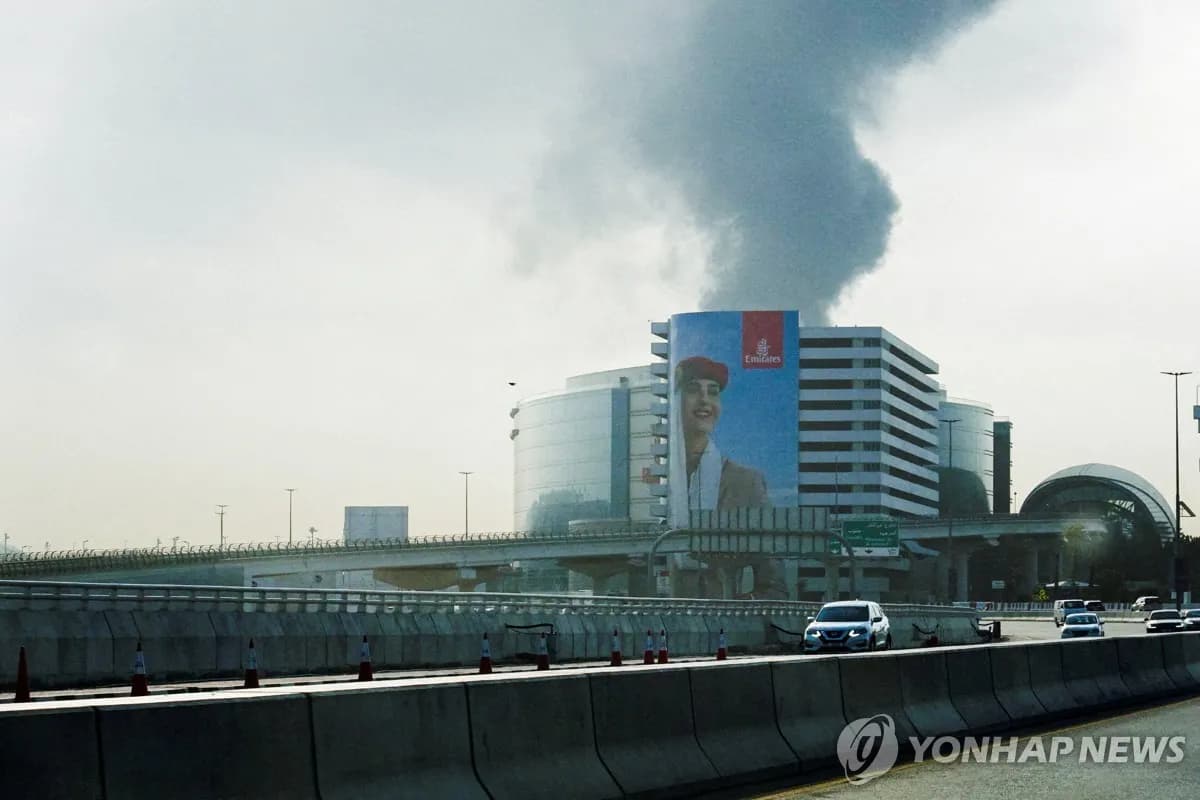
중동행 전세기 전쟁보험료 최고 7천500만원
중동행 전세기 전쟁보험료가 최고 5만달러(7천500만원)로 상승

이란 탄도미사일, 이스라엘 방어망 뚫고 160명 부상
이란 탄도미사일이 이스라엘 방공망을 통과해 160명 부상

Southeast Asia Growth Forecasts Cut Amid Oil Price Surge, Threatening Korean Exports
Maybank Research has downgraded ASEAN-6's 2026 growth forecast from 4.8% to 4.5%.

Reddit Considers Face ID to Block Bots While Maintaining Anonymity
Reddit is considering implementing biometric authentication systems such as Face ID and Touch ID to block AI bots while maintaining anonymity.
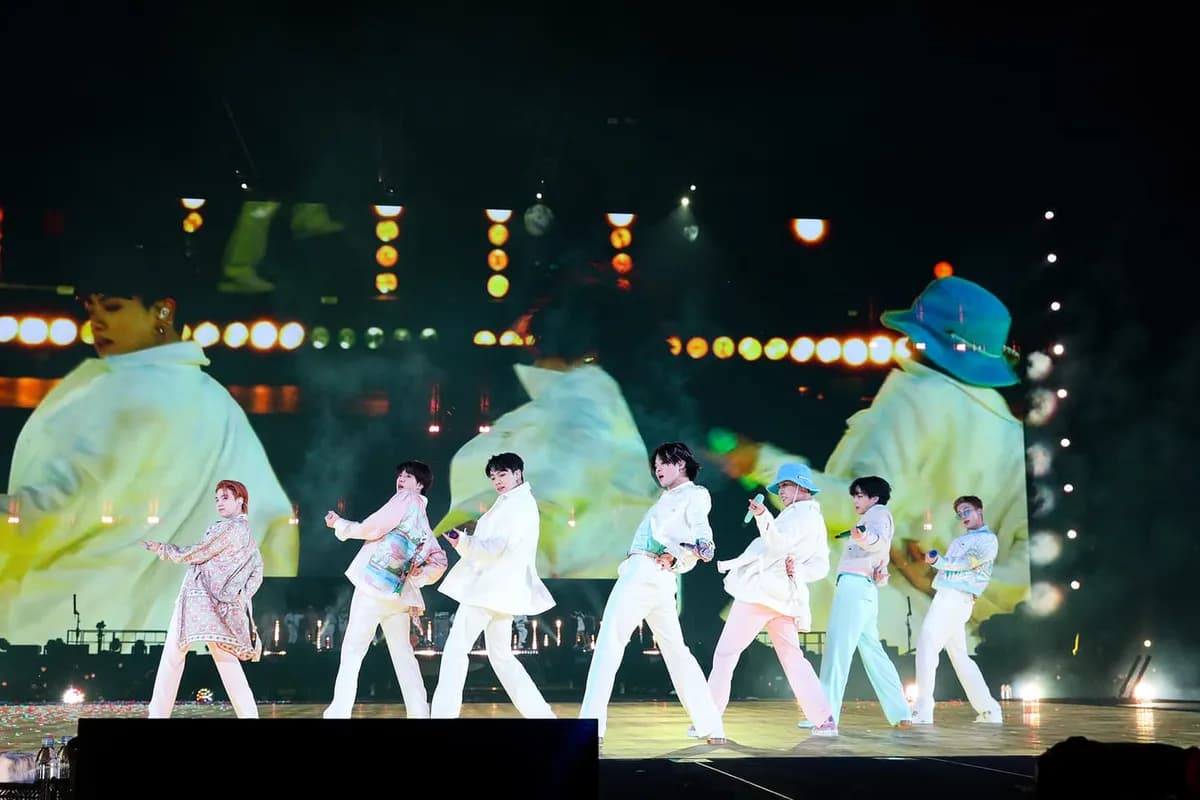
BTS Tops March Artist Brand Reputation Rankings with First Full Group Comeback in 4 Years
BTS ranked first in the Korean Corporate Reputation Research Institute's March Artist Brand Reputation Rankings based on 99 million data points.

Santo Domingo's Malecón Sports Park Construction Progressing Smoothly
Construction of a soccer field and skate park is progressing smoothly in the Malecón area of Santo Domingo, Dominican Republic.

Pogačar Overcomes Crash to Win Milano-Sanremo, Achieves Four Monument Victories
Tadej Pogačar defeated Tom Pidcock to win Milano-Sanremo, achieving his fourth Monument victory.