Ancient Egyptian Craftsmen Used 'Correction Fluid' 3,300 Years Ago
Cambridge Museum Discovers White Pigment Correction Traces on Book of the Dead Papyrus
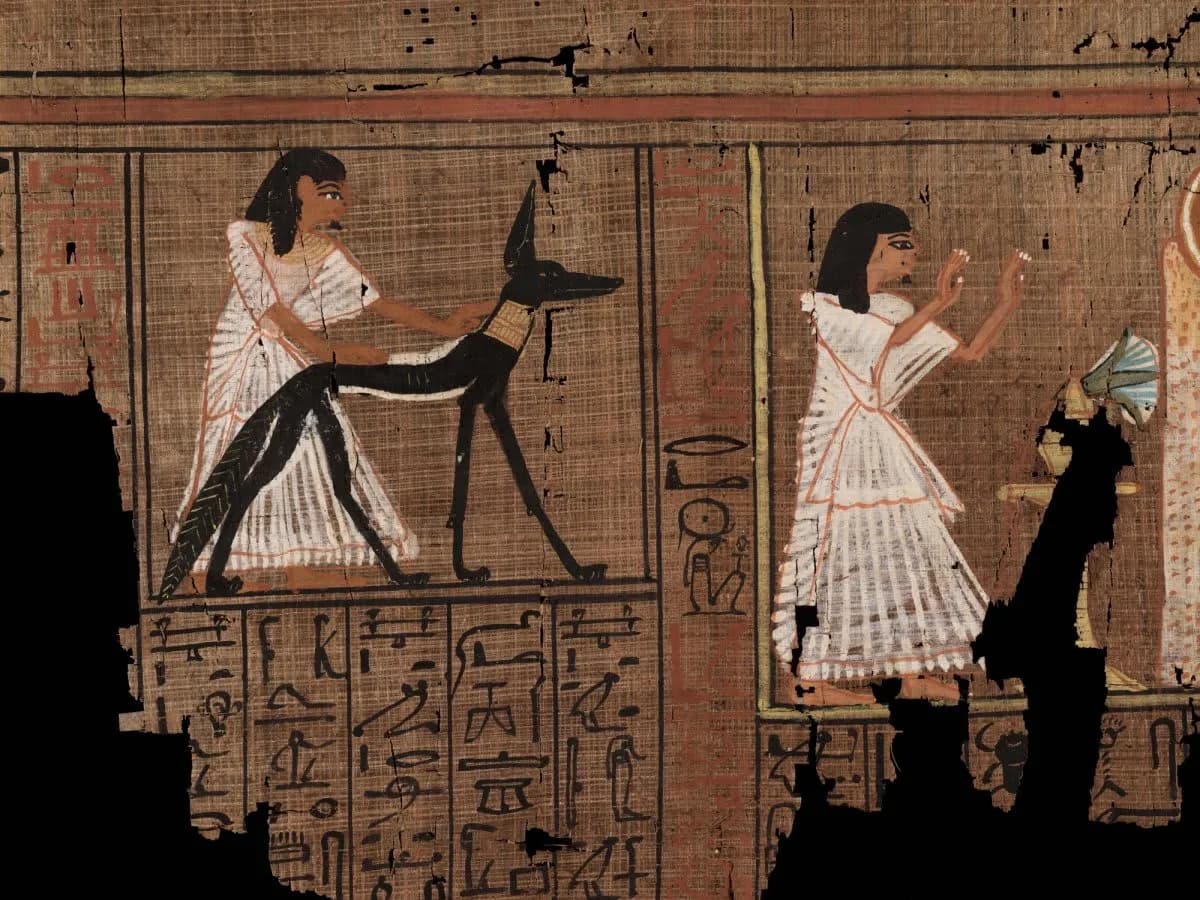
- •The Fitzwilliam Museum at Cambridge University discovered traces of white pigment corrections on a 3,300-year-old Book of the Dead papyrus, where a jackal drawing was modified.
- •This correction fluid, made from a calcite-huntite mixture with yellow pigment added, is evaluated as the ancient version of modern white-out.
- •Similar cases have been confirmed in collections at the British Museum and Cairo Museum, suggesting this was a widely used technique throughout ancient Egypt.
Ancient Egyptian Version of 'White-Out'
Researchers have discovered that ancient Egyptian craftsmen 3,300 years ago used a form of 'correction fluid' to fix mistakes, just like modern people. A research team from the Fitzwilliam Museum at Cambridge University in the UK announced they found traces of corrections made with white pigment on a Book of the Dead papyrus dating back to the 13th century BCE.
The papyrus in question was created for Ramose, a royal scribe of the time, and contains spells to guide the deceased to the afterlife. During exhibition preparations, researchers discovered that the body of Wepwawet, a deity with a jackal head, had been corrected with thick white lines. Infrared photography and microscopic analysis confirmed that this correction fluid was a mixture of calcite and huntite with yellow pigment added to blend naturally with the papyrus color.
Ancient Corrections Born from Perfectionism
Exhibition curator Helen Strudwick explained, "It seems someone looked at the original jackal drawing and said, 'It's too fat, make it slimmer.' The craftsman boldly applied white pigment on both sides to correct the body." This demonstrates that ancient Egyptian craftsmen didn't simply work as instructed, but had clear standards for artistic perfection.
This discovery is not an isolated case. Strudwick revealed that similar correction traces appear on papyri held at the British Museum in London and the Egyptian Museum in Cairo. This suggests that such techniques may have been widely used throughout ancient Egypt.
Rediscovering Ancient Egyptian Production Techniques
This research was conducted as part of the Fitzwilliam Museum's upcoming special exhibition 'Made in Ancient Egypt.' The exhibition illuminates the lives and skills of craftsmen who created iconic artifacts of ancient Egypt, from ornately decorated coffins to jewelry, pottery, and sculptures.
Ancient Egyptian civilization boasted outstanding technical prowess in architecture, art, and record preservation. Flourishing for approximately 3,000 years around the Nile River valley after the unification of Upper and Lower Egypt around 3100 BCE, this civilization left numerous legacies including pyramids, temples, and papyrus documents. The Book of the Dead, which began to be systematically produced from the New Kingdom period (1550-1070 BCE), is particularly valued as a key source revealing ancient Egyptians' views of the afterlife and religious rituals.
Papyrus production was highly specialized work. The process of thinly slicing stems of papyrus plants growing along the Nile, weaving them, and then painting images and hieroglyphs with pigments required the touch of skilled craftsmen. This discovery proves that quality control and correction work were systematically conducted during this production process.
The Timeless Continuity of Craftsmanship [AI Analysis]
This discovery offers intriguing implications for the history of technology. The correction technique used by craftsmen 3,300 years ago serves essentially the same purpose as modern white-out or digital editing tools. The human desire to conceal mistakes and pursue perfection appears consistently across time and technology.
With advances in non-destructive analysis technology, similar correction traces are likely to be found in more ancient artifacts in the future. Advanced techniques such as infrared, X-ray, and multispectral imaging can restore details of the production process invisible to the naked eye. This is expected to open new windows into understanding ancient craftsmen's working methods and artistic decision-making processes.
Furthermore, this research demonstrates the importance of reinterpreting museum collections. Artifacts that have been exhibited for decades, sometimes centuries, can tell completely different stories when examined with new technologies and perspectives. The Fitzwilliam Museum's 'Made in Ancient Egypt' exhibition uses this approach to reexamine ancient civilization not simply as finished works, but as processes of human-made creation.
댓글 (3)
Ancient 관련 기사 잘 읽었습니다. 유익한 정보네요.
간결하면서도 핵심을 잘 정리한 기사네요.
좋은 의견이십니다.
More in Culture & Art

‘Crush’, ‘Tero’, ‘Jidae’… The languages of North and South Korea are becoming increasingly distant.

‘Fortress Café’ stands tall in the forests of Gangwon-do, reinterpreting ancient fortress walls through modern architecture.

New York, hand-carved for 21 years, unveiled for the first time at an art museum
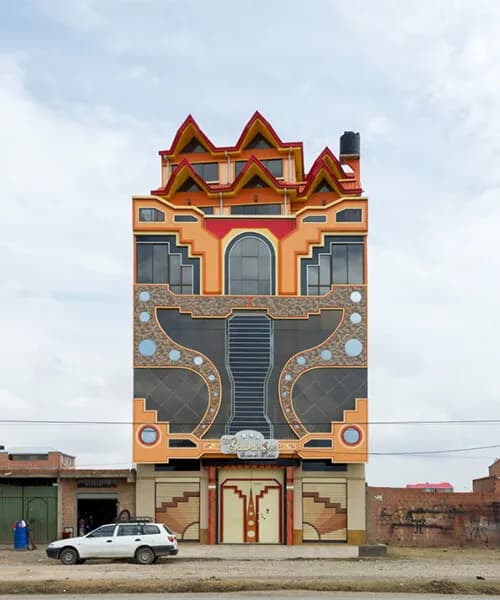
Freddie Mamani colors the city with Andean culture
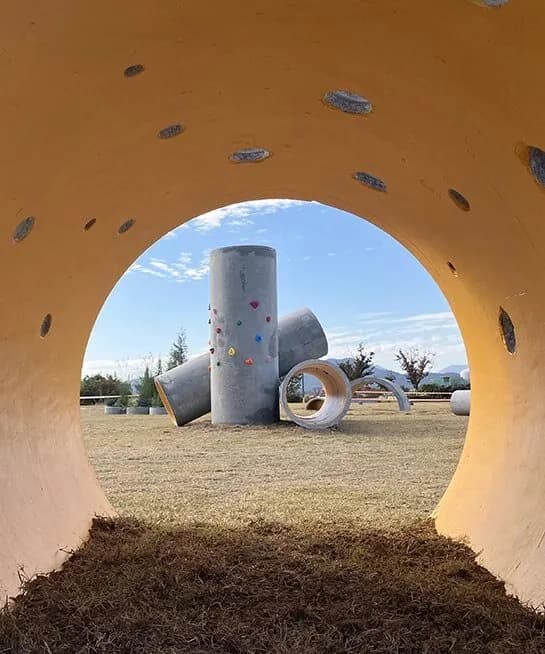
An abandoned concrete pipe is reborn as a playground... Busan Museum of Art ‘Concrete Utopia’

A Swedish artist's house, the essence of architecture that becomes one with nature
Latest News

"간부 잘 아는데 교통비 좀" 휴가 군인들 돈 뜯은 50대 구속
50대 A씨가 휴가 중인 군인들에게 부대 간부를 아는 척 접근해 돈을 사취

英 옥토퍼스, 이란 전쟁 이후 태양광 판매 50% 증가
이란 전쟁 이후 영국 옥토퍼스의 태양광 판매량 50% 증가

당정 "추경, 지방·취약계층에 더 지원되는 방식으로"
당정이 지방자치단체와 취약계층 중심의 추경 편성 방침 재확인

당정, 석유 최고가격제 손실 보전을 추경에 반영키로
당정이 석유 최고가격제 손실을 추경에 반영하기로 결정
어머니 폭행하고 금팔찌 빼앗은 30대 아들 경찰에 붙잡혀
어머니 폭행 후 금팔찌 빼앗은 30대 남성 체포
아이티 갱단 폭력사태로 10개월간 5천명 이상 사망
아이티에서 지난 10개월간 갱단 폭력으로 5천명 이상 사망

서방 정보당국 "러시아, 우크라이나 전쟁 후 이란에 드론·식량 공급"
서방 정보당국, 러시아의 이란 드론·식량 공급 작업 거의 완료 파악

6년 전 세 살 딸 살해한 30대 친모 구속송치
경찰, 6년 전 세 살 딸 살해 혐의 30대 친모를 구속송치