Attacks on medical facilities in Ukraine will increase by 20% by 2025...WHO 'Peace is the best prescription'
4th year of war, 2881 attacks recorded... 72% of people experience anxiety and depression
- •Attacks on Ukrainian medical facilities will increase by 20% in 2025 compared to the previous year, reaching an all-time high
- •During the four years of war, 2,881 attacks resulted in the deaths of 233 medical staff and patients, and 72% of the population experienced anxiety and depression
- •WHO Director-General: 'Peace is the best remedy'... Winter crisis deepens due to destruction of energy infrastructure
Record highest number of attacks on medical facilities in history by 2025
As Ukraine enters its fifth year of full-scale war, attacks on medical facilities in 2025 increased by approximately 20% compared to the previous year, reaching an all-time high. According to the World Health Organization (WHO), there have been at least 2,881 attacks on medical facilities in Ukraine since the start of the full-scale war on February 24, 2022, resulting in damage to medical staff, hospitals, ambulances, and medical warehouses.
In particular, damage reached its peak in the third quarter of 2025, with 184 attacks resulting in 12 deaths and 110 medical staff and patients injured. Attacks on medical warehouses have tripled compared to the previous year, causing serious disruption to the national medical logistics system.
Why this situation is important
Ukraine's medical system is suffering from a double whammy of direct attack and destruction of civilian infrastructure. Attacks on power infrastructure such as thermal power plants threaten the power and heating supplies essential for hospital operations.
According to a survey conducted by WHO in December 2025, 59% of residents in areas near front lines rated their health status as 'bad' or 'very bad', which is significantly higher than the 47% in non-frontline areas. Even more serious is the mental health crisis, with 72% of those surveyed experiencing anxiety or depression in the past year, but only one in five have sought help.
“Many people are unable to receive the care they need because hospitals and clinics are routinely attacked,” WHO Director-General Tedros Adhanom Ghebreyesus said, adding, “Ultimately, the best remedy is peace.”
4 years of war, cumulative health crisis
Since the outbreak of full-scale war in February 2022, Ukraine's medical system has been under constant pressure. Over the past four years, 233 medical staff and patients have died and 930 have been injured in attacks on medical facilities. These attacks constitute violations of international humanitarian law.
The winter of 2025-2026 is being recorded as the harshest period since the war. Millions of people are spending the winter without heat, electricity and water due to repeated attacks on energy infrastructure. The January 2026 attack on Kiiu left about 6,000 buildings without heating in sub-zero temperatures, and some 600,000 residents are believed to have fled the capital.
Jarno Habicht, WHO Representative to Ukraine, said, "When heating facilities are attacked, heating is lost to thousands of households within a few hours. Water in pipes freezes at -20 degrees Celsius and bursts, and buildings are covered with ice. Once repairs are completed, the next attack begins, and it is a vicious cycle."
Implications for Korea
The Ukraine situation has important implications for Korea as well. South Korea is one of the countries providing humanitarian aid to Ukraine and has participated in providing medical supplies and reconstruction assistance. It is also an example that shows the importance of protecting civil infrastructure and medical system resilience in times of war on a divided Korean peninsula.
Future outlook [AI analysis]
Although there were expectations for peace negotiations, the reality on the ground is actually worsening. In 2025, WHO supported 1.9 million people across Ukraine through service provision, medical supplies, patient transport, and capacity building, focusing on frontlines and hard-to-reach areas.
With eight in 10 Ukrainians reporting lack of access to the medicines they need and one in four suffering from dangerously high blood pressure, continued support from the international community is likely to become even more urgent. A long-term health crisis is expected to persist even after the end of the war, as the increase in cardiovascular disease, mental health crisis, and medical manpower exhaustion overlap.
Hans-Henri Kluge, WHO Regional Director for Europe, appealed for continued international support, saying, "This is not an abstract problem. It is a problem for heart disease patients who cannot get blood pressure medication, amputees waiting for months for prosthetic legs, and teenagers who are too scared to leave the house."
댓글 (3)
팩트에 기반한 냉정한 판단이 필요한 시점입니다.
균형 잡힌 시각이 필요하다는 데 동의합니다.
이 문제의 본질이 무엇인지 깊이 생각해볼 필요가 있습니다.
More in Global
Election Banner Crisis Looms as Middle East Naphtha Shortage Hits Minor Parties

4 out of 10 Industrial Deaths Due to Falls...Over 200 Workers Die Annually from Workplace Falls
18 Arrested at Palestine Support Protest Outside London Police Headquarters
Iran-backed Houthis Join War with Attack Against Israel

Pope Leo XIV Warns 'War Is Result of Idolatry of Power and Money' During Monaco Visit

Pro-Israel Extremist Arrested for Molotov Cocktail Attack Attempt on Palestinian Activist's Home in New York
Latest News

Scotland Suffer Shock Defeat to Japan Ahead of World Cup Return
Scotland rugby team suffers defeat to Japan with poor performance ahead of World Cup

Iran Crisis Fuels Market Volatility Amid Oil Price Concerns
Global and domestic markets face volatility from Iran-triggered oil crisis

Former UK Minister Josh Simons Resigns Over Journalist Investigation Controversy
Former UK Minister Josh Simons resigns over journalist investigation controversy
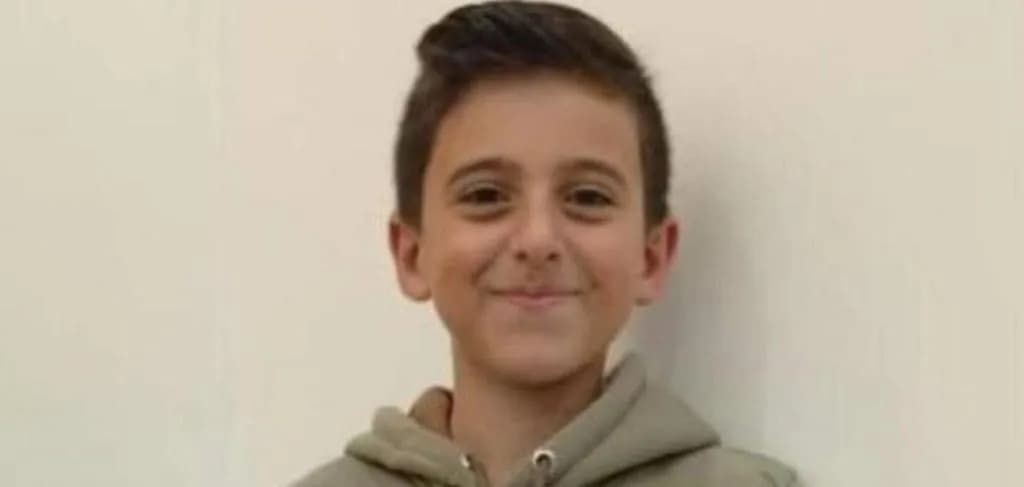
11-Year-Old Lebanese Boy Killed in Israeli Strike Buried Amid Tears and Defiance
11-year-old Jawad Younes and uncle Ragheb killed in Israeli strike on Lebanon
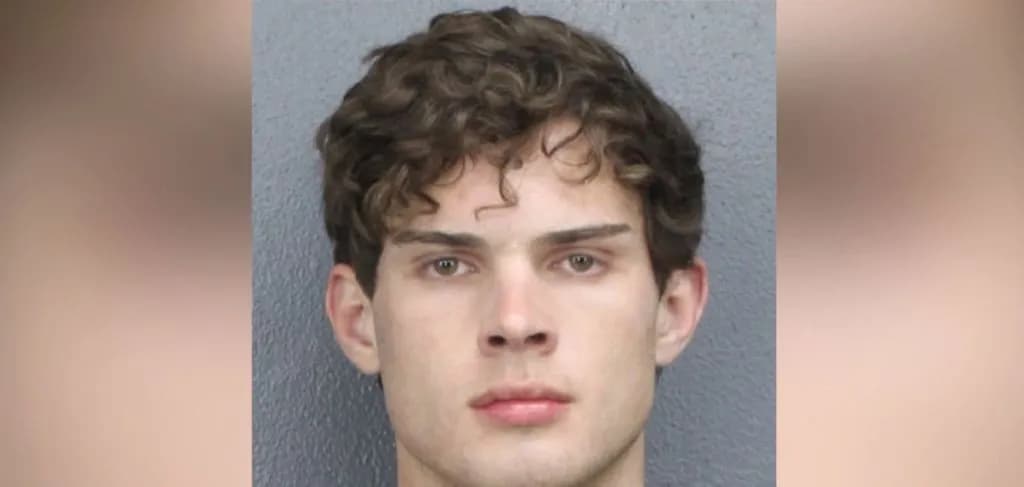
US 'Looksmaxxing' Influencer Clavicular Arrested on Battery Charges in Florida
Looksmaxxing influencer Clavicular (Peters) arrested in Florida on battery charges

Zelensky Visits Gulf States as Iran Strikes Ukrainian Drone Defense Facility in UAE
Iran strikes Ukrainian drone defense facility in UAE during President Zelensky's Gulf tour