Australian Museum Egyptian Artifacts Theft: Man Claiming 'Duty' Arrested
Three Ancient Artifacts Including 2,600-Year-Old Cat Statue Found Wrapped in Venezuelan Flag

- •Three artifacts including a 2,600-year-old Egyptian cat statue stolen from Queensland Museum in Australia have been recovered.
- •Venezuelan national suspect claimed returning the artifacts to their 'rightful place' was his 'duty' and had wrapped them in his country's flag.
- •As cultural property repatriation debates expand, concerns arise that individual illegal actions undermine the protective intent.
Egyptian Artifacts Stolen from Museum
Ancient Egyptian artifacts stolen from the Abbey Museum of Art and Archaeology in Caboolture, north of Brisbane in Queensland, Australia, have been recovered by police. The suspect, Miguel Simon Mungarrieta Monsalve (52), a Venezuelan national, appeared in court on Monday and was denied bail.
Police tracked down the suspect's van and recovered three artifacts in slightly damaged condition: a 2,600-year-old wooden cat statue, a 3,300-year-old necklace, and a mummy mask. According to prosecutors, Monsalve had wrapped the artifacts in a Venezuelan flag.
Bizarre 'Duty' Claim as Motive
The peculiarity of this case lies in the suspect's motive. Prosecutors revealed that Monsalve believed it was his "duty" to return the artifacts to their "rightful place." The presiding magistrate described the case as "bizarre" and even compared it to an episode of the American animated series "The Simpsons."
The illegal export and ownership of Egyptian artifacts has been a long-standing controversy in international cultural heritage protection. As demands for the return of cultural properties looted during the colonial era increase worldwide, some individuals and groups attempt their own form of "justice." However, this case reveals the complex ethical dilemmas of cultural heritage protection, as it involved illegal museum theft.
The Abbey Museum is one of Australia's leading institutions specializing in the collection and exhibition of ancient civilization artifacts. Following this theft, the museum has recognized the need to strengthen its security systems, and awareness has spread throughout the industry.
New Phase in Cultural Property Repatriation Debate
The ownership and preservation of ancient artifacts has been a long-standing issue dating back to the 19th-century imperial era. Notable examples include the British Museum's Parthenon sculptures (Elgin Marbles) and Egypt's demand for the return of the Nefertiti bust. Recently, European countries including France, Germany, and the Netherlands have shown movements to voluntarily return cultural properties looted during the colonial period.
UNESCO adopted the 1970 Convention on the Means of Prohibiting and Preventing the Illicit Import, Export and Transfer of Ownership of Cultural Property, but it has limitations as it does not apply retroactively to artifacts exported before the convention. Egypt has been actively pursuing the return of its cultural heritage from abroad and has been negotiating with museums worldwide since the 2010s.
While this Australian case occurred within this international trend, it has reignited discussions about the proper direction of cultural property protection, as it involved an individual's illegal actions rather than diplomatic procedures between governments.
Future Outlook [AI Analysis]
This incident demonstrates both growing social awareness of cultural property protection and repatriation issues, and warns of the dangers of illegal actions based on individual arbitrary interpretations. Museums are likely to enhance transparency regarding the provenance and acquisition circumstances of their collections and upgrade security systems.
The cultural property repatriation debate is expected to remain a major agenda item in the international community. In particular, repatriation demands from countries of original ownership such as Egypt, Greece, and Nigeria are expected to become more systematic and legally grounded. However, awareness is likely to spread that such efforts must occur within diplomatic negotiations and international legal frameworks, and that illegal individual actions only undermine the original purpose of cultural property protection.
Australian authorities are expected to strengthen enforcement against cultural property-related crimes and review museum security standards following this incident.
댓글 (3)
댓글란이 과열되지 않았으면 합니다. 차분한 논의가 필요해요.
균형 잡힌 시각이 필요하다는 데 동의합니다.
이 사안은 신중하게 접근해야 한다고 봅니다.
More in Culture & Art

‘Crush’, ‘Tero’, ‘Jidae’… The languages of North and South Korea are becoming increasingly distant.

‘Fortress Café’ stands tall in the forests of Gangwon-do, reinterpreting ancient fortress walls through modern architecture.

New York, hand-carved for 21 years, unveiled for the first time at an art museum

Freddie Mamani colors the city with Andean culture
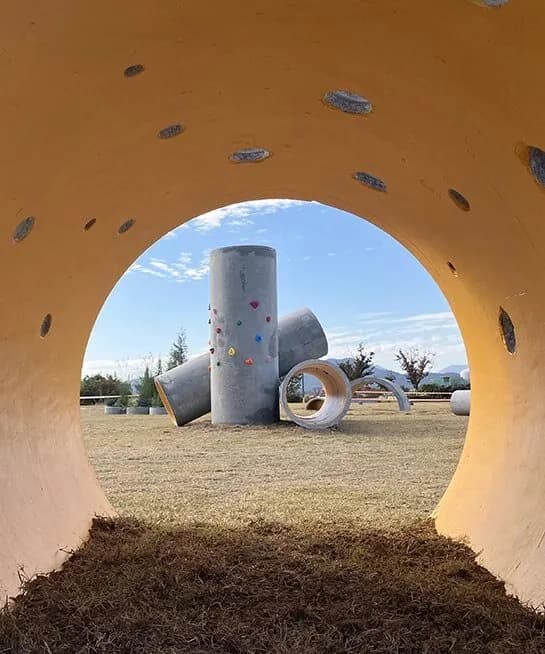
An abandoned concrete pipe is reborn as a playground... Busan Museum of Art ‘Concrete Utopia’

A Swedish artist's house, the essence of architecture that becomes one with nature
Latest News

"간부 잘 아는데 교통비 좀" 휴가 군인들 돈 뜯은 50대 구속
50대 A씨가 휴가 중인 군인들에게 부대 간부를 아는 척 접근해 돈을 사취

英 옥토퍼스, 이란 전쟁 이후 태양광 판매 50% 증가
이란 전쟁 이후 영국 옥토퍼스의 태양광 판매량 50% 증가

당정 "추경, 지방·취약계층에 더 지원되는 방식으로"
당정이 지방자치단체와 취약계층 중심의 추경 편성 방침 재확인

당정, 석유 최고가격제 손실 보전을 추경에 반영키로
당정이 석유 최고가격제 손실을 추경에 반영하기로 결정

어머니 폭행하고 금팔찌 빼앗은 30대 아들 경찰에 붙잡혀
어머니 폭행 후 금팔찌 빼앗은 30대 남성 체포

아이티 갱단 폭력사태로 10개월간 5천명 이상 사망
아이티에서 지난 10개월간 갱단 폭력으로 5천명 이상 사망

서방 정보당국 "러시아, 우크라이나 전쟁 후 이란에 드론·식량 공급"
서방 정보당국, 러시아의 이란 드론·식량 공급 작업 거의 완료 파악

6년 전 세 살 딸 살해한 30대 친모 구속송치
경찰, 6년 전 세 살 딸 살해 혐의 30대 친모를 구속송치