Bank of Japan Holds Interest Rate at 0.75% Amid Middle East Conflict
Brent crude surpasses $112 per barrel, raising inflation concerns; 60% chance of April rate hike
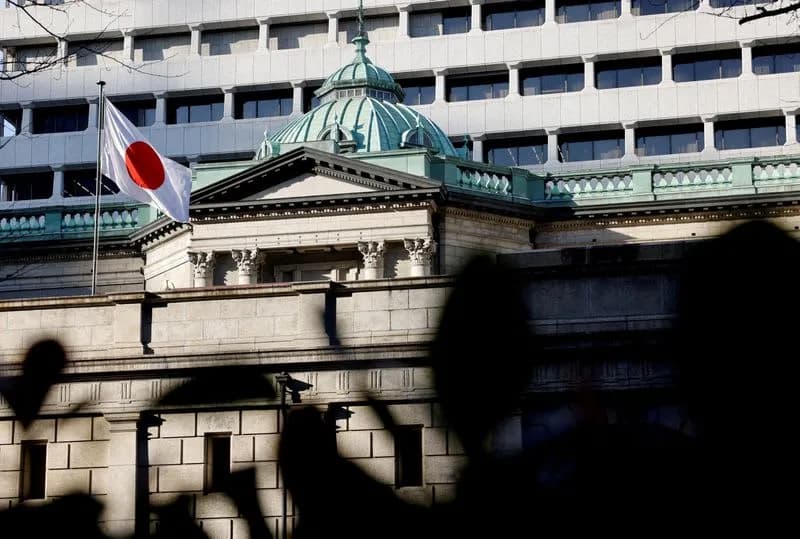
- •The Bank of Japan held its benchmark rate at 0.75% due to oil price surge concerns stemming from Middle East conflicts.
- •Brent crude broke through $112 per barrel, raising the possibility of triggering core inflation.
- •Central banks worldwide are exercising caution in monetary policy operations due to energy risks.
Bank of Japan Freezes Rates for Third Consecutive Month
The Bank of Japan (BOJ) held its benchmark interest rate at 0.75% during its monetary policy meeting on the 19th. The decision, finalized by an 8-to-1 vote, aligned with forecasts from 51 economists surveyed by Bloomberg. However, board member Hajime Takata once again dissented, advocating for a rate increase to 1.0%.
The decision to hold rates stems from surging energy prices triggered by escalating Middle East conflicts. Following attacks on Iran's South Pars gas field and Qatar's Ras Laffan facilities, Brent crude prices broke through $112 per barrel. The BOJ warned in its statement that "rising oil prices due to Middle East conflicts could trigger core inflation."
Central Banks Turn Cautious as Conflict Drags On
The BOJ's decision reflects growing caution among central banks worldwide. Major central banks, including the U.S. Federal Reserve, face challenges in conducting monetary policy as the Middle East war enters its third week.
A prolonged war could drive oil prices higher, creating inflationary pressure while simultaneously slowing economic growth—placing central banks in a dilemma between rate hikes and maintaining current levels. The BOJ, which has been gradually raising rates since ending negative interest rates in March 2024, appears to be moderating its tightening pace due to Middle East risks.
Markets assess the probability of a BOJ rate hike in April at approximately 60%, though analysts note the actual timing depends on how the conflict unfolds. With the BOJ stating it will raise borrowing costs if inflation forecasts materialize, future oil price trends and inflation indicators will be key variables.
Global Energy Security Landscape Undergoes Restructuring
The Iran war has shattered the fragile coexistence among Gulf region energy producers. Multiple foreign media outlets forecast that oil and gas markets will reflect elevated Middle East risk premiums for years, possibly decades to come.
Policymakers across nations are revisiting long-term strategies to reduce dependence on oil and gas imports. Key discussion points include expanding nuclear and renewable energy, increasing strategic petroleum reserves, boosting domestic production, and diversifying supply sources.
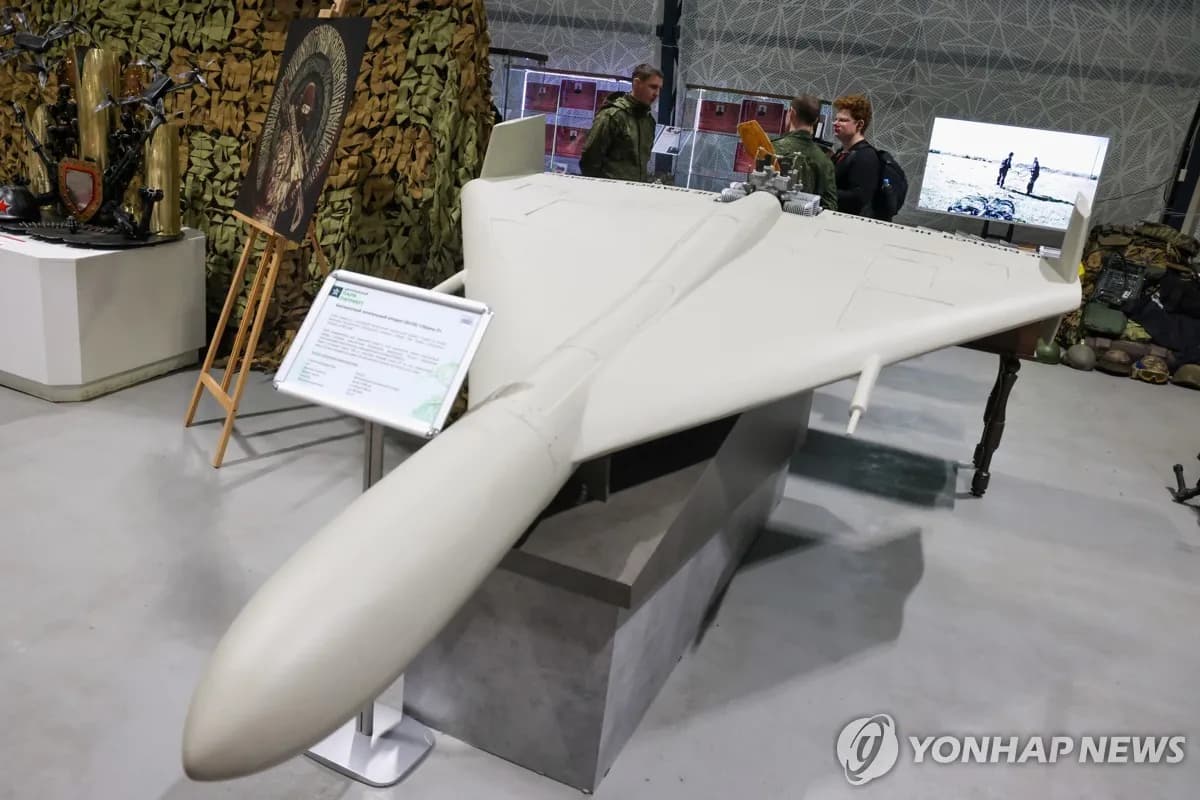
While the United States conducts air-strike-focused warfare without ground troop deployment, the military operation reveals limitations in relying on aging KC-135 aerial refueling tankers. Meanwhile, analysts note that Iran's low-cost drone attacks are further complicating the war.
Impact on South Korea
A prolonged Middle East conflict poses direct threats to South Korea's economy, given its heavy dependence on energy imports. Rising international oil prices could lead to higher import costs, potentially influencing the Bank of Korea's interest rate policy.
South Korea imports approximately 70% of its crude oil from the Middle East, meaning supply disruptions or price spikes would increase cost burdens for manufacturing and logistics sectors. The Korean government appears to face a critical juncture requiring more aggressive pursuit of energy security enhancement and supply source diversification strategies.
댓글 (4)
Bank 상황이 심각하네요. 서민들 피해가 걱정됩니다.
걱정이 많이 되네요. 좋은 지적입니다.
of 문제가 장기화되면 어떻게 될지 우려됩니다.
이 위기를 어떻게 극복할 수 있을지 전문가 의견이 더 필요합니다.
More in Global

Latest News
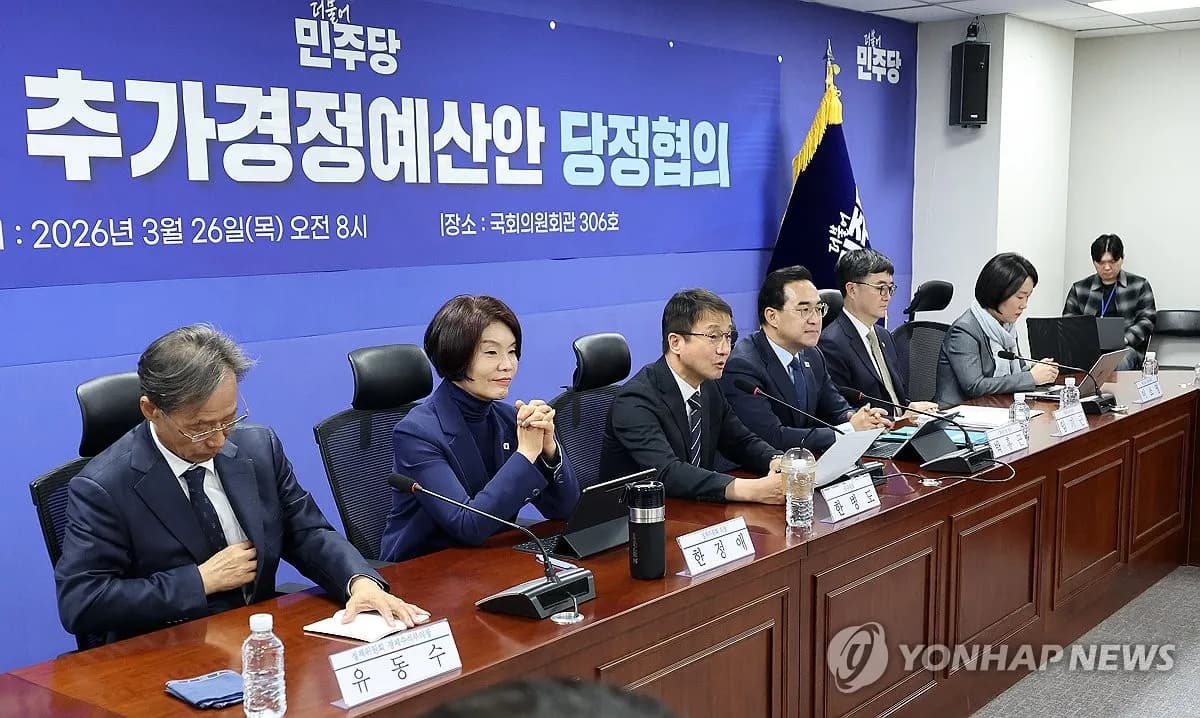
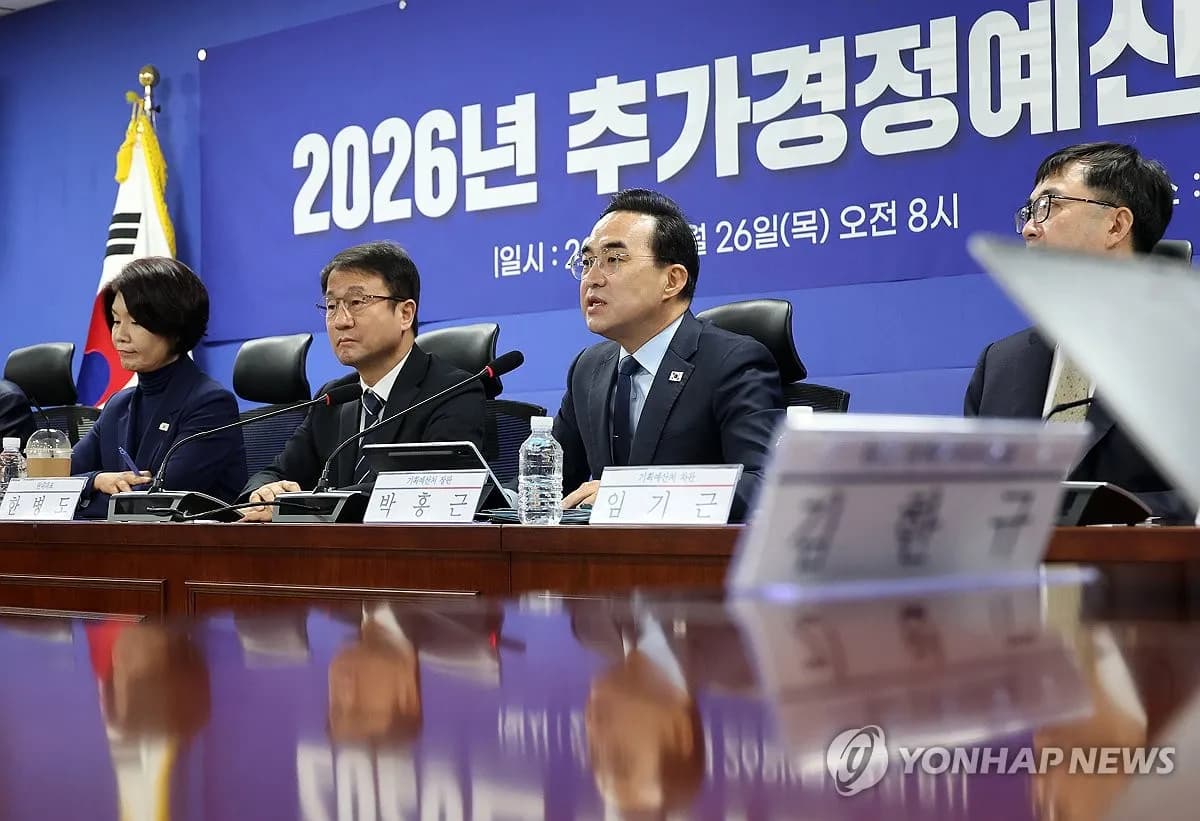
당정, 석유 최고가격제 손실 보전을 추경에 반영키로
당정이 석유 최고가격제 손실을 추경에 반영하기로 결정

6년 전 세 살 딸 살해한 30대 친모 구속송치
경찰, 6년 전 세 살 딸 살해 혐의 30대 친모를 구속송치

中企 수입 나프타의 80% 이상이 중동산…공급망 위기 심화
중소기업 수입 나프타의 80% 이상이 중동산으로 공급 의존도 높음

미·이란 긴장 한 달, 금융시장 요동…장기화 우려
미·이란 갈등으로 증시 변동성 확대, 코스피 6천 고지 후 등락

미·이란 전쟁 한 달, 미국 전문가 "종전·확전 기로"
미·이란 전쟁 1개월 도래, 종전·확전 기로 평가

미·이란 전쟁 1개월, 한국 안보·공급망 취약점 노출
미·이란 전쟁 장기화로 한국 안보·경제 취약점 노출