Bank of Thailand Expected to Cut Interest Rates by 0.25%p Amid Economic Slowdown Concerns
Monetary Policy Takes Center Stage as Political Instability Limits Fiscal Response
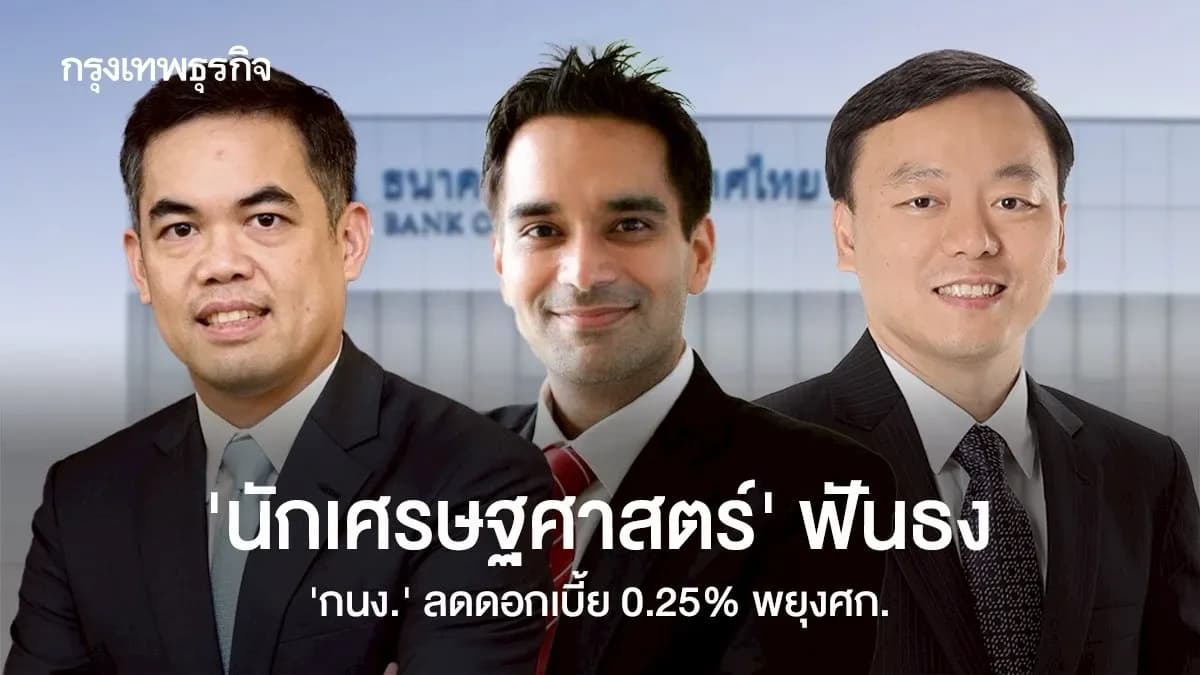
- •The Bank of Thailand is expected to cut its benchmark interest rate from 1.5% to 1.25% by 0.25 percentage points on the 17th.
- •With parliament dissolved, fiscal policy is limited, making monetary policy the sole tool for economic stimulus.
- •Concerns persist that rate cuts will deplete policy capacity and that transmission to the real economy remains uncertain.
BOT's Final Rate Decision of the Year
The Bank of Thailand (BOT) Monetary Policy Committee (MPC) is widely expected to cut the benchmark interest rate by 0.25 percentage points at its regular meeting on the 17th. If the current policy rate of 1.5% is lowered to 1.25%, it would represent the lowest interest rate level in Thailand's history.
This meeting is drawing attention as both the final monetary policy meeting of 2025 and the second under new Governor Sethaput Suthiwartnarueput's leadership.
Thailand's Economy Facing Multiple Crises
Thailand's economy is currently confronting simultaneous internal and external challenges. Pipat Luengnaruemitchai, chief economist at Kiatnakin Phatra Securities, analyzed that a rate cut is inevitable.
Internal factors include weak domestic demand, low inflation, negative credit growth, surging non-performing loans (NPLs), and a strong baht. These are compounded by external shocks: flood damage, the Thailand-Cambodia border conflict, and uncertainty over trade tariff negotiations with the United States—all hampering economic recovery.
The biggest variable is political instability. With the dissolution of parliament, the current government has transitioned to a caretaker government system, making economic stimulus through fiscal policy virtually impossible. This has concentrated economic stabilization responsibilities on monetary policy.
Economist Pipat emphasized, "With fiscal policy in a vacuum, monetary policy must play a more active role," adding that "considering all conditions, maintaining rates cannot be justified."
The Rate Cut Dilemma: Running Out of Ammunition
However, the rate cut comes with serious concerns. The primary worry is depleting policy capacity. Cutting rates now reduces the "ammunition" available to respond to future economic crises or financial shocks.
Economist Pipat noted, "Preserving capacity for crisis response might be more beneficial," and "the central bank must explore policy tools beyond interest rates." Otherwise, Thailand could face a future shortage of monetary policy instruments.
Rate Cuts Alone Are Not Enough
Another issue is the policy transmission mechanism. If commercial banks don't lower lending rates even when the central bank cuts rates, the reduction's effects won't reach the real economy—a phenomenon known as "wasted bullets."
In fact, Thailand has experienced cases where commercial banks maintained lending rates despite central bank cuts. This makes clear communication from the central bank crucial. Banks must be incentivized to increase lending, ensuring rate cut benefits actually reach economic actors.
Economist Pipat posed the question: "Large corporations benefit from rate cuts, but how will SMEs—which banks are reluctant to lend to—receive these benefits?"
Need for Multi-layered Policy Tools
This has led to calls for the BOT to employ additional measures beyond interest rate policy. The BOT is already implementing NPL resolution measures, credit support initiatives, expanded targeted lending, and soft loan programs.
These policies can deliver concentrated effects on specific sectors more effectively than rate cuts. For example, they can provide liquidity to areas difficult to access through commercial banks' regular lending, such as SMEs or the agricultural sector.
Future Outlook [AI Analysis]
If the Bank of Thailand cuts rates this time, it could signal a turning point in Asian regional monetary policy. This is particularly significant given that political instability has paralyzed fiscal policy, leaving monetary policy as the sole economic stabilization tool.
However, the historically low rate of 1.25% will significantly constrain future policy flexibility. Should global economic shocks or regional financial crises occur, Thailand may have to rely on unconventional monetary policies without room for further rate cuts.
Additionally, whether commercial banks lower lending rates will be a critical variable for actual economic recovery. If the central bank's policy intentions aren't properly transmitted to the market, rate cuts risk becoming merely symbolic gestures.
Ultimately, Thailand's economic recovery requires alignment of monetary policy, fiscal policy, and political stability. Currently, monetary policy is shouldering this heavy burden alone.
댓글 (3)
기사 잘 봤습니다. 다른 시각의 분석도 읽어보고 싶네요.
좋은 의견이십니다.
간결하면서도 핵심을 잘 정리한 기사네요.
More in Economy
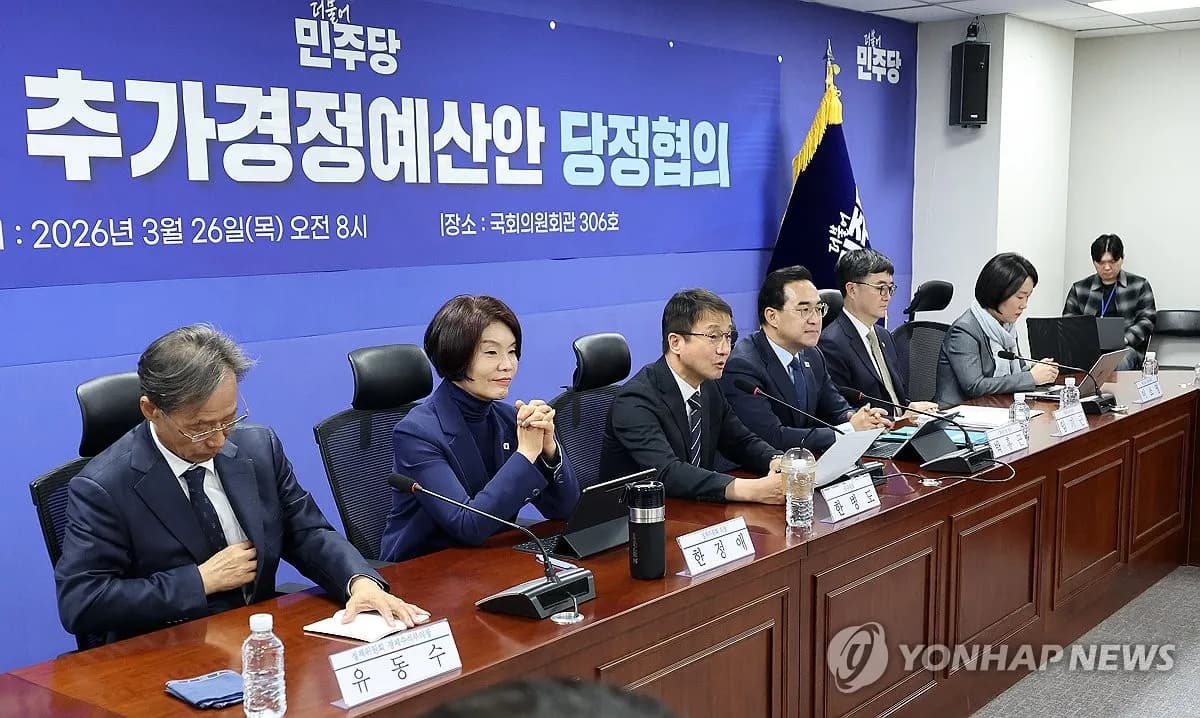
당정, 석유 최고가격제 손실 보전을 추경에 반영키로

미·이란 긴장 한 달, 금융시장 요동…장기화 우려

뉴욕증시 3대 지수 동반 상승…이란 휴전 기대감

Elon Musk's X recruits a cryptocurrency expert as head of design... ‘X Money’ launch imminent

BitGo-GK Sync plans to build ‘tokenized deposit’ infrastructure for banks

The other side of prediction markets: Ethical dilemmas of cryptocurrency platforms dealing in war and terrorism
Latest News
"간부 잘 아는데 교통비 좀" 휴가 군인들 돈 뜯은 50대 구속
50대 A씨가 휴가 중인 군인들에게 부대 간부를 아는 척 접근해 돈을 사취

英 옥토퍼스, 이란 전쟁 이후 태양광 판매 50% 증가
이란 전쟁 이후 영국 옥토퍼스의 태양광 판매량 50% 증가
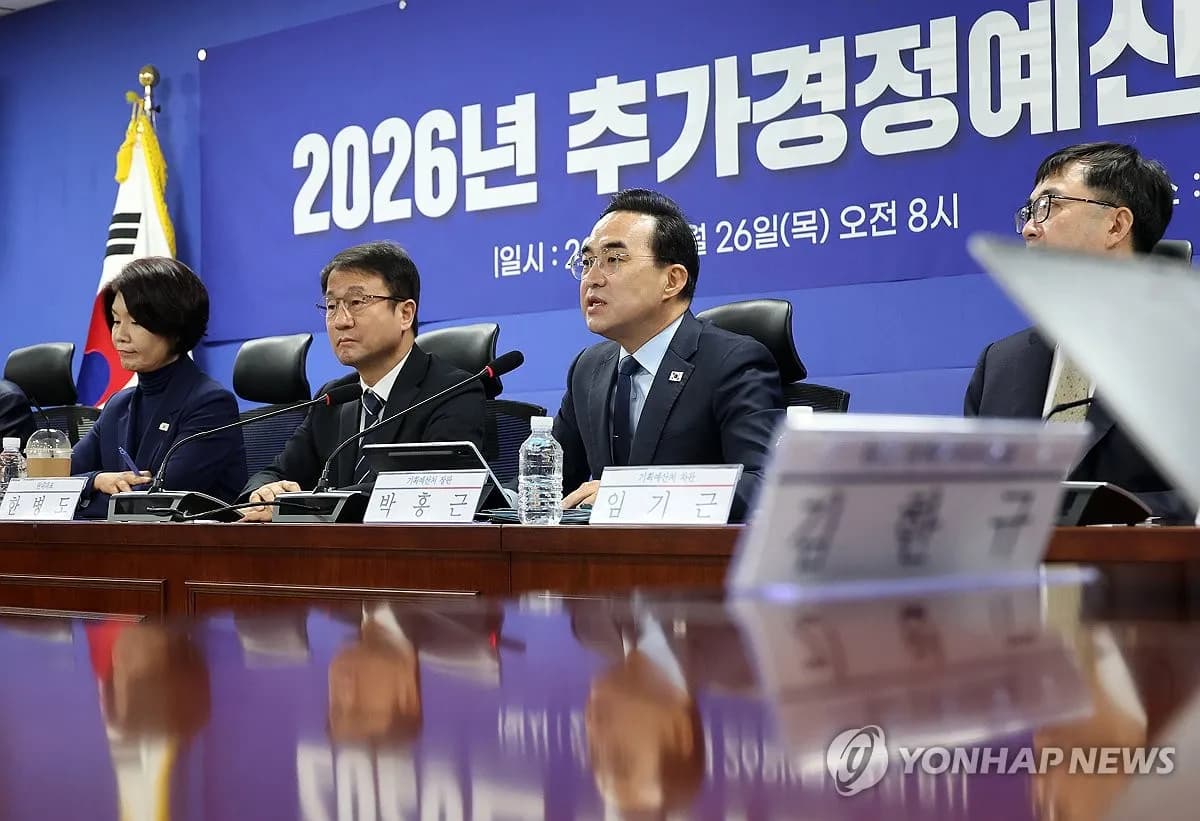
당정 "추경, 지방·취약계층에 더 지원되는 방식으로"
당정이 지방자치단체와 취약계층 중심의 추경 편성 방침 재확인
어머니 폭행하고 금팔찌 빼앗은 30대 아들 경찰에 붙잡혀
어머니 폭행 후 금팔찌 빼앗은 30대 남성 체포
아이티 갱단 폭력사태로 10개월간 5천명 이상 사망
아이티에서 지난 10개월간 갱단 폭력으로 5천명 이상 사망
서방 정보당국 "러시아, 우크라이나 전쟁 후 이란에 드론·식량 공급"
서방 정보당국, 러시아의 이란 드론·식량 공급 작업 거의 완료 파악

6년 전 세 살 딸 살해한 30대 친모 구속송치
경찰, 6년 전 세 살 딸 살해 혐의 30대 친모를 구속송치

中企 수입 나프타의 80% 이상이 중동산…공급망 위기 심화
중소기업 수입 나프타의 80% 이상이 중동산으로 공급 의존도 높음