Cambodia Recovers 74 Khmer Artifacts from British Smuggler's Collection
Third repatriation from Douglas Latchford collection includes 1,000-year-old temple sculptures and bronze ritual objects

- •Cambodia has recovered 74 ancient Khmer artifacts dating back 1,000 years from the collection of British smuggler Douglas Latchford.
- •This marks the third repatriation under a 2020 agreement with Latchford's estate, including temple sculptures and bronze ritual implements.
- •The return is part of a global cultural property repatriation movement to recover heritage looted over decades.
A Millennium of History Returns
Buddhist monks' blessing prayers echoed through Cambodia's National Museum in Phnom Penh on the 27th as flower petals scattered over 74 ancient Khmer artifacts returned from Britain. Deputy Prime Minister Hun Manet emphasized at the ceremony that day, "These artifacts are symbols of national pride that connect the soul of our people from our ancestors' era to the present."
The returned artifacts came from the collection of Douglas Latchford, a notorious British antiquities smuggler. According to Cambodia's Ministry of Culture, this represents the third repatriation under an agreement signed with Latchford's estate in 2020, and is the largest single return to date. The collection includes sandstone sculptures over 1,000 years old, intricate bronze ritual implements, and a head of the deity Brahma looted from the Koh Ker temple site.
From Smuggler to Indictment
During his lifetime, Latchford built a reputation as an authority on ancient Cambodian art. He gained academic recognition through his writings on Angkorian art, but beneath this facade lay criminal activity selling looted artifacts on the international black market. In 2019, New York prosecutors indicted him on charges of smuggling Cambodian artifacts, but he died in Bangkok in 2020.
The Latchford case symbolizes decades of cultural property looting in Cambodia. Experts analyze that from the mid-1960s through the 1990s, political turmoil and the Khmer Rouge regime's anti-intellectualism destroyed the cultural heritage protection system, and thousands of artifacts left the country during this period. Cambodia enacted legislation prohibiting unauthorized exports in 1996, but the process of recovering already-lost heritage continues today.
Part of a Global Repatriation Movement
This return is part of a broader global cultural property repatriation movement. Artifacts from the Latchford collection were returned in two previous installments in 2021 and 2023, and in 2024, New York's Metropolitan Museum of Art returned 14 pieces including a 10th-century sandstone goddess statue and a 7th-century large Buddha head. The movement to return looted cultural property held by Western museums and collectors to countries of origin has emerged as a major international agenda item in recent years.
Cambodia's Ministry of Culture stated, "These 74 sacred objects are not merely artworks, but living history that testifies to the genius of Khmer ancestors and the spiritual heart of Khmer civilization." The returned artifacts will be incorporated into the National Museum of Phnom Penh's permanent collection and made available to the public.
Future Outlook [AI Analysis]
Cambodia's cultural property recovery efforts are likely to continue for the foreseeable future. Considering that there is no statute of limitations on cultural property repatriation claims under international law, and the strengthening cooperation trend between UNESCO and Interpol, cases of voluntary returns by Western museums and private collectors are expected to increase.
However, the possibility of legal disputes remains. Negotiations with collectors claiming good faith purchases or museums asserting "legal acquisition" may become prolonged. The Cambodian government appears likely to prioritize peaceful resolution through negotiations with estates, as in the Latchford case, while employing both diplomatic pressure and legal means.
The cultural property repatriation movement carries symbolic significance beyond simple property recovery, representing the realization of historical justice and restoration of national identity. As similar cases become established as international standards going forward, the principle of returning cultural property looted during colonial rule and war to countries of origin is expected to become increasingly consolidated.
댓글 (2)
흥미로운 주제입니다. 주변에도 공유해야겠어요.
Recovers 관련 기사 잘 읽었습니다. 유익한 정보네요.
More in Culture & Art

‘Crush’, ‘Tero’, ‘Jidae’… The languages of North and South Korea are becoming increasingly distant.
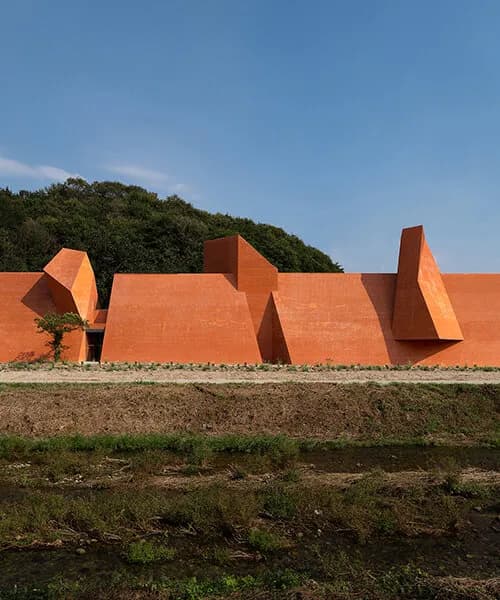
‘Fortress Café’ stands tall in the forests of Gangwon-do, reinterpreting ancient fortress walls through modern architecture.
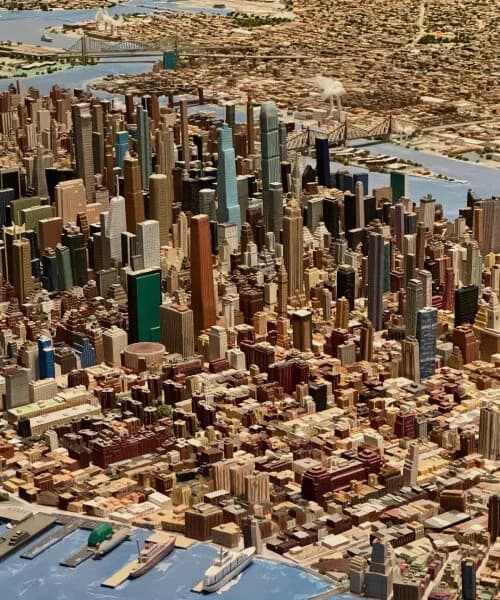
New York, hand-carved for 21 years, unveiled for the first time at an art museum
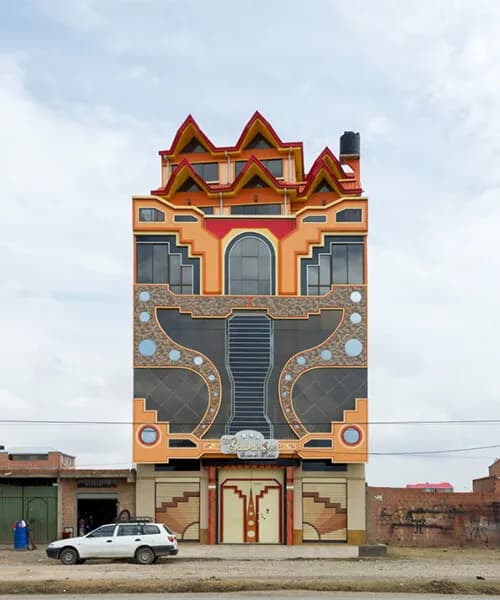
Freddie Mamani colors the city with Andean culture
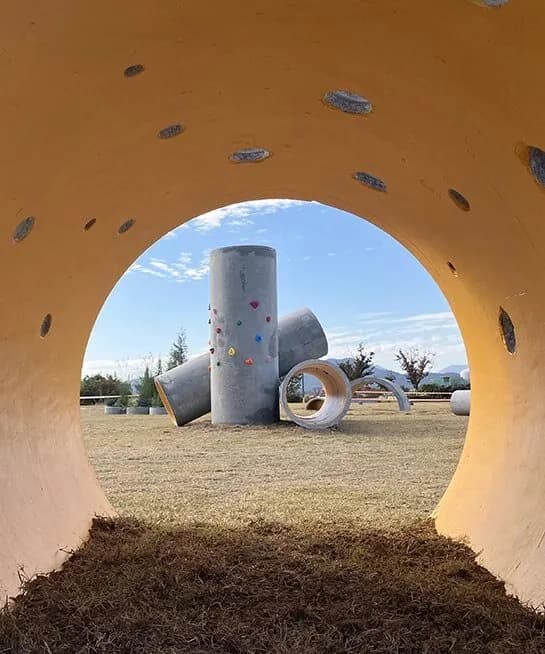
An abandoned concrete pipe is reborn as a playground... Busan Museum of Art ‘Concrete Utopia’

A Swedish artist's house, the essence of architecture that becomes one with nature
Latest News
"간부 잘 아는데 교통비 좀" 휴가 군인들 돈 뜯은 50대 구속
50대 A씨가 휴가 중인 군인들에게 부대 간부를 아는 척 접근해 돈을 사취

英 옥토퍼스, 이란 전쟁 이후 태양광 판매 50% 증가
이란 전쟁 이후 영국 옥토퍼스의 태양광 판매량 50% 증가

당정 "추경, 지방·취약계층에 더 지원되는 방식으로"
당정이 지방자치단체와 취약계층 중심의 추경 편성 방침 재확인

당정, 석유 최고가격제 손실 보전을 추경에 반영키로
당정이 석유 최고가격제 손실을 추경에 반영하기로 결정
어머니 폭행하고 금팔찌 빼앗은 30대 아들 경찰에 붙잡혀
어머니 폭행 후 금팔찌 빼앗은 30대 남성 체포
아이티 갱단 폭력사태로 10개월간 5천명 이상 사망
아이티에서 지난 10개월간 갱단 폭력으로 5천명 이상 사망
서방 정보당국 "러시아, 우크라이나 전쟁 후 이란에 드론·식량 공급"
서방 정보당국, 러시아의 이란 드론·식량 공급 작업 거의 완료 파악

6년 전 세 살 딸 살해한 30대 친모 구속송치
경찰, 6년 전 세 살 딸 살해 혐의 30대 친모를 구속송치