Carrying Wounds That Follow Like Ghosts
Guyanese-British Artist Hew Locke Docks at Yale with Ships Bearing Colonial Memories
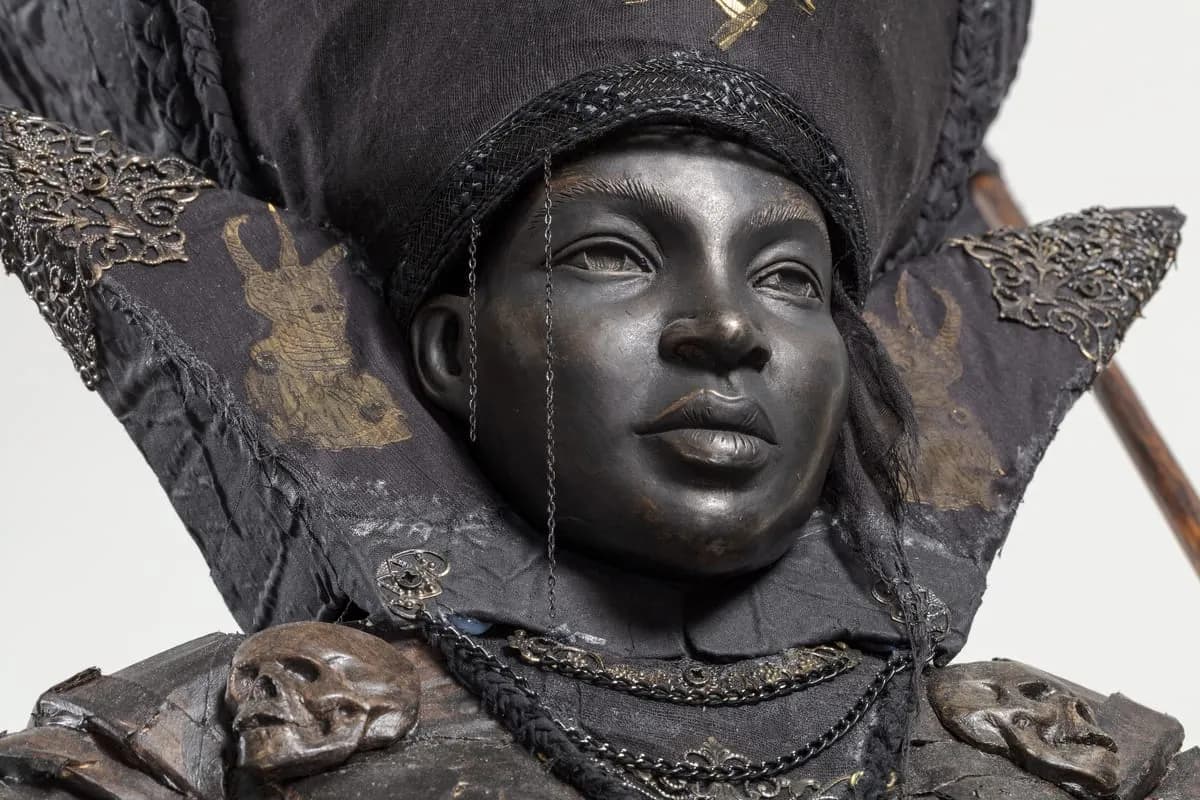
- •Guyanese-British artist Hew Locke has opened an exhibition at the Yale Center for British Art featuring ship sculptures that embody colonial history.
- •The three ships suspended from the ceiling carry the legacy of the colonial era, including plantation houses and images of sugarcane harvesting.
- •The work metaphorically represents the immigrant identity of carrying past habits and wounds while living in a postcolonial era.
Three Ships Suspended from the Ceiling
Upon entering the lobby of the Yale Center for British Art, visitors are greeted by three ships suspended from the ceiling by wires. "The Survivor" (2022), "The Relic" (2022), and "Desire" (2018). The prows of all three ships point in the same direction, packed with cargo as if they had been retrieved from the sea mid-voyage and shrunk down.
The ships hang on ropes, swaying subtly. As if they still remember the rhythm of the waves. They are densely loaded with burlap sacks, potted plants, bundles of dried herbs hanging from the ship's sides, wooden crates marked 'fragile', fishing nets, and sacks whose contents remain unknown. Only two of the three ships carry sails, and even those are nothing more than torn and tattered pieces of cloth.
Carrying Rusted History
While the hulls of "The Relic" and "The Survivor" have been recently painted, most of their components are rusted and corroded, clearly showing the marks of being battered by wind and salt water. Nevertheless, these ships still appear as models of vessels capable of preserving human life.
"The Relic" carries a particularly intriguing structure. A two-story bungalow house erected on supports, complete with stairs, a porch, tilted window shutters, and a severely damaged corrugated metal roof. According to the exhibition brochure, this structure is a replica of a British colonial-era plantation house.
If this work is meant to convey the experience of being an immigrant from Guyana after independence, why bring this house along? And why create a house designed to float on water?
An Artist Who Has Battled Imperial Legacy
Hew Locke is known for work that sharply and repeatedly addresses the legacy of empire, symbols of political, social, legal, and economic power, and the aftermath of nation-building in response to the impoverishment caused by global superpowers. The key term binding all this historical complexity is 'colonialism' or 'postcolonialism'.
Although born in Scotland, Locke's family originally came from Guyana. He arrived by ship in Guyana (1966), known as 'the land of many waters'. There, as a child, he witnessed the colony's struggle for and declaration of independence from Britain. In 1980, he returned to England by ship and settled in London.
Ships Moving Both Forward and Backward
The names of the ships reveal an intention to merge the desire to travel and constantly move with the drive to survive. However, the movement of these ships points both forward and backward simultaneously.
They bring the past along with them. From the form of the loaded house, from the images of cutting and harvesting sugarcane engraved on the sail of "The Survivor", the past seeps into the present. The reason labor practices, social hierarchies, and forms of punitive violence repeat in the present is because we cling to certain habits even as we move toward postcolonial reality.
Invisible Cargo
The exhibition Passages is Locke's retrospective, being held at the Yale Center for British Art. Some of the cargo the ships carry is visible, but some is hidden inside sacks, their contents unknown.
The question Locke asks is this: When we survive, what survives with us? Do our ghosts and wounds sail along?
In addition to the ships, the exhibition includes works such as "Souvenir 6 (Princess Alexandra)" (2019), mixed media on Victorian porcelain. These works reveal the history of violence and exploitation hidden beneath the empire's glamorous surface.
Memories Adrift on Water
Locke's ships are not museum exhibits. They are still moving, swaying, heading somewhere. Despite torn sails and rusted hulls, they do not stop.
Making a colonial-era plantation house float on water may be a metaphor for a history that cannot take root, an identity that cannot be fixed. Like Locke's life, moving from Guyana to Scotland and then to London, these ships do not belong to one place.
But that does not signify weakness. Rather, it is evidence of survival. The cargo the ships carry—plants, food, tools—are the things needed to start again in a new land. Even while carrying ghosts and wounds together, they move forward.
댓글 (3)
Carrying 관련 기사 잘 읽었습니다. 유익한 정보네요.
공감합니다. 참고하겠습니다.
Wounds에 대해 더 알고 싶어졌습니다. 후속 기사 부탁드립니다.
More in Culture & Art

‘Crush’, ‘Tero’, ‘Jidae’… The languages of North and South Korea are becoming increasingly distant.
‘Fortress Café’ stands tall in the forests of Gangwon-do, reinterpreting ancient fortress walls through modern architecture.
New York, hand-carved for 21 years, unveiled for the first time at an art museum
Freddie Mamani colors the city with Andean culture
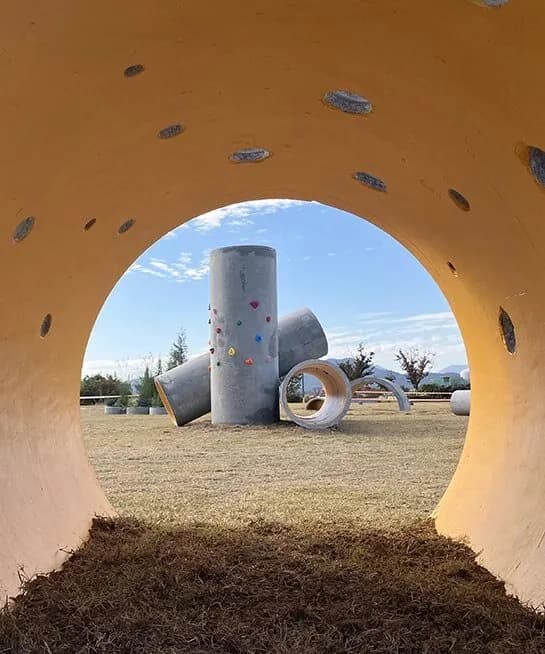
An abandoned concrete pipe is reborn as a playground... Busan Museum of Art ‘Concrete Utopia’
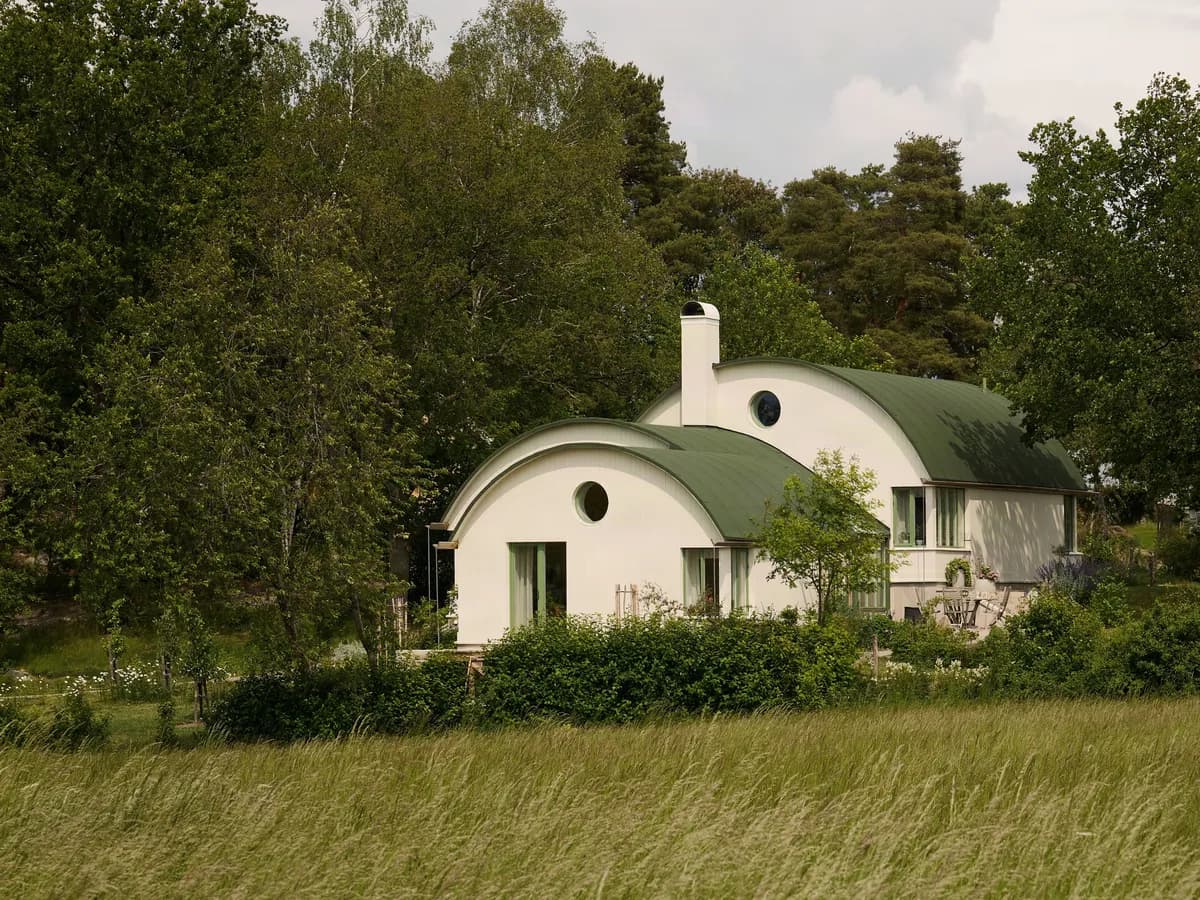
A Swedish artist's house, the essence of architecture that becomes one with nature
Latest News

"간부 잘 아는데 교통비 좀" 휴가 군인들 돈 뜯은 50대 구속
50대 A씨가 휴가 중인 군인들에게 부대 간부를 아는 척 접근해 돈을 사취
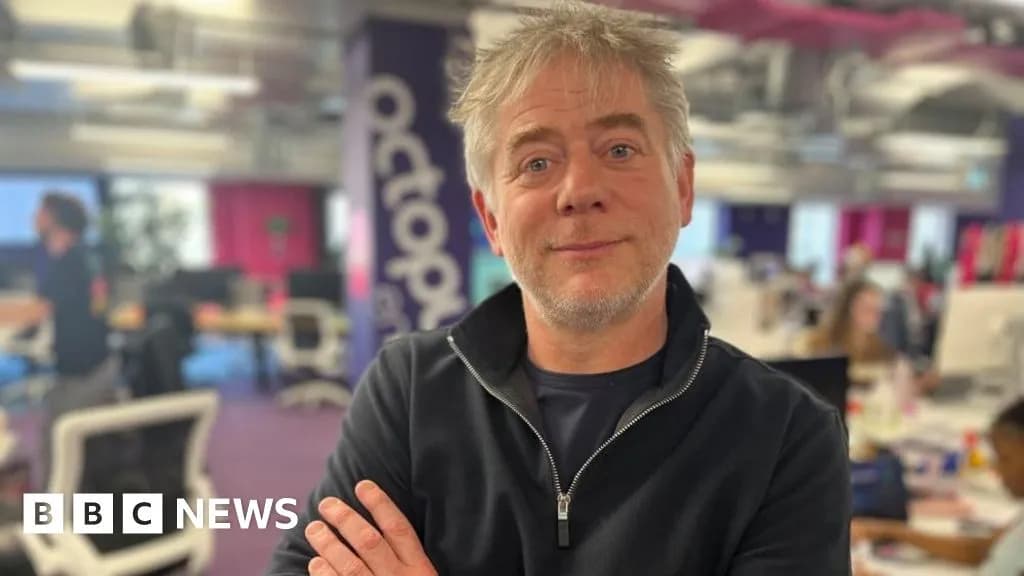
英 옥토퍼스, 이란 전쟁 이후 태양광 판매 50% 증가
이란 전쟁 이후 영국 옥토퍼스의 태양광 판매량 50% 증가

당정 "추경, 지방·취약계층에 더 지원되는 방식으로"
당정이 지방자치단체와 취약계층 중심의 추경 편성 방침 재확인

당정, 석유 최고가격제 손실 보전을 추경에 반영키로
당정이 석유 최고가격제 손실을 추경에 반영하기로 결정
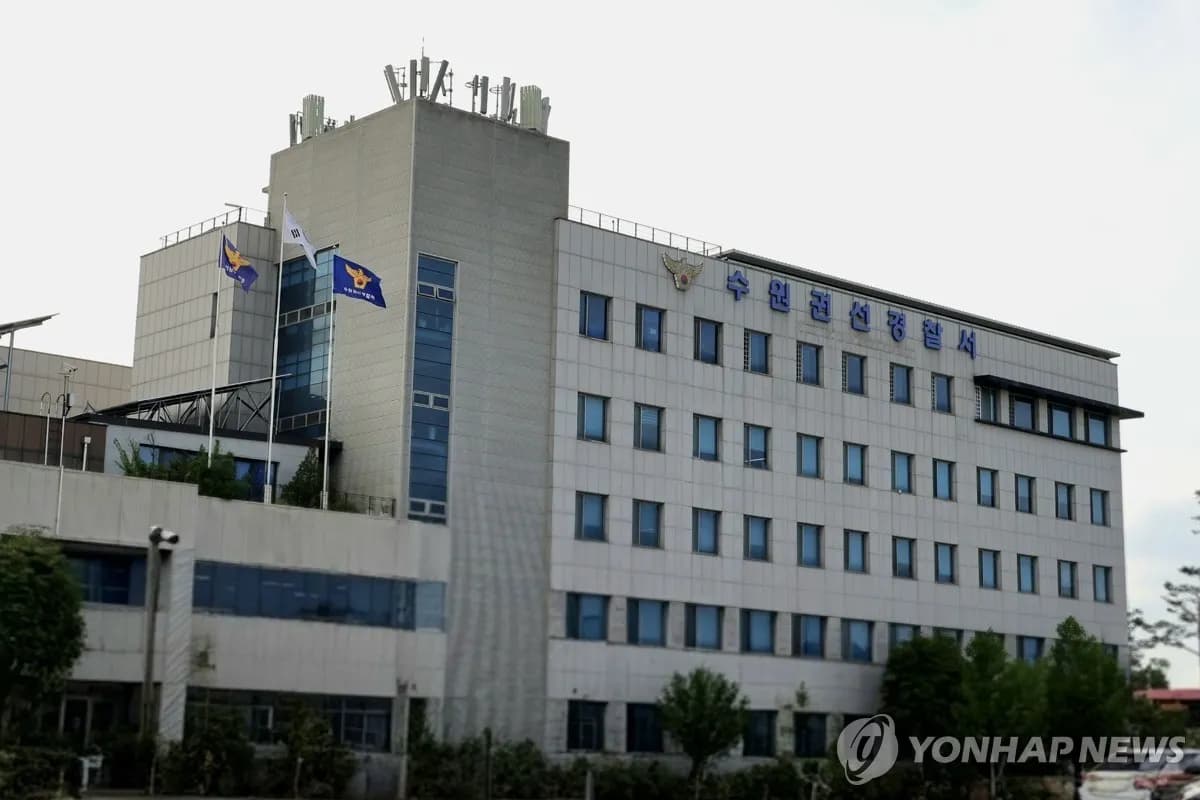
어머니 폭행하고 금팔찌 빼앗은 30대 아들 경찰에 붙잡혀
어머니 폭행 후 금팔찌 빼앗은 30대 남성 체포
아이티 갱단 폭력사태로 10개월간 5천명 이상 사망
아이티에서 지난 10개월간 갱단 폭력으로 5천명 이상 사망
서방 정보당국 "러시아, 우크라이나 전쟁 후 이란에 드론·식량 공급"
서방 정보당국, 러시아의 이란 드론·식량 공급 작업 거의 완료 파악

6년 전 세 살 딸 살해한 30대 친모 구속송치
경찰, 6년 전 세 살 딸 살해 혐의 30대 친모를 구속송치