Cholera vaccination resumes after 3 years... Global supply doubled
Mozambique's first prevention campaign begins, establishing an annual supply system of 70 million doses
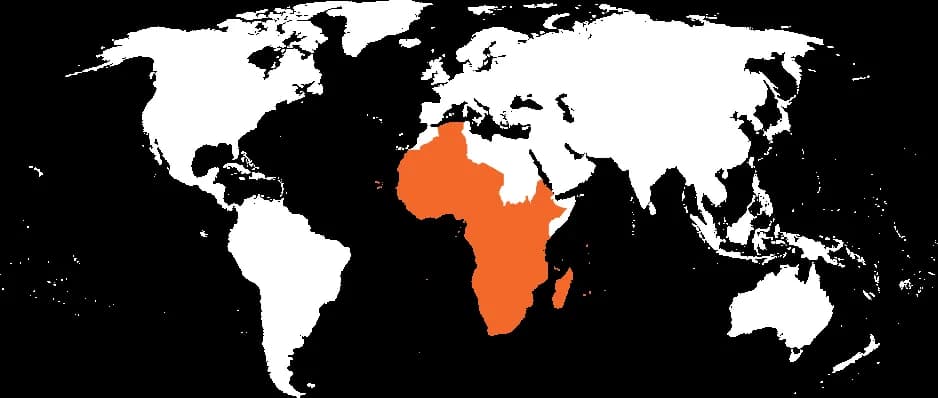
- •WHO, UNICEF, and Gavi announce the resumption of cholera prevention vaccination campaign for the first time in three years
- •Global vaccine supply doubles to 70 million doses per year, making reopening possible
- •The first 20 million doses were allocated to Mozambique, Democratic Republic of Congo, and Bangladesh.
Key Takeaways: Restarting the Vaccination Era
The World Health Organization (WHO), UNICEF, and Gavi, the vaccine alliance, jointly announced that they would resume vaccination against cholera for the first time in three years. Mozambique was selected as the first country to be targeted for the vaccination campaign, followed by the Democratic Republic of Congo and Bangladesh.
This resumption was made possible as global oral cholera vaccine (OCV) supply nearly doubled from 35 million doses per year in 2022 to approximately 70 million doses in 2025. Of the first allocation of 20 million doses, 3.6 million doses have already been delivered to Mozambique, 6.1 million doses to the Democratic Republic of Congo, and 10.3 million doses are scheduled to be delivered to Bangladesh.
Why it matters: Shifting from response to prevention
In 2022, as the demand for vaccines increased rapidly due to the global spread of cholera, a supply shortage occurred. Afterwards, the international community had no choice but to focus only on responding after the outbreak. WHO Director-General Tedros Adhanom Ghebreyesus said, “Due to a lack of vaccines, we have been caught in a vicious cycle of responding to cholera instead of preventing it,” and added, “We are now in a position to break that cycle.”
In Mozambique, a cholera epidemic is currently underway and more than 700,000 people have been affected by recent floods. As floods destroy health systems and water supply facilities, the risk of water-borne diseases has increased significantly.
UNICEF Executive Director Catherine Russell said, “Resumption of immunizations can help protect children and prevent this highly contagious disease at an early stage,” but added, “This must be done along with improving access to safe drinking water and basic sanitation.”
Historical Context: Evolution of the Cholera Vaccine Supply Chain
Cholera is an acute waterborne disease that is spread through contaminated water and food, and can lead to death within hours if not treated. It is mainly prevalent in developing countries where sanitation infrastructure is lacking, and floods and droughts caused by climate change are worsening the outbreak.
The international response system began in earnest with the launch of the Global Cholera Control Task Force (GTFCC) in 2017. However, as simultaneous large-scale epidemics occurred in Africa and Asia in 2022, reserves were depleted and prevention campaigns were completely halted.
Currently, South Korea's EUBiologics is the only manufacturer producing cholera vaccines on the scale needed for mass vaccination campaigns. The international community is urging additional manufacturers to enter the market.
Future outlook [AI analysis]
This resumption of vaccination is likely to be a turning point in the cholera response paradigm. However, several challenges remain for a sustainable solution.
First, diversification of vaccine production is necessary. A system dependent on a single manufacturer is vulnerable in terms of supply stability. WHO and Gabi are actively encouraging the entry of additional manufacturers, so there is a possibility that new producers will emerge within the next 2 to 3 years.
Second, it is difficult to fundamentally solve the problem with vaccines alone. “Vaccinations protect communities and buy time, but sustained progress depends on long-term investment in infrastructure and political commitment,” said Dr. Ilesi Jani, GTFCC Steering Committee Chair.
Third, considering the increasing trend of water-borne diseases due to climate change, demand for vaccines is expected to continue to increase. Continued financial support and supply chain expansion from the international community are essential.
In the case of Korea, Eubiologics plays a key role in global health security as it is the world's only large-scale cholera vaccine supplier. This could be an opportunity to increase the contribution of the Korean pharmaceutical and bio industry to international public health.
댓글 (3)
기사 잘 봤습니다. 다른 시각의 분석도 읽어보고 싶네요.
공감합니다. 참고하겠습니다.
간결하면서도 핵심을 잘 정리한 기사네요.
More in Global
Election Banner Crisis Looms as Middle East Naphtha Shortage Hits Minor Parties

4 out of 10 Industrial Deaths Due to Falls...Over 200 Workers Die Annually from Workplace Falls
18 Arrested at Palestine Support Protest Outside London Police Headquarters
Iran-backed Houthis Join War with Attack Against Israel
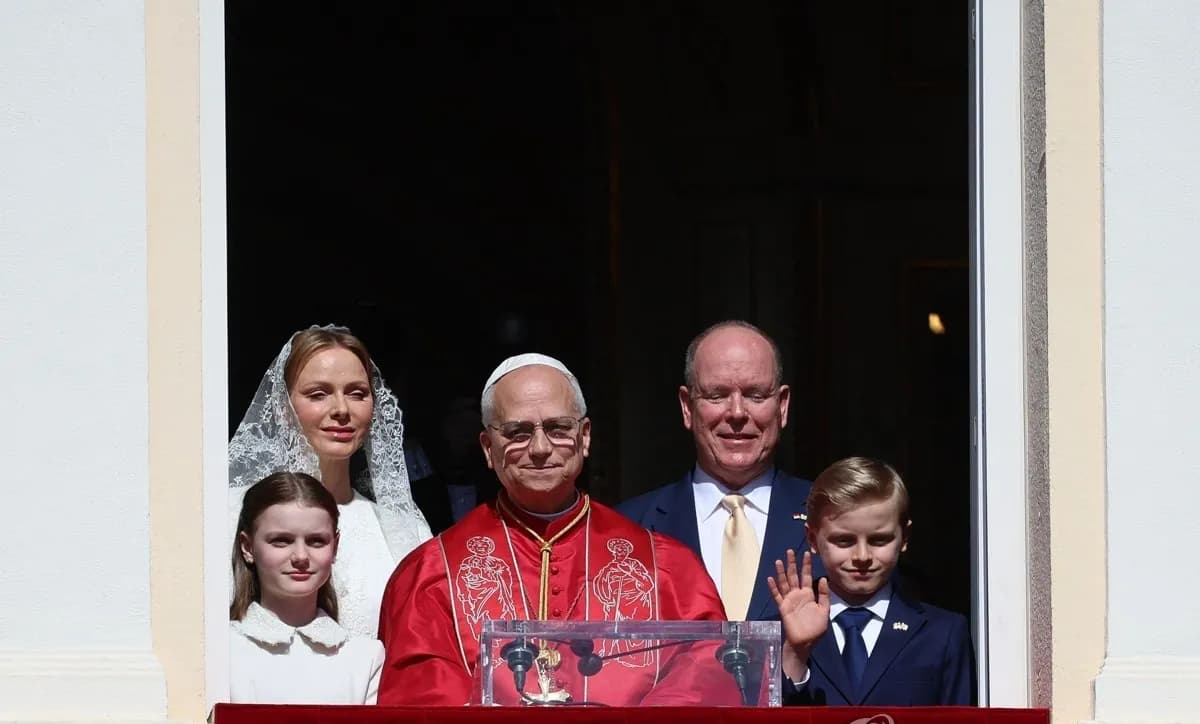
Pope Leo XIV Warns 'War Is Result of Idolatry of Power and Money' During Monaco Visit
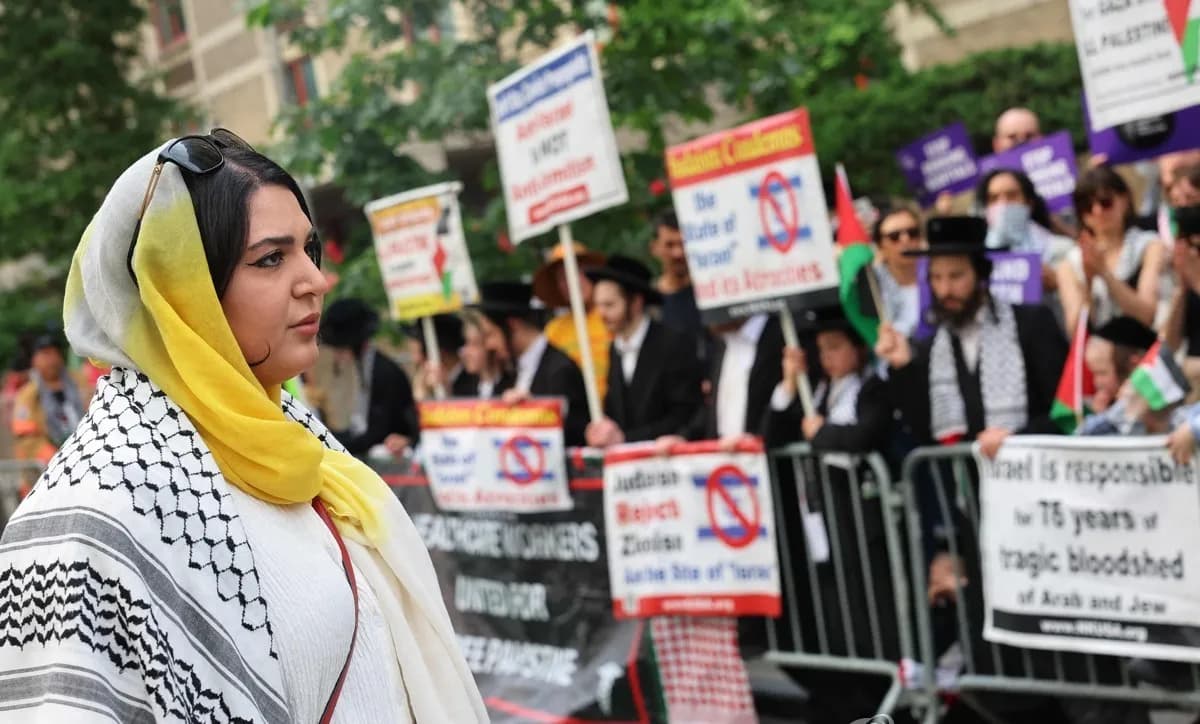
Pro-Israel Extremist Arrested for Molotov Cocktail Attack Attempt on Palestinian Activist's Home in New York
Latest News
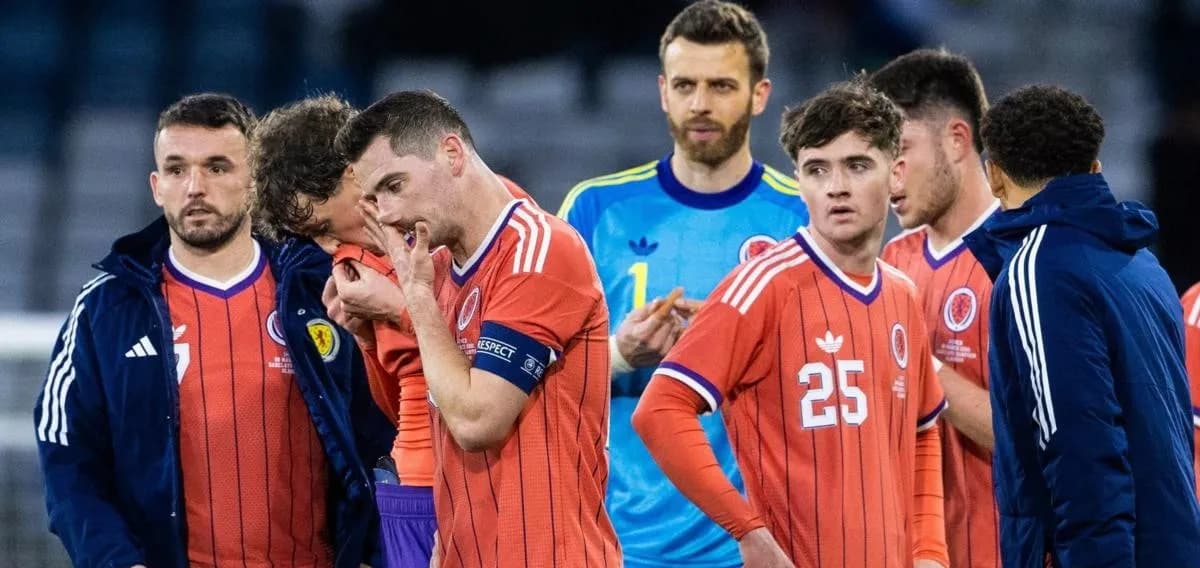
Scotland Suffer Shock Defeat to Japan Ahead of World Cup Return
Scotland rugby team suffers defeat to Japan with poor performance ahead of World Cup
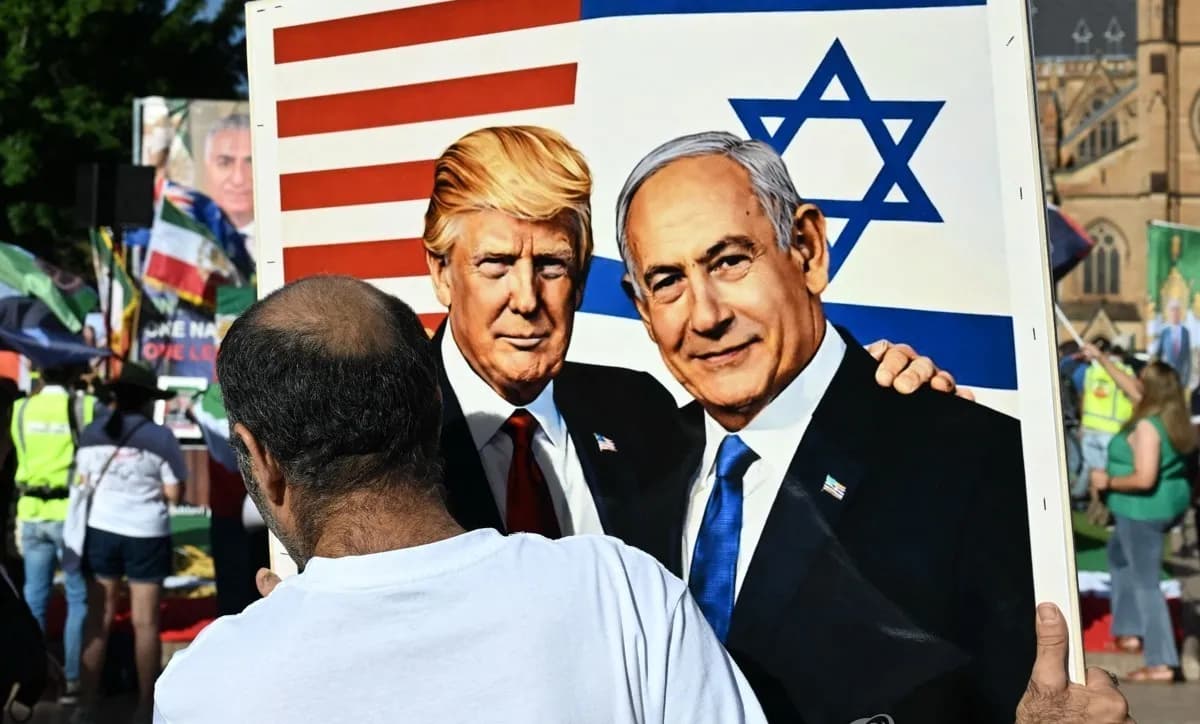
Iran Crisis Fuels Market Volatility Amid Oil Price Concerns
Global and domestic markets face volatility from Iran-triggered oil crisis

Former UK Minister Josh Simons Resigns Over Journalist Investigation Controversy
Former UK Minister Josh Simons resigns over journalist investigation controversy
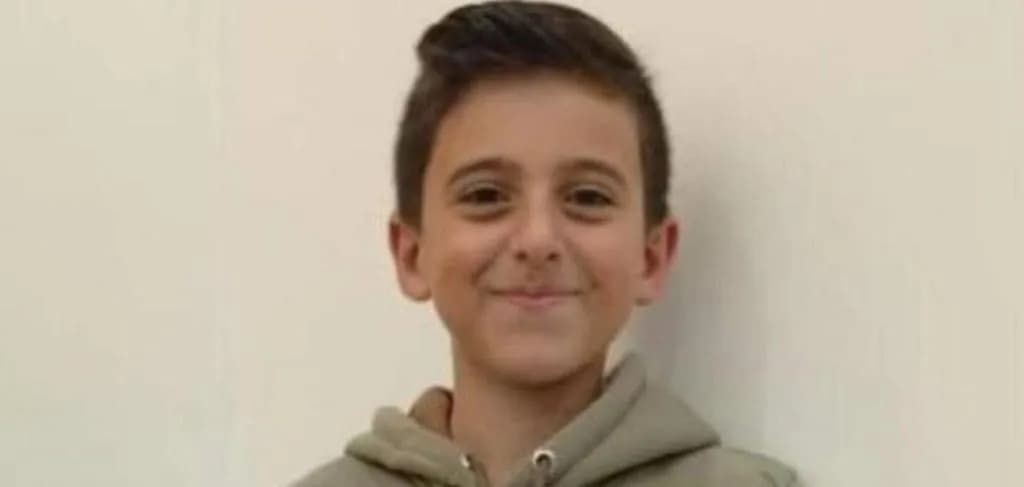
11-Year-Old Lebanese Boy Killed in Israeli Strike Buried Amid Tears and Defiance
11-year-old Jawad Younes and uncle Ragheb killed in Israeli strike on Lebanon
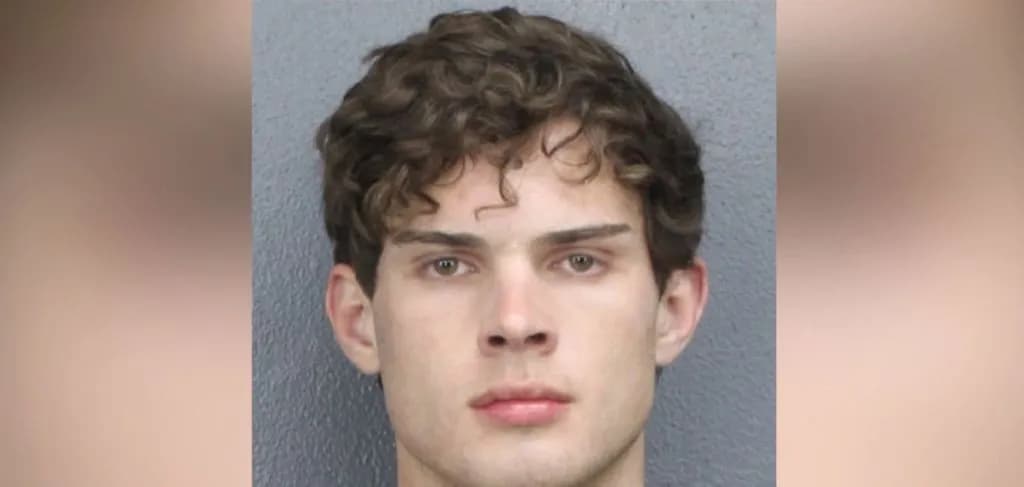
US 'Looksmaxxing' Influencer Clavicular Arrested on Battery Charges in Florida
Looksmaxxing influencer Clavicular (Peters) arrested in Florida on battery charges

Zelensky Visits Gulf States as Iran Strikes Ukrainian Drone Defense Facility in UAE
Iran strikes Ukrainian drone defense facility in UAE during President Zelensky's Gulf tour