COP 30: Where Climate Justice Meets Social Justice in the Amazon
UN Climate Conference in Belém, Brazil—Can Traditional Knowledge Hold the Key to Earth's Future?
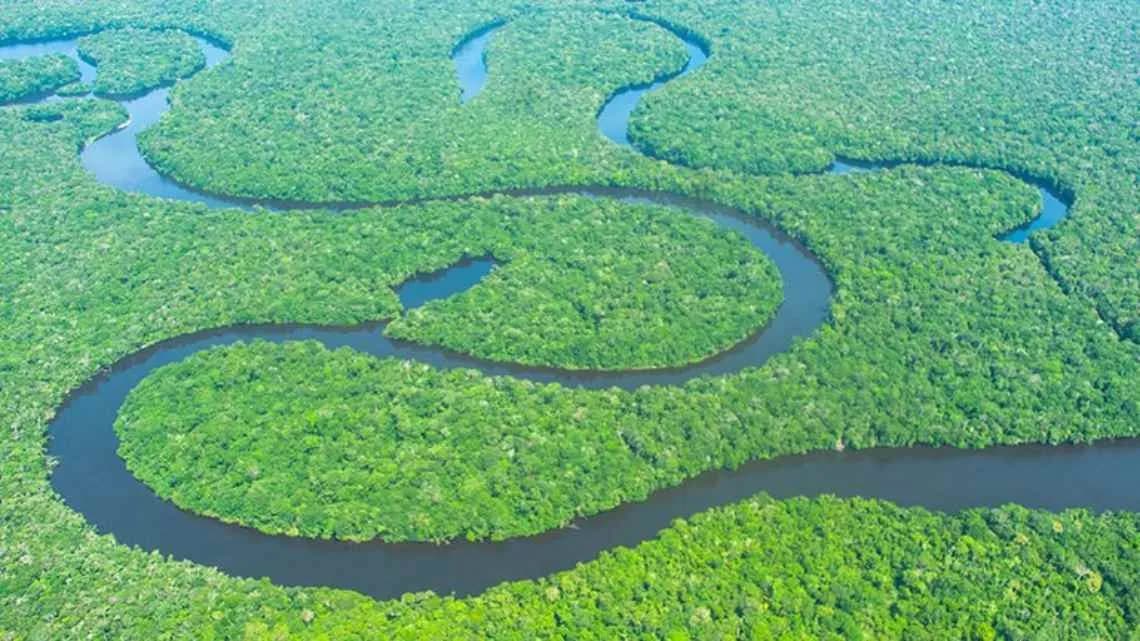
- •COP 30, taking place in Belém, Brazil this November, could mark a turning point integrating climate justice with social justice.
- •Indigenous traditional knowledge and sustainable farming practices are being positioned as central solutions to the climate crisis.
- •Contradictory policies within Brazil, including passage of a deforestation bill, threaten to undermine the conference's outcomes.
Humanity's Crossroads in the Heart of the Amazon
This November, the 30th Conference of the Parties to the UN Framework Convention on Climate Change (COP 30) will convene in Belém, Pará state, northern Brazil. This is more than a climate conference—it's a moment when humanity decides what kind of future it will create.
There's an Andean saying: "The future is not where we are going, but what we are building." Hermano Castro, a journalist for Brazil's Le Monde Diplomatique, recently cited this proverb in an op-ed emphasizing COP 30's significance. He argues it must be a conference where climate justice and social justice converge.
Solutions Found in Traditional Knowledge, Not Corporate Innovation
Castro contends that solutions to the climate crisis don't exist solely in corporate research labs. Community kitchens providing healthy food to vulnerable populations, farming methods that regenerate soil without chemical fertilizers, millennia-old wisdom from indigenous shamans (pajés), women preserving traditional fishing practices, and female workers processing palm fruits—these, he argues, hold the real solutions.
These communities view the Earth not as property but as "Mother," recognizing the interconnection of all natural elements. Yet Brazil has recently passed the "devastation bill" (PL da devastação) and expanded oil development. Castro warns: "If Brazil fails to translate this traditional knowledge into policy at COP 30, this conference will be remembered not as 'the Amazon COP' but as 'the COP that sold out the forest.'"
Universities as Bridges Between Traditional and Modern
Brazilian universities are joining the transformation. The Federal University of Minas Gerais (UFMG) operates educational programs integrating traditional knowledge with academic learning, aiming to train multicultural specialists who can connect both worlds.
Castro proposes establishing an International Center for Traditional Knowledge and Climate Change in the Amazon following COP 30. The vision includes public research institutions developing environmental and social policies while connecting indigenous forest communities with international policymakers.
Why Belém: Where Symbolism Meets Strategy
The venue selection carries meaning. The Amazon symbolizes modern civilization's contradictions between preservation and destruction while remaining critically important for preventing climate collapse.
Recent COPs have been hosted by "Petro-Estados" deeply tied to fossil fuel industries. Some environmental activists view Brazil's hosting as a turning point. However, Castro highlights Brazil's internal contradictions: claiming environmental leadership while passing deforestation legislation creates a duality that could undermine COP 30's success.
Future Outlook [AI Analysis]
For COP 30 to achieve tangible results, several conditions must be met.
First, institutionalizing traditional knowledge is essential. Sustainable management practices from indigenous communities must be elevated from case studies to core models in international climate policy. Second, the Brazilian government must ensure consistency in domestic environmental policy. Regressive legislation like the devastation bill threatens to erode international trust.
Third, establishing knowledge exchange platforms is necessary. If the proposed international center materializes, it could bridge the gap between scientific and traditional communities.
If this conference succeeds in spreading recognition that climate justice cannot be separated from social justice, COP 30 may be recorded as a meaningful turning point in climate conference history.
댓글 (3)
흥미로운 주제입니다. 주변에도 공유해야겠어요.
30:에 대해 더 알고 싶어졌습니다. 후속 기사 부탁드립니다.
좋은 의견이십니다.
More in Life

Beyond Vaccines: Refusal of Newborn Vitamin K Shots Spreads

NASA Restores Historic 80-Year-Old 'Hangar One' at Ames Research Center

NASA X-59 Supersonic Experimental Aircraft Completes Second Test Flight Successfully

Australian Researchers Develop World's First Quantum Battery Prototype
The Ocean Was the True Driver of 3 Million Years of Climate Change
Heat Waves to Cause 700,000 Premature Deaths by 2050… Climate Crisis Undermines Exercise Habits
Latest News
이스라엘, 헤즈볼라 무기 통로 레바논 다리 공습
이스라엘군, 헤즈볼라 무기 통로 레바논 다리 공습
중동행 전세기 전쟁보험료 최고 7천500만원
중동행 전세기 전쟁보험료가 최고 5만달러(7천500만원)로 상승
이란 탄도미사일, 이스라엘 방어망 뚫고 160명 부상
이란 탄도미사일이 이스라엘 방공망을 통과해 160명 부상

Middle East Conflict Drives Manufacturing Outlook to 10-Month Low
The Korea Institute for Industrial Economics & Trade survey shows April manufacturing outlook PSI plummeted to 88, falling below baseline for the first time in 10 months.

Lee Jae-myung Administration Excludes Multi-Home Officials from Real Estate Policymaking
President Lee Jae-myung has ordered the exclusion of multi-home owning public officials from all real estate policy processes.

Southeast Asia Growth Forecasts Cut Amid Oil Price Surge, Threatening Korean Exports
Maybank Research has downgraded ASEAN-6's 2026 growth forecast from 4.8% to 4.5%.

Volkswagen CEO Says Germany Should Learn from China's Industrial Strategy
Volkswagen CEO stated that Germany should learn from China's systematic industrial planning approach.

Reddit Considers Face ID to Block Bots While Maintaining Anonymity
Reddit is considering implementing biometric authentication systems such as Face ID and Touch ID to block AI bots while maintaining anonymity.