Could a Roman Cathedral Bust Be Michelangelo's Work?
Independent researcher uncovers 19th-century attribution records… Renaissance scholars urge caution
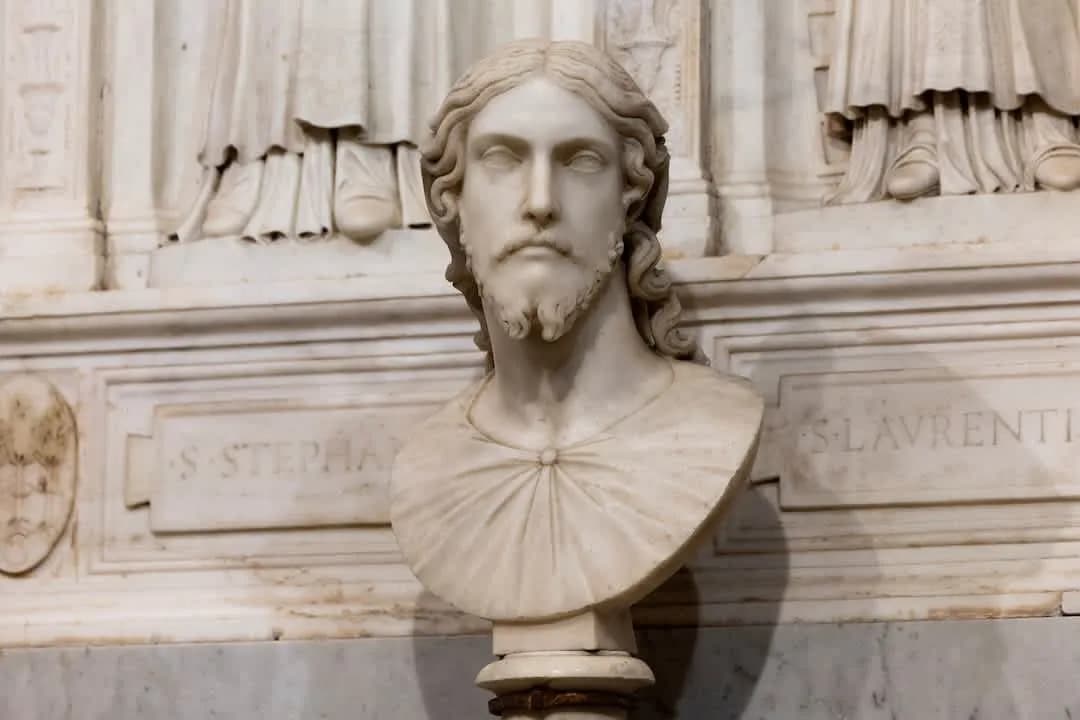
- •An anonymous marble bust at Rome's Sant'Agnese cathedral has been claimed as a potential Michelangelo work.
- •Independent researcher presented 19th-century attribution records and notarial documents as evidence, but scholars are demanding peer review.
- •Michelangelo attribution disputes have continued for centuries, requiring scientific verification and academic consensus.
An Anonymous Masterpiece Emerges After 500 Years
A marble bust of Christ housed in Rome's Sant'Agnese fuori le Mura cathedral may be a work by Michelangelo, according to a new claim. Independent researcher Valentina Salerno held a press conference on the 4th (local time), stating that the work lost its attribution in the 19th century and can be traced back to Michelangelo through notarized records, wills, and confraternity documents.
Salerno, a researcher with a background in theater and literature rather than art history, has drawn attention because this announcement represents independent research that has not been published in formal academic journals. She also claimed that Michelangelo hid sculptures in a secret space before his death in 1564.
Academic Response: Between Anticipation and Skepticism
Italy's Ministry of Culture declined to participate in the announcement, while Renaissance art historians maintain a cautious stance. Experts emphasize that attribution claims must be published in peer-reviewed academic papers.
Michelangelo is one of the most copied artists in history, with countless cases of works being mistakenly attributed to him. For this reason, experts point out that document records alone cannot determine a work's authenticity, and that stylistic analysis and scientific verification must be conducted in parallel.
History of Michelangelo Attribution Disputes
Attribution disputes surrounding Michelangelo's works have continued for centuries. After his death in the 16th century, numerous works were traded under his name, and many pieces underwent reevaluation as art history became systematized in the 19th century. In fact, the Sant'Agnese cathedral bust is believed to have lost its clear attribution during this period.
With the advancement of scientific analysis techniques in the 20th century, marble composition analysis, X-ray imaging, and infrared reflectography have been utilized in determining work authenticity. Recently, in 2019, two of Michelangelo's bronze statues were confirmed as authentic through scientific verification and documentary research.
Future Outlook [AI Analysis]
For this claim to receive official recognition from the academic community, it will likely need to go through several stages. First, historians must cross-verify the documentary records, and art historical analysis must support whether the bust's stylistic features align with Michelangelo's other works.
If additional research validates this claim, it will be recorded as an important discovery in Renaissance art history. Conversely, if evidence proves insufficient, it will likely remain as one of many disputed cases surrounding Michelangelo attribution. The academic community is watching closely as this independent researcher's findings undergo verification through formal scholarly systems.
댓글 (3)
Could 관련 기사 잘 읽었습니다. 유익한 정보네요.
간결하면서도 핵심을 잘 정리한 기사네요.
그 부분은 저도 궁금했습니다.
More in Culture & Art

‘Crush’, ‘Tero’, ‘Jidae’… The languages of North and South Korea are becoming increasingly distant.
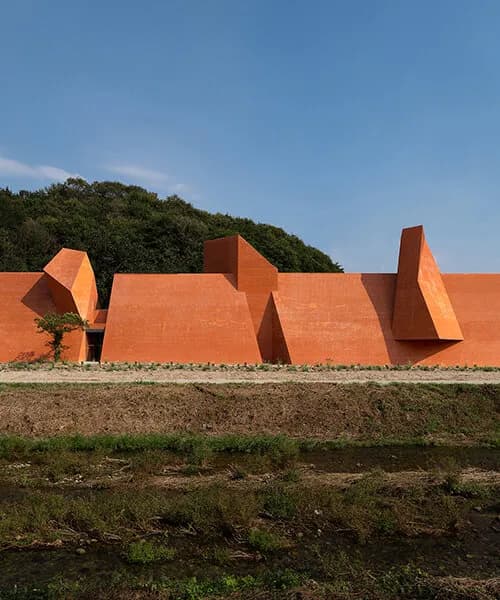
‘Fortress Café’ stands tall in the forests of Gangwon-do, reinterpreting ancient fortress walls through modern architecture.
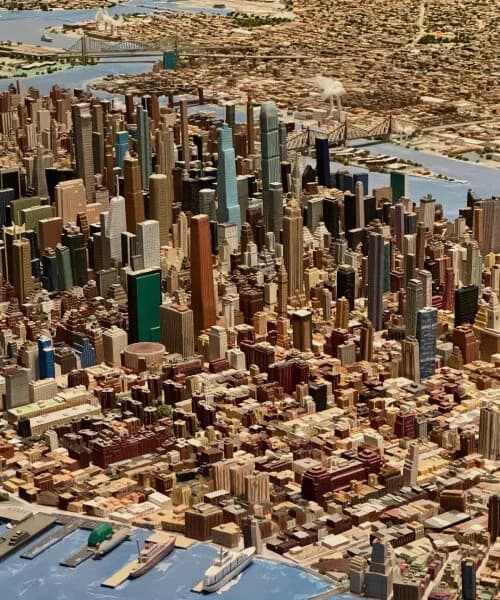
New York, hand-carved for 21 years, unveiled for the first time at an art museum
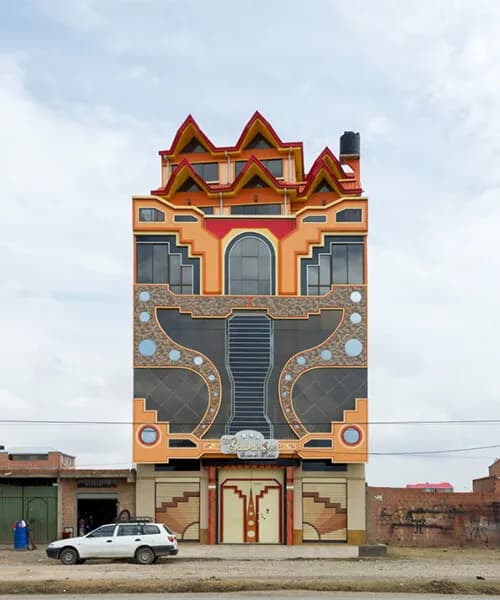
Freddie Mamani colors the city with Andean culture
An abandoned concrete pipe is reborn as a playground... Busan Museum of Art ‘Concrete Utopia’
A Swedish artist's house, the essence of architecture that becomes one with nature
Latest News
"간부 잘 아는데 교통비 좀" 휴가 군인들 돈 뜯은 50대 구속
50대 A씨가 휴가 중인 군인들에게 부대 간부를 아는 척 접근해 돈을 사취

英 옥토퍼스, 이란 전쟁 이후 태양광 판매 50% 증가
이란 전쟁 이후 영국 옥토퍼스의 태양광 판매량 50% 증가
당정 "추경, 지방·취약계층에 더 지원되는 방식으로"
당정이 지방자치단체와 취약계층 중심의 추경 편성 방침 재확인
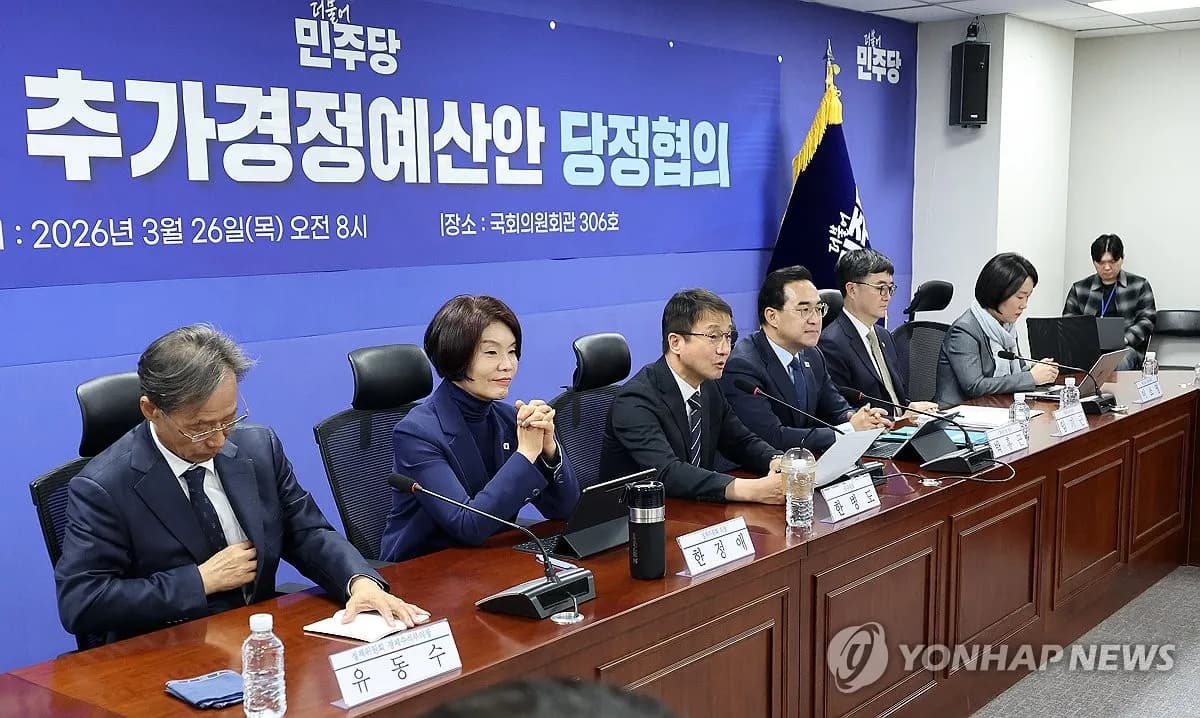
당정, 석유 최고가격제 손실 보전을 추경에 반영키로
당정이 석유 최고가격제 손실을 추경에 반영하기로 결정
어머니 폭행하고 금팔찌 빼앗은 30대 아들 경찰에 붙잡혀
어머니 폭행 후 금팔찌 빼앗은 30대 남성 체포
아이티 갱단 폭력사태로 10개월간 5천명 이상 사망
아이티에서 지난 10개월간 갱단 폭력으로 5천명 이상 사망
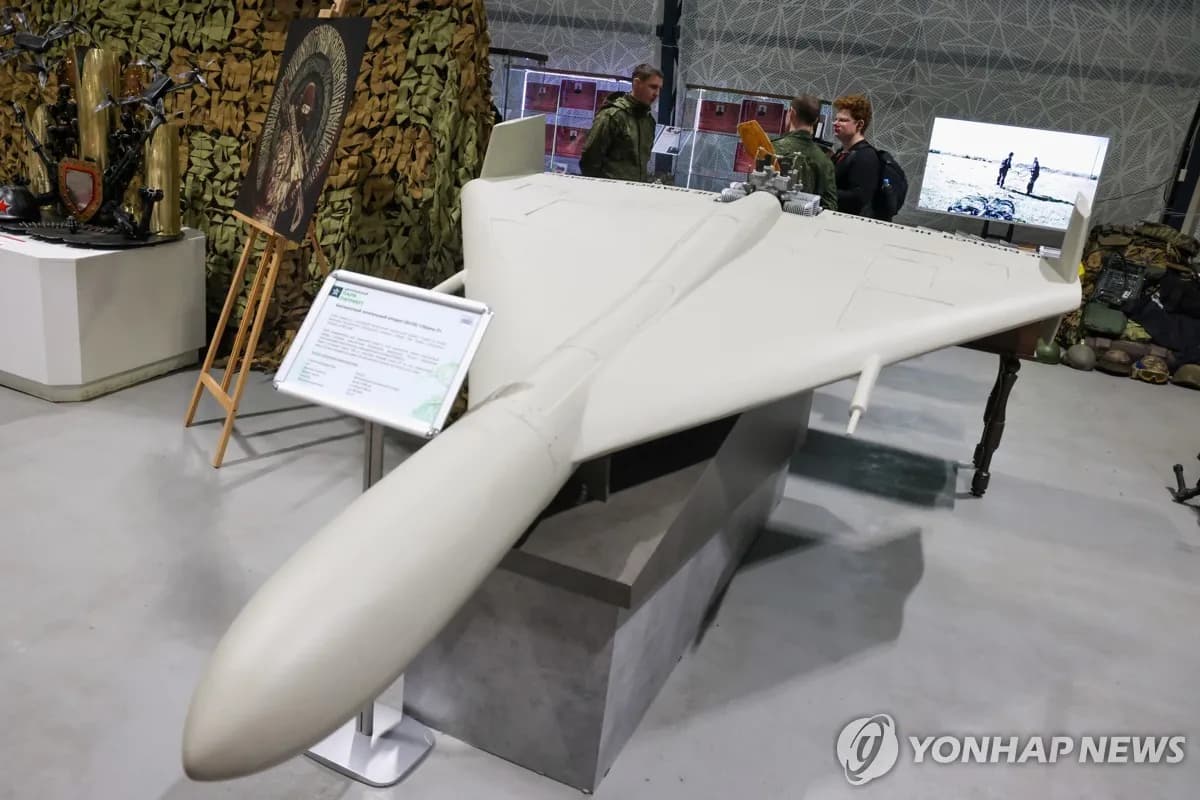
서방 정보당국 "러시아, 우크라이나 전쟁 후 이란에 드론·식량 공급"
서방 정보당국, 러시아의 이란 드론·식량 공급 작업 거의 완료 파악

6년 전 세 살 딸 살해한 30대 친모 구속송치
경찰, 6년 전 세 살 딸 살해 혐의 30대 친모를 구속송치