Dominican Republic Implements New Public Procurement Law, Transparency Expected to Strengthen
Includes Expanded SME Participation and Anti-Corruption Penalties, Abolishes Past Exclusionary Guidelines
- •The Dominican Republic has implemented a new public procurement law with 248 articles, introducing expanded SME participation and anti-corruption penalty provisions.
- •Experts are welcoming the abolition of financial requirement guidelines that had excluded more than 95% of companies from participation.
- •The new law aims to establish a transparent and inclusive bidding process, with provisions for imprisonment of public officials who violate it.
President Abinader Enacts Comprehensive Public Procurement Law
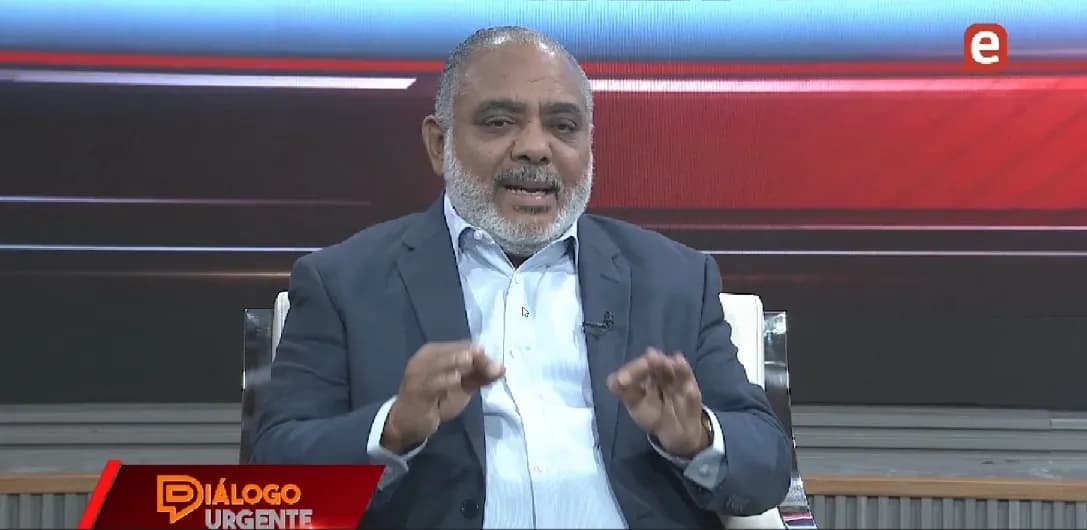
Teodoro Tejada, former president of the Dominican Republic's College of Architects and Civil Engineers (CODIA), positively assessed the Public Procurement Law (Law 47-25) enacted by President Luis Abinader on July 28 last year.
Tejada explained that this new legislation will establish a new regulatory framework for bidding and public contracting processes, and as President Abinader emphasized, the law is inclusive and participatory, taking into account small and medium-sized enterprises (SMEs) and women. It also includes provisions for imprisonment of public officials who violate the law.
Replaces Existing Law 340-06, Expands to 248 Articles
The new law significantly expands the existing Law 340-06 (30 articles) to 248 articles, strengthening aspects that ensure the sustainability of national resource management. Tejada warned that despite the President enacting such a transparency-focused law, it would be meaningless if the Public Procurement Directorate again issues guidelines that are "odious, exclusionary, abusive, and a conduit for corruption."
Abolition of Past Exclusionary Guidelines
Tejada specifically pointed to Public Procurement Directorate Guideline 44-PNP-2023-0011. This guideline set excessive financial requirements for open bidding processes in Articles 7.1 and 7.2, including 15% requirements for SMEs and 30% for individuals or corporations.
He explained, "This guideline was based on Article 8.3 of Law 340-06, but Article 245 of the new law invalidated it, leading to its abolition along with related implementing decrees Law 449-06 and Law 416-23." Tejada criticized that such exclusionary guidelines prevented more than 95% of the country's suppliers from participating in open bidding.
Expectations for Enhanced Transparency and Participation
Tejada expressed gratitude to President Abinader for promoting this new law to enhance transparency in public procurement. He stated, "This law imposes democratic, participatory, and pluralistic transparency on public procurement," and expressed hope that the President would manage to prevent the Public Procurement Directorate from issuing exclusionary guidelines again.
Tejada, who is also a construction industry entrepreneur, predicted that this legislation will bring substantial changes to the Dominican Republic's public procurement system.
댓글 (5)
Dominican 관련 기사 잘 읽었습니다. 유익한 정보네요.
그 부분은 저도 궁금했습니다.
Republic에 대해 더 알고 싶어졌습니다. 후속 기사 부탁드립니다.
기사 잘 봤습니다. 다른 시각의 분석도 읽어보고 싶네요.
그 부분은 저도 궁금했습니다.
More in Sports & Esports

Boston Red Sox's 'lobster poutine' faces strong protests in Canada

Free drink for every 420-foot MLB home run... Mountain Dew holds a unique promotion

살라, 리버풀 떠난다...프리미어리그 역대 최고 공격수는?

Santo Domingo's Malecón Sports Park Construction Progressing Smoothly

Pogačar Overcomes Crash to Win Milano-Sanremo, Achieves Four Monument Victories

UFC 313: Jones vs. Aspinall Heavyweight Title Fight Confirmed
Latest News
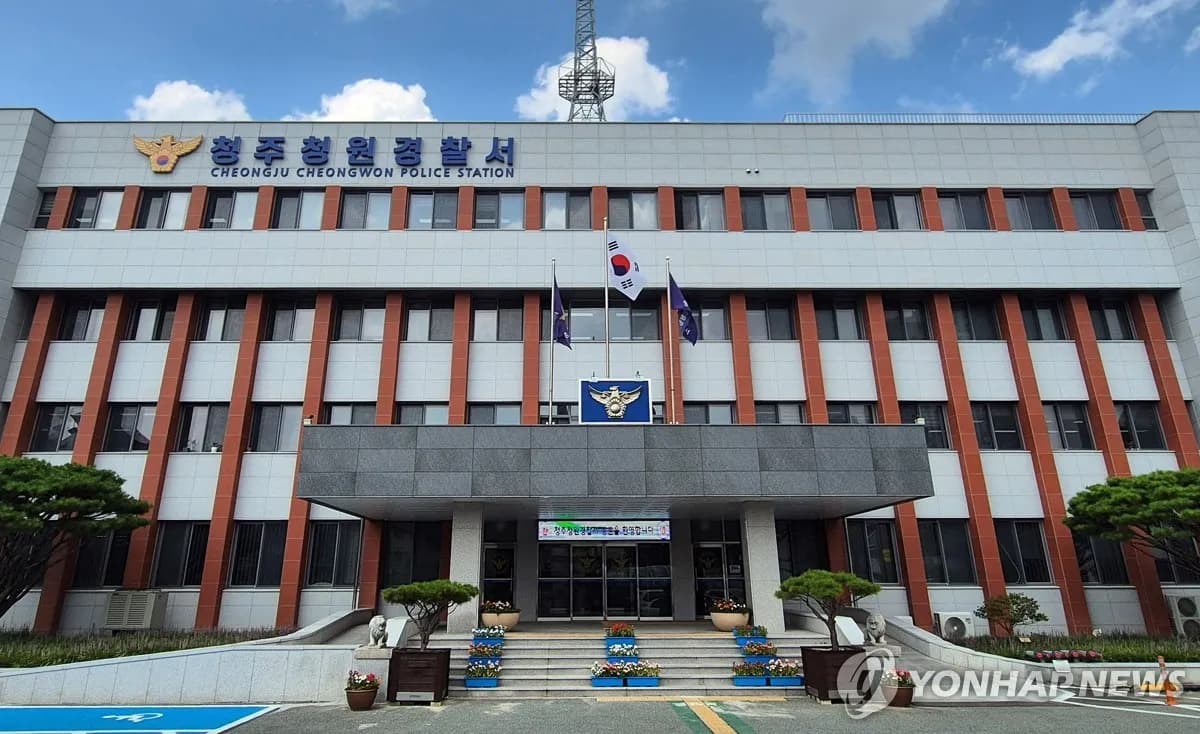
"간부 잘 아는데 교통비 좀" 휴가 군인들 돈 뜯은 50대 구속
50대 A씨가 휴가 중인 군인들에게 부대 간부를 아는 척 접근해 돈을 사취

英 옥토퍼스, 이란 전쟁 이후 태양광 판매 50% 증가
이란 전쟁 이후 영국 옥토퍼스의 태양광 판매량 50% 증가
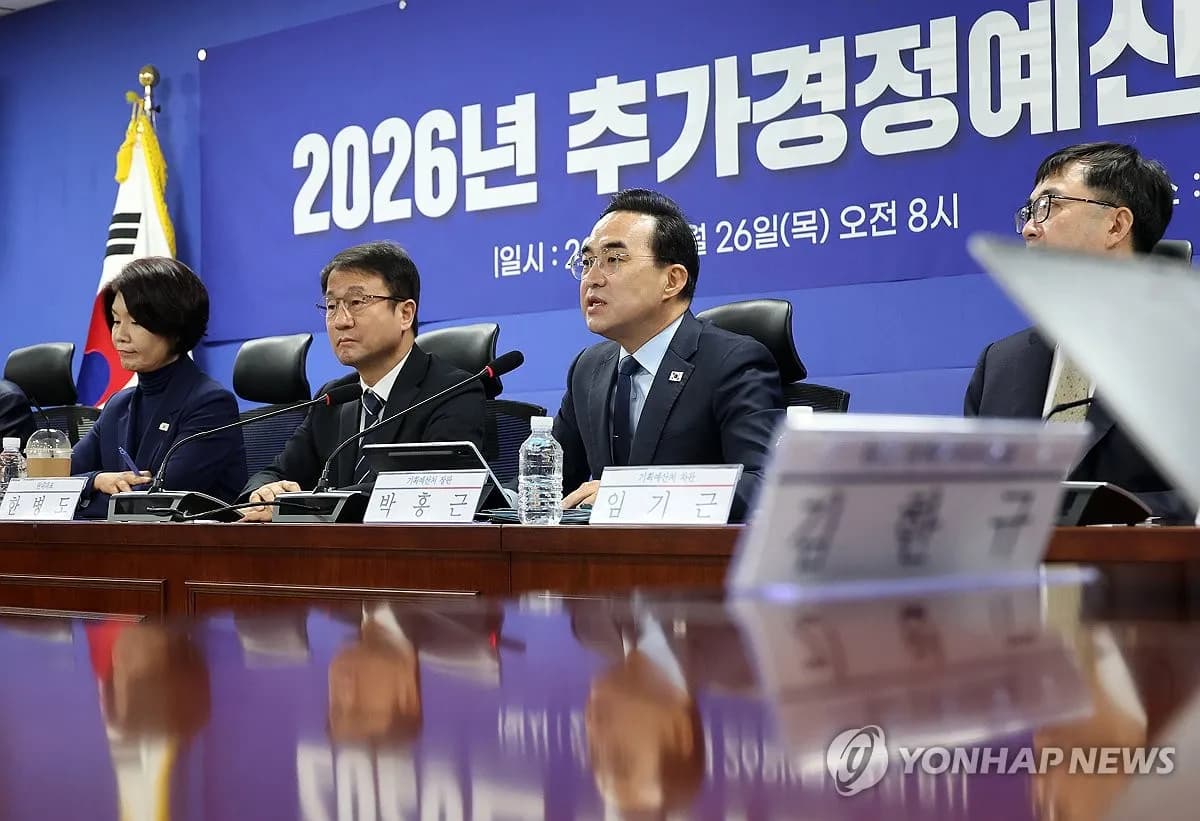
당정 "추경, 지방·취약계층에 더 지원되는 방식으로"
당정이 지방자치단체와 취약계층 중심의 추경 편성 방침 재확인
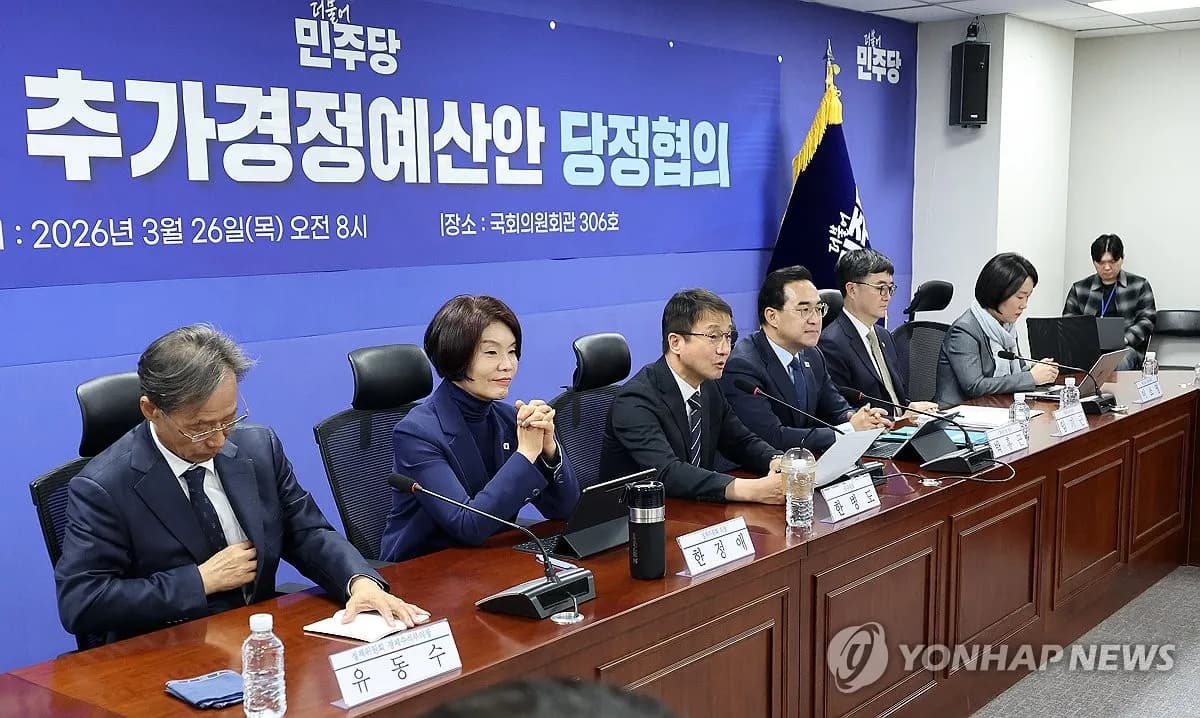
당정, 석유 최고가격제 손실 보전을 추경에 반영키로
당정이 석유 최고가격제 손실을 추경에 반영하기로 결정
어머니 폭행하고 금팔찌 빼앗은 30대 아들 경찰에 붙잡혀
어머니 폭행 후 금팔찌 빼앗은 30대 남성 체포
아이티 갱단 폭력사태로 10개월간 5천명 이상 사망
아이티에서 지난 10개월간 갱단 폭력으로 5천명 이상 사망

서방 정보당국 "러시아, 우크라이나 전쟁 후 이란에 드론·식량 공급"
서방 정보당국, 러시아의 이란 드론·식량 공급 작업 거의 완료 파악

6년 전 세 살 딸 살해한 30대 친모 구속송치
경찰, 6년 전 세 살 딸 살해 혐의 30대 친모를 구속송치