ECB Holds Rates for Sixth Consecutive Month, Sharply Raises Inflation Outlook to 2.6% Amid Middle East Conflict
Deposit rate maintained at 2.00%, eurozone inflation forecast raised from 1.9% to 2.6% amid energy price surge
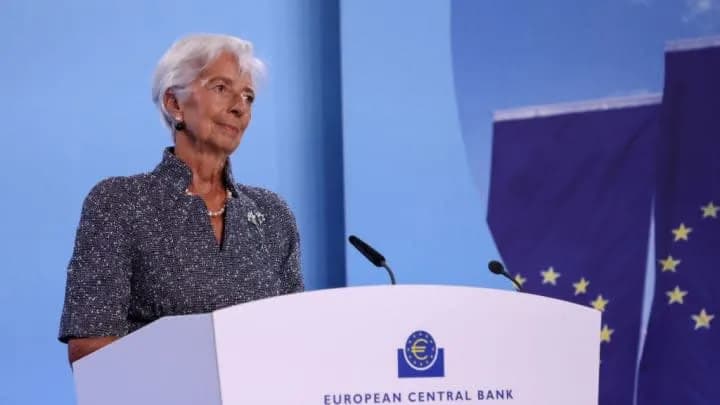
- •The ECB held its deposit rate at 2.00% for the sixth consecutive month while sharply raising its eurozone inflation forecast from 1.9% to 2.6%.
- •Inflationary pressures have reemerged as energy prices surge amid the Middle East conflict, while the economic growth outlook was downgraded to 0.9%.
- •Uncertainty in eurozone monetary policy is growing, with rate hike possibilities being discussed if energy price increases persist.
Eurozone Monetary Policy Shaken by Middle East Instability
The European Central Bank (ECB) held a monetary policy meeting on the 19th (local time) and kept all three key policy rates unchanged. The deposit rate was unanimously set at 2.00%, the main refinancing rate at 2.15%, and the marginal lending rate at 2.40%. This marks the ECB's sixth consecutive rate hold since July of last year.
The notable development is the sharp upward revision of inflation forecasts. The ECB raised its eurozone consumer price inflation outlook for this year from 1.9% to 2.6%, an increase of 0.7 percentage points. Meanwhile, the economic growth forecast was lowered from 1.0% to 0.9%. The surge in energy prices due to the Middle East conflict was cited as the primary factor.
Global Interest Rate Differential Status
With this hold, interest rate differentials between the eurozone and major economies remain unchanged. The gap between the eurozone deposit rate and South Korea's base rate (2.50%) stands at 0.50 percentage points, while the differential with the U.S. federal funds rate (3.50-3.75%) is 1.50-1.75 percentage points.
The ECB reduced policy rates by a total of 2.00 percentage points across eight cuts over one year starting in June 2024, then shifted to a hold stance in July of last year. This is interpreted as a cautious approach to respond to Middle East geopolitical uncertainties while staying close to the inflation target of 2%.
Resurgence of Inflationary Pressures
The eurozone successfully stabilized inflation from a peak of over 10% in late 2022 to the low 2% range by the end of 2024. The ECB implemented a total of 4.50 percentage points in rate hikes from July 2022 to September 2023, and as disinflation became evident, entered an easing cycle in June 2024.
However, the Middle East conflict is disrupting this trajectory. Rising crude oil prices directly impact European energy markets, and the ECB stated it is closely monitoring "the impact of energy prices on consumer prices and the broader economy." Having experienced an energy crisis during the Russia-Ukraine war in 2022, the eurozone could face an even more complex dilemma if Middle East tensions persist.
Dual Pressures of Growth and Inflation
The ECB stated that "the outlook has become significantly more uncertain due to the Middle East conflict," diagnosing that "risks of rising inflation and declining economic growth are occurring simultaneously." This represents typical stagflation concerns.
Prior to the conflict, the eurozone economy showed moderate recovery. Real wage increases boosted private consumption, while construction investment and corporate technology investment also expanded. The services sector particularly drove growth. However, energy price shocks could weaken this recovery momentum.
Future Outlook [AI Analysis]
The ECB's future policy direction is likely to depend heavily on the intensity and duration of the Middle East conflict. If energy price increases prove temporary, the current hold stance will be maintained, but if prolonged, rate hike scenarios discussed in markets cannot be ruled out.
However, given growth slowdown concerns, the ECB is expected to continue a data-dependent approach rather than premature tightening. ECB President Christine Lagarde's emphasis that "medium to long-term impacts depend on the intensity and duration of the conflict, and the ripple effects of energy prices on consumer prices and the economy" reflects this context.
From South Korea's perspective, while the 0.50 percentage point differential with the eurozone remains relatively stable, the still-large gap with the U.S. (1.50-1.75 percentage points) could act as an exchange rate volatility factor. As global monetary policy divergence continues, Middle East developments are emerging as an additional variable.
댓글 (6)
ECB 문제가 장기화되면 어떻게 될지 우려됩니다.
이 부분은 저도 주시하고 있습니다.
경제 상황이 좋지 않은데, 정부의 대응이 아쉽습니다.
이 부분은 저도 주시하고 있습니다.
Rates 상황이 심각하네요. 서민들 피해가 걱정됩니다.
이 부분은 저도 주시하고 있습니다.
More in Economy

당정, 석유 최고가격제 손실 보전을 추경에 반영키로

미·이란 긴장 한 달, 금융시장 요동…장기화 우려

뉴욕증시 3대 지수 동반 상승…이란 휴전 기대감

Elon Musk's X recruits a cryptocurrency expert as head of design... ‘X Money’ launch imminent

BitGo-GK Sync plans to build ‘tokenized deposit’ infrastructure for banks

The other side of prediction markets: Ethical dilemmas of cryptocurrency platforms dealing in war and terrorism
Latest News

"간부 잘 아는데 교통비 좀" 휴가 군인들 돈 뜯은 50대 구속
50대 A씨가 휴가 중인 군인들에게 부대 간부를 아는 척 접근해 돈을 사취

英 옥토퍼스, 이란 전쟁 이후 태양광 판매 50% 증가
이란 전쟁 이후 영국 옥토퍼스의 태양광 판매량 50% 증가
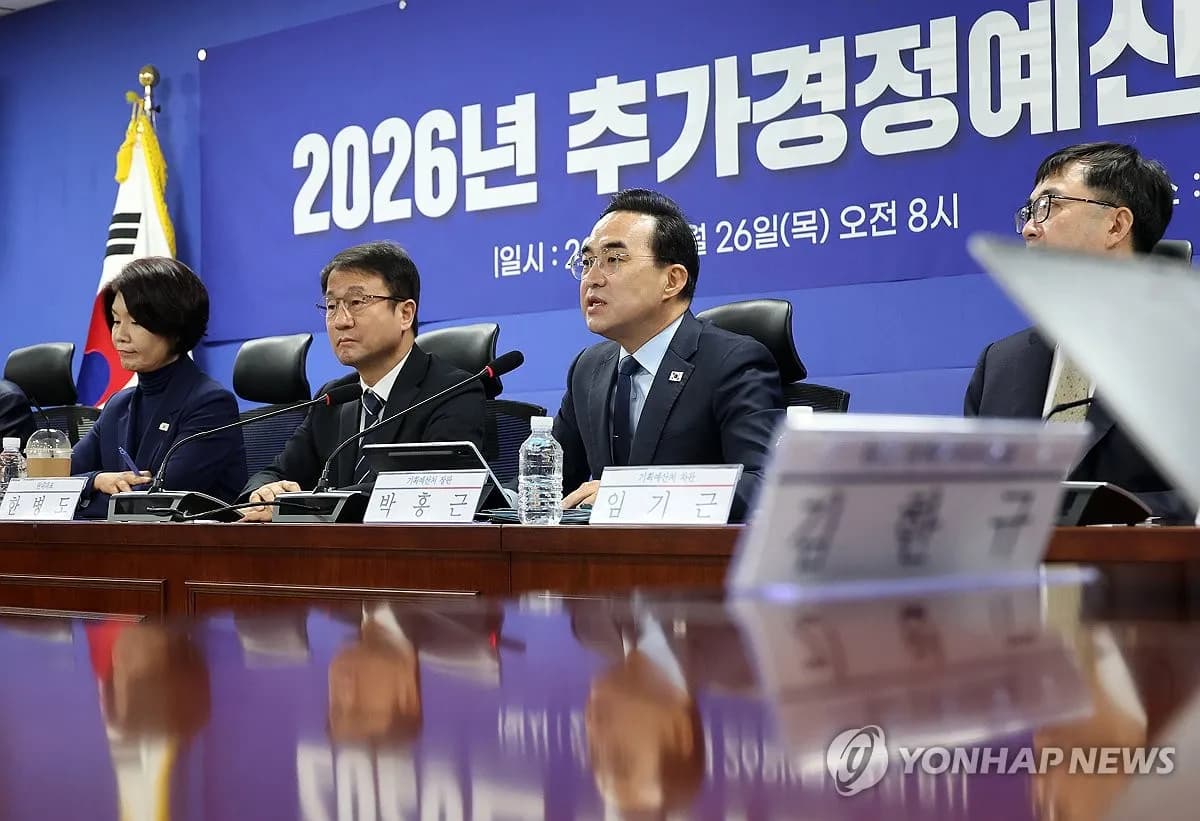
당정 "추경, 지방·취약계층에 더 지원되는 방식으로"
당정이 지방자치단체와 취약계층 중심의 추경 편성 방침 재확인
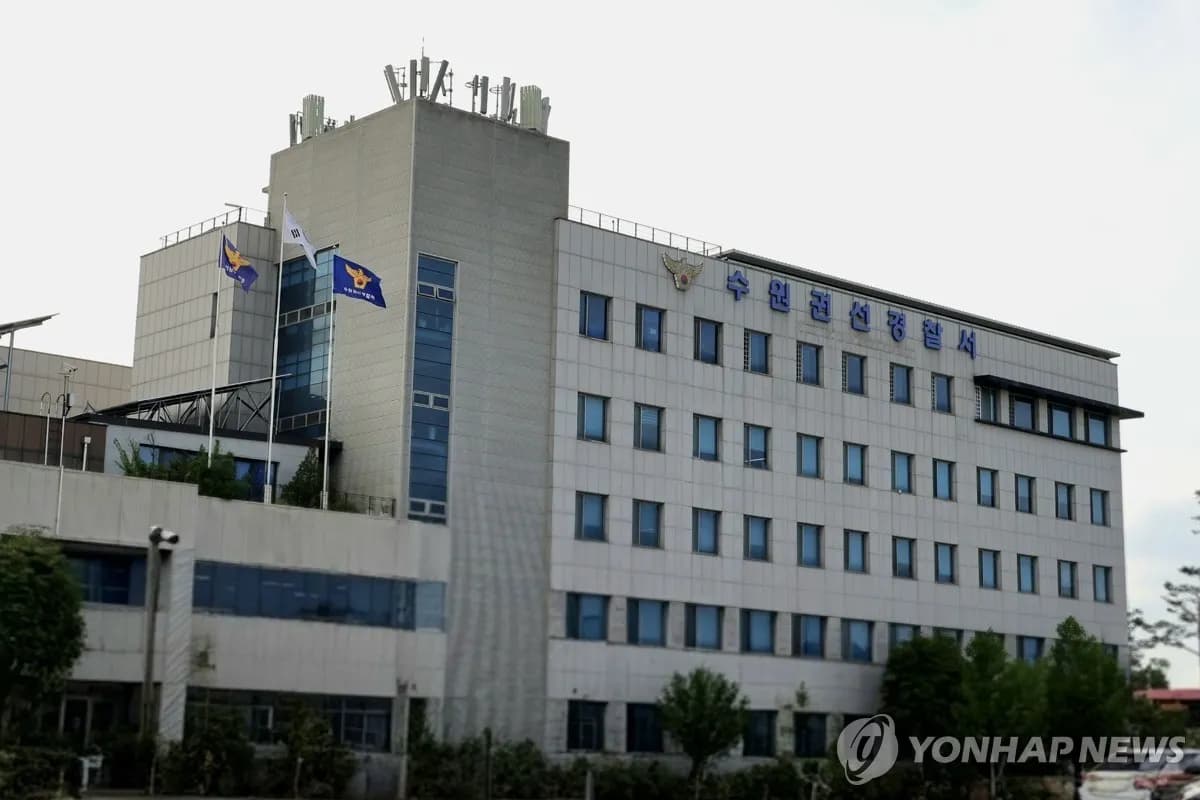
어머니 폭행하고 금팔찌 빼앗은 30대 아들 경찰에 붙잡혀
어머니 폭행 후 금팔찌 빼앗은 30대 남성 체포
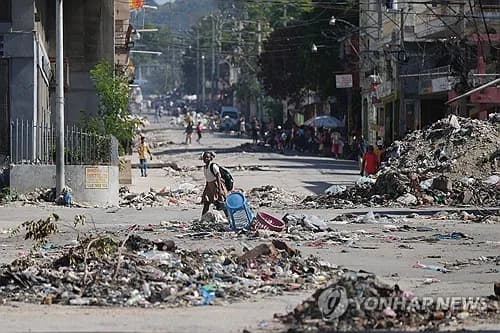
아이티 갱단 폭력사태로 10개월간 5천명 이상 사망
아이티에서 지난 10개월간 갱단 폭력으로 5천명 이상 사망
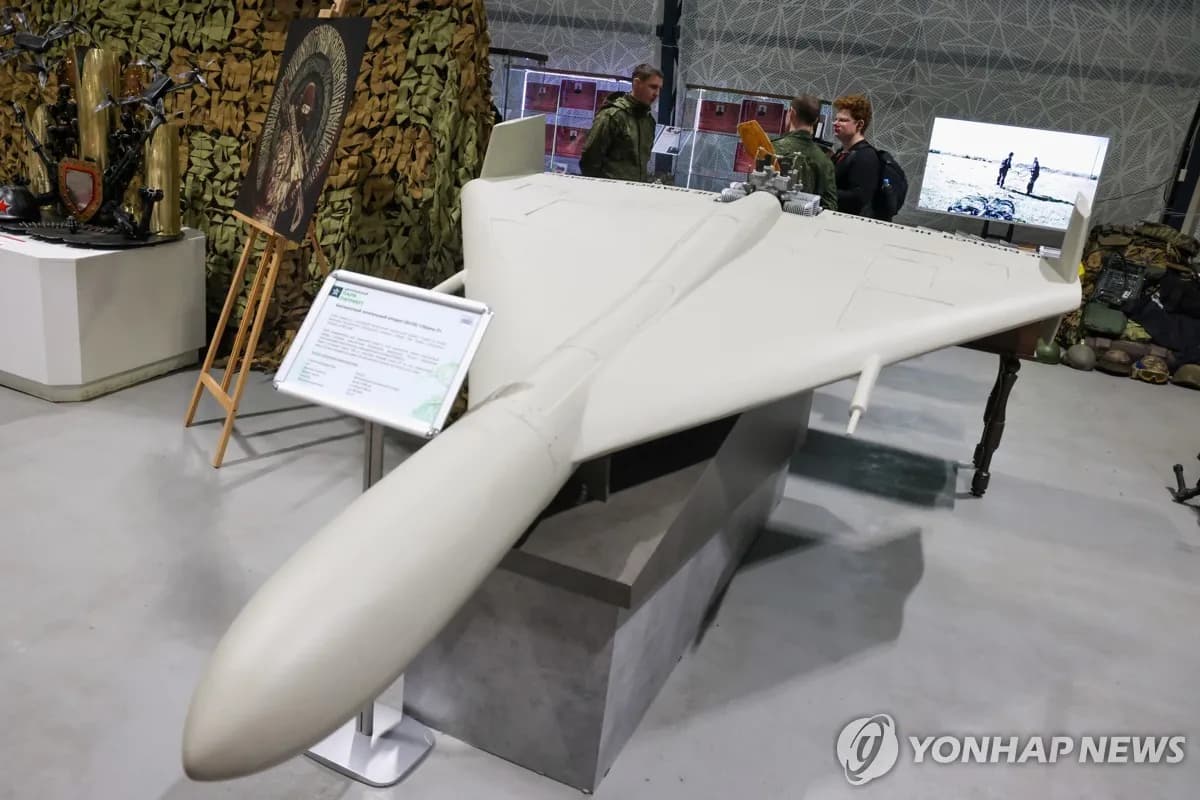
서방 정보당국 "러시아, 우크라이나 전쟁 후 이란에 드론·식량 공급"
서방 정보당국, 러시아의 이란 드론·식량 공급 작업 거의 완료 파악

6년 전 세 살 딸 살해한 30대 친모 구속송치
경찰, 6년 전 세 살 딸 살해 혐의 30대 친모를 구속송치

中企 수입 나프타의 80% 이상이 중동산…공급망 위기 심화
중소기업 수입 나프타의 80% 이상이 중동산으로 공급 의존도 높음