Emerging Markets Face 0.5%p Growth Drop if Hormuz Strait Blocked
Oil Price Surge Forces Philippines, South Africa to Consider Rate Hikes—Allianz Warns of 3.1% GDP Decline
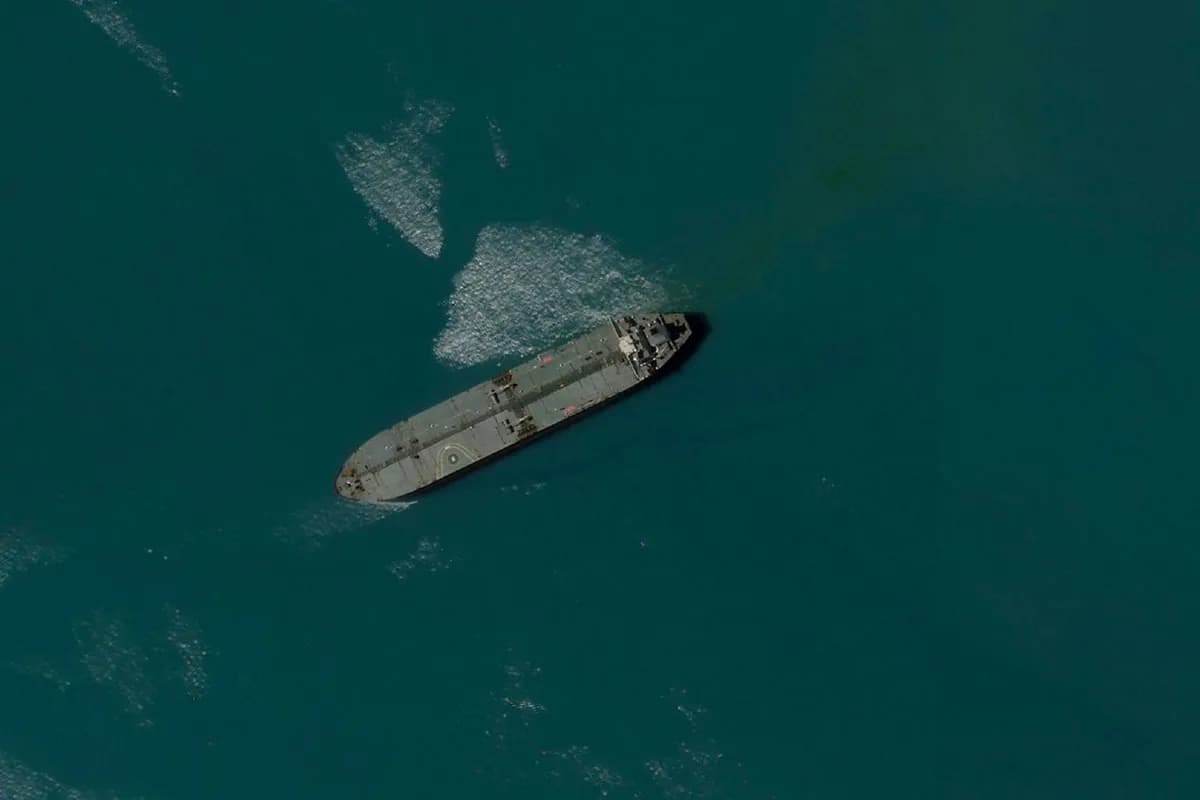
- •Allianz Trade forecasts 0.5%p growth decline and 1%p inflation increase for emerging markets if Strait of Hormuz is blocked
- •Central banks in Philippines, South Africa considering April rate hikes in response to oil price surge
- •Goldman Sachs predicts 0.5%p growth deterioration and 0.7%p inflation increase for emerging Asia if Brent crude reaches $85
Emerging Economies Face Oil Price Shock
According to a report released by Allianz Trade on March 17, a prolonged blockade of the Strait of Hormuz could reduce emerging market economic growth by 0.5 percentage points while pushing inflation up by as much as 1 percentage point. If the strait—through which approximately one-fifth of the world's oil supply currently passes—is blocked, emerging market GDP growth rates could plummet to 3.1%.
Central Banks Consider Rate Hike Options
As soaring oil prices show signs of becoming prolonged, emerging market central banks are considering tightening monetary policy. Philippine Finance Secretary Frederick Go stated that the central bank may raise interest rates in April if oil prices continue to rise. The South African Reserve Bank faces similar pressure ahead of its monetary policy decision on March 26.
Goldman Sachs estimates that if Brent crude prices surge to $85 per barrel, inflation in emerging Asia could rise by 0.7 percentage points while growth rates could fall by 0.5 percentage points. This represents a dual pressure of growth and inflation for emerging countries heavily dependent on energy imports.
Middle East Instability: How Did We Get Here?
The current oil price surge is an extension of escalating U.S.-Iran tensions and the Israel-Hamas conflict that intensified since late 2023. After the Russia-Ukraine war in 2022 reshaped energy supply chains, geopolitical risks in the Middle East have become the primary variable in global energy markets.
The Strait of Hormuz serves as the oil export route for major producers including Saudi Arabia, UAE, Iran, and Iraq, with approximately 21 million barrels of crude oil passing through daily. Ongoing tensions including the 2019 attack on Saudi oil facilities and the 2024 Iranian tanker seizure have continued, making current blockade concerns particularly serious within this historical context.
Rising Risk of Social Instability
Allianz Trade warned that energy inflation will particularly test social stability in Vietnam, Thailand, Morocco, Tunisia, and Malaysia. These countries face high energy import dependency combined with limited fiscal capacity, creating significant risk that oil price surges will directly translate into increased household burdens and social discontent.
Oxford Economics forecasts global economic growth of 2.8% in 2026, but noted that Middle East instability represents the largest downside risk to this projection.
Future Outlook [AI Analysis]
Emerging market economies will likely face a policy dilemma of "growth versus price stability" over the coming months. Attempts to suppress inflation through rate hikes could dampen domestic demand, while maintaining rates could intensify price instability—creating a vicious cycle.
Particularly as the U.S. Federal Reserve delays rate cuts, preemptive rate hikes by emerging markets could reduce capital outflow risks but may also halt economic recovery, requiring careful consideration. If Middle East tensions do not stabilize soon, emerging market central banks' monetary policy options will likely become increasingly limited.
댓글 (4)
Emerging 상황이 심각하네요. 서민들 피해가 걱정됩니다.
Markets 문제가 장기화되면 어떻게 될지 우려됩니다.
경제 상황이 좋지 않은데, 정부의 대응이 아쉽습니다.
걱정이 많이 되네요. 좋은 지적입니다.
More in Economy
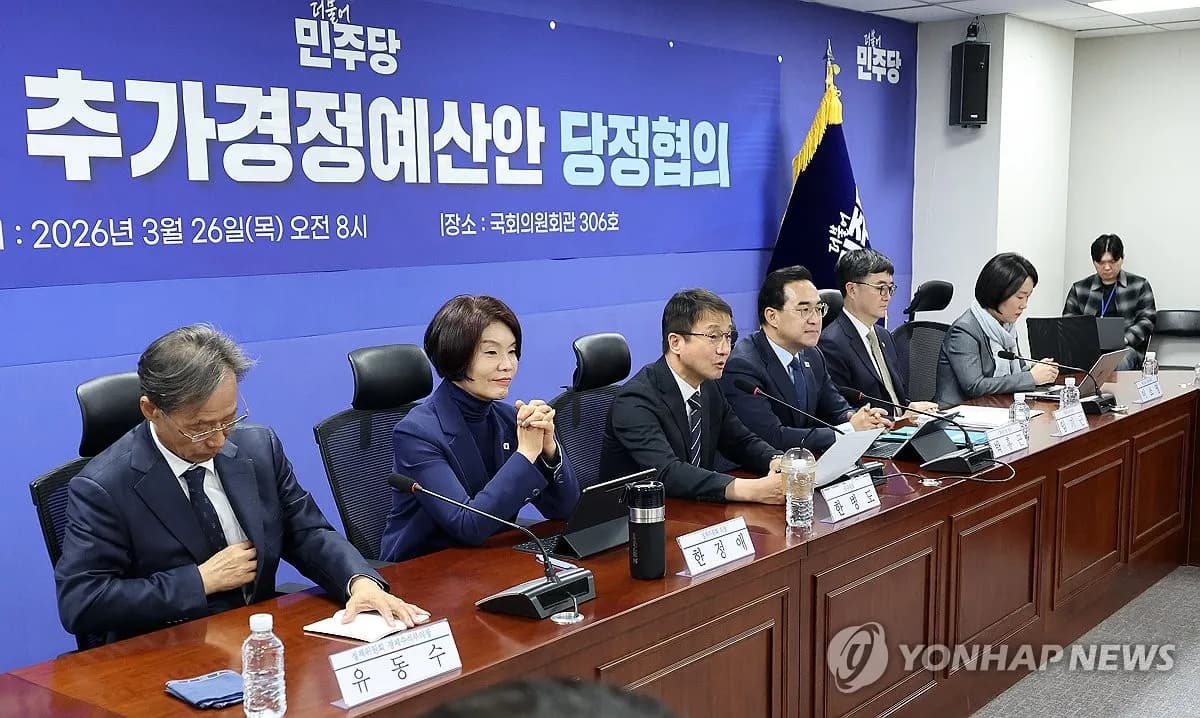
당정, 석유 최고가격제 손실 보전을 추경에 반영키로

미·이란 긴장 한 달, 금융시장 요동…장기화 우려
뉴욕증시 3대 지수 동반 상승…이란 휴전 기대감

Elon Musk's X recruits a cryptocurrency expert as head of design... ‘X Money’ launch imminent

BitGo-GK Sync plans to build ‘tokenized deposit’ infrastructure for banks

The other side of prediction markets: Ethical dilemmas of cryptocurrency platforms dealing in war and terrorism
Latest News
"간부 잘 아는데 교통비 좀" 휴가 군인들 돈 뜯은 50대 구속
50대 A씨가 휴가 중인 군인들에게 부대 간부를 아는 척 접근해 돈을 사취

英 옥토퍼스, 이란 전쟁 이후 태양광 판매 50% 증가
이란 전쟁 이후 영국 옥토퍼스의 태양광 판매량 50% 증가
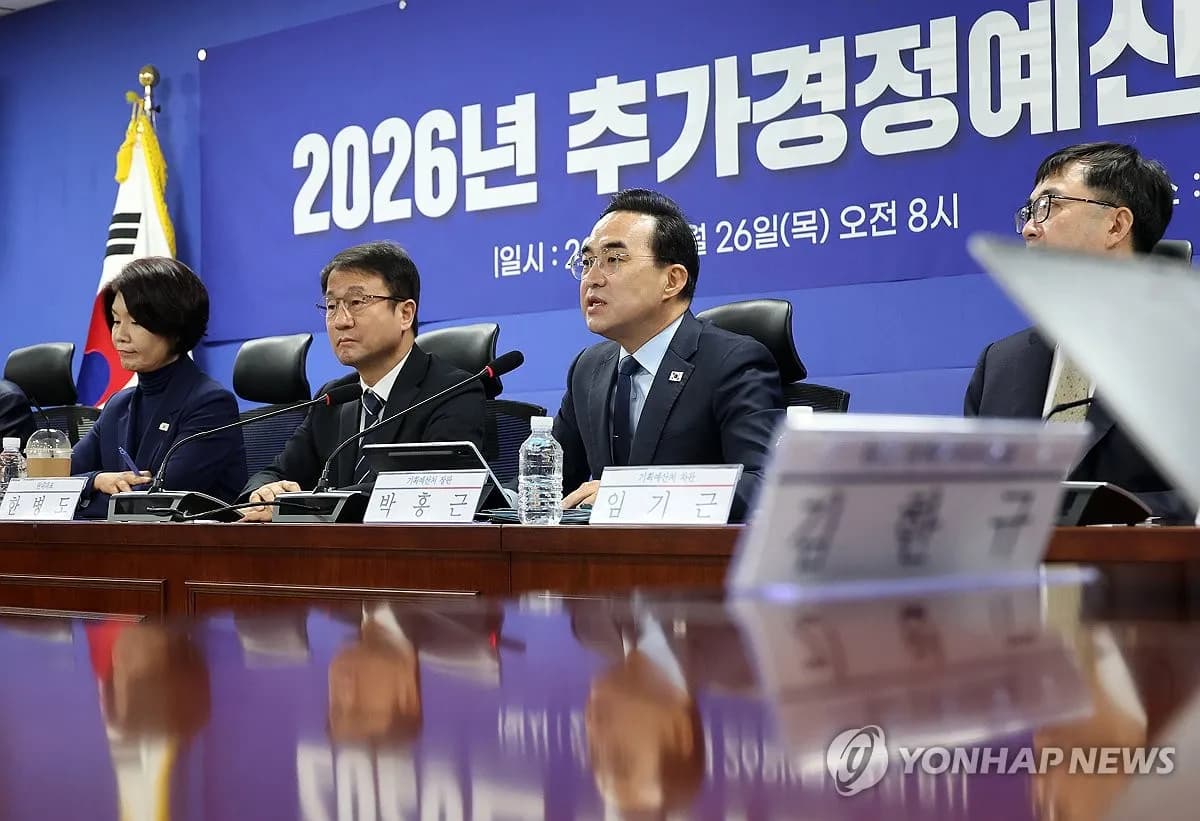
당정 "추경, 지방·취약계층에 더 지원되는 방식으로"
당정이 지방자치단체와 취약계층 중심의 추경 편성 방침 재확인
어머니 폭행하고 금팔찌 빼앗은 30대 아들 경찰에 붙잡혀
어머니 폭행 후 금팔찌 빼앗은 30대 남성 체포
아이티 갱단 폭력사태로 10개월간 5천명 이상 사망
아이티에서 지난 10개월간 갱단 폭력으로 5천명 이상 사망
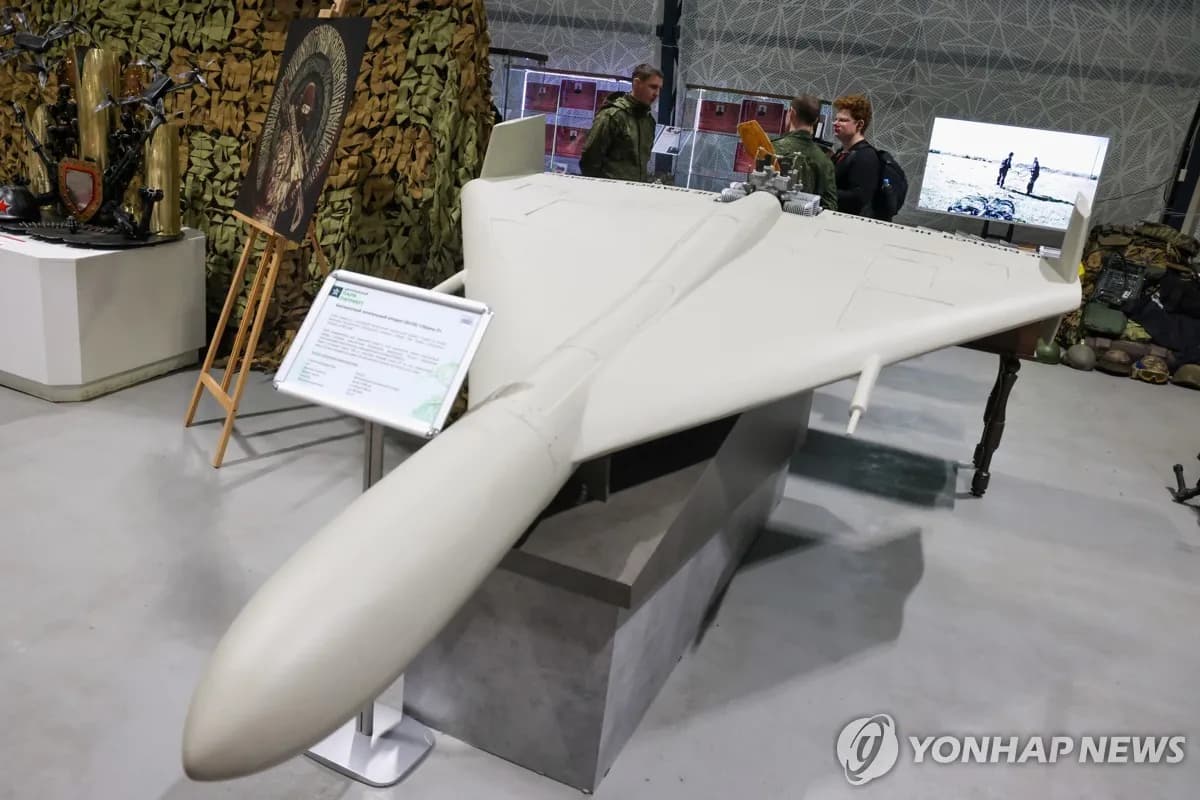
서방 정보당국 "러시아, 우크라이나 전쟁 후 이란에 드론·식량 공급"
서방 정보당국, 러시아의 이란 드론·식량 공급 작업 거의 완료 파악

6년 전 세 살 딸 살해한 30대 친모 구속송치
경찰, 6년 전 세 살 딸 살해 혐의 30대 친모를 구속송치

中企 수입 나프타의 80% 이상이 중동산…공급망 위기 심화
중소기업 수입 나프타의 80% 이상이 중동산으로 공급 의존도 높음