Ethereum launches ‘special economic zone’ project to solve fragmentation problem
Gnosis, ZISK, and Ethereum Foundation begin joint development of L2 network integration framework

- •Major Ethereum projects announce EEZ framework to resolve L2 fragmentation
- •Goal of an integrated system that allows immediate interaction between networks without bridges
- •Attention as a practical response to Vitalik Buterin's proposal to reexamine the L2 roadmap.
Ethereum ecosystem, from ‘union of islands’ to ‘integrated economic sphere’
At the EthCC conference held in Cannes, France, major projects in the Ethereum ecosystem announced the development of a new framework called the 'Ethereum Economic Zone (EEZ)'. This project is designed to make Ethereum's layer 2 (L2) networks operate as if they were one integrated system.
This framework is jointly developed by Gnosis, an Ethereum infrastructure developer, Zisk, a zero-knowledge proof technology company, and the Ethereum Foundation.
Why is this important?
Ethereum has relied on the L2 network to solve scalability issues for years. With the advent of various L2s such as Arbitrum, Optimism, and Base, transaction processing capabilities have greatly improved, but new problems have emerged. The entire ecosystem is fragmented, with each L2 operating like an isolated island.
Currently, users must use bridges to move assets between different L2s. This process is slow and expensive, and there is also a risk of hacking. Developers also suffer from the inefficiency of having to build the same tools separately for each network.
EEZ seeks to fundamentally solve these problems. The goal is to allow apps and transactions on different Ethereum networks to interact instantly without a bridge, while maintaining the security of the Ethereum mainnet.
“Ethereum doesn’t have a scalability problem. It has a fragmentation problem,” said Friederike Ernst, co-founder of Gnosis. “Each time a new L2 is created, it creates a silo that makes it more difficult to transfer value back to the Ethereum mainnet. EEZs are designed to do the opposite.”
Expected effects and technical features
Once the EEZ is implemented, the following changes are expected:
- Liquidity Sharing: Funds can move freely between networks
- Simplified development infrastructure: Reduces the need for developers to redundantly deploy across multiple networks
- Improved user experience: Provides an integrated environment without complex bridge processes
- ETH-centered fee system: Continue to use ETH as gas fee without introducing new tokens
In particular, this project is being developed openly, reflecting the opinions of the Ethereum community, so participation and verification across the ecosystem is expected to occur.
In line with Vitalik Buterin’s concerns
This announcement coincides with the time when Ethereum co-founder Vitalik Buterin recently raised the need to reexamine the L2-centric roadmap. Buterin noted that as fragmentation and user experience issues persist, some of the L2-reliance strategies may need to be rethought.
EEZ is seen as an attempt to directly respond to these concerns by consolidating the liquidity, infrastructure, and user flows of existing networks, rather than adding more isolated chains.
댓글 (5)
오랜만에 기분 좋은 뉴스를 접했습니다.
동의합니다. 앞으로가 더 기대됩니다.
launches 정말 대단하네요! 좋은 소식입니다.
이런 긍정적인 뉴스가 더 많았으면 좋겠습니다.
좋은 소식에 기분이 좋아지네요.
More in Economy

Strategy, has Bitcoin buying streak stopped for 13 consecutive weeks?

Both cryptocurrency and banking industries are dissatisfied with the U.S. stablecoin profit regulation plan.

Is Bitcoin’s ‘buy signal’ actually a sign of decline? Bitfinex long positions reach highest since 2023

US CLARITY Act could shake up the DeFi ecosystem by banning stablecoin profits

The possibility of a Federal Reserve interest rate hike soars to 30%... Bitcoin market impact
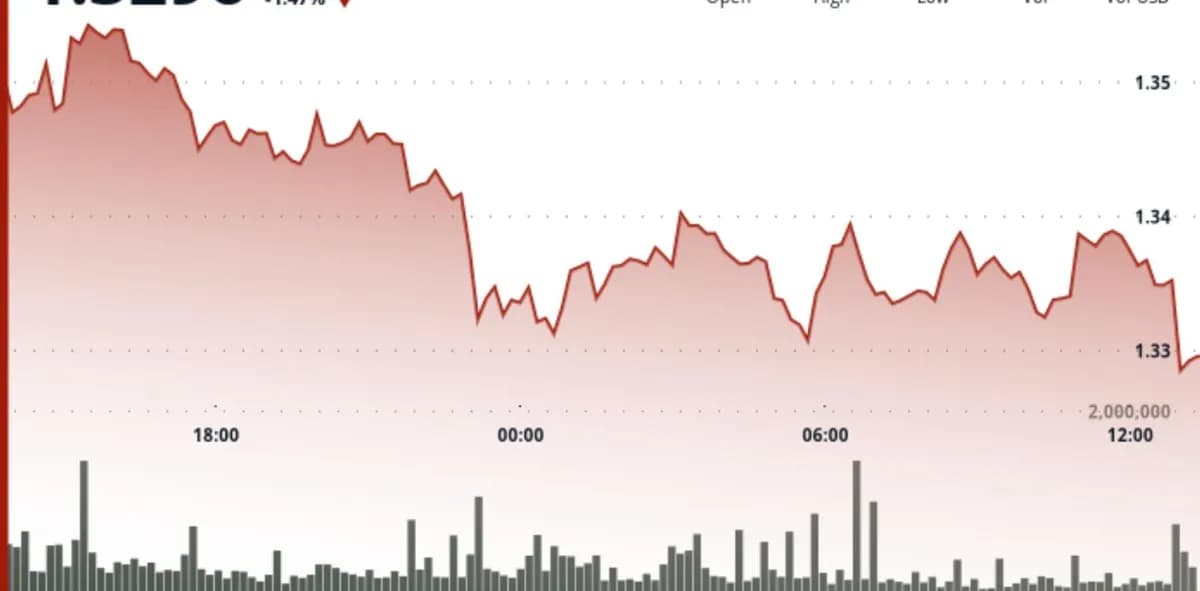
XRP, holding on to the $1.33 support line... Soaring leverage and selling pressure coexist
Latest News

Oh Se-hoon: "I Would Choose 5th Term as Seoul Mayor Over Presidency"
Seoul Mayor Oh Se-hoon states he would choose 5th mayoral term over presidency

BTS' 'Arirang' Tops Billboard 200 Chart—Seventh No. 1 Album
BTS's new song 'Arirang' achieves No. 1 on U.S. Billboard 200 chart

Three Arrested in Paris After Attempted Bomb Attack Near Bank of America
Three suspects arrested after attempted bomb attack near Bank of America branch in Paris

Three Journalists Killed in Israeli Strike on Southern Lebanon, Hundreds Mourn in Beirut
Three journalists killed in Israeli targeted attack on southern Lebanon
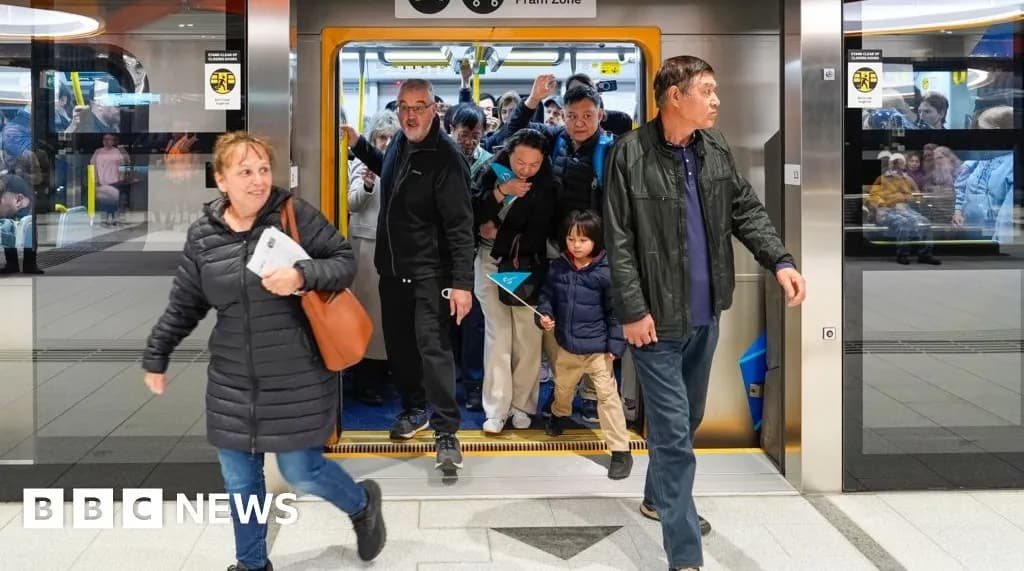
Two Australian States Offer Free Public Transport as Iran War Drives Up Fuel Prices
Victoria and Tasmania implement free public transport in response to fuel price surge from Iran war fallout

Iranian Missile Strikes Israeli Industrial Zone—Major Fire and Hazardous Material Leak
Iranian ballistic missile directly hits southern Israeli industrial zone, causing major fire
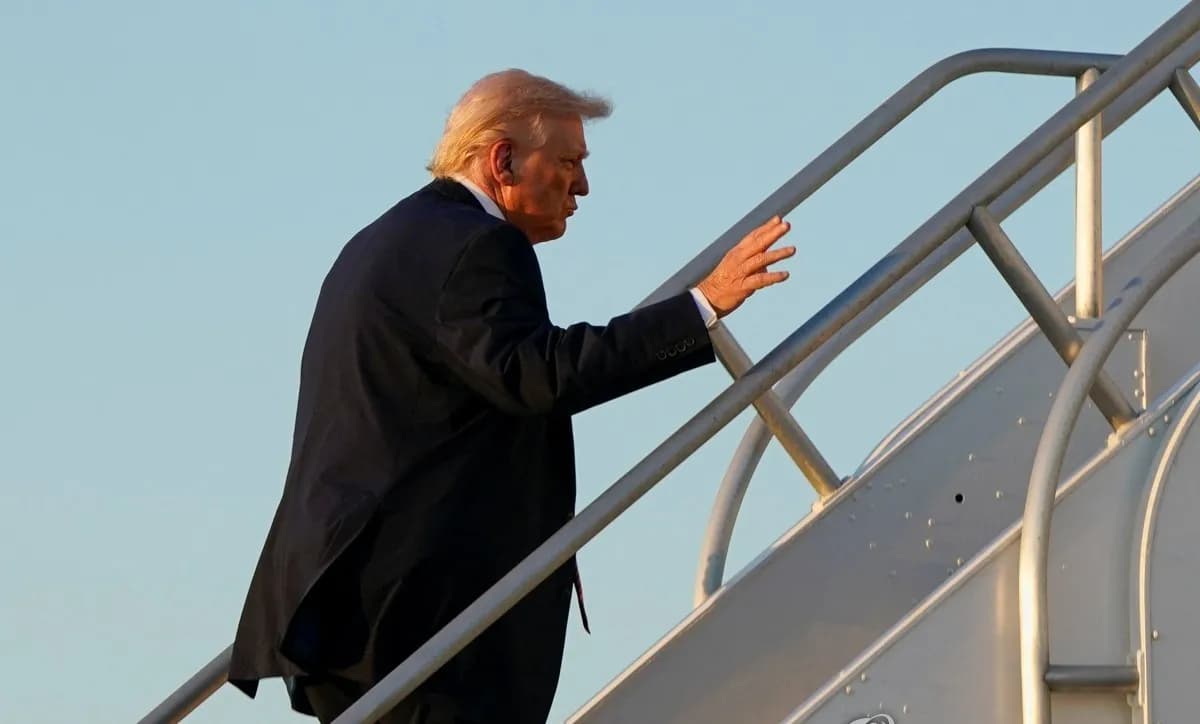
Trump Shares Pastor's Letter Amid Month-Long Iran War: "Blessed Are the Peacemakers"
President Trump shares pastor's letter on one-month anniversary of Iran war

African Football Chief Resigns Amid Morocco-Senegal Final Controversy
CAF Secretary General Veron Mosengo-Omba resigns amid Morocco-Senegal final controversy