EU Carbon Border Adjustment Mechanism: A New Trade Barrier for Developing Countries
Mandatory carbon certificate purchases for six sectors including steel and aluminum from January 2026

- •The EU will impose carbon costs on exports from developing countries by implementing the Carbon Border Adjustment Mechanism for six sectors including steel and aluminum from January 2026.
- •This system is being implemented unilaterally without WTO consultation, raising concerns about imposing additional burdens on developing country industries and intensifying trade disputes.
- •The structure is criticized for violating the principle of just energy transition, as developed countries with greater responsibility for climate change are instead passing costs onto developing countries.
The Emergence of Unilateral Carbon Trade Barriers
The European Union (EU) will fully implement the Carbon Border Adjustment Mechanism (CBAM) starting January 2026. This system requires importers of carbon-intensive products to bear carbon costs equivalent to those of EU domestic products, targeting six key industries: steel, aluminum, cement, electricity, fertilizers, and hydrogen.
The problem is that this measure is being implemented unilaterally without prior consultation with the World Trade Organization (WTO) or trading partners. EU importers must purchase certificates corresponding to the carbon emissions of these products, and these costs are likely to be passed on to exporters in developing countries.
Burden Concentrated on Developing Countries
According to a research report published last month by the International Monetary Fund (IMF), while CBAM's impact on the gross domestic product (GDP) of Middle Eastern and Central Asian countries is limited, the blow to specific industries such as steel and fertilizers is severe.
While the system ostensibly aims to address climate change and protect EU domestic producers, it actually functions as an additional trade barrier for developing countries. Producers in developing countries must bear additional costs for disclosing carbon emission information and face pressure to rapidly transform their production methods.
The Paradox of Climate Justice
Nobel Economics Prize laureate Esther Duflo explains this through the concept of 'moral debt'. Despite developed countries being the main culprits of the climate crisis, they maintain consumption patterns while merely relocating production to developing countries, yet impose additional costs on developing country products.
The UN Framework Convention on Climate Change has reached international consensus on 'Just Energy Transition'. However, CBAM is a unilateral measure that bypasses such multilateral agreements, showing the contradiction of reduced financial support for industrial transition in developing countries while trade restrictions are strengthened.
CBAM's Mechanism and Problems
Revenues from carbon certificates purchased by EU importers under CBAM are incorporated into the EU budget and used to support domestic producers. This is essentially a structure that subsidizes EU industry at the expense of developing country producers.
Furthermore, the WTO has not yet made an official determination on whether CBAM complies with international trade rules. While the EU claims it is compatible with WTO regulations, it will take considerable time to demonstrate actual damages. In the meantime, exporters in developing countries and their national economies must bear substantial losses.
Fragmentation of Global Trade Order
CBAM is likely to have long-term impacts on the global trade order beyond being a simple environmental measure. Unilateral measures risk deepening the fragmentation of international trade, increasing trade disputes, and further widening the gap between strong and weak parties.
Developing countries struggle to secure funds needed for production facility conversion amid limited fiscal capacity. With international concessional finance support also declining, structural transformation is becoming even more difficult.
Future Outlook [AI Analysis]
The implementation of CBAM is likely to make the international trade environment more complex. If other developed countries introduce similar systems, the export competitiveness of developing countries could weaken overall.
Meanwhile, as developing countries' resistance to such unilateralism grows, there are concerns that multilateral climate and trade negotiations may reach a deadlock. A new international framework that simultaneously realizes climate justice and trade justice is needed.
Developing countries are expected to seek multifaceted response strategies, including strengthening regional cooperation and utilizing WTO dispute settlement procedures to address CBAM.
댓글 (2)
흥미로운 주제입니다. 주변에도 공유해야겠어요.
간결하면서도 핵심을 잘 정리한 기사네요.
More in Economy

Middle East Conflict Drives Manufacturing Outlook to 10-Month Low

Lee Jae-myung Administration Excludes Multi-Home Officials from Real Estate Policymaking

Volkswagen CEO Says Germany Should Learn from China's Industrial Strategy

Russia Anticipates Economic Gains from US-Iran Conflict
U.S. Federal Reserve Unveils Bank Capital Regulation Modernization Plan
Federal Reserve Announces Enforcement Actions Against Two Former Bank Employees
Latest News
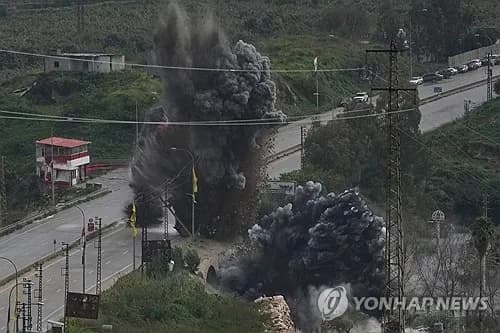
이스라엘, 헤즈볼라 무기 통로 레바논 다리 공습
이스라엘군, 헤즈볼라 무기 통로 레바논 다리 공습

중동행 전세기 전쟁보험료 최고 7천500만원
중동행 전세기 전쟁보험료가 최고 5만달러(7천500만원)로 상승

이란 탄도미사일, 이스라엘 방어망 뚫고 160명 부상
이란 탄도미사일이 이스라엘 방공망을 통과해 160명 부상

Southeast Asia Growth Forecasts Cut Amid Oil Price Surge, Threatening Korean Exports
Maybank Research has downgraded ASEAN-6's 2026 growth forecast from 4.8% to 4.5%.

Reddit Considers Face ID to Block Bots While Maintaining Anonymity
Reddit is considering implementing biometric authentication systems such as Face ID and Touch ID to block AI bots while maintaining anonymity.

BTS Tops March Artist Brand Reputation Rankings with First Full Group Comeback in 4 Years
BTS ranked first in the Korean Corporate Reputation Research Institute's March Artist Brand Reputation Rankings based on 99 million data points.

Santo Domingo's Malecón Sports Park Construction Progressing Smoothly
Construction of a soccer field and skate park is progressing smoothly in the Malecón area of Santo Domingo, Dominican Republic.

Pogačar Overcomes Crash to Win Milano-Sanremo, Achieves Four Monument Victories
Tadej Pogačar defeated Tom Pidcock to win Milano-Sanremo, achieving his fourth Monument victory.