Fed Releases March FOMC Minutes Amid Tariff and Inflation Uncertainty
March 17–18 meeting minutes reveal internal Fed deliberations at a critical economic juncture
- •The Fed released March 2026 FOMC minutes, revealing the rationale behind the rate hold decision.
- •Tariff-driven price pressures and sticky inflation are constraining the Fed's path to further cuts.
- •South Korea's central bank faces a narrowing rate-cut window as the Fed's pause likely extends.
Fed Officially Publishes March Rate Decision Rationale
The U.S. Federal Reserve has released the official minutes from the Federal Open Market Committee (FOMC) meeting held March 17–18, 2026. The document details internal deliberations at a moment when tariff policy uncertainty and fears of re-accelerating inflation intersected, drawing intense market scrutiny.
According to multiple financial news outlets, FOMC members reached consensus to hold the benchmark interest rate at its current level. The federal funds rate remains in the 4.25–4.50% target range.
Why These Minutes Matter
The March FOMC convened at an economic inflection point. The meeting came shortly after the Trump administration's sweeping tariff measures took effect, forcing Fed officials to assess whether rising import prices could pass through to broader consumer price inflation (CPI).
At the same time, the labor market remained resilient—placing the Fed's dual mandate of price stability and maximum employment in tension. Cutting rates risks reigniting inflation; holding steady risks cooling growth. The dilemma is unusually acute.
Global financial markets are acutely sensitive to Fed policy direction. Shifts in U.S. 10-year Treasury yields ripple through emerging-market capital flows, and dollar strength or weakness moves the Korean won exchange rate. South Korea's KOSPI index is not insulated from Fed-driven risk.
The Historical Arc of the Tightening Cycle
Understanding these minutes requires tracing four years of monetary policy history.
In March 2022, the Fed began raising rates from the 0–0.25% floor it had maintained since the COVID-19 pandemic. A combination of excess liquidity and supply-chain disruption had pushed inflation to a 40-year high. Aggressive hikes continued through 2023, with the benchmark rate peaking at 5.25–5.50%.
As inflation showed signs of cooling, the Fed pivoted to rate cuts in the second half of 2024. Three reductions brought the rate down to 4.25–4.50% by year-end. But in 2025, tariff-driven price pressures and sticky services inflation complicated the path to further easing.
With both the January and March 2026 FOMC meetings ending in holds, markets now believe the Fed has entered a prolonged "wait-and-see" mode.
Outlook [AI Analysis]
Three variables will likely determine the Fed's next move.
First, the speed of tariff pass-through to consumer prices. Import price increases typically take three to six months to fully reach retail shelves. Second-quarter CPI data will likely be decisive.
Second, signs of labor market cracks. If tariff shocks begin affecting manufacturing employment, the Fed may accelerate the pace of cuts—which would weaken the dollar and amplify won-dollar exchange rate volatility.
Third, changes to the Fed's forward guidance. If June's dot plot is revised downward, gaps between market expectations and Fed signaling could spark short-term volatility. Some analysts are no longer ruling out the possibility of zero rate cuts in 2026.
For South Korea, the Bank of Korea faces a narrowing policy window. A prolonged Fed hold makes independent rate cuts more costly from a currency-defense standpoint. Balancing domestic stimulus against exchange rate stability is shaping up to be the central bank's defining challenge.
댓글 (35)
이 위기를 어떻게 극복할 수 있을지 전문가 의견이 더 필요합니다.
경제 상황이 좋지 않은데, 정부의 대응이 아쉽습니다.
March 상황이 심각하네요. 서민들 피해가 걱정됩니다.
불안한 시기에 정확한 보도가 중요합니다. 좋은 기사 감사합니다.
연준 문제가 장기화되면 어떻게 될지 우려됩니다.
이 위기를 어떻게 극복할 수 있을지 전문가 의견이 더 필요합니다.
이 부분은 저도 주시하고 있습니다.
이 부분은 저도 주시하고 있습니다.
경제 상황이 좋지 않은데, 정부의 대응이 아쉽습니다.
맞습니다. 대비가 필요한 시점이에요.
이 부분은 저도 주시하고 있습니다.
맞습니다. 대비가 필요한 시점이에요.
March 상황이 심각하네요. 서민들 피해가 걱정됩니다.
걱정이 많이 되네요. 좋은 지적입니다.
불안한 시기에 정확한 보도가 중요합니다. 좋은 기사 감사합니다.
이 부분은 저도 주시하고 있습니다.
연준 문제가 장기화되면 어떻게 될지 우려됩니다.
이 위기를 어떻게 극복할 수 있을지 전문가 의견이 더 필요합니다.
걱정이 많이 되네요. 좋은 지적입니다.
걱정이 많이 되네요. 좋은 지적입니다.
경제 상황이 좋지 않은데, 정부의 대응이 아쉽습니다.
맞습니다. 대비가 필요한 시점이에요.
이 부분은 저도 주시하고 있습니다.
맞습니다. 대비가 필요한 시점이에요.
March 상황이 심각하네요. 서민들 피해가 걱정됩니다.
불안한 시기에 정확한 보도가 중요합니다. 좋은 기사 감사합니다.
걱정이 많이 되네요. 좋은 지적입니다.
걱정이 많이 되네요. 좋은 지적입니다.
걱정이 많이 되네요. 좋은 지적입니다.
연준 문제가 장기화되면 어떻게 될지 우려됩니다.
걱정이 많이 되네요. 좋은 지적입니다.
맞습니다. 대비가 필요한 시점이에요.
이 위기를 어떻게 극복할 수 있을지 전문가 의견이 더 필요합니다.
경제 상황이 좋지 않은데, 정부의 대응이 아쉽습니다.
March 상황이 심각하네요. 서민들 피해가 걱정됩니다.
More in Economy

Latest News
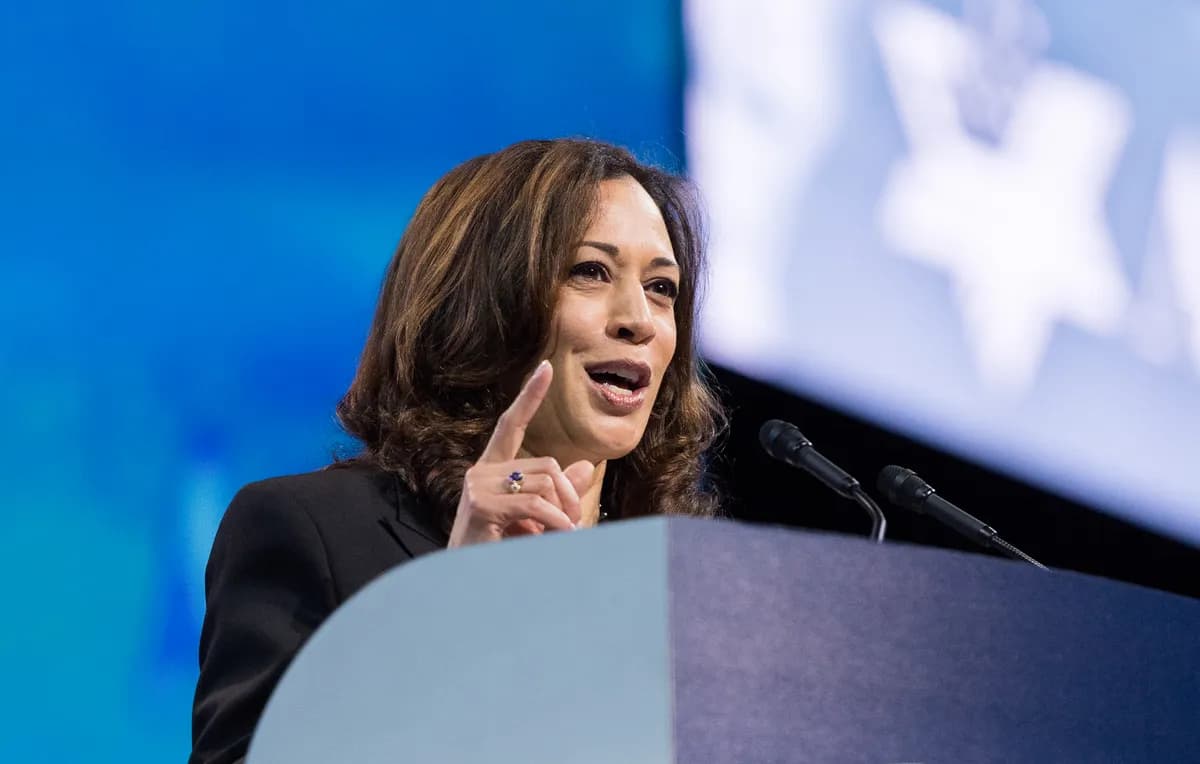
Harris Sends Clearest Signal Yet of 2028 Presidential Bid
Harris tells NBC News she is 'thinking about' running for president again in 2028

Artemis II Crew Prepares for Record-Breaking Return to Earth
Artemis II crew of 4 completes final preparations for splashdown return to Earth

Man arrested over deaths of four migrants attempting Channel crossing
Four people — two men and two women — died attempting to cross the English Channel near Calais

One dead after bus carrying British tourists crashes in Canary Islands
Bus carrying British tourists falls 10m off a road on La Gomera, Canary Islands
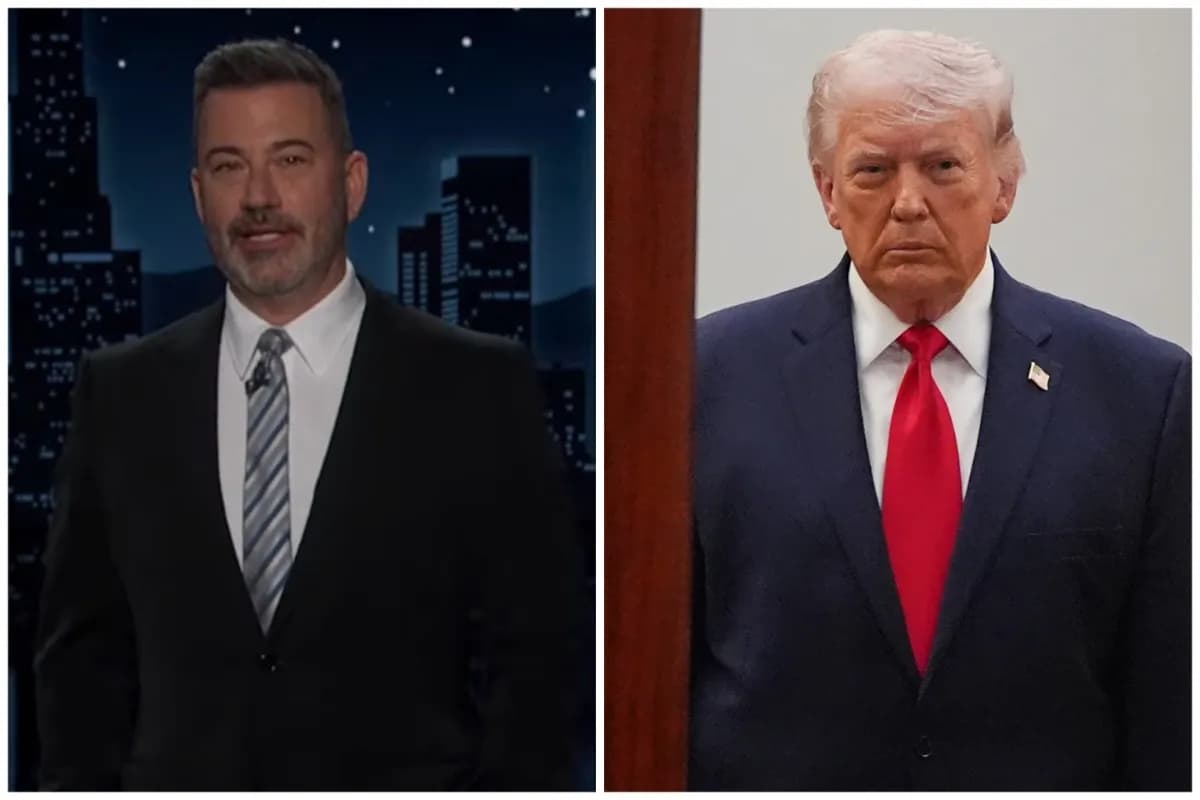
Kimmel & Colbert Blast Trump's Iran Remarks: 'He Talks About War Like Bragging to Billy Bush'
Kimmel says Trump talks about war 'like bragging about women with Billy Bush'

Baby girl dies from dog bite, man arrested
Baby girl dies following dog bite attack, man arrested
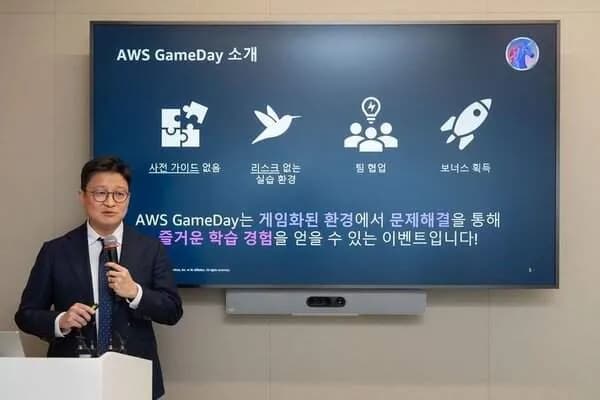
AWS, 금융권 'AI 주도 개발' 시대 선언…에이전틱 AI가 금융을 바꾼다
AWS코리아가 24개 금융사 참여 게임데이 2026을 열고 AI 주도 개발 패러다임 전환을 선언했다.

Snap·퀄컴, AR 안경 동맹…소비자 시장 진입 가속
Snap 자회사 Specs Inc.와 퀄컴이 스냅드래곤 XR 칩 탑재 AR 안경 개발을 위한 5년 장기 파트너십을 체결했다.