French Fond-de-Gaume Cave Paintings Confirmed as 13,000-Year-Old Artworks
Radiocarbon Dating Sheds New Light on Prehistoric Art Chronology in Dordogne Region
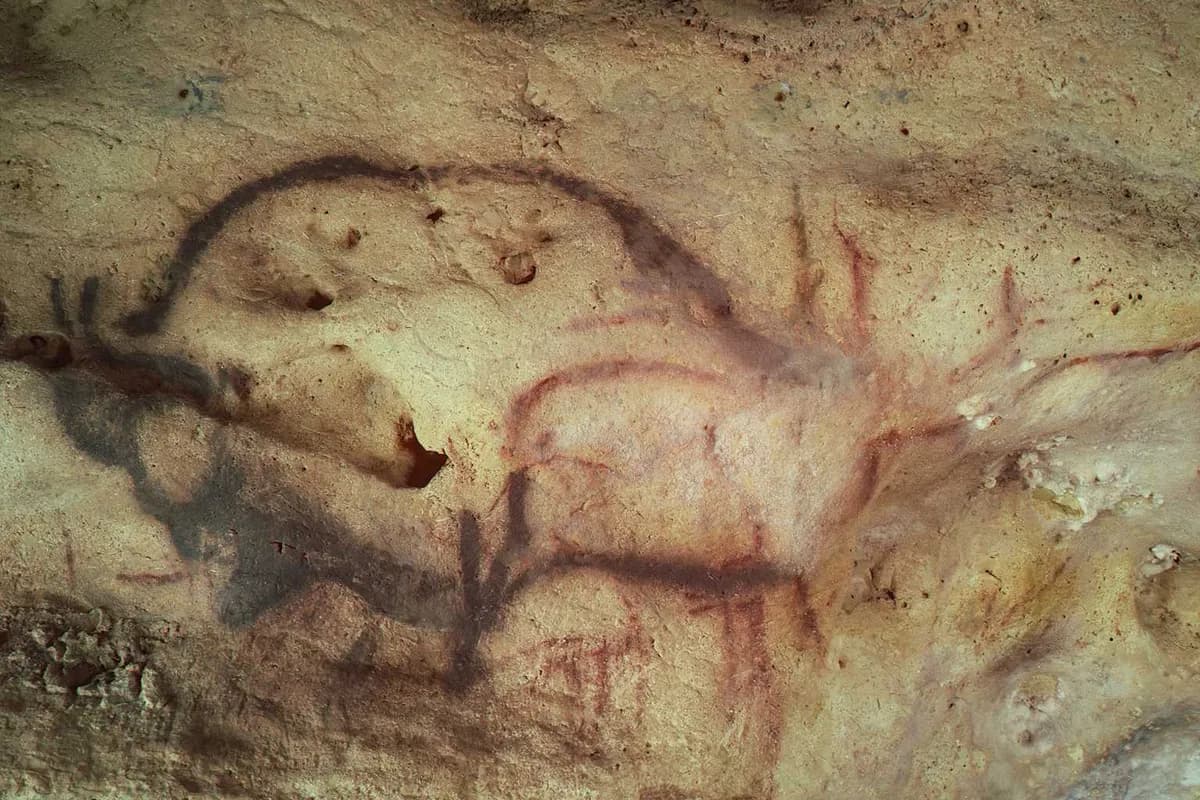
- •French Fond-de-Gaume cave paintings have been scientifically confirmed for the first time as charcoal artworks created 13,000 years ago.
- •The works were revealed to be several thousand years more recent than previous stylistic estimates, prompting a reexamination of Paleolithic art history chronology.
- •This achievement has opened possibilities for direct dating of over 200 cave paintings in the Dordogne region, including Lascaux.
120 Years Later: Unlocking the Secret of Charcoal Drawings
Researchers from France's National Center for Scientific Research (CNRS) have directly dated the bison paintings in the Fond-de-Gaume cave in the Dordogne region, confirming that these artworks were created approximately 13,000 years ago during the Paleolithic era. This achievement marks the first scientific dating confirmation in the 124 years since the cave's discovery in 1902.
Published in the Proceedings of the National Academy of Sciences (PNAS) on March 9, the study revealed that the pigments in these UNESCO World Heritage-listed cave paintings were created using charcoal rather than iron and manganese oxides. Chemist Ina Reiche, who led the research, stated, "It's remarkable to discover carbon-based drawings in the main gallery that countless visitors have passed by for 120 years."
Scientific Evidence Overturns Stylistic Estimates
Previously, the Fond-de-Gaume cave paintings were estimated to date from 18,000 to 16,000 years ago based on artistic stylistic characteristics. However, actual dating results showed they were created between 13,461 and 13,162 years ago, revealing them to be several thousand years more recent than previously estimated.
This discrepancy carries important implications for Paleolithic art history research. It demonstrates that stylistic similarities alone cannot accurately determine creation dates, and that direct scientific analysis is essential. In 2023, researchers used three non-invasive imaging techniques to confirm that some paintings were created with charcoal, then obtained approval from cultural heritage authorities to collect minimal samples for radiocarbon dating.
Dordogne's Prehistoric Art: A Long Journey
The Dordogne region in southwestern France is a treasure trove of prehistoric art, containing over 200 Paleolithic cave painting sites. The caves in this region, including Lascaux discovered in 1940, contain humanity's earliest artistic expressions.
The Fond-de-Gaume cave was opened to the public immediately after its 1902 discovery, but visitor numbers are now limited to 78 people per day for conservation purposes. The cave interior maintains a constant temperature of 12-14 degrees Celsius with high humidity, conditions that have helped preserve the paintings for tens of thousands of years. Paradoxically, these same environmental conditions made pigment analysis difficult, preventing accurate dating for 120 years.
Unlike Lascaux, which was closed in 1963 due to fungal growth caused by visitor respiration, Fond-de-Gaume remains one of the few places where original paintings can be viewed directly under strict management.
Future Prospects [AI Analysis]
This research is likely to lead to a reassessment of Paleolithic painting chronology throughout the Dordogne region. Reiche's team stated, "Direct dating of other caves in the region, including Lascaux, is now possible."
Particularly noteworthy is the advancement of non-invasive analysis techniques. The imaging methods used by researchers in 2023 enabled identification of pigment composition without damaging the paintings. As these technologies become more sophisticated, they are expected to provide a breakthrough in resolving the dilemma between cultural heritage preservation and scientific research.
This discovery is also anticipated to serve as a catalyst for reconstructing the timeline of Paleolithic art history. If the existing chronological framework based on stylistic classification is revised through scientific verification, our understanding of human artistic development could fundamentally change. The possibility is also being raised that the approximately 200 caves in the Dordogne region may have actually been used over a broader time span than previously thought.
댓글 (3)
기사 잘 봤습니다. 다른 시각의 분석도 읽어보고 싶네요.
Cave 관련 기사 잘 읽었습니다. 유익한 정보네요.
그 부분은 저도 궁금했습니다.
More in Culture & Art

‘Crush’, ‘Tero’, ‘Jidae’… The languages of North and South Korea are becoming increasingly distant.
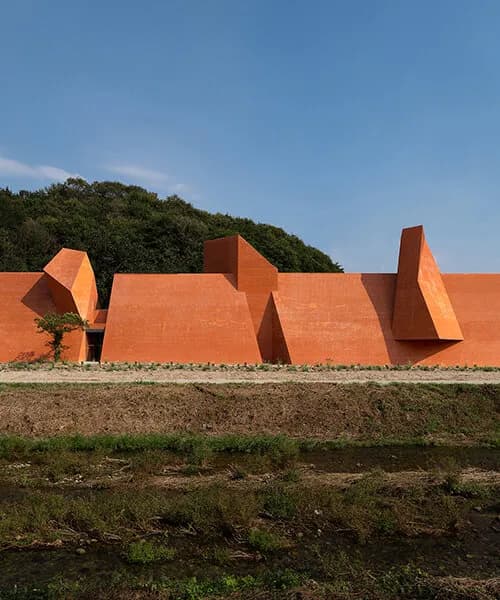
‘Fortress Café’ stands tall in the forests of Gangwon-do, reinterpreting ancient fortress walls through modern architecture.

New York, hand-carved for 21 years, unveiled for the first time at an art museum
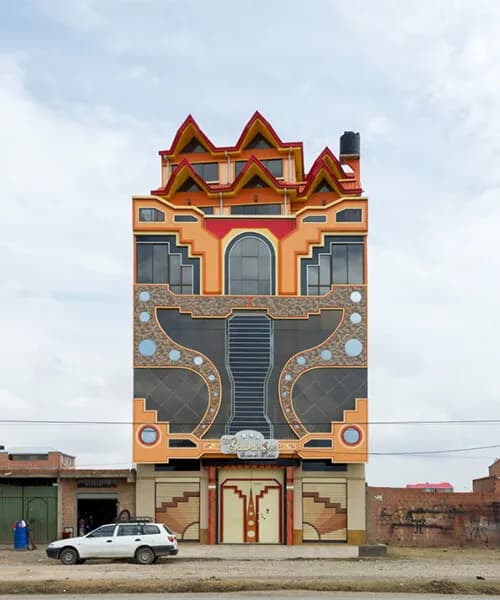
Freddie Mamani colors the city with Andean culture
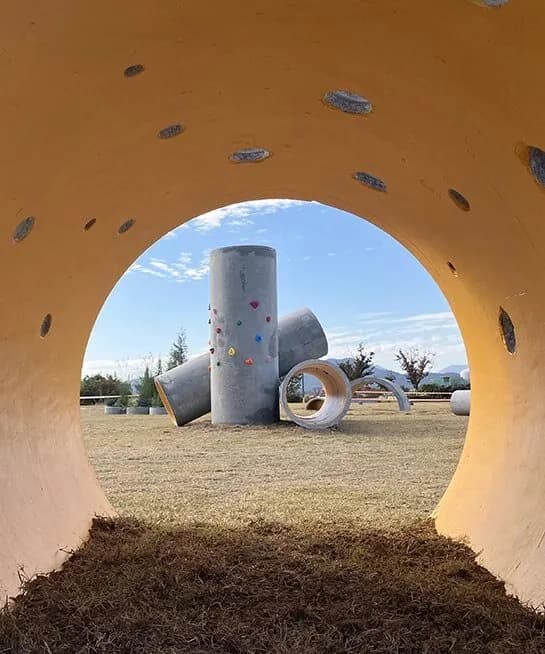
An abandoned concrete pipe is reborn as a playground... Busan Museum of Art ‘Concrete Utopia’
A Swedish artist's house, the essence of architecture that becomes one with nature
Latest News

"간부 잘 아는데 교통비 좀" 휴가 군인들 돈 뜯은 50대 구속
50대 A씨가 휴가 중인 군인들에게 부대 간부를 아는 척 접근해 돈을 사취

英 옥토퍼스, 이란 전쟁 이후 태양광 판매 50% 증가
이란 전쟁 이후 영국 옥토퍼스의 태양광 판매량 50% 증가

당정 "추경, 지방·취약계층에 더 지원되는 방식으로"
당정이 지방자치단체와 취약계층 중심의 추경 편성 방침 재확인

당정, 석유 최고가격제 손실 보전을 추경에 반영키로
당정이 석유 최고가격제 손실을 추경에 반영하기로 결정

어머니 폭행하고 금팔찌 빼앗은 30대 아들 경찰에 붙잡혀
어머니 폭행 후 금팔찌 빼앗은 30대 남성 체포

아이티 갱단 폭력사태로 10개월간 5천명 이상 사망
아이티에서 지난 10개월간 갱단 폭력으로 5천명 이상 사망

서방 정보당국 "러시아, 우크라이나 전쟁 후 이란에 드론·식량 공급"
서방 정보당국, 러시아의 이란 드론·식량 공급 작업 거의 완료 파악

6년 전 세 살 딸 살해한 30대 친모 구속송치
경찰, 6년 전 세 살 딸 살해 혐의 30대 친모를 구속송치