From Refugee to UN High Commissioner: Leading in the Era of 117 Million Displaced
Barham Salih's Journey from Iraqi Kurdish Refugee to the Highest UN Position for Refugee Protection
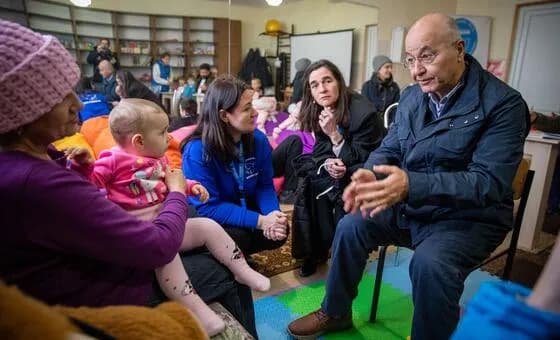
- •Barham Salih, a former refugee, has been appointed UN High Commissioner for Refugees, assuming responsibility for protecting 117 million displaced persons worldwide.
- •Immediately after his inauguration, he visited African refugee camps, demonstrating field-centered leadership that draws from his personal experience as a refugee.
- •Amid increasing refugee crises and declining support budgets, the search for innovative solutions has emerged as a critical challenge, with implications for South Korea's expanding role in refugee protection.
From Refugee to Guardian of Refugees
With 117 million people displaced worldwide, the new head of the United Nations High Commissioner for Refugees (UNHCR) is someone who understands the life of displaced persons better than anyone.
Barham Salih, the newly appointed UN High Commissioner for Refugees, left the conference room at Geneva headquarters immediately after taking office on January 1st and headed to refugee camps in Kenya and Chad. For him, refugees are not statistics but lived experiences.
Born in Iraqi Kurdistan in 1960, he fled into exile as a teenager to escape persecution by Saddam Hussein's regime. After studying in the United Kingdom and building a political career that led to his serving as Iraq's 8th President in 2018, his life demonstrates that refugees are not merely subjects requiring protection, but beings with the right to dream of a future.
"Behind every statistic is a life. A person with aspirations, a person with the right to dignity, a person with the right to dream of a better future," he emphasized in a recent interview.
Rising Refugee Numbers, Declining Support
The responsibility Commissioner Salih has assumed is heavier than ever. While the number of displaced persons worldwide continues to increase, humanitarian aid budgets are actually decreasing. The crisis has become not a temporary phenomenon but a structural reality.
The Syrian civil war has exceeded 10 years, the Afghan crisis has continued for decades, and the Ukraine war has entered its third year. With climate change-induced migration added to the mix, the refugee agency faces the dilemma of responding to expanding crises with limited resources.
"The challenges we face now are truly awesome," Commissioner Salih's words conveyed the weight of his mission.
Impact on South Korea
The global refugee crisis has direct implications for South Korea. Korea is one of the major destinations for asylum seekers in the Asian region, with applications from Yemen and Afghanistan showing steady increases.
The reduction in international refugee support budgets may paradoxically lead to demands for an expanded Korean role. As a developed nation, Korea may face pressure to increase its contributions and be asked for substantial participation, such as expanding refugee resettlement programs.
Additionally, the issue of Pacific island nation residents migrating due to climate change is becoming a shared challenge for Asia-Pacific countries, including Korea.
The Beginning of Field-Centered Leadership
Commissioner Salih's initial actions clearly demonstrate his leadership direction. Visiting African refugee camps within days of taking office expresses his determination to find answers in the field, not in conference rooms.
His visits to temporary centers for displaced persons in Zaporizhzhia, Ukraine, and his direct conversations with refugee families in Kenya and Chad show the authenticity that only a High Commissioner with refugee background can demonstrate.
He views refugees not simply as subjects needing help, but as agents with potential. Just as he did, he believes that given proper opportunities, refugees can contribute to society and become leaders.
Future Outlook [AI Analysis]
Commissioner Salih's term has strong potential to mark a new turning point for UNHCR. His background as a refugee will serve as an opportunity to strengthen the perspective of those directly affected in policy-making processes.
However, practical constraints are formidable. In a situation where anti-refugee sentiment is spreading globally and major donor countries continue budget cuts, how effective his pursuit of a 'dignity-centered approach' can be remains uncertain.
The key to success will lie in securing innovative funding sources and strengthening cooperation with the private sector. Additionally, a discourse shift is needed to reframe refugee issues beyond humanitarian dimensions to perspectives of economic opportunity and social integration.
Expanding cooperation with Asian countries, including Korea, will also become an important task. As support from traditional donor countries decreases, drawing participation from emerging economies will likely determine the sustainability of UNHCR.
For Korea, this could present both challenges and opportunities. Increased expectations for financial and policy contributions may arise, but it could also provide an opportunity to enhance Korea's role and voice in the international humanitarian arena.
댓글 (5)
이 위기를 어떻게 극복할 수 있을지 전문가 의견이 더 필요합니다.
걱정이 많이 되네요. 좋은 지적입니다.
Refugee 문제가 장기화되면 어떻게 될지 우려됩니다.
to 상황이 심각하네요. 서민들 피해가 걱정됩니다.
이 부분은 저도 주시하고 있습니다.
More in Global

Latest News
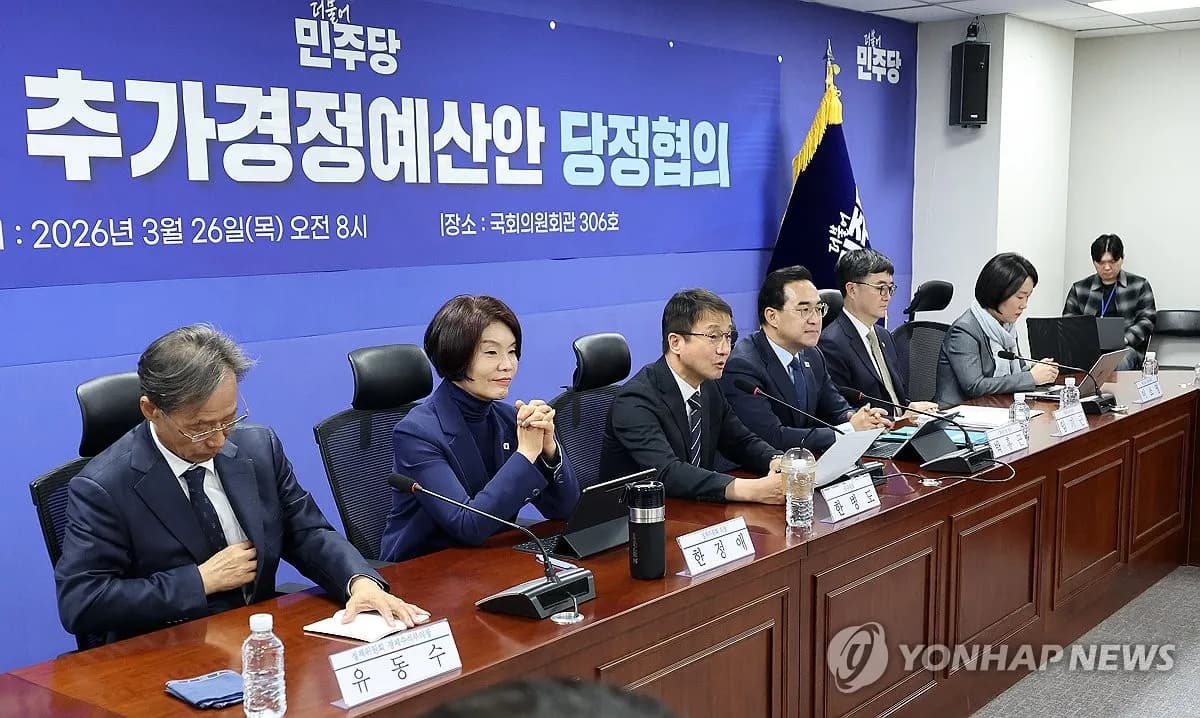
당정, 석유 최고가격제 손실 보전을 추경에 반영키로
당정이 석유 최고가격제 손실을 추경에 반영하기로 결정

6년 전 세 살 딸 살해한 30대 친모 구속송치
경찰, 6년 전 세 살 딸 살해 혐의 30대 친모를 구속송치

中企 수입 나프타의 80% 이상이 중동산…공급망 위기 심화
중소기업 수입 나프타의 80% 이상이 중동산으로 공급 의존도 높음

미·이란 긴장 한 달, 금융시장 요동…장기화 우려
미·이란 갈등으로 증시 변동성 확대, 코스피 6천 고지 후 등락

미·이란 전쟁 한 달, 미국 전문가 "종전·확전 기로"
미·이란 전쟁 1개월 도래, 종전·확전 기로 평가

미·이란 전쟁 1개월, 한국 안보·공급망 취약점 노출
미·이란 전쟁 장기화로 한국 안보·경제 취약점 노출