Germany and US Democrats Push for Oil Company Windfall Tax Amid Iran War-Driven Crude Surge
Brent Crude Tops $100 per Barrel as Lawmakers on Both Sides of Atlantic Consider Taxing 'War Profiteering'
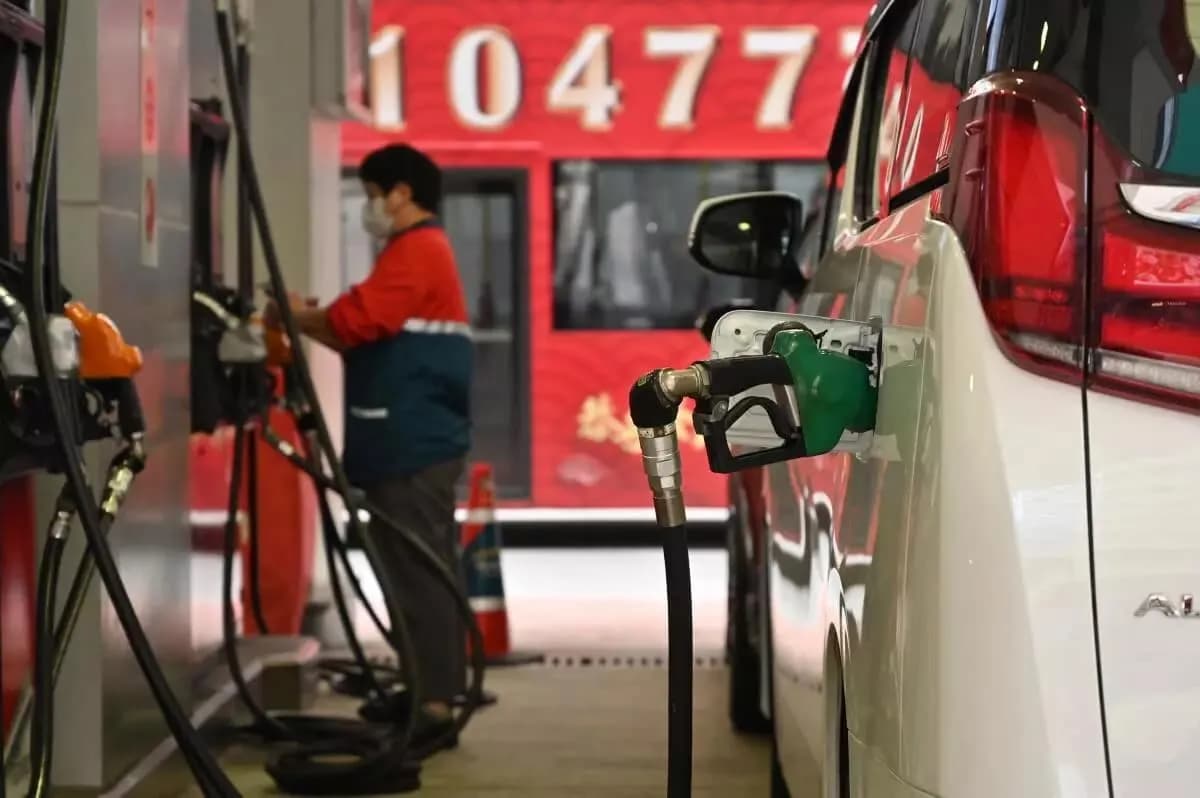
- •As the Iran war drives Brent crude up 40%, Germany and US Democrats are pursuing windfall taxes on oil companies.
- •The US bill targets companies producing over 300,000 barrels per day, while Germany seeks revenue for consumer relief measures.
- •Similar measures were implemented during the 1970s oil shocks and 2022 Ukraine war, though the oil industry strongly opposes them citing investment concerns.
Windfall Tax Push Gains Momentum on Both Sides of the Atlantic
As the US-led Iran war enters its fourth week and oil prices surge past $100 per barrel, Germany and US Democrats are separately considering imposing windfall taxes on oil companies. Brent crude, the international oil price benchmark, has jumped more than 40% since the conflict began, triggering political debate over taxing the petroleum industry's surging profits.
According to Bloomberg, Germany's Finance Ministry is actively exploring an oil company windfall tax to fund consumer relief measures, including increases to commuter allowances. In the United States, Senators Sheldon Whitehouse and Representative Ro Khanna reintroduced the "Big Oil Windfall Profits Tax Act" on Monday. The bill would target companies producing at least 300,000 barrels per day.
Public Pressure Mounts Amid Energy Crisis
More than 70 civil society organizations are urging the US Congress to pass the legislation. They argue that oil companies are reaping excessive profits from war-driven price spikes while ordinary consumers struggle with rising gasoline and heating costs.
European Central Bank President Christine Lagarde recently warned that "the Iran war is having a tangible impact on inflation." Rising energy prices are driving broader inflation, intensifying the monetary policy dilemma facing central banks.
Historical Context of Windfall Taxes
Windfall taxes on oil companies are not a new concept. During the 1970s oil shocks, the United States passed the Crude Oil Windfall Profit Tax Act to tax oil companies' excessive profits. Implemented in 1980 and repealed in 1988, the tax generated approximately $80 billion in revenue.
Following Russia's invasion of Ukraine in 2022, European countries implemented similar measures. The UK introduced the Energy Profits Levy in May 2022, adding a 25% surcharge on North Sea oil and gas company profits. Italy and Spain also implemented energy company windfall taxes. At the time, Brent crude exceeded $120 per barrel, reaching its highest level since the 2008 financial crisis.
Oil Industry Pushback and Political Divisions
The oil industry argues that windfall taxes would discourage investment and ultimately harm energy security. The American Petroleum Institute (API) contends that "the government should focus on deregulation to expand production rather than punitive taxation that distorts market mechanisms."
The issue is politically divisive. Republicans oppose windfall tax implementation, claiming "the root cause of price increases is the Biden administration's fossil fuel regulations." Meanwhile, progressive Democrats argue that "oil companies are profiteering from war while working families suffer."
Future Outlook [AI Analysis]
The legislation's prospects depend heavily on congressional composition. Given the divided US Congress, passage appears challenging. However, if the Iran war becomes protracted and oil prices exceed $120 per barrel, public pressure could shift some Republican positions.
Germany and other European Union countries maintain a relatively favorable climate for windfall tax implementation. Energy crisis response is a major agenda item at EU summits, with coordinated taxation approaches among member states likely under discussion.
Long-term pressure for renewable energy transition is expected to intensify. As awareness grows that high fossil fuel dependence creates geopolitical vulnerability, governments will likely accelerate energy transition policies. However, supply shortages and price spikes will likely persist in the near term, ensuring windfall tax debates continue for the foreseeable future.
댓글 (2)
팩트에 기반한 냉정한 판단이 필요한 시점입니다.
댓글란이 과열되지 않았으면 합니다. 차분한 논의가 필요해요.
More in Economy

당정, 석유 최고가격제 손실 보전을 추경에 반영키로

미·이란 긴장 한 달, 금융시장 요동…장기화 우려

뉴욕증시 3대 지수 동반 상승…이란 휴전 기대감

Elon Musk's X recruits a cryptocurrency expert as head of design... ‘X Money’ launch imminent

BitGo-GK Sync plans to build ‘tokenized deposit’ infrastructure for banks

The other side of prediction markets: Ethical dilemmas of cryptocurrency platforms dealing in war and terrorism
Latest News

"간부 잘 아는데 교통비 좀" 휴가 군인들 돈 뜯은 50대 구속
50대 A씨가 휴가 중인 군인들에게 부대 간부를 아는 척 접근해 돈을 사취

英 옥토퍼스, 이란 전쟁 이후 태양광 판매 50% 증가
이란 전쟁 이후 영국 옥토퍼스의 태양광 판매량 50% 증가

당정 "추경, 지방·취약계층에 더 지원되는 방식으로"
당정이 지방자치단체와 취약계층 중심의 추경 편성 방침 재확인

어머니 폭행하고 금팔찌 빼앗은 30대 아들 경찰에 붙잡혀
어머니 폭행 후 금팔찌 빼앗은 30대 남성 체포

아이티 갱단 폭력사태로 10개월간 5천명 이상 사망
아이티에서 지난 10개월간 갱단 폭력으로 5천명 이상 사망
서방 정보당국 "러시아, 우크라이나 전쟁 후 이란에 드론·식량 공급"
서방 정보당국, 러시아의 이란 드론·식량 공급 작업 거의 완료 파악

6년 전 세 살 딸 살해한 30대 친모 구속송치
경찰, 6년 전 세 살 딸 살해 혐의 30대 친모를 구속송치

中企 수입 나프타의 80% 이상이 중동산…공급망 위기 심화
중소기업 수입 나프타의 80% 이상이 중동산으로 공급 의존도 높음