Greenland and Trump's Tariff Threats Loom Over Davos Forum
World Economic Forum 2026 Opens Amid Concerns Over Resurgent U.S. Protectionism
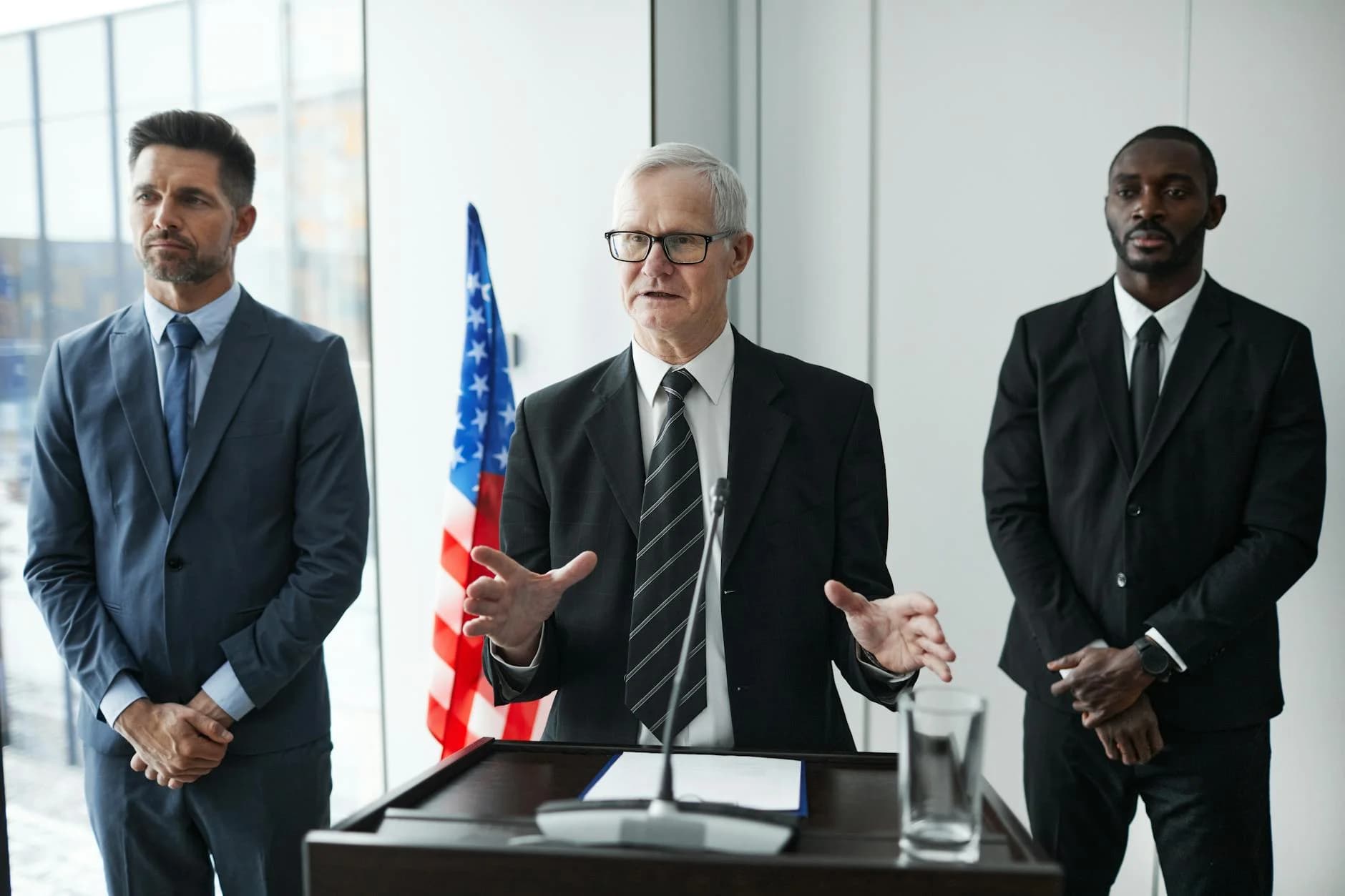
- •The 2026 World Economic Forum opened amid former President Trump's tariff threats and the Greenland issue.
- •The resurgence of U.S. protectionism is expected to directly impact Korea's export-dependent economy.
- •Global economic leaders are expressing concerns about trade order restructuring and increasing supply chain uncertainties.
Trump's Tariff Threats Cast Shadow Over Davos
The 2026 World Economic Forum (WEF) in Davos, Switzerland, has opened under the cloud of two major uncertainties: former President Donald Trump's tariff threats and the Greenland issue. As global economic leaders gather at the forum, the potential resurgence of U.S. protectionism has emerged as a key agenda item.
Former President Trump recently renewed his interest in Greenland, drawing international attention. Combined with the aggressive tariff policies he is expected to pursue if he returns to power, these issues have become central topics of discussion among Davos attendees.
Concerns Among Global Economic Leaders
The World Economic Forum is an annual international business and political event held each January in the small Swiss Alpine town of Davos. It brings together heads of state, chief executive officers (CEOs), and academic experts to discuss global economic issues.
At this year's forum, changes in the U.S. political landscape and their impact on the world economy are receiving intense scrutiny. In particular, analysts suggest that the high-tariff policies proposed by former President Trump could create significant ripples in global supply chains and trade order.
Tariff threats extend beyond mere U.S. domestic political issues, serving as factors that increase uncertainty across the global economy. During the U.S.-China trade war from 2018 to 2020, tariff impositions between the two countries led to declining global economic growth rates.
Impact on the Korean Economy
Korea, with its export-dependent economic structure, is inevitably sensitive to changes in U.S. tariff policy. As of 2024, Korean exports to the United States totaled approximately $120 billion, the second-largest after China.
If Trump-style high tariffs are reintroduced, Korea's major export items—automobiles, semiconductors, and batteries—are likely to take a direct hit. Particularly if U.S. protectionist policies such as the Inflation Reduction Act (IRA) are strengthened, Korean companies will face the inevitable need to completely reassess their U.S. market entry strategies.
Additionally, the Greenland issue intersects with Korea's strategic interests in terms of Arctic route development and rare earth resource security. Rising geopolitical tensions in the Arctic region could serve as another variable in global supply chain restructuring.
Historical Context of Protectionism
U.S. protectionist trade policy is not a new phenomenon. During the Great Depression of the 1930s, the Smoot-Hawley Tariff Act contracted world trade and deepened the economic crisis. Subsequently, the General Agreement on Tariffs and Trade (GATT) was established in the late 1940s, followed by the World Trade Organization (WTO) system in 1995, establishing a multilateral free trade order.
However, following the Trump administration's inauguration in 2016, protectionist policies intensified under the "America First" doctrine. Representative examples include imposing additional tariffs of up to 25% on Chinese products and renegotiating the North American Free Trade Agreement (NAFTA) into the United States-Mexico-Canada Agreement (USMCA).
Even after the Biden administration took office in 2021, the hardline stance toward China has been maintained, with regulations actually strengthening in advanced technology sectors. Through the CHIPS Act and the Inflation Reduction Act (IRA), the U.S. has been pursuing domestic industry protection and supply chain restructuring.
Future Outlook [AI Analysis]
The 2026 Davos Forum is likely to mark another turning point in the global economic order. Regardless of whether former President Trump returns to power, protectionism and economic security prioritization appear set to continue for the foreseeable future.
The Korean government and businesses need to prepare scenario-based response strategies for changes in U.S. policy. Multifaceted approaches are necessary, including export diversification, expanded local production, and supply chain restructuring. Strategies to appropriately adjust dependence on the U.S. through strengthened economic cooperation with the European Union (EU), Association of Southeast Asian Nations (ASEAN), and others should also be considered.
The Greenland issue and geopolitical tensions in the Arctic region are unlikely to be resolved in the short term. This could intensify competition for securing critical mineral resources such as rare earths, requiring Korea to respond proactively from a resource security perspective.
댓글 (4)
Greenland 관련 기사 잘 읽었습니다. 유익한 정보네요.
and에 대해 더 알고 싶어졌습니다. 후속 기사 부탁드립니다.
간결하면서도 핵심을 잘 정리한 기사네요.
그 부분은 저도 궁금했습니다.
More in Global

Latest News
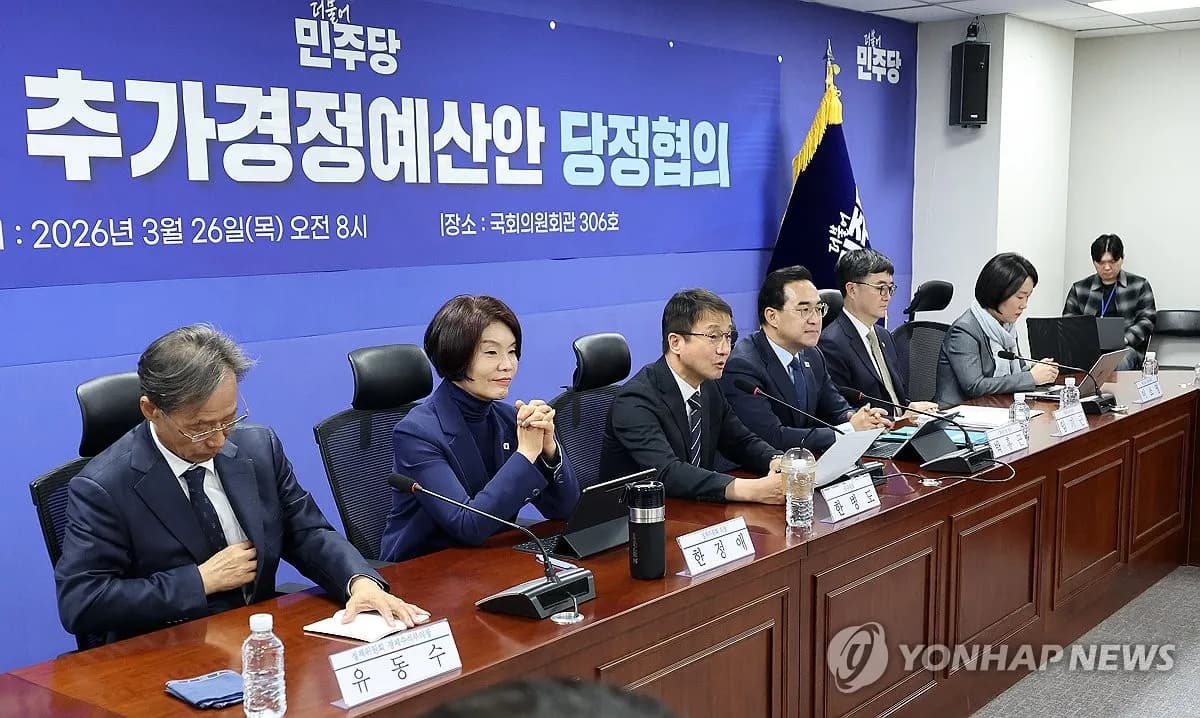
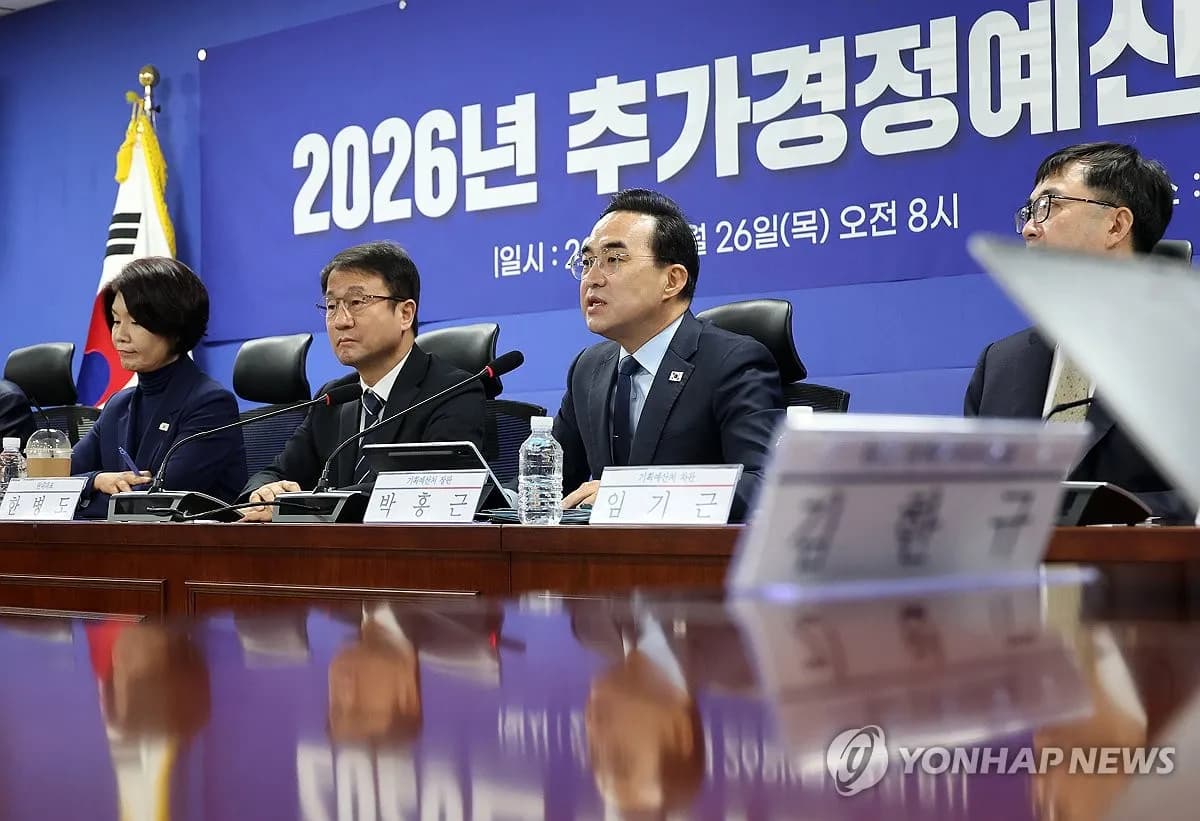
당정, 석유 최고가격제 손실 보전을 추경에 반영키로
당정이 석유 최고가격제 손실을 추경에 반영하기로 결정

6년 전 세 살 딸 살해한 30대 친모 구속송치
경찰, 6년 전 세 살 딸 살해 혐의 30대 친모를 구속송치

中企 수입 나프타의 80% 이상이 중동산…공급망 위기 심화
중소기업 수입 나프타의 80% 이상이 중동산으로 공급 의존도 높음

미·이란 긴장 한 달, 금융시장 요동…장기화 우려
미·이란 갈등으로 증시 변동성 확대, 코스피 6천 고지 후 등락

미·이란 전쟁 한 달, 미국 전문가 "종전·확전 기로"
미·이란 전쟁 1개월 도래, 종전·확전 기로 평가

미·이란 전쟁 1개월, 한국 안보·공급망 취약점 노출
미·이란 전쟁 장기화로 한국 안보·경제 취약점 노출