Hormuz Strait Blockade Enters Week 3, Brent Crude $100 Consolidation Expected
OCBC, Standard Chartered and other major banks forecast sustained high oil prices through mid-2026
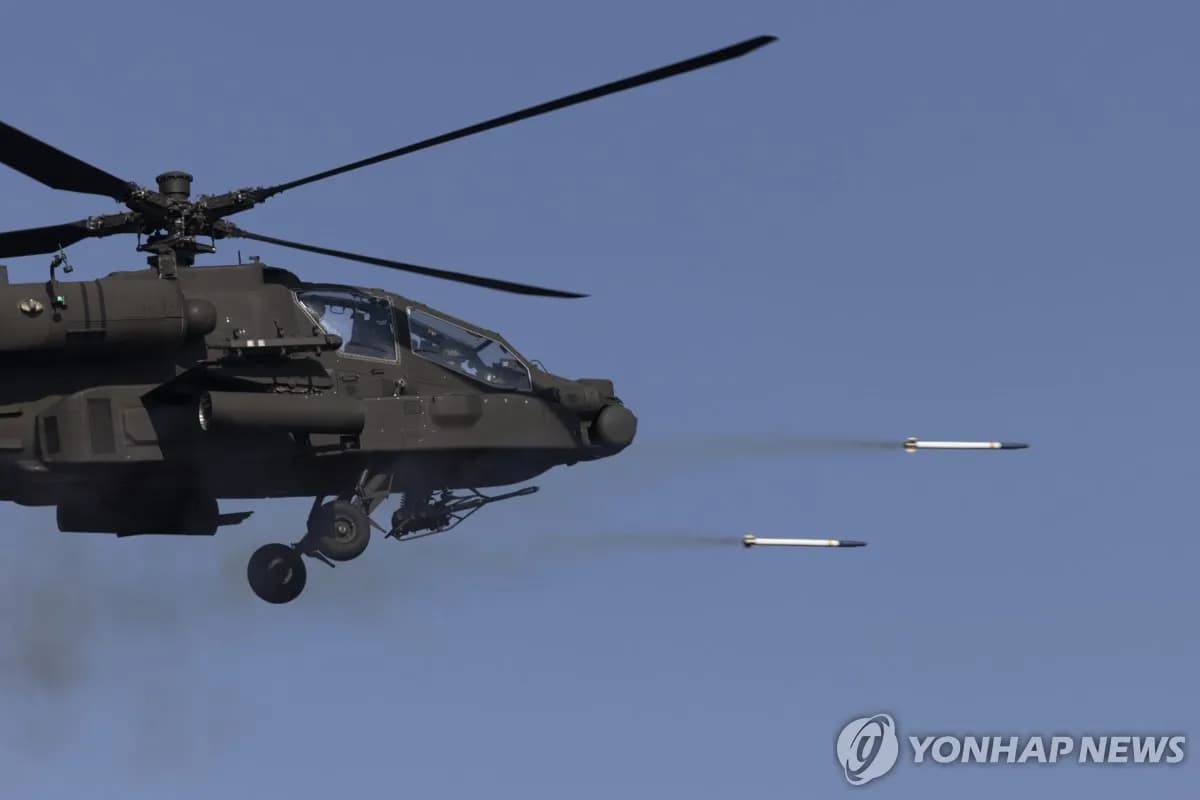
- •OCBC, Standard Chartered and other major banks have raised Brent crude forecasts to approximately $100 per barrel.
- •The Hormuz Strait blockade is constraining 20% of global oil and LNG traffic, with some institutions presenting extreme scenarios of $150-200 per barrel.
- •Sustained high oil prices are expected to reignite global inflation and trigger energy security realignment.
Major Investment Banks Sharply Raise Oil Price Forecasts
As the U.S.-Israel war with Iran enters its third week, global investment banks are unanimously raising their oil price forecasts. OCBC and Standard Chartered project that Brent crude will remain near $100 per barrel through mid-2026, while some institutions warn that prices could exceed $150 if the Hormuz Strait blockade persists.
OCBC has raised its Brent crude forecast to approximately $100 per barrel for the year, with expectations of a decline to $70 in early 2027. Emily Ashford, Head of Energy Research at Standard Chartered, stated that "despite optimistic U.S. projections, there is currently no credible path to de-escalation," announcing a significant upward revision of the 2026 average Brent crude forecast from $70 to $85.50 per barrel.
Impact of the Hormuz Strait Blockade
The Strait of Hormuz, through which approximately 20% of global oil and LNG traffic passes, continues to face severe constraints. Ashford analyzed that "Iran remains firmly committed to continuing restrictions on passage through the Strait of Hormuz and attacking military, transportation, and energy infrastructure including regional ports, refineries, oil fields, and vessels."
Brent crude recorded its largest single-day volatility in history on March 9, with intraday swings exceeding $35 per barrel, surging to $119.50—its highest level in 26 months—before currently fluctuating in the $100-105 range. Standard Chartered explained that "it has been an unprecedented three weeks for the energy sector" and "we are raising our price forecasts to reflect supply disruptions that have lasted longer than initially anticipated."
Wall Street's Extreme Scenario Warnings
Some institutions are presenting even more extreme scenarios. Energy consulting firm Wood Mackenzie warned that "$200 per barrel oil is not outside the realm of possibility," while Goldman Sachs forecasts that prices could approach $150 if cargo volume constraints persist.
Such oil price spikes are raising concerns about rekindled global inflation. The U.S. Federal Reserve held its benchmark interest rate steady at 3.5-3.75% at its March FOMC meeting, with Chairman Jerome Powell stating that "inflation is the Fed's top priority this year" and "we are monitoring the impact of the Iran war on economic conditions."
Historical Context of Supply Chain Realignment
Tensions surrounding the Strait of Hormuz are not a new phenomenon. The "Tanker War" occurred during the 1980s Iran-Iraq War, and tensions escalated in 2019 when Iran seized a British tanker. However, this crisis differs from the past in that it occurs at a time when the global energy supply structure has fundamentally changed.
Entering the 2020s, global energy markets were already under pressure to realign supply chains due to decarbonization policies and the Russia-Ukraine war. Following Russia's invasion of Ukraine in 2022, Europe dramatically reduced its dependence on Russian energy and increased its proportion of Middle Eastern crude, further elevating the strategic value of the Strait of Hormuz. The current situation is adding another shockwave to an already unstable global energy landscape.
Future Outlook [AI Analysis]
In the short term, oil prices are likely to remain elevated, reflecting geopolitical risk premiums. Standard Chartered's forecast of $98 for Q2 2026 assumes a scenario where the conflict eases within months, but finding negotiation momentum is difficult as Iran's hardline stance intersects with U.S. military responses.
In the medium term, key variables will include strategic petroleum reserve releases by various countries and whether OPEC+ increases production. U.S. strategic reserves are at historically low levels, limiting capacity for large-scale releases. While OPEC+ has spare production capacity, reaching production increase agreements is likely difficult due to oil-producing nations' interests in capitalizing on the high-price environment.
In the long term, energy security realignment is expected to accelerate. Major countries are likely to expedite renewable energy transitions while strengthening cooperation with non-Middle Eastern oil producers such as Canada and Brazil to reduce Middle East dependence. However, realizing such structural changes is expected to take several years, during which oil price volatility is forecast to remain at elevated levels.
댓글 (5)
이 문제의 본질이 무엇인지 깊이 생각해볼 필요가 있습니다.
중요한 포인트를 짚으셨네요.
팩트에 기반한 냉정한 판단이 필요한 시점입니다.
Blockade 문제는 양쪽 입장을 모두 들어봐야 할 것 같습니다.
균형 잡힌 시각이 필요하다는 데 동의합니다.
More in Economy
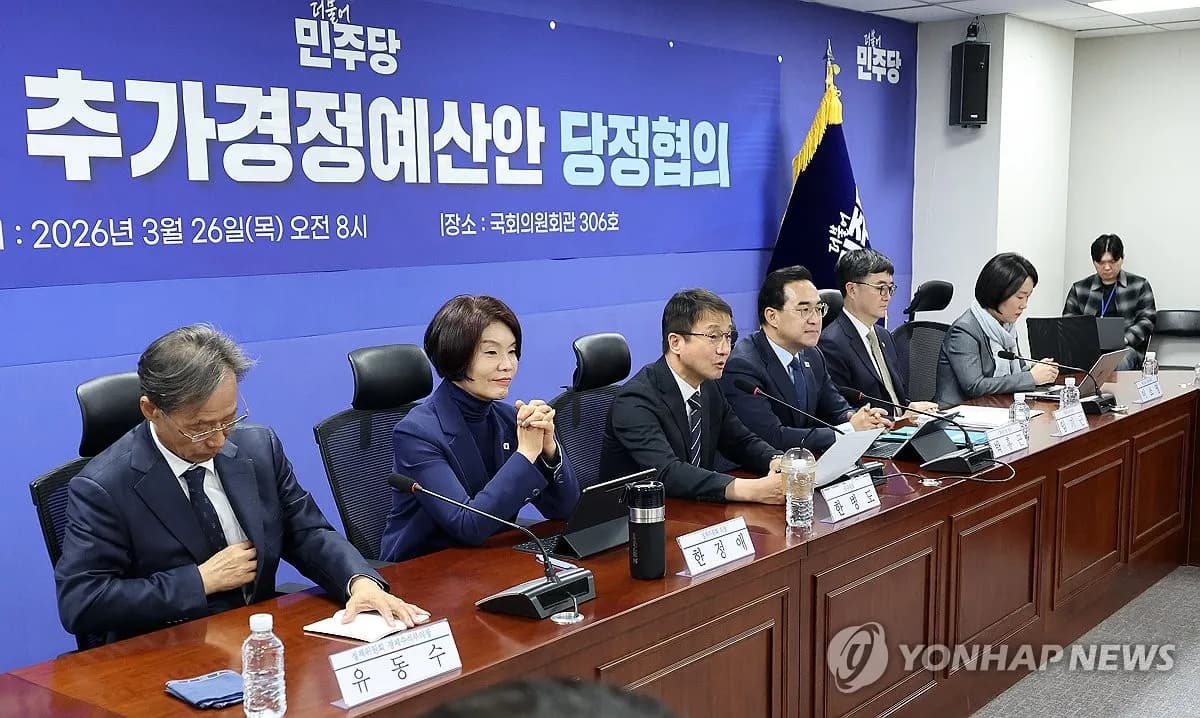
당정, 석유 최고가격제 손실 보전을 추경에 반영키로

미·이란 긴장 한 달, 금융시장 요동…장기화 우려

뉴욕증시 3대 지수 동반 상승…이란 휴전 기대감

Elon Musk's X recruits a cryptocurrency expert as head of design... ‘X Money’ launch imminent

BitGo-GK Sync plans to build ‘tokenized deposit’ infrastructure for banks

The other side of prediction markets: Ethical dilemmas of cryptocurrency platforms dealing in war and terrorism
Latest News
"간부 잘 아는데 교통비 좀" 휴가 군인들 돈 뜯은 50대 구속
50대 A씨가 휴가 중인 군인들에게 부대 간부를 아는 척 접근해 돈을 사취

英 옥토퍼스, 이란 전쟁 이후 태양광 판매 50% 증가
이란 전쟁 이후 영국 옥토퍼스의 태양광 판매량 50% 증가
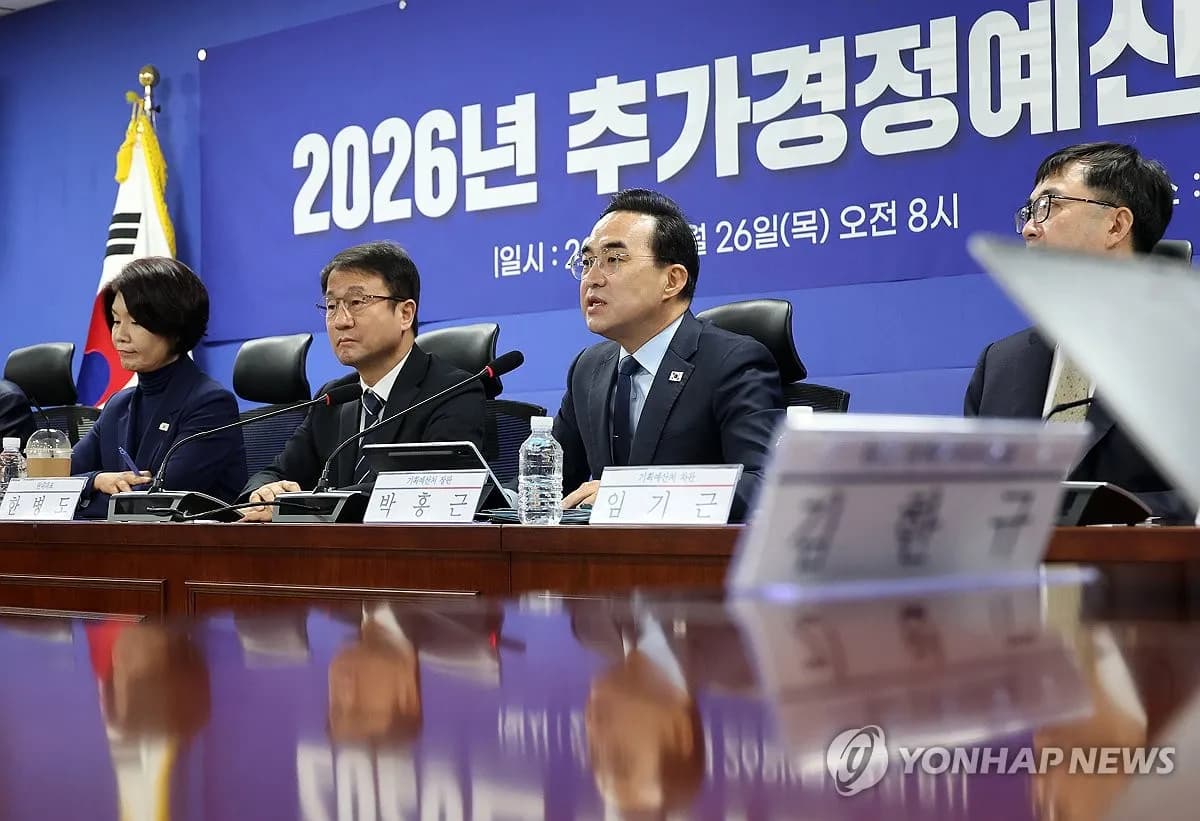
당정 "추경, 지방·취약계층에 더 지원되는 방식으로"
당정이 지방자치단체와 취약계층 중심의 추경 편성 방침 재확인
어머니 폭행하고 금팔찌 빼앗은 30대 아들 경찰에 붙잡혀
어머니 폭행 후 금팔찌 빼앗은 30대 남성 체포
아이티 갱단 폭력사태로 10개월간 5천명 이상 사망
아이티에서 지난 10개월간 갱단 폭력으로 5천명 이상 사망
서방 정보당국 "러시아, 우크라이나 전쟁 후 이란에 드론·식량 공급"
서방 정보당국, 러시아의 이란 드론·식량 공급 작업 거의 완료 파악

6년 전 세 살 딸 살해한 30대 친모 구속송치
경찰, 6년 전 세 살 딸 살해 혐의 30대 친모를 구속송치

中企 수입 나프타의 80% 이상이 중동산…공급망 위기 심화
중소기업 수입 나프타의 80% 이상이 중동산으로 공급 의존도 높음