ICJ Turns 80: Guterres Warns International Law Is Losing Ground to Force
UN Secretary-General calls rule of law 'the only right choice' as violations mount before the world's eyes
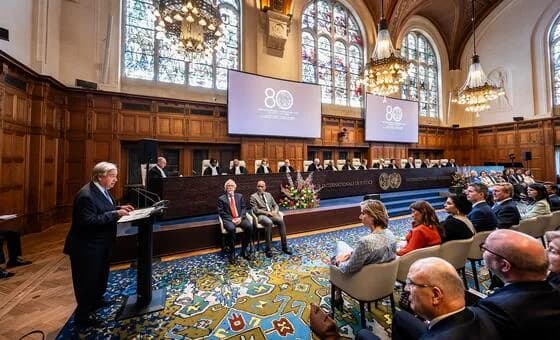
- •Guterres issued a stark warning on international law erosion at the ICJ's 80th anniversary.
- •He implicitly targeted Security Council permanent members for violating the rules-based order.
- •The weakening of international law poses direct risks to states that rely on multilateral frameworks.
The World Court Marks Eight Decades
As the International Court of Justice (ICJ) celebrated its 80th anniversary, UN Secretary-General António Guterres delivered a stark warning from the Peace Palace in The Hague: the founding conviction that "the force of law must always prevail over the law of force" is now under severe threat.
The ICJ, the UN's principal judicial organ, adjudicates disputes between states and issues advisory opinions on legal questions from UN bodies. Known as "the world court," it has served as the judicial backbone of the international order since its founding.
Why This Warning Matters Now
Guterres' remarks were far from a ceremonial address. "Violations of international law are unfolding before our eyes. Military operations trample the basic rules that govern conflict. Humanitarian obligations are ignored," he said pointedly.
Most notably, he stated that this erosion is occurring "at its core — including by States entrusted with unique responsibilities for the maintenance of international peace and security" — a thinly veiled reference to permanent members of the UN Security Council, widely interpreted as addressing ongoing conflicts from Ukraine to the Middle East.
"When the law of force replaces the force of law, instability becomes contagious. Conflicts spill across borders. Economic shocks reverberate around the world. And the most vulnerable always suffer first and suffer most," he warned.
Eighty Years: A Courthouse Built on Ruins
In 1945, world leaders chose to reject a future ruled by coercion. The result was the UN Charter and the ICJ, formally established in 1946. Over eight decades, the court has addressed border disputes, maritime boundaries, diplomatic immunity, and genocide accountability, shaping the contours of modern international relations.
Guterres noted that the growing number of cases before the court is "a clear sign of trust in its authority and independence." Yet this institutional confidence stands in contrast to growing political resistance to ICJ rulings from major powers — a paradox that defines the court's 80th year.
The strains on the rules-based order have compounded over time: the post-9/11 "war on terror" created the first cracks; Russia's full-scale invasion of Ukraine in 2022 exposed the Security Council's paralysis; and disputes over ICJ provisional measures in the Gaza conflict have further tested the system's credibility.
Looking Ahead [Expert Analysis]
The central question raised by Guterres' speech is this: when international law loses authority, what alternative remains?
International law scholars increasingly view the current crisis not merely as an enforcement failure but as a legitimacy crisis for the entire post-WWII liberal international order — driven by U.S. retrenchment, Chinese and Russian assertions of sovereignty-first norms, and growing distrust of Western-led frameworks among Global South nations.
Three scenarios are plausible going forward. First, a "rebuilding path" in which multilateral judicial institutions regain credibility through reform. Second, a "hollowing-out path" where major powers selectively comply with ICJ rulings, effectively reducing international law to advisory status. Third, a "fragmentation path" where regional blocs develop parallel dispute resolution mechanisms.
Guterres urged states to strengthen international law, recommit to peaceful settlement of disputes, respect ICJ judgements, and uphold the UN Charter. "In this moment of crisis, that is the only right choice," he said. Whether that appeal translates into state behavior remains an open question — and the most consequential one of the court's ninth decade.
댓글 (11)
냉정한 판단이 필요합니다. ICJ 배경을 잘 설명해준 기사네요.
여론에 휩쓸리지 말아야 합니다. Turns 이슈는 구조적 문제가 더 크다고 생각합니다. 후속 보도 기대하겠습니다.
신중하게 접근해야 합니다. 80:에 대한 법적 판단이 나올 때까지 기다려야 합니다.
정리가 깔끔하네요.
ICJ 이슈는 구조적 문제가 더 크다고 생각합니다.
다양한 시각이 필요합니다. Turns 관련 여론이 급변하고 있습니다. 이해 당사자의 입장도 들어봐야 합니다.
80:이 전개되는 방향을 좀 더 지켜봐야 할 것 같습니다.
차분한 논의가 필요합니다. 국제사법재판소에 대해 전문가마다 의견이 다른 게 흥미롭습니다. 맥락 파악에 도움이 됩니다.
ICJ 사안에서 미디어의 역할이 중요합니다. 더 공부해야겠습니다.
Turns 논란의 핵심이 뭔지 정리가 필요합니다.
80: 사안에서 미디어의 역할이 중요합니다.
More in Global
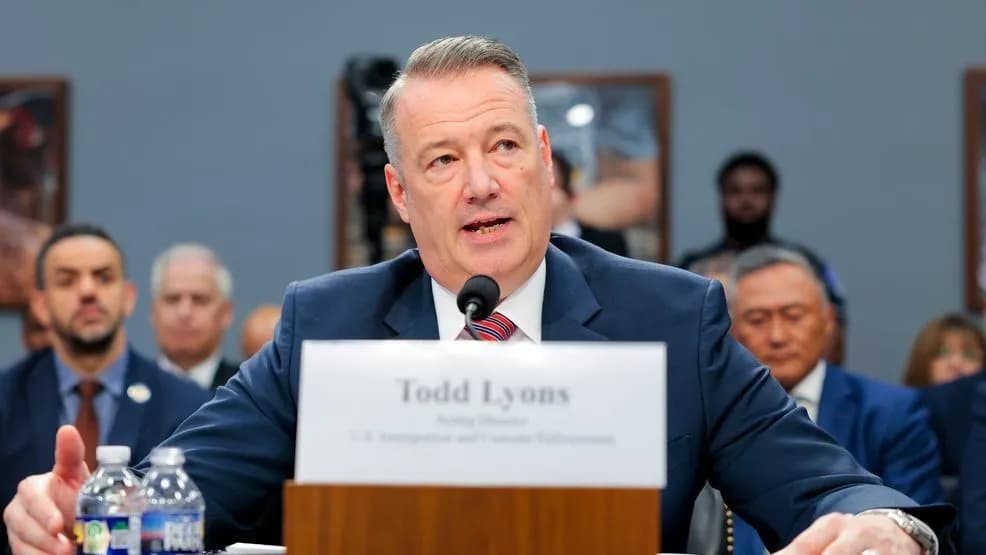
ICE Acting Director Todd Lyons to Resign at End of May, DHS Confirms

Trump Maintains Naval Blockade as Iran Declares Full Opening of Strait of Hormuz
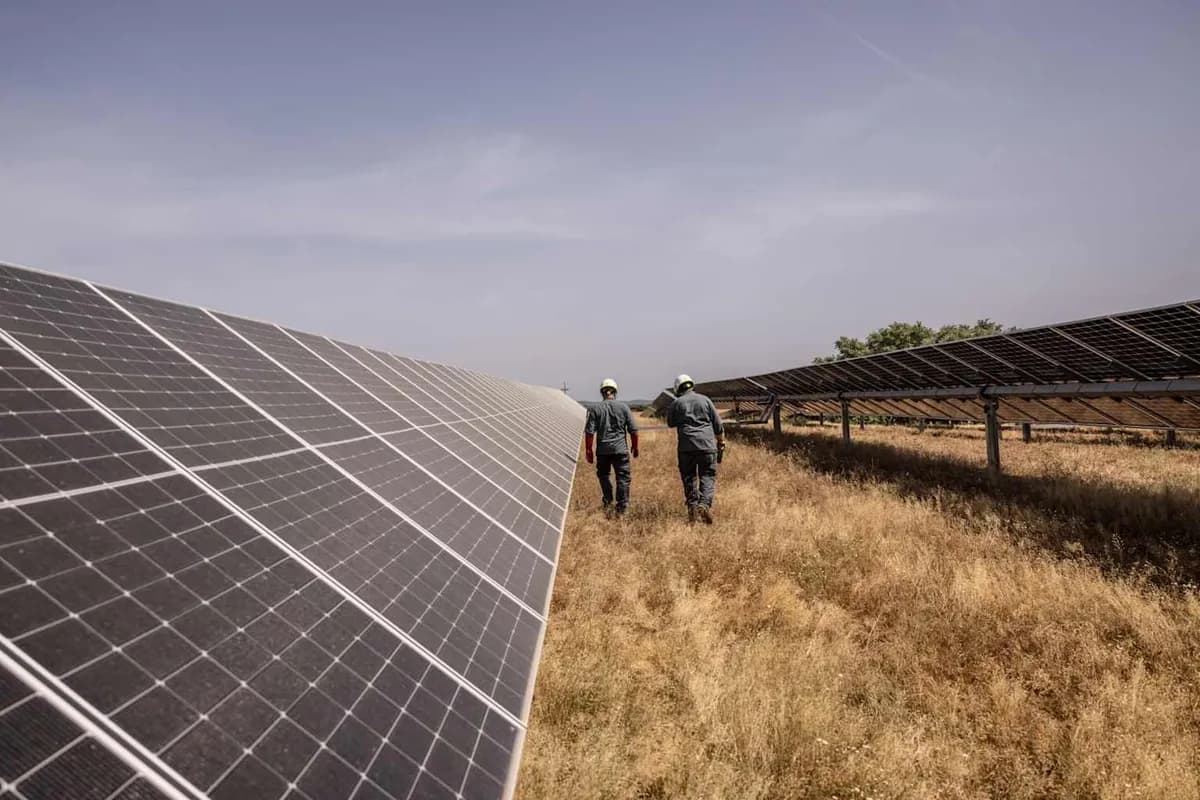
호르무즈 봉쇄가 바꾼 에너지 지도, 재생에너지 전환 가속

Iran Declares Strait of Hormuz 'Fully Open,' Oil Prices Plunge 11%
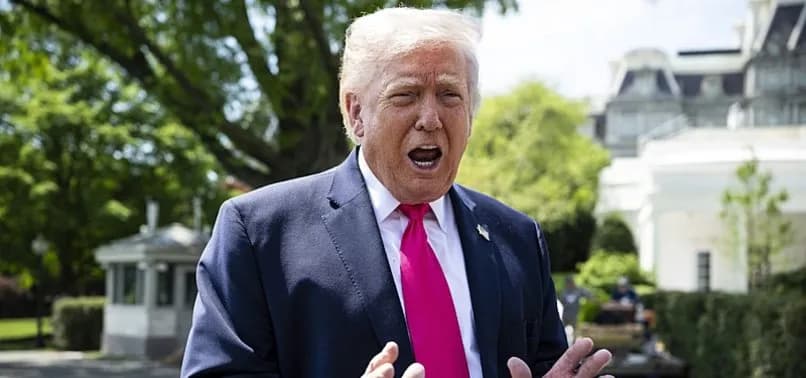
트럼프, 이란 해상봉쇄 '합의 때까지 완전 유지' 선언
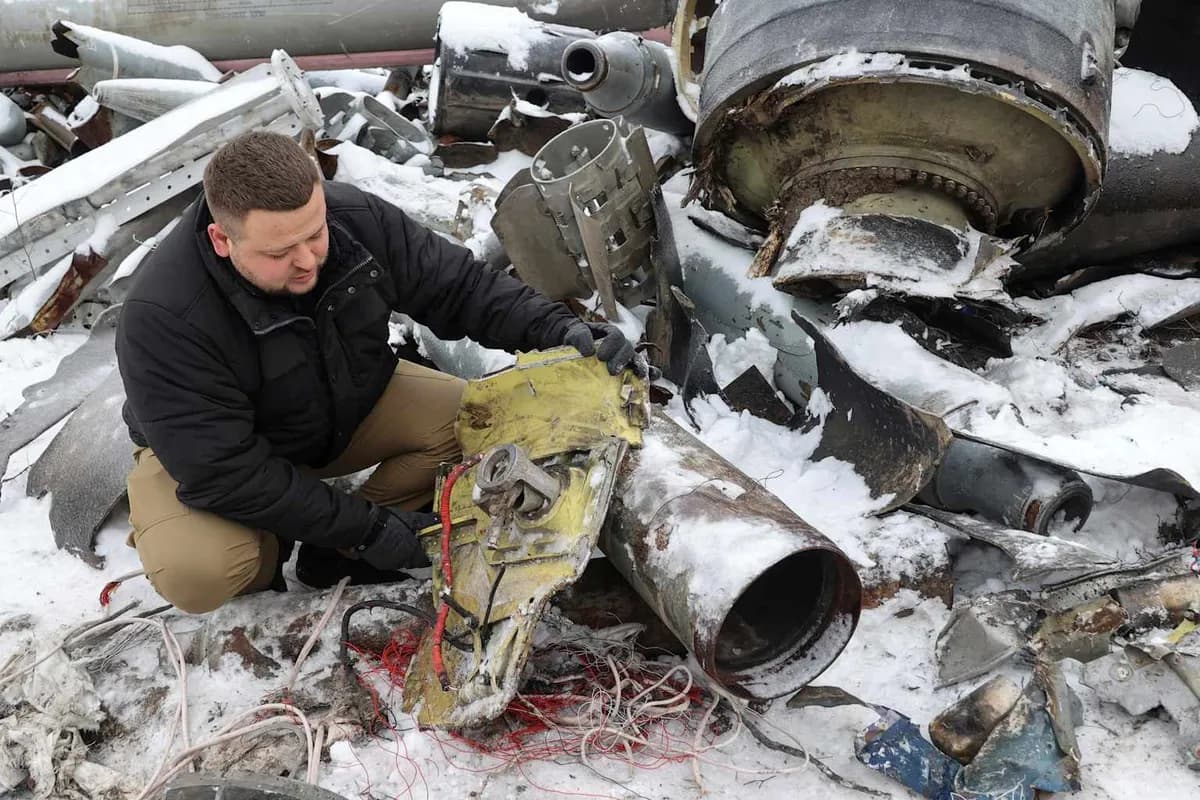
북한 미사일의 민낯: 50년 뒤처진 기술로 만들어진 KN-23·KN-24
Latest News
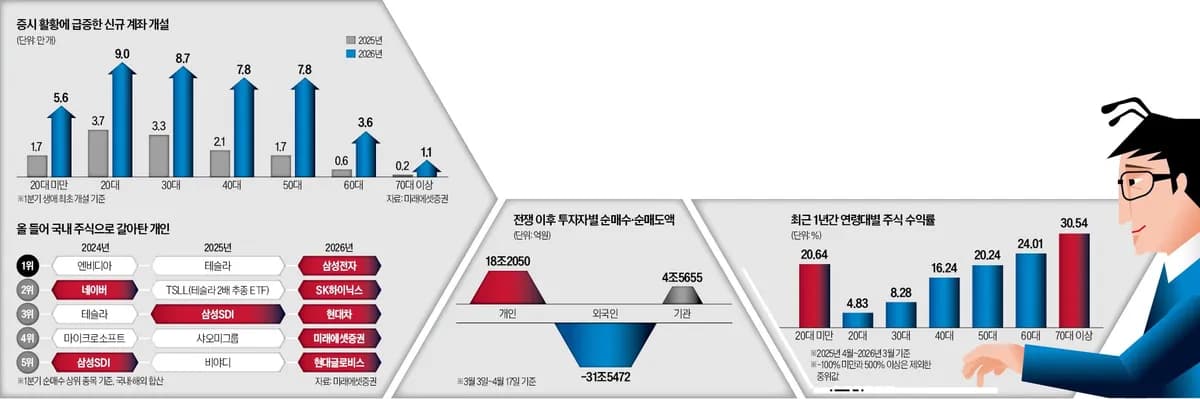
Buy in Fear, Sell in Greed — Retail Investors Credited for Defending KOSPI 5000
Donghak Ants absorb foreign selloffs, playing a key role in defending KOSPI 5000
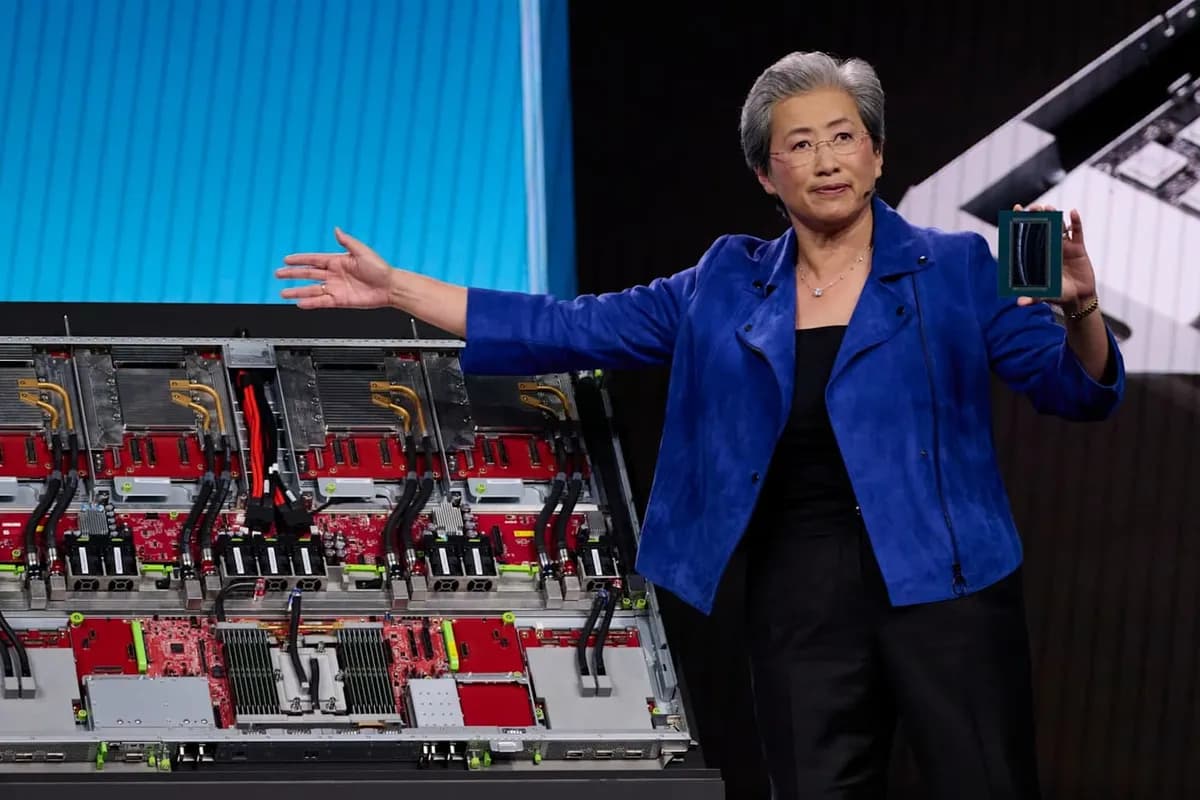
AMD MI450, Anthropic 계약 임박…엔비디아 독주에 균열 생기나
AMD MI450은 FP8 성능 40 PFLOP, HBM4 메모리 432GB로 이전 세대 대비 2배 성능을 제공한다.

아마존, AWS AI 연매출 150억 달러 첫 공개… 2,000억 달러 투자 정당화 나섰다
아마존 재시 CEO가 AWS AI 연매출 실행률 150억 달러를 처음 공개하고, 2026년 2,000억 달러 capex 계획을 재확인했다.
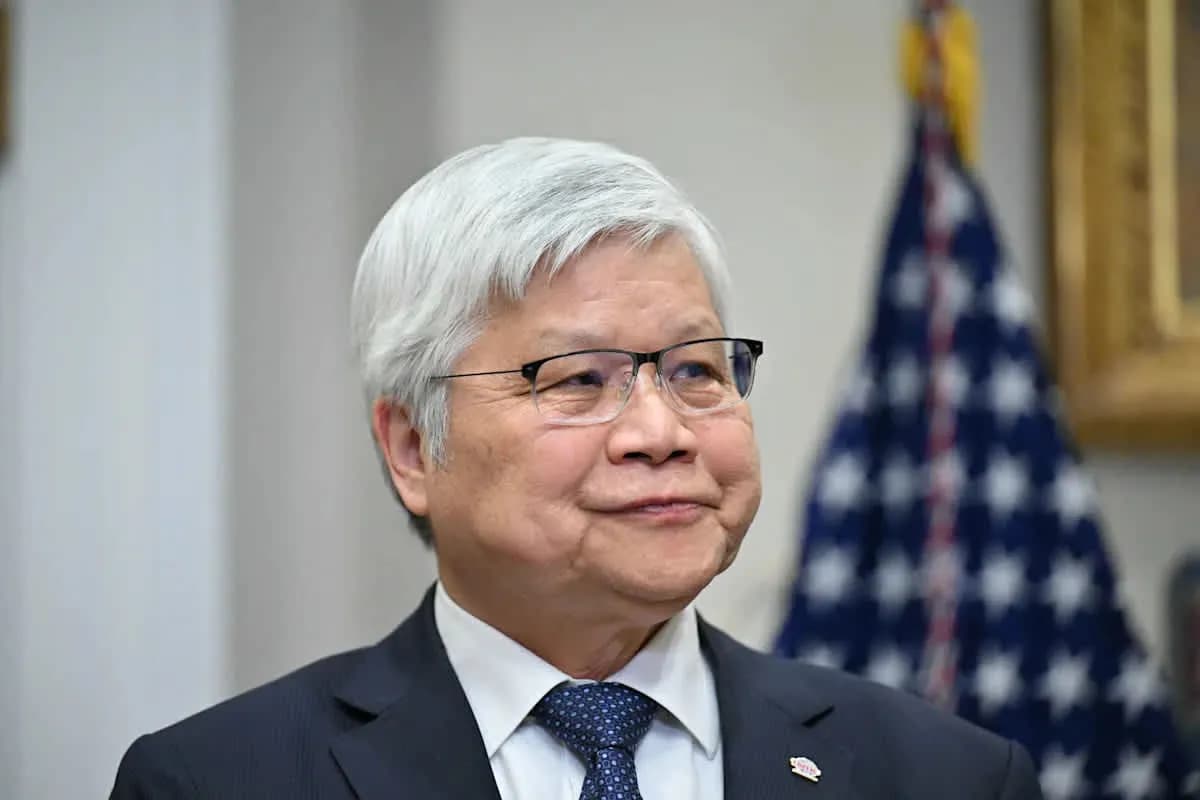
TSMC, 3개 대륙 3나노 팹 동시 확장…AI 수요가 반도체 지형을 바꾼다
TSMC 2026년 1분기 순이익 NT$5,724억, 전년비 58% 급증하며 4분기 연속 신기록 달성.

중국 스마트폰 시장 침체 속 애플 아이폰 출하 20% 급증
애플 아이폰의 중국 1분기 출하량이 전년 대비 20% 급증해 주요 업체 중 최고 성장률을 기록했다.

이란 전쟁發 에너지 위기, EU 스태그플레이션 경계선에 서다
IMF가 이란 전쟁發 에너지 위기로 EU 경기침체 가능성을 경고했다.
호르무즈 재개방 선언에도 파나마 운하 적체 해소 '요원'
이란이 호르무즈 해협 완전 개방을 선언했지만 미 해군 봉쇄는 유지됐다.
호르무즈 해협 재개방에 금값 급등·유가 폭락
이란의 호르무즈 해협 재개방 선언에 금값이 3월 이후 최고치로 상승했다.