Inter-American Court of Human Rights urges strengthened state responsibility to eradicate arms trafficking
Advisory opinion initiated at the request of the Mexican government directly challenges U.S. gun manufacturer immunity laws
- •The Inter-American Court of Human Rights specifies the state's duty of due diligence to combat arms trafficking
- •80% of guns recovered from crime scenes in Mexico are from the U.S., making trafficking a serious problem
- •The United States is not legally bound by the agreement because it has not ratified it, but international pressure is expected to increase.
Key content
The Inter-American Court of Human Rights has issued an advisory opinion calling on governments to take stronger measures to combat arms trafficking and provide victims with legal redress. The decision comes at a time when Mexico is increasing pressure to stem the flow of illegal firearms from the United States, and is expected to be an important milestone in addressing gun trafficking within the international human rights law system.
In an advisory opinion issued last week, the Costa Rica-based tribunal said governments owe a "duty of due diligence regarding activities that may lead to illegal firearms trafficking." This duty includes supervising and monitoring gun manufacturers to ensure they do not encourage human rights violations and providing effective judicial remedies to victims of rights violations.
Why is it important?
The reason this ruling is attracting attention is because it contains international criticism of the U.S. ‘Protection of Lawful Traffic in Arms Act (PLCAA)’. U.S. federal law largely exempts gun manufacturers from legal liability for crimes committed with their products. The tribunal noted that “indiscriminate access to firearms” threatens the “right to life” and “right to bodily integrity” of vulnerable groups, including women and children.
According to Mexican government estimates, smugglers smuggle up to 500,000 firearms from the United States into Mexico each year. This is considered a major cause of gun deaths in Mexico. According to recent remarks by Mexico's defense minister, approximately 80% of guns recovered from Mexican crime scenes are American-made.
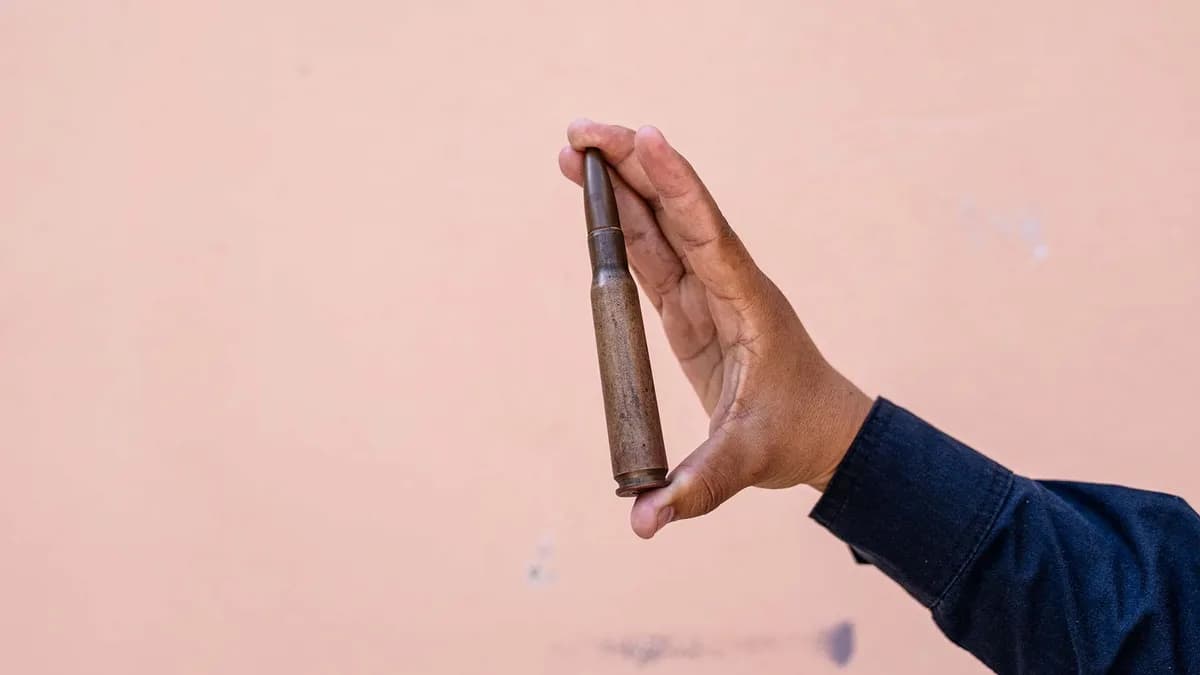
Drug cartels routinely use military-style semi-automatic firearms purchased from U.S. retailers in attacks against civilians and authorities. This includes powerful firearms, such as the .50-caliber rifle used to shoot down a government helicopter.
Historical Context
Mexico's gun-related murder rate has risen sharply since the U.S. ban on assault weapons expired in 2004. The resumption of free sales of military-style weapons in the U.S. opens a channel for these weapons to flow across the southern border and into Mexican criminal organizations.
In 2021, Mexico filed a lawsuit against seven gun manufacturers in the United States. The charges were that these companies had engaged in negligent business practices that contributed to the arming of the cartels. However, last year, the U.S. Supreme Court dismissed the lawsuit, saying that companies are protected from legal liability for criminal actions by third parties based on the Protection of Lawful Traffic in Arms Act (PLCAA).
The Inter-American Court of Human Rights' advisory opinion began in 2022 when the Mexican government requested the court to review the question, "What responsibility do the state and gun manufacturers bear for human rights violations committed with firearms?"
A recent joint investigation by the International Consortium of Investigative Journalists (ICIJ) and the New York Times found that cartels used ammunition manufactured at U.S. Army-owned facilities in some of their attacks. Smugglers can purchase such ammunition, including armor-piercing variants, on the civilian market thanks to agreements between the U.S. government and private contractors.
Future outlook [AI analysis]
Although the United States is a member of the Organization of American States (OAS), it has never ratified the Inter-American Convention on Human Rights and is therefore not legally bound by the court's decision. However, this opinion is likely to set an important precedent within the international human rights law system.
Jonathan Lowy, executive director of Global Action on Gun Violence, said in a statement that the decision "makes clear that the Protection of Lawful Traffic in Arms Act, the law that protects the U.S. gun industry, violates basic principles of international human rights law." Representative Rowe previously represented Mexico in a lawsuit filed by Mexico against U.S. gun manufacturers.
It is highly likely that Central and South American countries, including Mexico, will increase diplomatic pressure on the United States based on this advisory opinion. In addition, criticism of America's gun policy and manufacturer immunity laws is expected to intensify on the international stage.
However, it is expected that it will be difficult to revise or abolish the law to protect legal arms trade in the United States in the short term. This is because the gun industry's powerful lobby and political sensitivity surrounding the Second Amendment (right to bear arms) remain high. This decision is likely to serve as a force for shaping international discourse and long-term policy change rather than as an immediate legal binding force.
댓글 (4)
기사 잘 봤습니다. 다른 시각의 분석도 읽어보고 싶네요.
간결하면서도 핵심을 잘 정리한 기사네요.
공감합니다. 참고하겠습니다.
Human에 대해 더 알고 싶어졌습니다. 후속 기사 부탁드립니다.
More in Global
Election Banner Crisis Looms as Middle East Naphtha Shortage Hits Minor Parties
4 out of 10 Industrial Deaths Due to Falls...Over 200 Workers Die Annually from Workplace Falls
18 Arrested at Palestine Support Protest Outside London Police Headquarters
Iran-backed Houthis Join War with Attack Against Israel
Pope Leo XIV Warns 'War Is Result of Idolatry of Power and Money' During Monaco Visit
Pro-Israel Extremist Arrested for Molotov Cocktail Attack Attempt on Palestinian Activist's Home in New York
Latest News

Scotland Suffer Shock Defeat to Japan Ahead of World Cup Return
Scotland rugby team suffers defeat to Japan with poor performance ahead of World Cup
Iran Crisis Fuels Market Volatility Amid Oil Price Concerns
Global and domestic markets face volatility from Iran-triggered oil crisis

Former UK Minister Josh Simons Resigns Over Journalist Investigation Controversy
Former UK Minister Josh Simons resigns over journalist investigation controversy

11-Year-Old Lebanese Boy Killed in Israeli Strike Buried Amid Tears and Defiance
11-year-old Jawad Younes and uncle Ragheb killed in Israeli strike on Lebanon

US 'Looksmaxxing' Influencer Clavicular Arrested on Battery Charges in Florida
Looksmaxxing influencer Clavicular (Peters) arrested in Florida on battery charges

Zelensky Visits Gulf States as Iran Strikes Ukrainian Drone Defense Facility in UAE
Iran strikes Ukrainian drone defense facility in UAE during President Zelensky's Gulf tour