Iran Declares Gulf Energy Facilities as Targets... Oil Prices Approach $110
Middle East War Enters Third Week, Strait of Hormuz Blockade Cuts 7.5% of Global Oil Supply
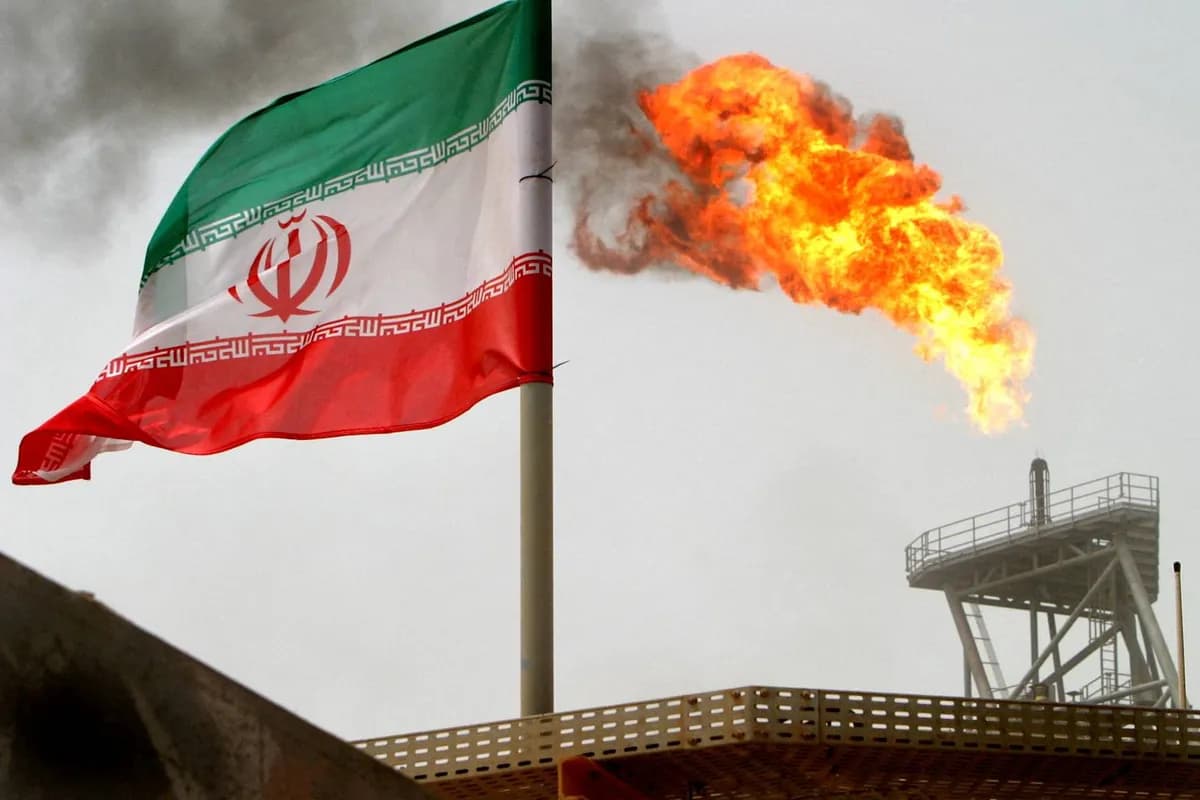
- •Iran has declared Saudi, Qatari, and UAE energy facilities as attack targets, causing oil prices to surge 40% and approach $110 per barrel.
- •The blockade of the Strait of Hormuz has cut off 7.5% of global oil supply, with the IEA calling it the largest supply disruption in history.
- •Nations are urgently reviewing fossil fuel dependency reduction and accelerated renewable energy transition as critical priorities.
Iran's Threat to Gulf Facilities Drives Oil Price Surge
International energy markets are in turmoil as Iran has designated energy facilities in Saudi Arabia, Qatar, and the United Arab Emirates (UAE) as "legitimate targets for attack." According to Bloomberg reports, Iran indicated it would target energy assets of Gulf oil-producing nations in retaliation for Israel's attack on the South Pars gas field.
Brent crude prices have surged more than 40% since the outbreak of war on February 28, approaching $110 per barrel. The International Energy Agency (IEA) has characterized this as "the largest supply disruption in global oil market history." With the Strait of Hormuz effectively blockaded, 7.5% of the world's oil supply—an even larger share by export volume—has been cut off.
Impact on South Korea's Economy
The Strait of Hormuz is a critical route for South Korea's crude oil imports. With 70% dependence on Middle Eastern crude, this crisis could deliver a direct blow to South Korea. Rising oil prices translate into inflationary pressure and are expected to influence the Bank of Korea's monetary policy.
The Ministry of Trade, Industry and Energy is reportedly reviewing emergency response measures including strategic reserve releases and supply diversification. While the refining industry has already begun securing alternative import sources, prolonged conflict will inevitably increase uncertainty in both supply stability and pricing.
Renewable Energy Transition Gains Urgency
UN climate chief Simon Stiell urged European leaders to accelerate renewable energy adoption, noting that "solar power doesn't depend on narrow, vulnerable shipping chokepoints." Paradoxically, the energy crisis triggered by the Middle East war has starkly highlighted the necessity of reducing fossil fuel dependence.
According to multiple international media sources, policymakers across nations are reconsidering long-term responses including nuclear expansion, increased renewable energy investment, strategic reserve enhancement, domestic production strengthening, and supply source diversification. Middle East risk premiums are expected to remain embedded in oil and gas markets for years, if not decades, to come.
U.S. Military Operations and the Fed's Dilemma
The United States continues air operations without ground troop deployment, utilizing aging KC-135 aerial refueling tankers to conduct strikes on Iran. The Trump administration is reviewing options to expand operations as the war enters its third week.
Meanwhile, Federal Reserve Chairman Jerome Powell faces yet another economic shock. Already grappling with above-target inflation and an uneven labor market, the Fed must now factor in surging oil prices. Investors find it increasingly difficult to predict the direction of U.S. monetary policy in the coming months.
댓글 (3)
Iran 관련 기사 잘 읽었습니다. 유익한 정보네요.
Declares에 대해 더 알고 싶어졌습니다. 후속 기사 부탁드립니다.
간결하면서도 핵심을 잘 정리한 기사네요.
More in Global



Latest News

당정, 석유 최고가격제 손실 보전을 추경에 반영키로
당정이 석유 최고가격제 손실을 추경에 반영하기로 결정

6년 전 세 살 딸 살해한 30대 친모 구속송치
경찰, 6년 전 세 살 딸 살해 혐의 30대 친모를 구속송치

中企 수입 나프타의 80% 이상이 중동산…공급망 위기 심화
중소기업 수입 나프타의 80% 이상이 중동산으로 공급 의존도 높음

미·이란 긴장 한 달, 금융시장 요동…장기화 우려
미·이란 갈등으로 증시 변동성 확대, 코스피 6천 고지 후 등락

미·이란 전쟁 한 달, 미국 전문가 "종전·확전 기로"
미·이란 전쟁 1개월 도래, 종전·확전 기로 평가

미·이란 전쟁 1개월, 한국 안보·공급망 취약점 노출
미·이란 전쟁 장기화로 한국 안보·경제 취약점 노출