Iranian Women's Soccer Captain Withdraws Australia Asylum Request—Rights Groups Claim 'Family Threats'
5 of 7 Players Who Sought Asylum After Refusing National Anthem at Asian Cup Decide to Return Home
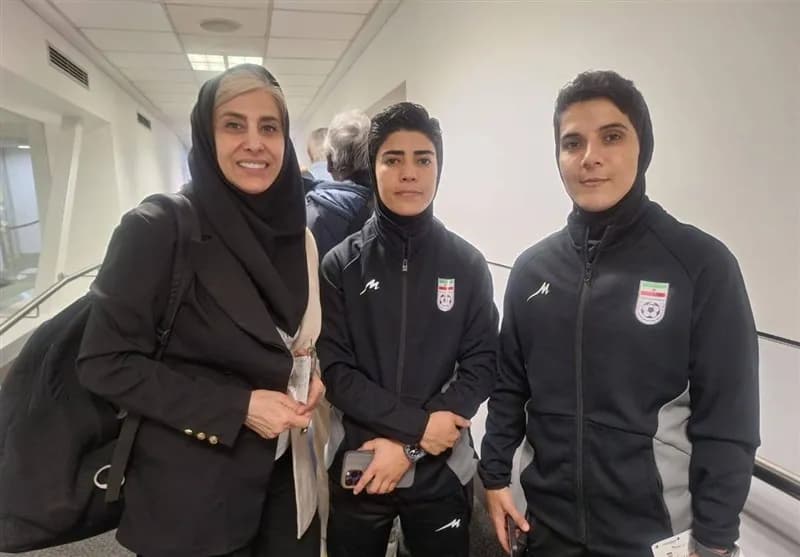
- •Zahra Ghanbari, captain of Iran's women's national soccer team, has withdrawn her asylum application in Australia and decided to return home.
- •5 of 7 players who sought asylum after refusing to sing the national anthem at the Asian Cup have expressed their intention to return.
- •Human rights activists claim the Revolutionary Guards threatened players' families to force them to abandon asylum.
Iranian Women's Soccer Captain Ghanbari Abandons Asylum, Decides to Return Home
Zahra Ghanbari, captain and all-time leading scorer of Iran's women's national soccer team, has withdrawn her asylum application in Australia and decided to return to Iran, Iran's state news agency IRNA reported on the 18th (local time).
Ghanbari is scheduled to return to Iran from Australia via Malaysia. With this decision, 5 of the 7 Iranian players who applied for asylum after participating in the Women's Asian Cup have expressed their intention to return home, leaving only 2 players remaining in Australia to continue their asylum proceedings.
'Refusal to Sing National Anthem' Was the Trigger—State TV Labels Them 'Wartime Traitors'
The controversy began during the pre-match national anthem ceremony at the Women's Asian Cup. Ghanbari and other Iranian players refused to sing Iran's national anthem on the field, and subsequently applied for asylum in Australia.
Iranian state TV harshly condemned them as 'wartime traitors.' The Iranian government regards the refusal to sing the national anthem as a challenge to the regime and has continued to pressure the players through state media.
Human Rights Activist Claims "Revolutionary Guards Threatened Families"
However, Shiva Amini, an exiled Iranian athlete, disclosed via social media platform X (formerly Twitter) that the Iranian Football Association and the Revolutionary Guards (IRGC) applied pressure on the players' families.
According to Amini, the Revolutionary Guards made direct threats including summoning Ghanbari's mother, and this pressure influenced the players' decisions to withdraw their asylum applications.
In contrast, Iranian authorities countered by claiming that Australia pressured the players to stay, asserting that the players' decisions to return home were voluntary.
Anti-Regime Movement in Iran and Female Athletes
Since the 2022 death of Mahsa Amini during hijab enforcement, women's rights protests have spread throughout Iran, and the Iranian women's national soccer team's refusal to sing the national anthem is interpreted as an extension of this anti-government resistance movement.
In the past, Iranian female athletes have resisted the regime at international competitions by refusing to wear hijabs and refusing to sing the national anthem, with some choosing asylum. Ghanbari's decision to return home is seen as a case demonstrating the Iranian government's powerful control and the continuing effectiveness of pressure on families.
댓글 (4)
Iranian 관련 기사 잘 읽었습니다. 유익한 정보네요.
좋은 의견이십니다.
Women에 대해 더 알고 싶어졌습니다. 후속 기사 부탁드립니다.
좋은 의견이십니다.
More in Sports & Esports

Boston Red Sox's 'lobster poutine' faces strong protests in Canada

Free drink for every 420-foot MLB home run... Mountain Dew holds a unique promotion

살라, 리버풀 떠난다...프리미어리그 역대 최고 공격수는?

Santo Domingo's Malecón Sports Park Construction Progressing Smoothly

Pogačar Overcomes Crash to Win Milano-Sanremo, Achieves Four Monument Victories

UFC 313: Jones vs. Aspinall Heavyweight Title Fight Confirmed
Latest News
"간부 잘 아는데 교통비 좀" 휴가 군인들 돈 뜯은 50대 구속
50대 A씨가 휴가 중인 군인들에게 부대 간부를 아는 척 접근해 돈을 사취

英 옥토퍼스, 이란 전쟁 이후 태양광 판매 50% 증가
이란 전쟁 이후 영국 옥토퍼스의 태양광 판매량 50% 증가
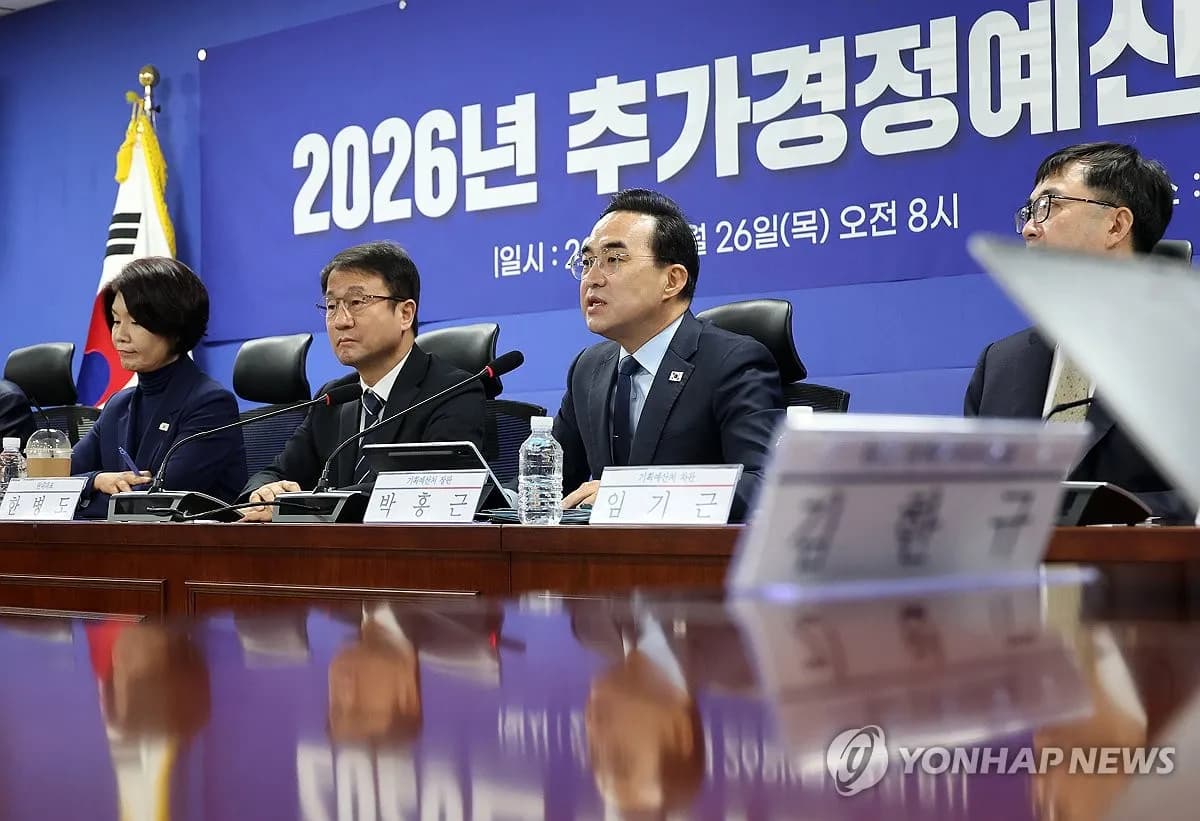
당정 "추경, 지방·취약계층에 더 지원되는 방식으로"
당정이 지방자치단체와 취약계층 중심의 추경 편성 방침 재확인
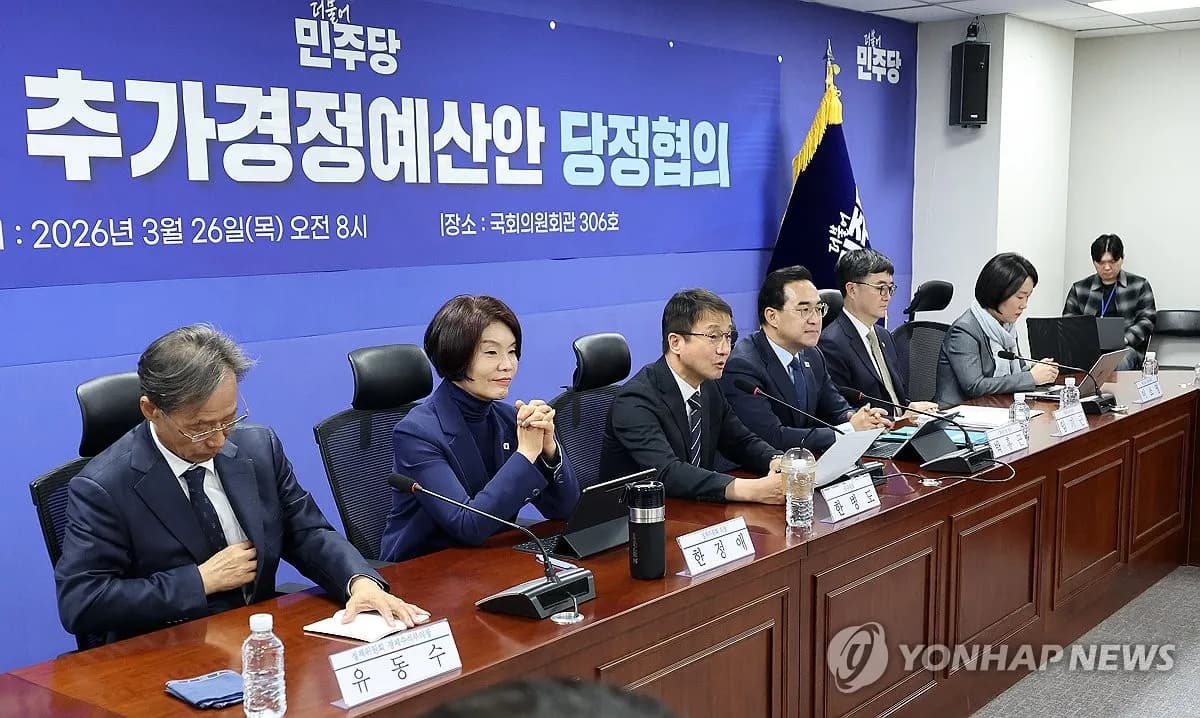
당정, 석유 최고가격제 손실 보전을 추경에 반영키로
당정이 석유 최고가격제 손실을 추경에 반영하기로 결정
어머니 폭행하고 금팔찌 빼앗은 30대 아들 경찰에 붙잡혀
어머니 폭행 후 금팔찌 빼앗은 30대 남성 체포
아이티 갱단 폭력사태로 10개월간 5천명 이상 사망
아이티에서 지난 10개월간 갱단 폭력으로 5천명 이상 사망
서방 정보당국 "러시아, 우크라이나 전쟁 후 이란에 드론·식량 공급"
서방 정보당국, 러시아의 이란 드론·식량 공급 작업 거의 완료 파악

6년 전 세 살 딸 살해한 30대 친모 구속송치
경찰, 6년 전 세 살 딸 살해 혐의 30대 친모를 구속송치