Is Japan's First Female PM Frontrunner Takaichi a Blessing for South Korea?
Abe's successor Sanae Takaichi elected LDP president—Taiwanese media celebrates, but concerns arise in Korea
- •Sanae Takaichi was elected as president of Japan's Liberal Democratic Party, making the birth of Japan's first female prime minister likely
- •While Taiwan welcomes Takaichi, who inherits Abe's line, South Korea has concerns due to historical issues
- •As East Asia's security landscape is reorganized, new tensions are expected in Korea-Japan relations and China-Japan relations
The Emergence of a Female Leader Who Will Transform Japan's Political Landscape
Sanae Takaichi defeated Shinjiro Koizumi in the second round of voting on the 4th to become the 29th president of the Liberal Democratic Party (LDP). With the likely birth of Japan's first female prime minister, a new variable has emerged in East Asia's political landscape.
The Democratic Progressive Party (DPP) government in Taiwan has clearly expressed its welcome to President Takaichi's election, who is known to faithfully inherit former Prime Minister Shinzo Abe's political line. Taiwanese media emphasize that Takaichi previously expressed respect for former President Tsai Ing-wen, evaluating her as a firm ally of "抗中保台 (resist China, protect Taiwan)."
The Succession of Abe's Line and Its Implications
President Takaichi is expected to continue the hardline diplomatic approach advocated by former Prime Minister Abe. In particular, she is likely to inherit Abe's statement that "a Taiwan contingency is a Japanese contingency," which could further escalate tensions with China.
This is welcome news from Taiwan's perspective. Indeed, Taiwanese media and public opinion describe Takaichi as the "Iron Lady" or Japan's Margaret Thatcher, expressing anticipation. There are also forecasts that the Taiwan-Japan cooperative relationship built during the Tsai Ing-wen government will become more solid.
However, the situation is different from South Korea's perspective. The Abe line has maintained a conservative stance on historical recognition issues and has been an obstacle to improving Korea-Japan relations. If President Takaichi inherits this approach, the possibility of new tensions in Korea-Japan relations cannot be ruled out.
Reorganization of East Asia's Security Landscape
President Takaichi's election could impact the entire East Asian security structure beyond simply changing Japan's domestic politics. This is because the China containment line may be further strengthened in conjunction with the U.S. Indo-Pacific strategy.
Heightened Tensions in the Taiwan Strait
China is already showing wariness toward Takaichi's election. From China's perspective, which considers the Taiwan issue a core interest, diplomatic friction is inevitable if Japan makes its support for Taiwan even clearer.
South Korea's Dilemma
South Korea must cooperate within the U.S.-Japan alliance framework, but also carries conflict factors with Japan such as historical issues and the Dokdo territorial dispute. If the Takaichi government maintains a hardline approach, the South Korean government may face difficulties balancing security cooperation with historical issues.
Historical Context: Japan's Rightward Shift
Takaichi's rise is not a sudden phenomenon. Since Shinzo Abe returned to power in 2012, Japanese politics has gradually shifted rightward.
In 2013, Abe visited Yasukuni Shrine, drawing international condemnation, and in 2015, he avoided direct apologies for past history through his 70th anniversary statement. Even after Abe's assassination in 2022, his political legacy has been inherited by conservatives within the LDP.
Takaichi has positioned herself as Abe's most faithful successor within this trend. She has supported Abe's core policies including increased defense spending, constitutional revision, and hardline diplomacy, and presented these as campaign promises in this presidential election.
Future Outlook [AI Analysis]
If the Takaichi government is established, East Asia's diplomatic landscape is likely to undergo significant changes.
Strengthening of the U.S.-Japan Alliance
Security cooperation with the United States is expected to become even closer. In particular, as Japan's role in the Taiwan issue expands, military tensions with China may also increase.
Uncertainty in Korea-Japan Relations
The South Korean government may attempt to improve relations through pragmatic diplomacy, but if historical issues and territorial disputes resurface, bilateral relations could cool again.
Deterioration of China-Japan Relations
China is expected to strongly oppose the Takaichi government's strengthened support for Taiwan. The possibility of retaliatory measures in the economic sector or diplomatic pressure cannot be ruled out.
Decreased Regional Stability
Overall, the arms race and diplomatic tensions in East Asia are likely to intensify. This could also negatively impact economic cooperation and cultural exchange.
Given that Takaichi's emergence, which Taiwan celebrates, may not necessarily be positive for South Korea, this is a time when careful diplomatic strategy from the South Korean government is required.
댓글 (4)
흥미로운 주제입니다. 주변에도 공유해야겠어요.
그 부분은 저도 궁금했습니다.
Japan 관련 기사 잘 읽었습니다. 유익한 정보네요.
좋은 의견이십니다.
More in Global


Latest News
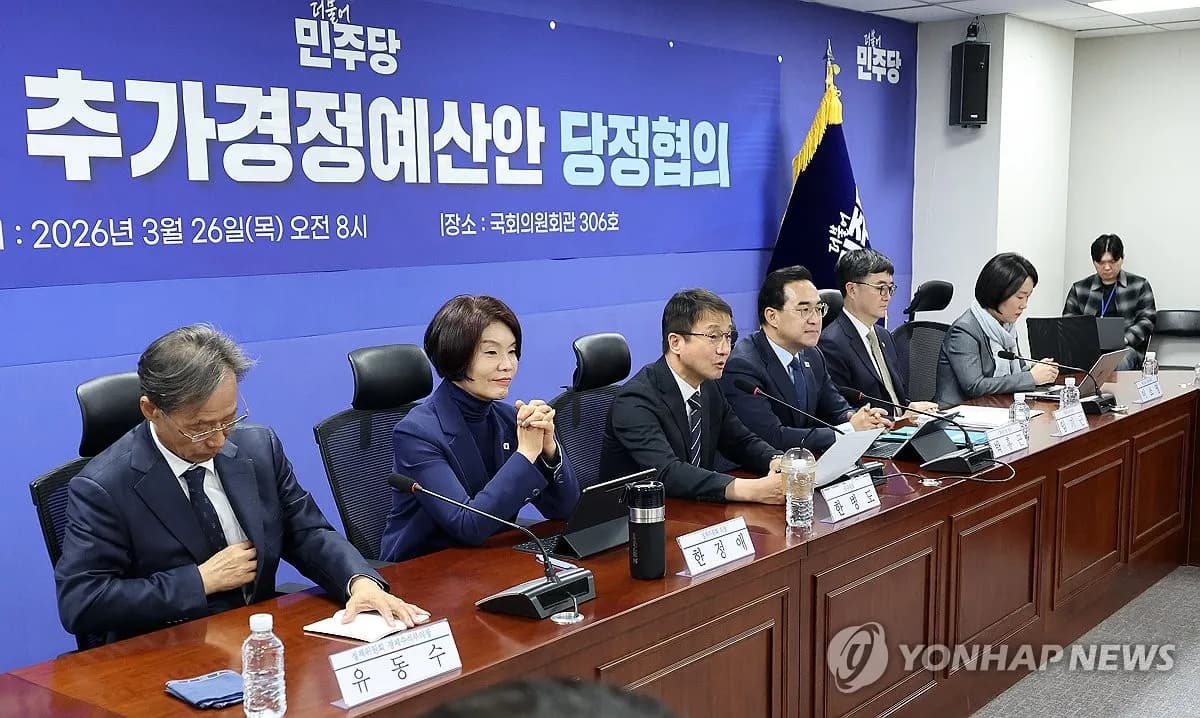
당정, 석유 최고가격제 손실 보전을 추경에 반영키로
당정이 석유 최고가격제 손실을 추경에 반영하기로 결정

6년 전 세 살 딸 살해한 30대 친모 구속송치
경찰, 6년 전 세 살 딸 살해 혐의 30대 친모를 구속송치

中企 수입 나프타의 80% 이상이 중동산…공급망 위기 심화
중소기업 수입 나프타의 80% 이상이 중동산으로 공급 의존도 높음

미·이란 긴장 한 달, 금융시장 요동…장기화 우려
미·이란 갈등으로 증시 변동성 확대, 코스피 6천 고지 후 등락

미·이란 전쟁 한 달, 미국 전문가 "종전·확전 기로"
미·이란 전쟁 1개월 도래, 종전·확전 기로 평가

미·이란 전쟁 1개월, 한국 안보·공급망 취약점 노출
미·이란 전쟁 장기화로 한국 안보·경제 취약점 노출