Israel's Strike on Iranian Energy Facilities Pushes Brent Crude Past $110
Strait of Hormuz Shipping Plunges 90%, Global Energy Supply Chain Disruption Fears Escalate
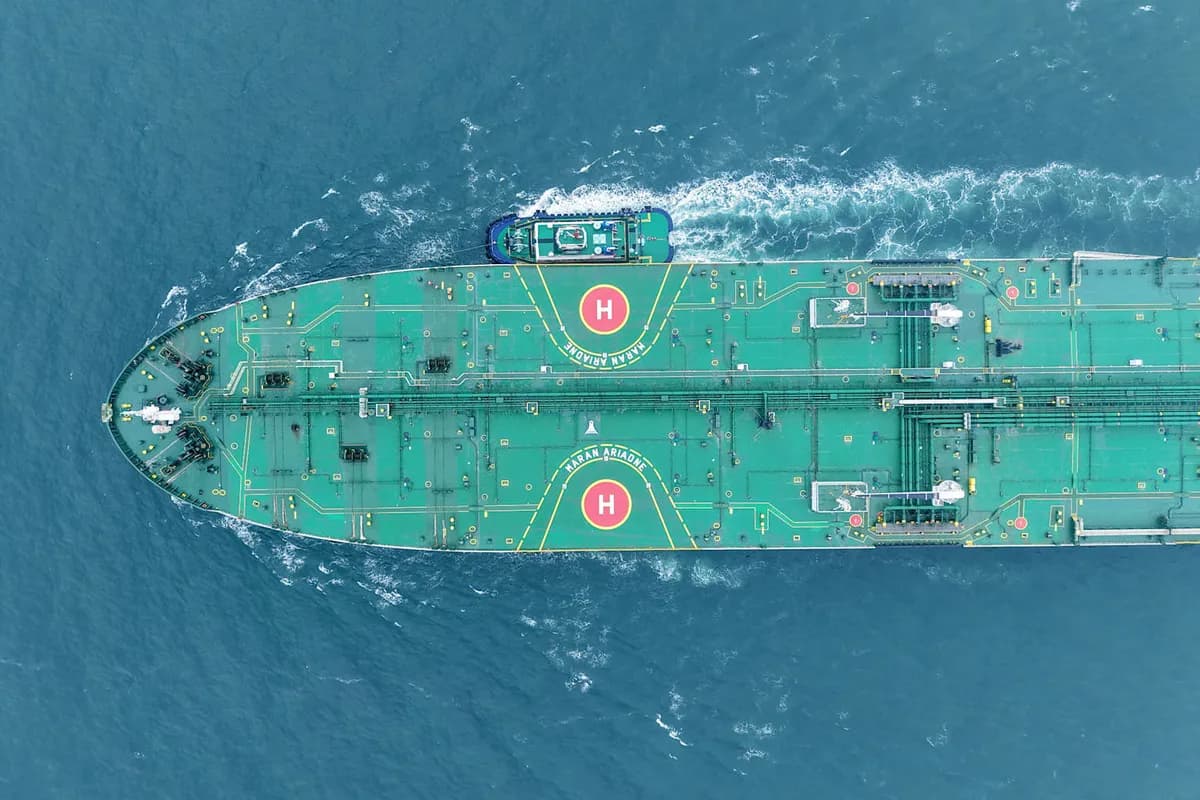
- •Brent crude surged to $110 per barrel following Israel's airstrikes on Iranian energy facilities, rising over 40% since the outbreak of war.
- •Shipping traffic through the Strait of Hormuz has plunged 90%, disrupting 20% of global crude oil and LNG supplies.
- •The IEA has assessed this as the largest oil supply disruption in history, with Bank of America raising its 2026 oil price forecast to $77.50 per barrel.
Brent Crude Breaks $110, Surges 40% Since War Outbreak
International oil prices are soaring following Israel's airstrikes on Iran's major energy facilities. On the 19th (local time), Brent crude surpassed $110 per barrel, marking a rise of over 40% since the U.S.-Israel joint offensive against Iran began on February 28. West Texas Intermediate (WTI) crude is also trading at the $98 per barrel level.
This oil price surge occurred immediately after Israeli forces struck Iran's largest gas field, the South Pars gas field, and the Asaluyeh oil facilities. The Islamic Revolutionary Guard Corps (IRGC) immediately warned that "some energy facilities in the Gulf region are once again legitimate targets," hinting at the possibility of retaliatory attacks.
Strait of Hormuz Effectively Paralyzed, Global Supply Chain Crisis
Shipping traffic through the Strait of Hormuz, which handles approximately 20% of the world's crude oil and liquefied natural gas (LNG) exports, has plummeted by 90% according to tracking data. This represents a severe blow to the global energy supply chain.
The International Energy Agency (IEA) has assessed this situation as "the largest supply disruption in the history of the global oil market." Bank of America (BofA) has significantly raised its 2026 Brent crude forecast from $61 per barrel to $77.50 per barrel, warning that approximately 200 million barrels of crude oil have already been removed from the global market.
Meanwhile, Saudi Arabia confirmed on the 19th that its largest refinery, the Ras Tanura refinery, resumed operations on March 13. Additionally, the Trump administration announced a 60-day temporary waiver of the Jones Act, which restricts cargo transport between U.S. coastal ports to American vessels. However, despite these supply expansion measures, concerns over the escalation of Middle East conflicts continue to override the upward pressure on oil prices.
Qatar Expels Iranian Diplomats, Tensions Escalate
Qatar has declared Iranian embassy military and security officials as "persona non grata" and expelled them following attacks on its Ras Laffan gas facilities. This suggests that cracks are emerging in alliance relationships within the Gulf region.
As the conflict enters its third week, no prospects for a ceasefire are visible. With the ongoing possibility of additional attacks on energy infrastructure and subsequent retaliatory actions, uncertainty in the global energy market continues to grow.
댓글 (5)
이 위기를 어떻게 극복할 수 있을지 전문가 의견이 더 필요합니다.
맞습니다. 대비가 필요한 시점이에요.
불안한 시기에 정확한 보도가 중요합니다. 좋은 기사 감사합니다.
경제 상황이 좋지 않은데, 정부의 대응이 아쉽습니다.
맞습니다. 대비가 필요한 시점이에요.
More in Economy

당정, 석유 최고가격제 손실 보전을 추경에 반영키로

미·이란 긴장 한 달, 금융시장 요동…장기화 우려

뉴욕증시 3대 지수 동반 상승…이란 휴전 기대감

Elon Musk's X recruits a cryptocurrency expert as head of design... ‘X Money’ launch imminent

BitGo-GK Sync plans to build ‘tokenized deposit’ infrastructure for banks

The other side of prediction markets: Ethical dilemmas of cryptocurrency platforms dealing in war and terrorism
Latest News
"간부 잘 아는데 교통비 좀" 휴가 군인들 돈 뜯은 50대 구속
50대 A씨가 휴가 중인 군인들에게 부대 간부를 아는 척 접근해 돈을 사취

英 옥토퍼스, 이란 전쟁 이후 태양광 판매 50% 증가
이란 전쟁 이후 영국 옥토퍼스의 태양광 판매량 50% 증가

당정 "추경, 지방·취약계층에 더 지원되는 방식으로"
당정이 지방자치단체와 취약계층 중심의 추경 편성 방침 재확인
어머니 폭행하고 금팔찌 빼앗은 30대 아들 경찰에 붙잡혀
어머니 폭행 후 금팔찌 빼앗은 30대 남성 체포
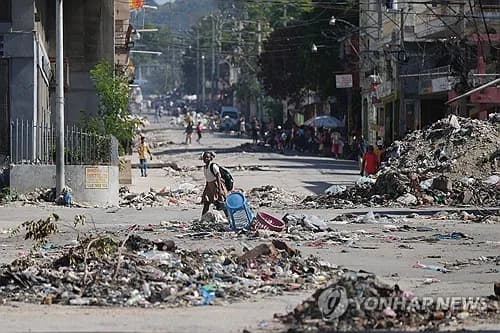
아이티 갱단 폭력사태로 10개월간 5천명 이상 사망
아이티에서 지난 10개월간 갱단 폭력으로 5천명 이상 사망
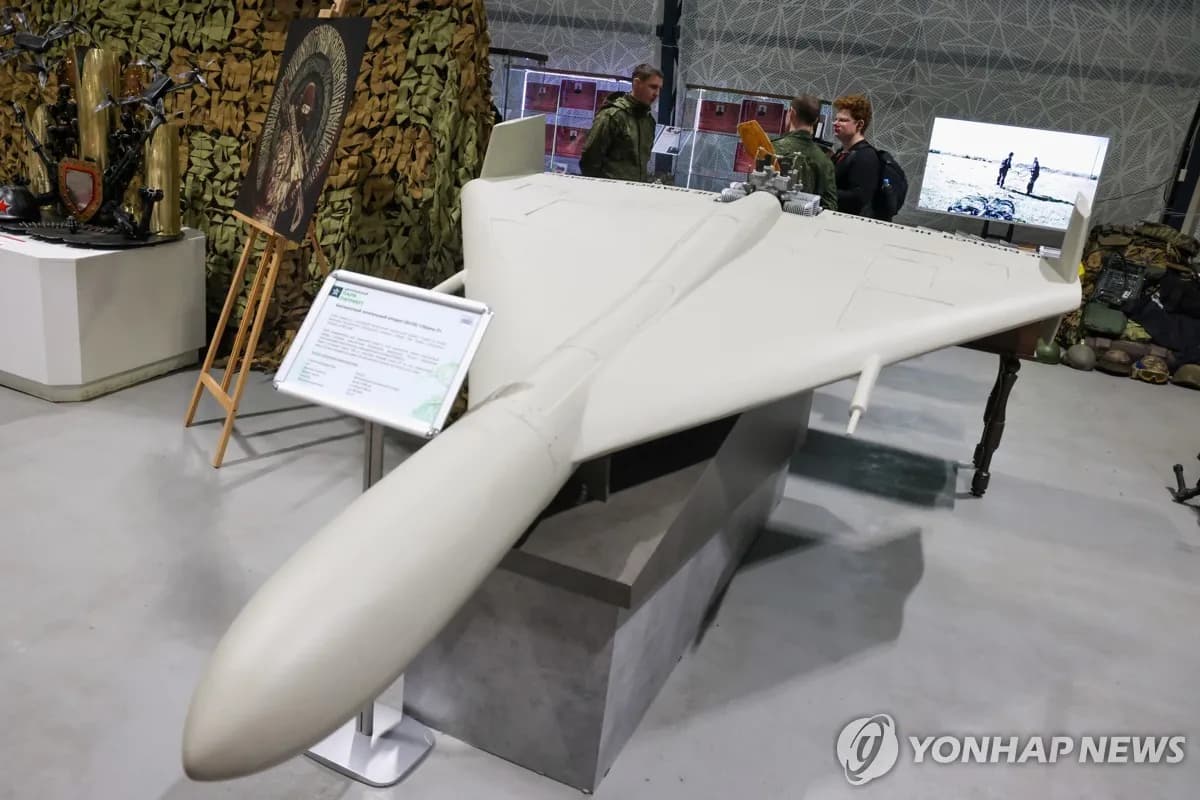
서방 정보당국 "러시아, 우크라이나 전쟁 후 이란에 드론·식량 공급"
서방 정보당국, 러시아의 이란 드론·식량 공급 작업 거의 완료 파악

6년 전 세 살 딸 살해한 30대 친모 구속송치
경찰, 6년 전 세 살 딸 살해 혐의 30대 친모를 구속송치

中企 수입 나프타의 80% 이상이 중동산…공급망 위기 심화
중소기업 수입 나프타의 80% 이상이 중동산으로 공급 의존도 높음