The End of the January Effect Myth: What's the 2026 Investment Strategy?
20-year data analysis shows January rally effect significantly diminished; volatility management becomes key
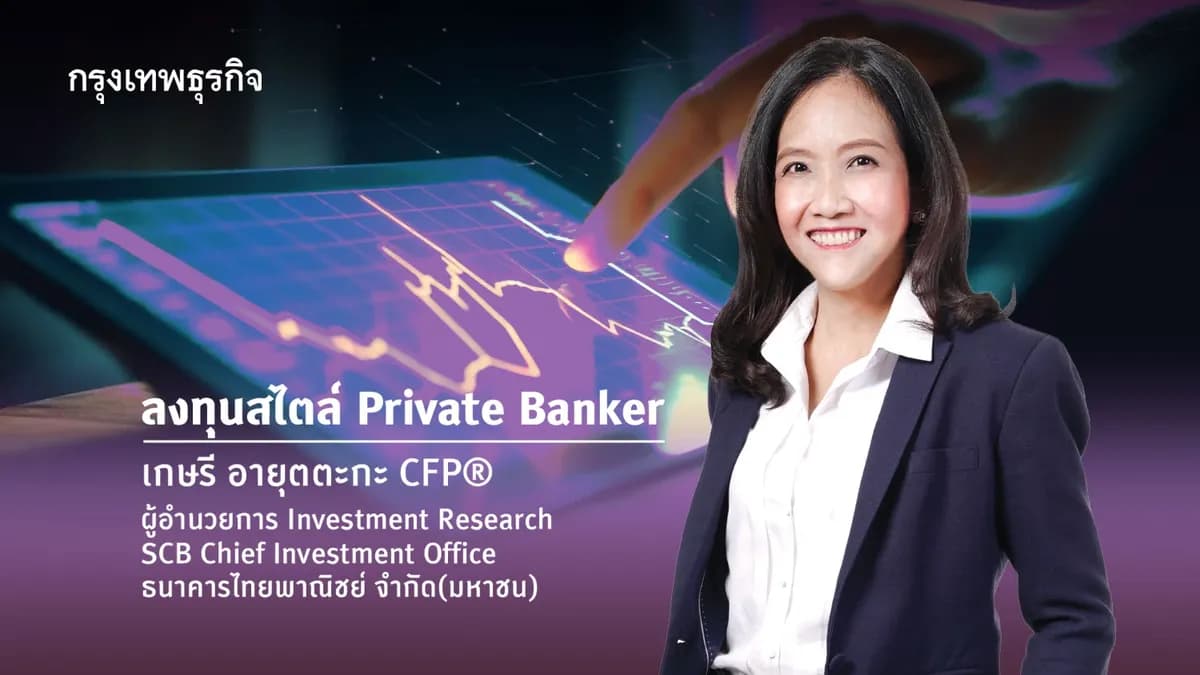
- •While global equity markets started January 2026 with gains, a 20-year data analysis shows the January Effect's influence has significantly diminished.
- •Fed personnel changes and trade policy uncertainty emerge as major risk factors in early 2026, with concerns about upward pressure on long-term interest rates.
- •Investment strategy should focus on volatility management and fundamentals such as AI investment rather than seasonal patterns, according to analysis.
Global Markets Start 2026 January on an Upward Note
Global stock markets kicked off January 2026 with a positive tone. Asian markets showed particularly notable gains, with South Korea, Japan, and China (H-Shares) equity markets rising. Artificial intelligence (AI)-themed stocks continue to attract investor attention due to their long-term growth potential and strong earnings prospects.
This early-year rally is traditionally associated with a phenomenon called the 'January Effect.' The January Effect refers to the tendency for stock markets to rise at the beginning of the year, historically explained by three factors:
- Year-end tax-loss selling followed by early-year repurchasing
- New capital inflows at the start of the year (institutional and retail investors)
- Positive investment sentiment associated with the new year
The January Effect Can No Longer Serve as an Investment Strategy
However, the influence of the January Effect has significantly diminished in modern financial markets. Kesaree Ayuttakka, team head at SCB's Chief Investment Office (CIO), emphasizes that this phenomenon should no longer be used as a direct investment strategy.
Analyzing the past 20 years of data reveals that January returns for the MSCI World Index have been inconsistent. While some years saw strong gains, many others experienced declines from the start of the year. Seasonal data shows that while Q1 through April is generally positive, January and February have actually been periods of high volatility.
This indicates that the January Effect is no longer as reliable a pattern as it once was. As market structure and investor behavior have evolved, macroeconomic factors and corporate earnings have become more important than simple seasonality.
Key Risks Investors Should Watch in Early 2026
SCB CIO recommends using the January Effect in January 2026 only as a framework for understanding market sentiment, while actual investment should focus on volatility management and fundamentals.
Political Pressure on Federal Reserve Independence
Early 2026 sees scheduled personnel changes at key Federal Reserve positions:
- January 21: Potential nomination of successor to Fed Vice Chair Cook, depending on court ruling
- February 28: Retirement of Atlanta Fed President Bostic
- May: Expiration of Fed Chair Powell's term
President Trump is likely to nominate dovish-leaning individuals, which could undermine Fed independence. While SCB CIO expects the Fed to cut rates at least once during 2026, political pressure could create upward pressure on long-term Treasury yields.
Trade Policy Uncertainty
The U.S. Supreme Court is expected to rule on tariff authority under the International Emergency Economic Powers Act (IEEPA). If this authority is constrained, the administration may resort to other trade policy tools, adding uncertainty to the trade policy framework.
Volatility Management and Fundamental Investing Are the Answer [AI Analysis]
The key to 2026 investment strategy is not relying on seasonal patterns like the January Effect, but managing substantive risk factors.
In the short term, Fed personnel changes and trade policy uncertainty could heighten market volatility. Concerns about undermining Fed independence in particular could drive long-term rates higher, potentially necessitating duration adjustments in bond portfolios.
Over the medium to long term, AI investment and corporate earnings will likely be the primary drivers of returns. The AI theme still possesses strong growth potential, and as long as earnings provide support, investment appeal is likely to remain high.
Asian markets, particularly South Korea and Japan, may continue positive momentum centered on technology stocks, but exposure to global macroeconomic variables means diversification and risk management remain crucial.
댓글 (3)
The 관련 기사 잘 읽었습니다. 유익한 정보네요.
그 부분은 저도 궁금했습니다.
End에 대해 더 알고 싶어졌습니다. 후속 기사 부탁드립니다.
More in Economy

Middle East Conflict Drives Manufacturing Outlook to 10-Month Low

Lee Jae-myung Administration Excludes Multi-Home Officials from Real Estate Policymaking
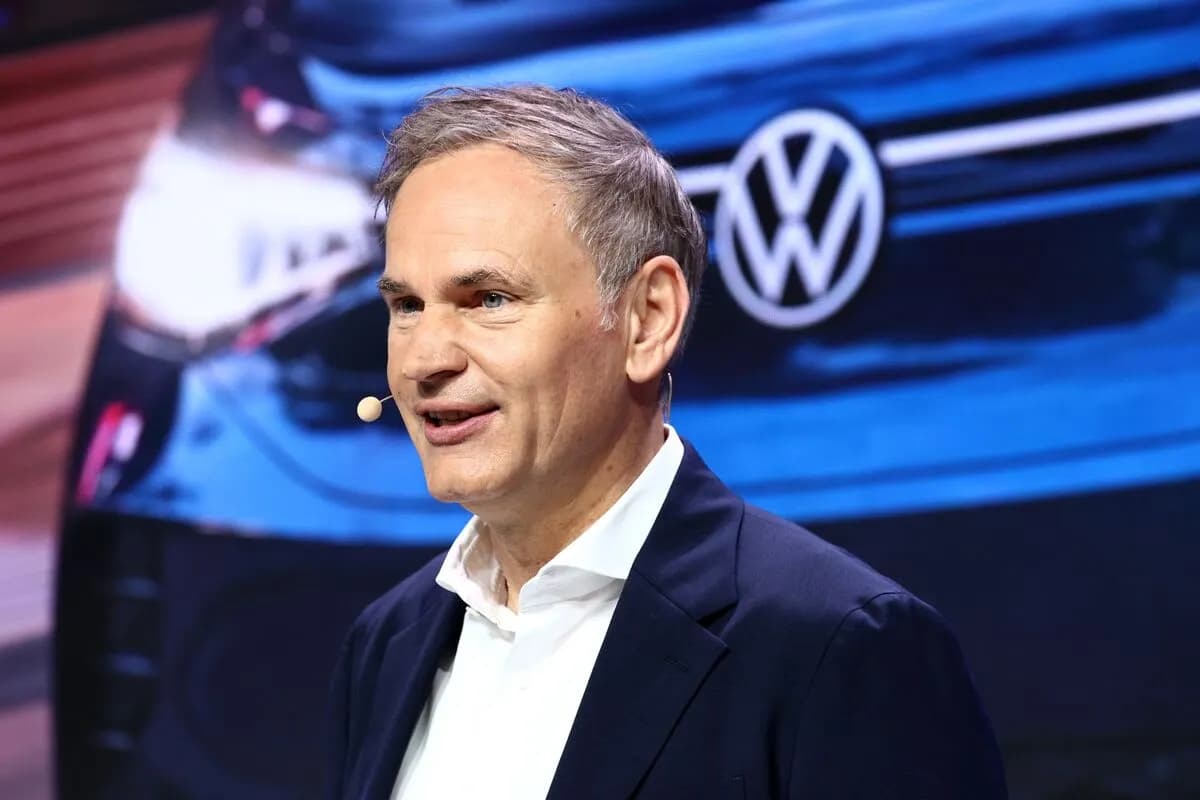
Volkswagen CEO Says Germany Should Learn from China's Industrial Strategy

Russia Anticipates Economic Gains from US-Iran Conflict
U.S. Federal Reserve Unveils Bank Capital Regulation Modernization Plan
Federal Reserve Announces Enforcement Actions Against Two Former Bank Employees
Latest News

이스라엘, 헤즈볼라 무기 통로 레바논 다리 공습
이스라엘군, 헤즈볼라 무기 통로 레바논 다리 공습

중동행 전세기 전쟁보험료 최고 7천500만원
중동행 전세기 전쟁보험료가 최고 5만달러(7천500만원)로 상승

이란 탄도미사일, 이스라엘 방어망 뚫고 160명 부상
이란 탄도미사일이 이스라엘 방공망을 통과해 160명 부상

Southeast Asia Growth Forecasts Cut Amid Oil Price Surge, Threatening Korean Exports
Maybank Research has downgraded ASEAN-6's 2026 growth forecast from 4.8% to 4.5%.

Reddit Considers Face ID to Block Bots While Maintaining Anonymity
Reddit is considering implementing biometric authentication systems such as Face ID and Touch ID to block AI bots while maintaining anonymity.
BTS Tops March Artist Brand Reputation Rankings with First Full Group Comeback in 4 Years
BTS ranked first in the Korean Corporate Reputation Research Institute's March Artist Brand Reputation Rankings based on 99 million data points.

Santo Domingo's Malecón Sports Park Construction Progressing Smoothly
Construction of a soccer field and skate park is progressing smoothly in the Malecón area of Santo Domingo, Dominican Republic.

Pogačar Overcomes Crash to Win Milano-Sanremo, Achieves Four Monument Victories
Tadej Pogačar defeated Tom Pidcock to win Milano-Sanremo, achieving his fourth Monument victory.