KEPCO Launches HVDC Energy Highway Submarine Cable Design for West Coast
Saemangeum-Metropolitan Area Phase 1 Target Completion by 2030… 5 Trillion Won Domestic Competition Intensifies
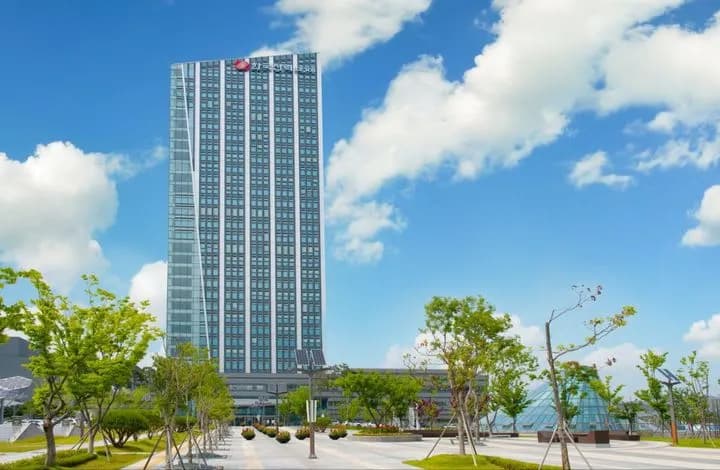
- •KEPCO has begun designing submarine cables for the West Coast HVDC Energy Highway, with Phase 1 connecting Saemangeum and the metropolitan area scheduled for completion by 2030.
- •The typical 9-year process will be shortened to 7 years to efficiently transport renewable energy from offshore wind farms to the metropolitan area.
- •Domestic companies including Hyosung Heavy Industries and LS Electric are intensifying competition to localize core HVDC technologies ahead of the 5 trillion won bid.
9-Year Process Shortened to 7 Years, 2030 Completion Target
Korea Electric Power Corporation (KEPCO) has officially begun construction of the West Coast High Voltage Direct Current (HVDC) Energy Highway. KEPCO announced on the 19th that it has started the design process for submarine cable routes this month. This project, which will transport renewable energy from West Coast offshore wind farms to the metropolitan area, involves the phased construction of four HVDC transmission networks by 2038. In particular, Phase 1 connecting Saemangeum and the metropolitan area is planned to be completed by 2030, one year ahead of the original schedule.
HVDC is a technology that converts AC power to DC for ultra-high voltage long-distance transmission, minimizing transmission losses and making it essential for large-scale renewable energy transport. It is critical infrastructure for efficiently delivering large-scale offshore wind power generated along the West Coast to major demand centers in the metropolitan area.
Construction Period Reduced by 2 Years Through Process Innovation
KEPCO has decided to significantly shorten the HVDC transmission network construction process, which typically takes more than 9 years. The basic design process, which previously took more than 2 years, will be completed within this year through process improvements, with plans to bid for submarine cable construction contracts in early 2026 and select contractors.
Notably, KEPCO will conduct marine surveys this year in advance—work previously performed by cable manufacturers after contract signing—allowing manufacturers to begin cable production immediately upon contract. This strategy aims to shorten the overall project timeline through process parallelization.
KEPCO completed site selection for eight converter stations last year and made a final decision early this year to build the HVDC transmission network underwater, comprehensively considering economics, constructability, and energy security. The company is also reviewing expanded support measures for fishermen to minimize impacts on fishing areas from submarine cable construction.
Establishing Cooperation System with Government, Local Authorities, and Manufacturers
KEPCO has formed working-level consultative bodies with the government and local authorities to complete project permits in the shortest possible time. It has also established consultative bodies with domestic cable manufacturers to secure large-scale submarine cable production capacity in advance and is pursuing the introduction of equipment necessary for construction, including super-large laying vessels.
This project is positioning itself as more than simple infrastructure construction—it's a project that drives technological advancement across Korea's entire power equipment industry. A KEPCO official stated, "This project is a symbolic initiative that presents the direction for Korea's future power grid and will be an important turning point for building future power systems."
Domestic Competition Heats Up Ahead of 5 Trillion Won Bid
The West Coast HVDC Energy Highway project is estimated at a total of 5 trillion won, and technological competition among domestic power equipment companies is intensifying. Hyosung Heavy Industries announced plans to complete the design and development of a 2GW voltage source HVDC system by 2027 and begin mass production in 2029.
Domestic power equipment companies including LS Electric and Iljin Electric are also accelerating bid preparations by showcasing HVDC-related technologies and strategies. LS Cable & System possesses the world's first commercialized 500kV 90-degree (high-temperature) HVDC cable technology and is already collaborating with KEPCO on the 'East Coast-Singapyeong' transmission network construction project.
Strategic Importance of HVDC Technology
HVDC technology is more than just transmission technology—it's core infrastructure for national energy transition. While renewable energy such as offshore wind is mainly produced in coastal areas, major electricity demand is concentrated in inland metropolitan cities. HVDC technology that can minimize long-distance transmission losses is essential to efficiently connect these areas.
Korea plans to significantly expand its renewable energy share to achieve its 2050 carbon neutrality goal. This requires HVDC transmission networks connecting large-scale offshore wind farms with demand centers, and the West Coast Energy Highway can be considered the starting point of this major power grid transformation.
| Category | Conventional AC Transmission (HVAC) | High Voltage Direct Current (HVDC) |
|---|---|---|
| Transmission Loss | Large losses over long distances | Minimal losses even over long distances |
| Submarine Cable Application | Distance constraints exist | Advantageous for long-distance submarine transmission |
| Conversion Facilities | Not required | AC-DC converter stations required |
| Large-scale Renewable Energy | Integration constraints | Easy large-capacity integration |
| Initial Investment | Relatively low | High due to converter station construction |
| Long-distance Economics | Disadvantageous due to losses | Advantageous due to reduced losses |
[AI Analysis] Energy Transition and Industrial Ripple Effects
The West Coast HVDC Energy Highway project is likely to become more than simple transmission infrastructure—it could be a key turning point in Korea's energy transition. The 2030 Phase 1 completion target is a critical timeline for achieving the 2035 renewable energy generation share goal and is expected to play a decisive role in expanding offshore wind investment.
From the perspective of Korea's domestic power equipment industry, the 5 trillion won project is expected to accelerate localization of core HVDC technologies. If domestic companies including Hyosung Heavy Industries, LS Electric, and Iljin Electric establish mass production systems by 2027-2029, their competitiveness in bidding for overseas HVDC projects could also strengthen.
However, several risk factors exist for achieving the challenging 2030 completion goal: potential delays in fishing rights compensation issues during submarine cable route selection, possible disruptions in securing large laying vessels and cable manufacturing schedules, and potential delays in government and local authority permit procedures.
Nevertheless, with KEPCO actively pursuing process parallelization strategies such as forming advance consultative bodies with manufacturers and proactively conducting marine surveys, the likelihood of achieving the target schedule appears sufficient. The success of this project is expected to be a touchstone for determining whether Korea can leap forward as a renewable energy powerhouse.
댓글 (3)
KEPCO 정말 대단하네요! 좋은 소식입니다.
동의합니다. 앞으로가 더 기대됩니다.
Launches 소식 반갑습니다. 앞으로가 더 기대됩니다.
More in AI & Tech
영국 정치지도자들, 아동 성착취 혐의에 대한 긴급 조사 촉구

A humanoid robot performing in China has a child's face on it.

U.S. jury finds Meta and Google responsible for ‘social media addiction’… 3.7 billion won compensation ruling

Japanese X-ray Observatory makes first direct measurement of ultrafast 'cosmic wind' in galaxy M82

NASA selects 24 people for 2026 Astrophysics Postdoctoral Fellowships

Ethereum is at a crossroads to ‘redefine its identity’ ahead of the quantum computing and AI era
Latest News
"간부 잘 아는데 교통비 좀" 휴가 군인들 돈 뜯은 50대 구속
50대 A씨가 휴가 중인 군인들에게 부대 간부를 아는 척 접근해 돈을 사취
英 옥토퍼스, 이란 전쟁 이후 태양광 판매 50% 증가
이란 전쟁 이후 영국 옥토퍼스의 태양광 판매량 50% 증가
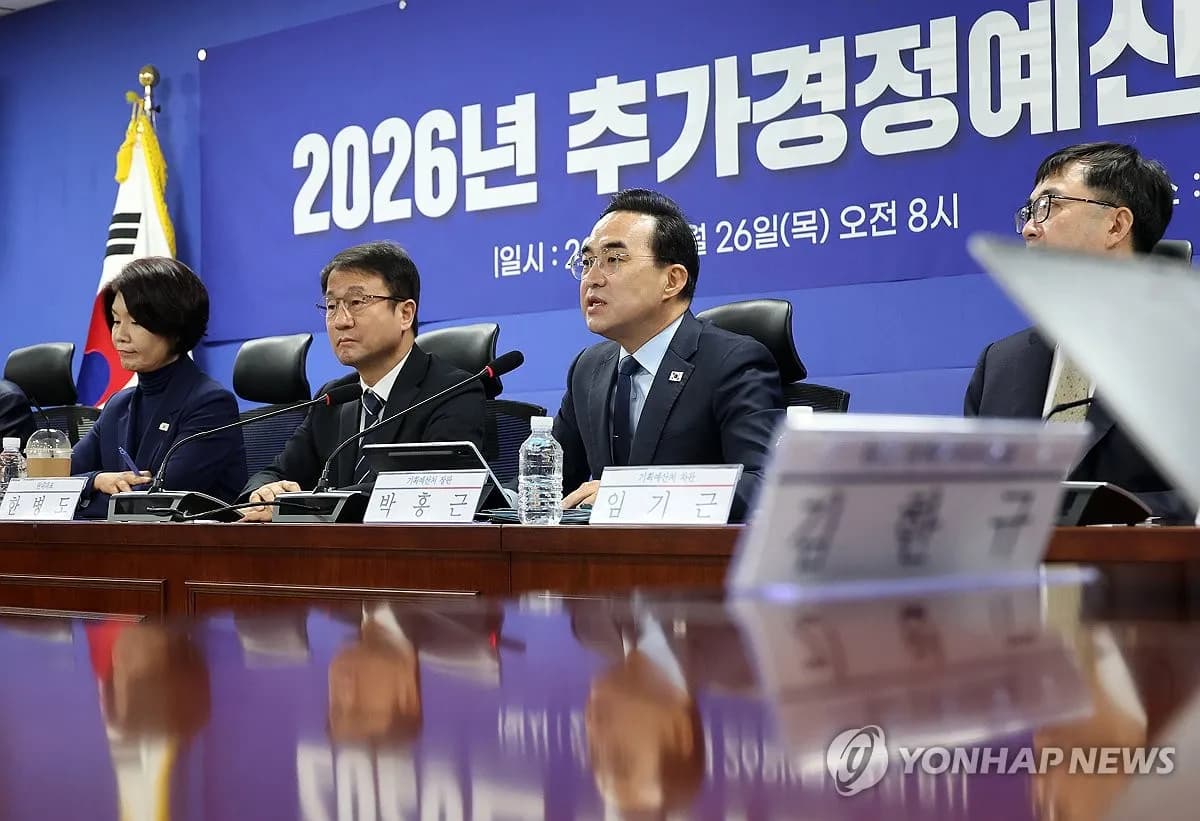
당정 "추경, 지방·취약계층에 더 지원되는 방식으로"
당정이 지방자치단체와 취약계층 중심의 추경 편성 방침 재확인
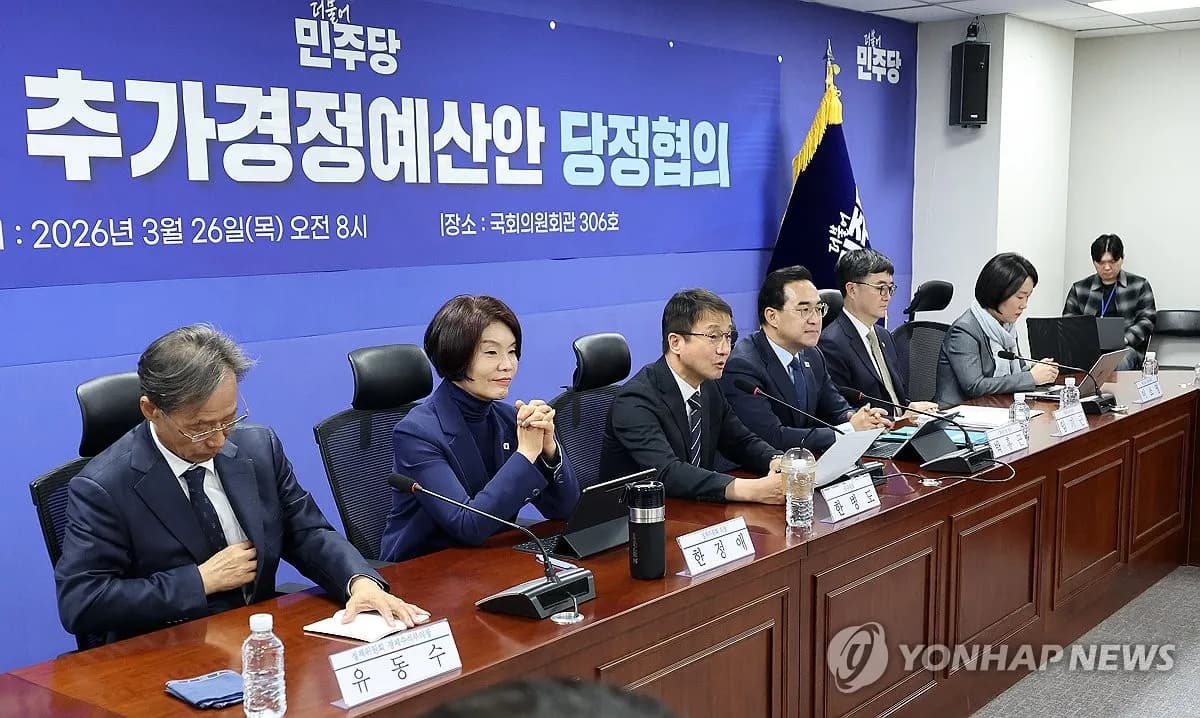
당정, 석유 최고가격제 손실 보전을 추경에 반영키로
당정이 석유 최고가격제 손실을 추경에 반영하기로 결정
어머니 폭행하고 금팔찌 빼앗은 30대 아들 경찰에 붙잡혀
어머니 폭행 후 금팔찌 빼앗은 30대 남성 체포
아이티 갱단 폭력사태로 10개월간 5천명 이상 사망
아이티에서 지난 10개월간 갱단 폭력으로 5천명 이상 사망
서방 정보당국 "러시아, 우크라이나 전쟁 후 이란에 드론·식량 공급"
서방 정보당국, 러시아의 이란 드론·식량 공급 작업 거의 완료 파악

6년 전 세 살 딸 살해한 30대 친모 구속송치
경찰, 6년 전 세 살 딸 살해 혐의 30대 친모를 구속송치