Korea's Stock Market to Shift to 'T+1 Settlement' by October 2027, Aligning with Europe
Exchange Responds Immediately to President Lee Jae-myung's Criticism, Following Global Standards After the U.S.
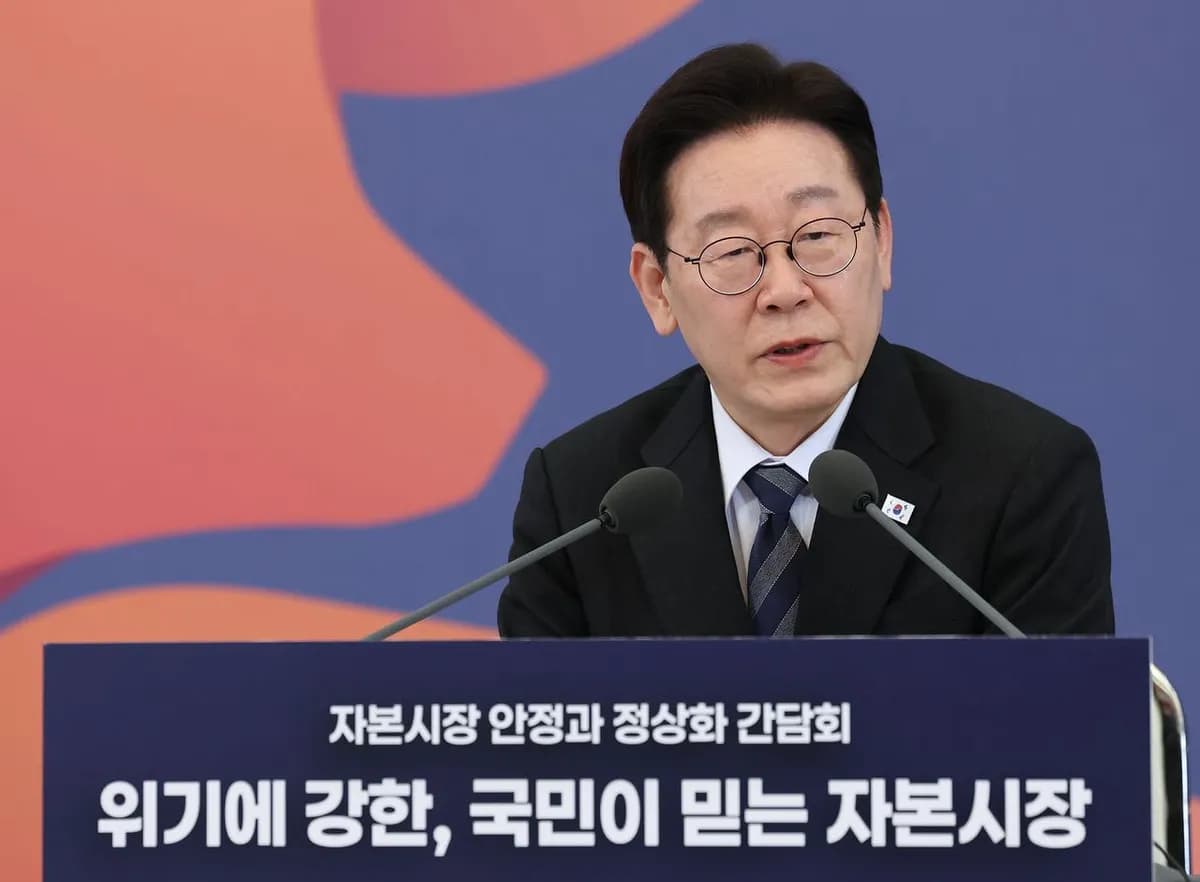
- •Korea Exchange announced it will shorten the stock settlement cycle to T+1 (one business day) by October 2027.
- •President Lee Jae-myung raised issues with the current T+2 system at a Blue House meeting, and Chairman Chung Eun-bo responded immediately.
- •Following the U.S., Europe is also scheduled to transition to T+1 in October 2027, with Korea showing steps to align with global standards.
Exchange's Immediate Response to Presidential Remarks
Korea Exchange Chairman Chung Eun-bo announced plans to shorten the stock settlement cycle from the current two business days (T+2) to one business day (T+1) by October 2027. This came as an immediate response during the "Capital Market Stabilization and Normalization Meeting" held at the Blue House on the 18th, after President Lee Jae-myung pointed out issues with the current settlement system.
At the meeting, President Lee raised concerns about "the current system where it takes two business days to receive payment after selling stocks." Chairman Chung responded by referencing the settlement cycle shortening trends in the U.S. and Europe, stating, "We will align with Europe and transition to T+1 by October 2027."
Global Stock Markets' Settlement Cycle Shortening Trend
Shortening the stock settlement cycle has already become a global standard. The United States completed its transition to the T+1 system in May 2024, and the European Union (EU) is also preparing for implementation targeting October 2027. With this announcement, the Korea Exchange has clarified its position to pursue the transition at the same time as Europe.
The T+1 transition increases capital turnover rates and reduces settlement risks from investors' perspective. Being able to secure cash just one day after selling enables faster reinvestment and lowers the possibility of settlement defaults. However, market infrastructure including securities firms and the Korea Securities Depository faces challenges of system reorganization and business process redesign.
Determination to Resolve the Korea Discount
The meeting that day went beyond settlement cycle shortening to present the overall reform direction for Korea's capital market. President Lee expressed strong determination for market normalization, stating, "If we make efforts, not only can we eliminate the Korea discount, but a Korea premium is also possible."
Specific reform tasks discussed included banning dual listings of parent-subsidiary companies, confiscating principal from stock manipulation forces, and strengthening exit of distressed companies. Financial Services Commission Chairman Lee Bok-hyun stated, "We will establish concrete standards to fundamentally prohibit dual listings." KB Securities analyst Kim Dong-won pointed out that Korea's dual listing ratio stands at 20% of total market capitalization, which is 400 times that of the U.S., 10 times that of China, and 5 times that of Japan.
A reorganization plan to divide the KOSDAQ market into mature company and growth company segments is also being pursued. President Lee emphasized, "For stock manipulation forces, we will confiscate not just illicit gains but also the principal," adding, "Informants will receive 30% rewards without an upper limit, and even direct participants can receive rewards and reduced sentences if they provide decisive evidence."
During the meeting, the KOSPI expanded its gains, even triggering a sidecar. The market is interpreted to have positively received the government's determination to normalize the capital market.
Impact on the Korean Market
The T+1 transition could serve as an opportunity for Korea's stock market to be recognized as a market that meets global standards. For foreign investors, as a settlement environment identical to the U.S. and Europe is established, accessibility to the Korean market increases. Particularly considering the time difference with the U.S. market, the T+1 system facilitates strategies to reallocate funds between the closing of Asian markets and the opening of U.S. markets.
However, securities firms need to strengthen risk management due to system investment burdens and shortened operating hours. As settlement closing times are moved up, back-office work efficiency and automation become essential. An industry official said, "Just as there was initial confusion during the U.S. transition, sufficient preparation time and pilot operations are important."
The Korea Exchange plans to form a consultative body with securities firms and the Korea Securities Depository to establish a detailed transition roadmap. During the approximately year-and-a-half preparation period until October 2027, system reorganization, regulatory arrangements, and market participant education are expected to proceed sequentially.
댓글 (3)
Korea 관련 기사 잘 읽었습니다. 유익한 정보네요.
Stock에 대해 더 알고 싶어졌습니다. 후속 기사 부탁드립니다.
그 부분은 저도 궁금했습니다.
More in Economy
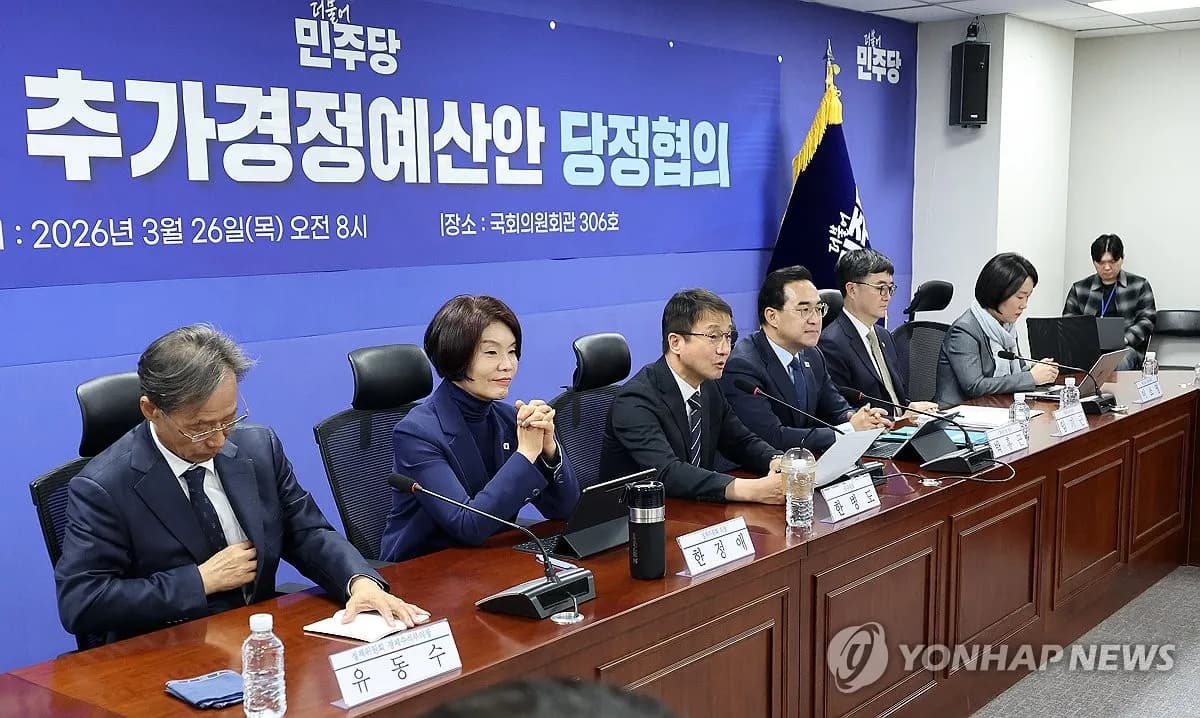
당정, 석유 최고가격제 손실 보전을 추경에 반영키로

미·이란 긴장 한 달, 금융시장 요동…장기화 우려
뉴욕증시 3대 지수 동반 상승…이란 휴전 기대감

Elon Musk's X recruits a cryptocurrency expert as head of design... ‘X Money’ launch imminent

BitGo-GK Sync plans to build ‘tokenized deposit’ infrastructure for banks

The other side of prediction markets: Ethical dilemmas of cryptocurrency platforms dealing in war and terrorism
Latest News
"간부 잘 아는데 교통비 좀" 휴가 군인들 돈 뜯은 50대 구속
50대 A씨가 휴가 중인 군인들에게 부대 간부를 아는 척 접근해 돈을 사취

英 옥토퍼스, 이란 전쟁 이후 태양광 판매 50% 증가
이란 전쟁 이후 영국 옥토퍼스의 태양광 판매량 50% 증가
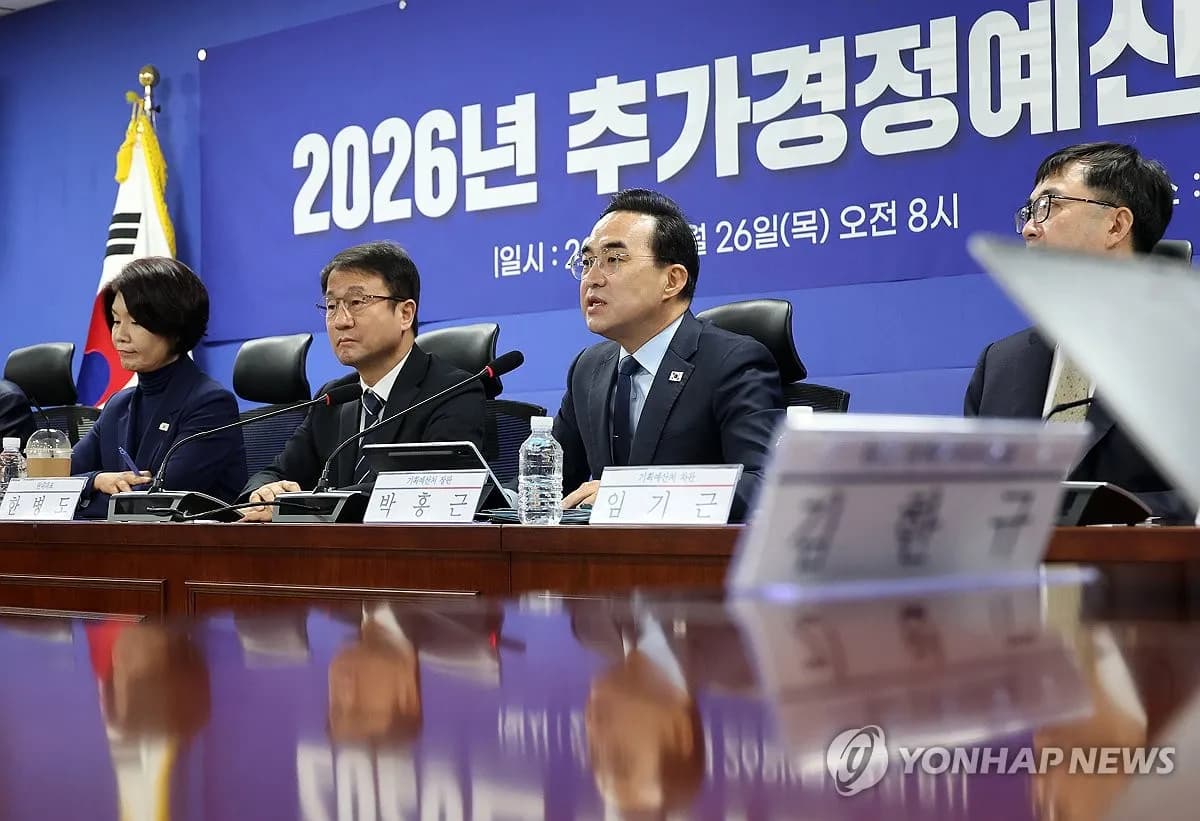
당정 "추경, 지방·취약계층에 더 지원되는 방식으로"
당정이 지방자치단체와 취약계층 중심의 추경 편성 방침 재확인
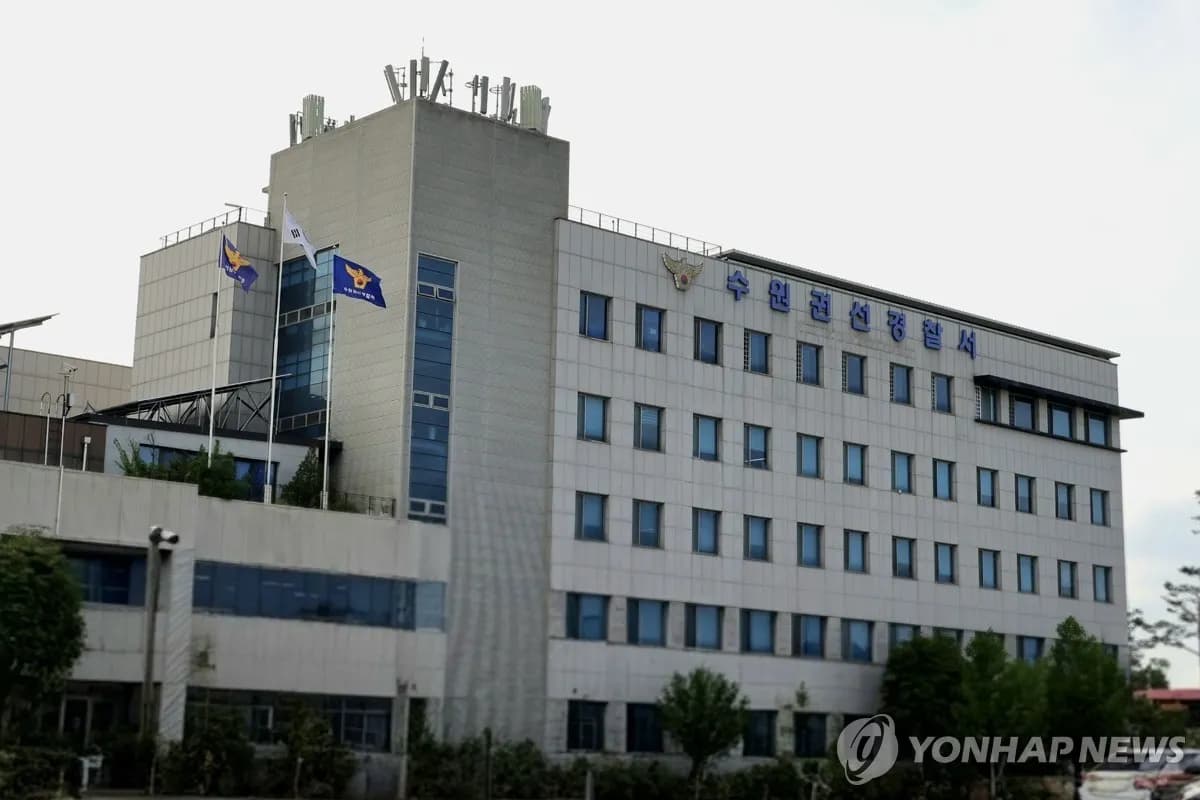
어머니 폭행하고 금팔찌 빼앗은 30대 아들 경찰에 붙잡혀
어머니 폭행 후 금팔찌 빼앗은 30대 남성 체포
아이티 갱단 폭력사태로 10개월간 5천명 이상 사망
아이티에서 지난 10개월간 갱단 폭력으로 5천명 이상 사망

서방 정보당국 "러시아, 우크라이나 전쟁 후 이란에 드론·식량 공급"
서방 정보당국, 러시아의 이란 드론·식량 공급 작업 거의 완료 파악

6년 전 세 살 딸 살해한 30대 친모 구속송치
경찰, 6년 전 세 살 딸 살해 혐의 30대 친모를 구속송치

中企 수입 나프타의 80% 이상이 중동산…공급망 위기 심화
중소기업 수입 나프타의 80% 이상이 중동산으로 공급 의존도 높음