Middle East Crisis Sparks Stagflation Fears...Half of Bond Experts Predict Rising Inflation
Brent Crude Surpasses $106 as Strait of Hormuz Effectively Closes, Won Collapses Past 1,500 per Dollar
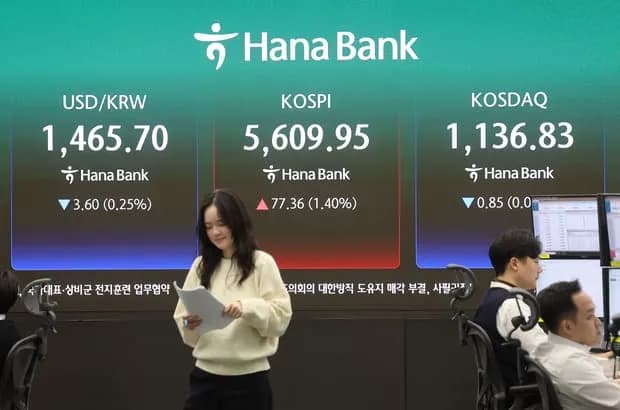
- •50% of bond experts expect April inflation rise due to Middle East crisis, surging from 15% in February
- •Brent crude surpasses $106 as Strait of Hormuz closes, won collapses past 1,500 per dollar for first time in 17 years
- •State-run banks postpone $23 billion in overseas bond issuances as stagflation concerns spread
Inflation Concerns Surge
The geopolitical crisis in the Middle East is raising stagflation concerns for South Korea's economy. According to a survey of 100 bond market experts released Tuesday by the Korea Financial Investment Association (KOFIA), 50% of respondents expect consumer price increases in April. This represents a sharp 35 percentage point jump from the 15% recorded in February, just one month earlier.
International oil prices have soared as the Strait of Hormuz has become effectively closed. Brent crude surpassed $106 per barrel, and the resulting currency shock pushed the won past 1,500 per dollar on March 16, marking its lowest level in 17 years. For South Korea, which depends on the Middle East for most of its crude oil imports, this double shock is unavoidable.
Bond Market Sentiment Weakens
The Financial Investment Association's April Bond Market Sentiment Index (BSI) fell to 90.5. Among survey respondents, 35% expected prices to remain at current levels, and when combined with those expecting increases, 85% ruled out the possibility of falling prices.
As market uncertainty grows, state-run banks have postponed overseas bond issuances. Major policy financial institutions, including the Korea Development Bank and the Export-Import Bank of Korea, have temporarily suspended the $23 billion in overseas bond issuances planned for this year. This decision reflects concerns that volatile market conditions could result in unfavorable issuance terms.
When Did This Trend Begin?
South Korea's economy has been exposed to continuous external shocks since 2022. During the 2022 Russia-Ukraine war, when energy prices surged, the Bank of Korea raised its benchmark interest rate to 3.5% to focus on price stability. From the second half of 2023, as inflation stabilized in the 2% range, expectations for rate cuts formed, but renewed Middle East tensions from late 2024 have once again increased inflationary pressure.
South Korea has a structural vulnerability, sourcing over 70% of its crude oil imports from the Middle East. The Strait of Hormuz is a strategic chokepoint through which approximately 21% of global oil shipments pass, and its closure directly impacts the Korean economy. Similar supply concerns arose during the 2019 US-Iran conflict, though that situation did not lead to an actual closure.
The Exchange Rate and Interest Rate Dilemma
The sharp decline in the won's value is creating a vicious cycle that accelerates import price inflation. The exchange rate surpassing 1,500 won per dollar raises import costs not only for energy but for raw materials across the board. Given South Korea's manufacturing-centered economic structure, this directly translates to increased production costs.
The Bank of Korea faces a dilemma. While it should raise interest rates to respond to inflationary pressure, doing so is difficult considering the already high household debt burden and concerns about economic slowdown. Experts predict that the Bank of Korea will maintain a wait-and-see stance for the time being while monitoring developments in the Middle East situation.
Future Outlook [AI Analysis]
If the Middle East crisis becomes prolonged, South Korea's economy is likely to enter a full-fledged stagflation phase. If international oil prices maintain current levels or rise further, the second-quarter consumer price inflation rate could exceed 3%. Simultaneously, the manufacturing sector is expected to contract due to rising production costs and slowing exports.
The postponement of overseas bond issuances by state-run banks could also become a variable in domestic financial market liquidity management. If overseas funding becomes more difficult, domestic interest rate pressures could increase, potentially placing additional burdens on the real estate market and household sector.
However, if the Middle East crisis is resolved early or alternative supply chains are secured, the impact could be limited. The government and Bank of Korea are reportedly activating emergency response systems and reviewing additional measures such as strategic oil reserve releases.
댓글 (4)
Middle 상황이 심각하네요. 서민들 피해가 걱정됩니다.
East 문제가 장기화되면 어떻게 될지 우려됩니다.
걱정이 많이 되네요. 좋은 지적입니다.
경제 상황이 좋지 않은데, 정부의 대응이 아쉽습니다.
More in Economy
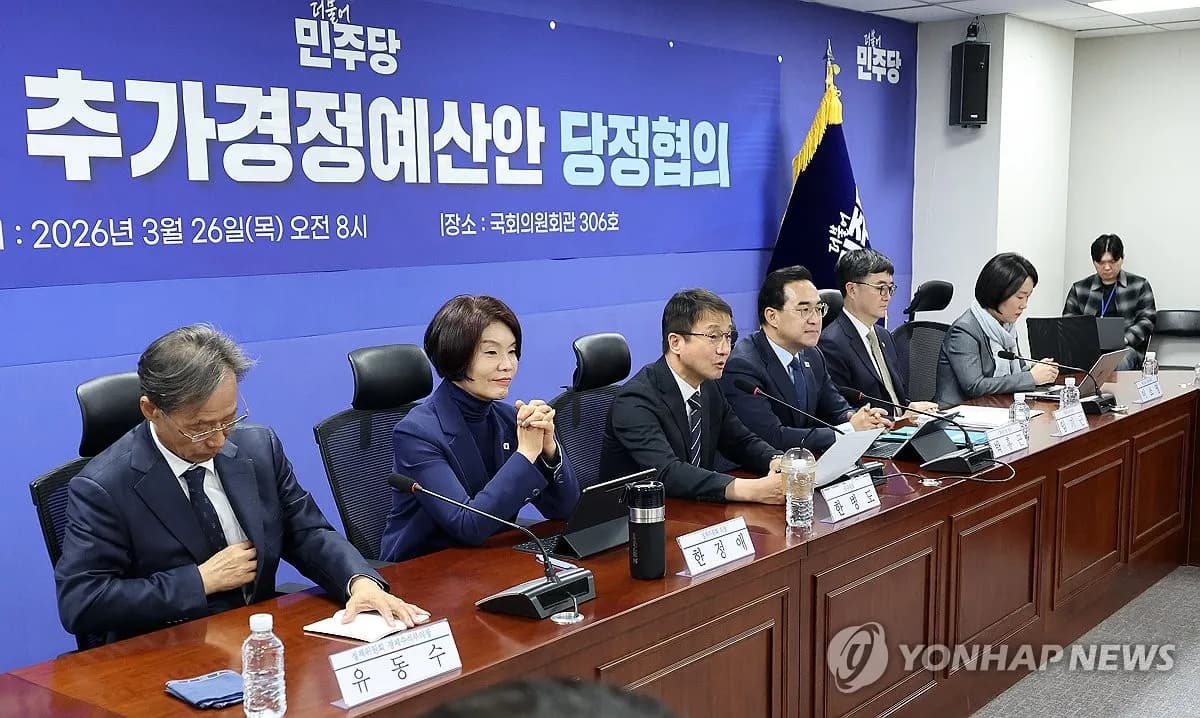
당정, 석유 최고가격제 손실 보전을 추경에 반영키로

미·이란 긴장 한 달, 금융시장 요동…장기화 우려

뉴욕증시 3대 지수 동반 상승…이란 휴전 기대감

Elon Musk's X recruits a cryptocurrency expert as head of design... ‘X Money’ launch imminent

BitGo-GK Sync plans to build ‘tokenized deposit’ infrastructure for banks

The other side of prediction markets: Ethical dilemmas of cryptocurrency platforms dealing in war and terrorism
Latest News
"간부 잘 아는데 교통비 좀" 휴가 군인들 돈 뜯은 50대 구속
50대 A씨가 휴가 중인 군인들에게 부대 간부를 아는 척 접근해 돈을 사취

英 옥토퍼스, 이란 전쟁 이후 태양광 판매 50% 증가
이란 전쟁 이후 영국 옥토퍼스의 태양광 판매량 50% 증가
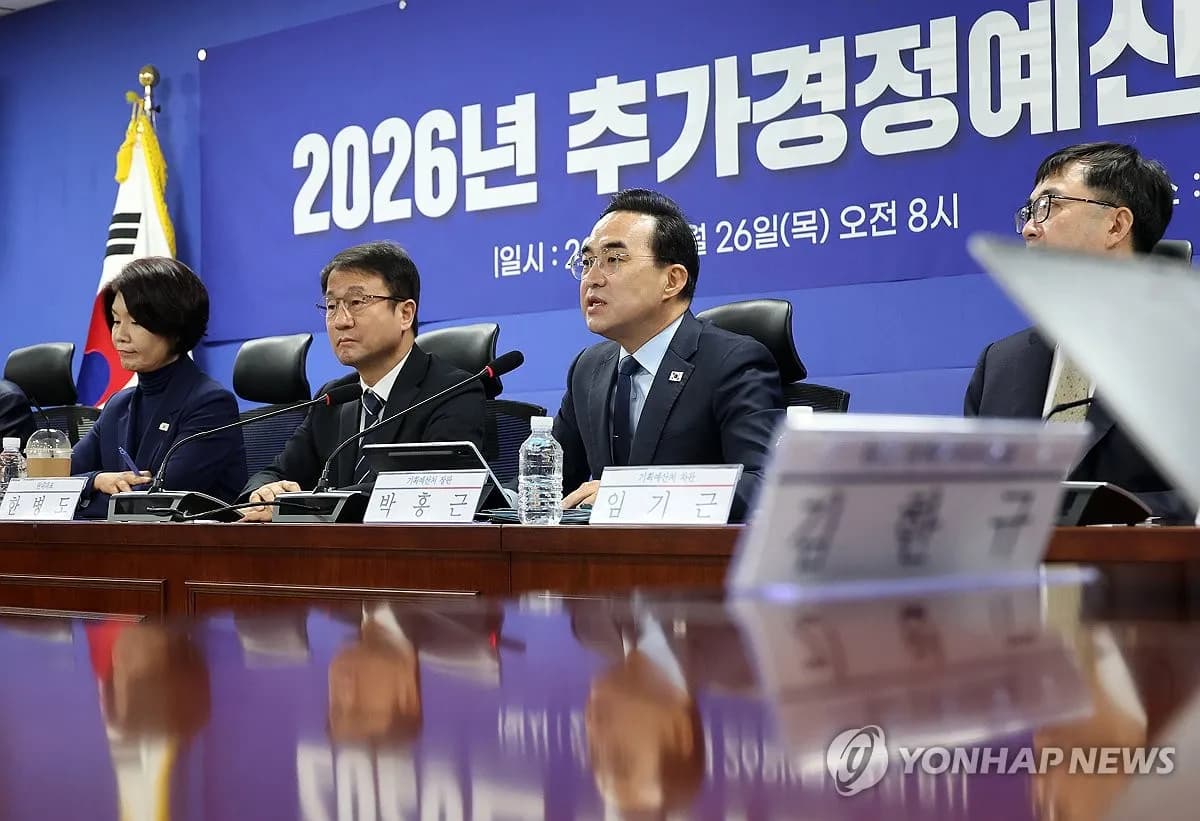
당정 "추경, 지방·취약계층에 더 지원되는 방식으로"
당정이 지방자치단체와 취약계층 중심의 추경 편성 방침 재확인
어머니 폭행하고 금팔찌 빼앗은 30대 아들 경찰에 붙잡혀
어머니 폭행 후 금팔찌 빼앗은 30대 남성 체포
아이티 갱단 폭력사태로 10개월간 5천명 이상 사망
아이티에서 지난 10개월간 갱단 폭력으로 5천명 이상 사망
서방 정보당국 "러시아, 우크라이나 전쟁 후 이란에 드론·식량 공급"
서방 정보당국, 러시아의 이란 드론·식량 공급 작업 거의 완료 파악

6년 전 세 살 딸 살해한 30대 친모 구속송치
경찰, 6년 전 세 살 딸 살해 혐의 30대 친모를 구속송치

中企 수입 나프타의 80% 이상이 중동산…공급망 위기 심화
중소기업 수입 나프타의 80% 이상이 중동산으로 공급 의존도 높음