Naphtha Prices Surge 127% in Two Months, Korean Petrochemical Industry Faces 'March Crisis'
Hormuz Blockade Paralyzes Supply Chain as Lotte Chemical and Yeosu NCC Face Imminent Production Shutdowns
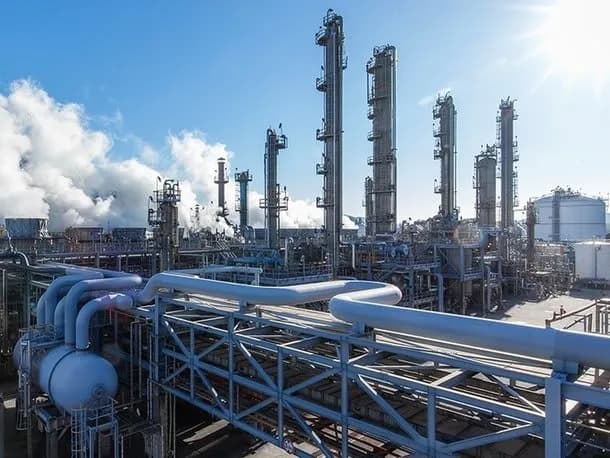
- •Naphtha prices surged 127% in two and a half months, plunging Korea's petrochemical industry into a supply chain crisis.
- •Lotte Chemical and Yeosu NCC are considering halting NCC operations by the end of March, while the government has launched 1.5 trillion won in financial support.
- •Concerns are growing that Middle East naphtha supply disruptions could spread across the manufacturing sector, prompting emergency responses from the government and political parties.
Naphtha Prices Double in Two Months
The Korean petrochemical industry is facing a supply chain crisis as naphtha prices—a key raw material for petrochemicals—have surged dramatically due to the Middle East conflict. According to Korea National Oil Corporation, naphtha prices rose from $56.38 per barrel on January 2 to $127.95 on March 17, representing a 127% increase in approximately two and a half months.
The upward trajectory has been particularly steep in March. While naphtha traded stably in the $60 range during January and February, the March average soared to $92.6 per barrel. Between March 2 and March 10, prices jumped $33.9 in just seven days, entering an abnormal surge phase.
NCC Production Shutdowns Becoming Reality by End of March
As raw material supply disruptions materialize, major petrochemical companies are scaling back production. Lotte Chemical plans to halt operations at its Yeosu naphtha cracking center (NCC) as early as March 31. Yeosu NCC has already reduced its operating rate to 65%.
According to industry sources, crude oil that can be processed into naphtha is expected to run out by the end of this month. The 22.46 million barrels of strategic reserves the government plans to release represents only 7-8 days of domestic crude oil consumption (approximately 2.8 million barrels per day). Considering that naphtha yield from crude oil averages around 20%, this translates to approximately one week's worth of additional naphtha production at about 560,000 barrels per day—less than half of Korea's daily naphtha consumption (approximately 1.3 million barrels).
An industry official expressed concern, stating, "If things continue this way, the petrochemical industry won't be able to maintain normal production and will barely be keeping alive."
Why This Happened: Hormuz Blockade and Middle East Dependency
The direct cause of this crisis is the Strait of Hormuz blockade following the Middle East conflict that erupted on February 28. Supply from the Middle East, which accounted for approximately 60% of Korea's naphtha imports, has been effectively cut off. Naphtha is a representative petrochemical raw material with high Middle East dependency, making it particularly sensitive to geopolitical risks.
More fundamentally, structural problems in the petrochemical industry underlie the crisis. With weak industry conditions and supply oversaturation making it difficult to raise product prices, companies cannot reflect increased raw material costs, severely deteriorating profitability. This situation resembles the circumstances during the 2022 Russia-Ukraine war.
Government and Political Parties Launch Emergency Response
Deputy Prime Minister and Minister of Economy and Finance Choo Kyung-ho announced at an emergency economic ministers' meeting on March 18 that "naphtha will be temporarily designated as an economic security item." The government will secure alternative import sources, implement supply stabilization measures including export restrictions, and establish a 'Middle East Damage Response Special Support' program to provide financial support totaling 1.5 trillion won.
On March 19, the Democratic Party's Euljiro Committee held a meeting with LG Chem, Hanwha Solutions, Lotte Chemical, and Yeosu NCC to discuss responses to the raw material supply crisis. The plan is to support affected companies with alternative import cost differences and emergency operating funds, while offering preferential interest rates of up to 2.3 percentage points to companies handling economic security items.
Concerns About Spread Across Manufacturing Sector
The naphtha shortage is likely to extend beyond the petrochemical industry to manufacturing overall. Naphtha is a core raw material that is converted into basic petrochemicals such as ethylene and propylene through NCCs, then processed into synthetic resins and intermediates before becoming final products. If ethylene supply disruptions materialize, they could have cascading effects on packaging materials, consumer goods, construction materials, tires, automotive and electronic components.
While large corporations are known to have secured raw material inventories for more than two months through long-term supply contracts, the situation is more severe for small and medium-sized companies. According to industry sources, some companies are even considering factory dismantlement or 'scrapping.'
Yellow Envelope Law Variable Adds to Complications
The petrochemical industry faces a 'triple crisis' with rising raw material costs compounded by concerns over the implementation of the Yellow Envelope Law (Trade Union Act). If the law is implemented, labor-management issues could arise during mergers and acquisitions (M&A) or business restructuring processes, creating burdens for corporate decision-making.
The government is reviewing restructuring plans for the Yeosu region following the reorganization of the Daesan petrochemical complex, and is showing movement toward fundamental industry improvement, including consideration of factory closures at Yeosu NCC. However, concerns have been raised that the Yellow Envelope Law could slow the pace of such restructuring.
Future Outlook [AI Analysis]
In the short term, naphtha supply instability is likely to persist unless the Strait of Hormuz blockade is resolved. While the government's strategic reserve releases and financial support may provide temporary relief, fundamental solutions will be difficult without the resumption of Middle East supply.
In the medium to long term, this crisis is expected to accelerate restructuring in the petrochemical industry. The sector has already faced consolidation pressure due to oversupply and deteriorating profitability, and with raw material supply instability added to the mix, the retirement of inefficient facilities appears inevitable.
However, labor-management variables such as the Yellow Envelope Law could affect the pace of restructuring, making government policy coordination critical at this juncture. For the 'war supplementary budget' and industrial support measures announced by Deputy Prime Minister Choo to be effective, analysis suggests a two-track strategy simultaneously pursuing short-term supply stabilization and medium-to-long-term structural improvement will be necessary.
댓글 (3)
경제 상황이 좋지 않은데, 정부의 대응이 아쉽습니다.
Prices 문제가 장기화되면 어떻게 될지 우려됩니다.
걱정이 많이 되네요. 좋은 지적입니다.
More in Economy
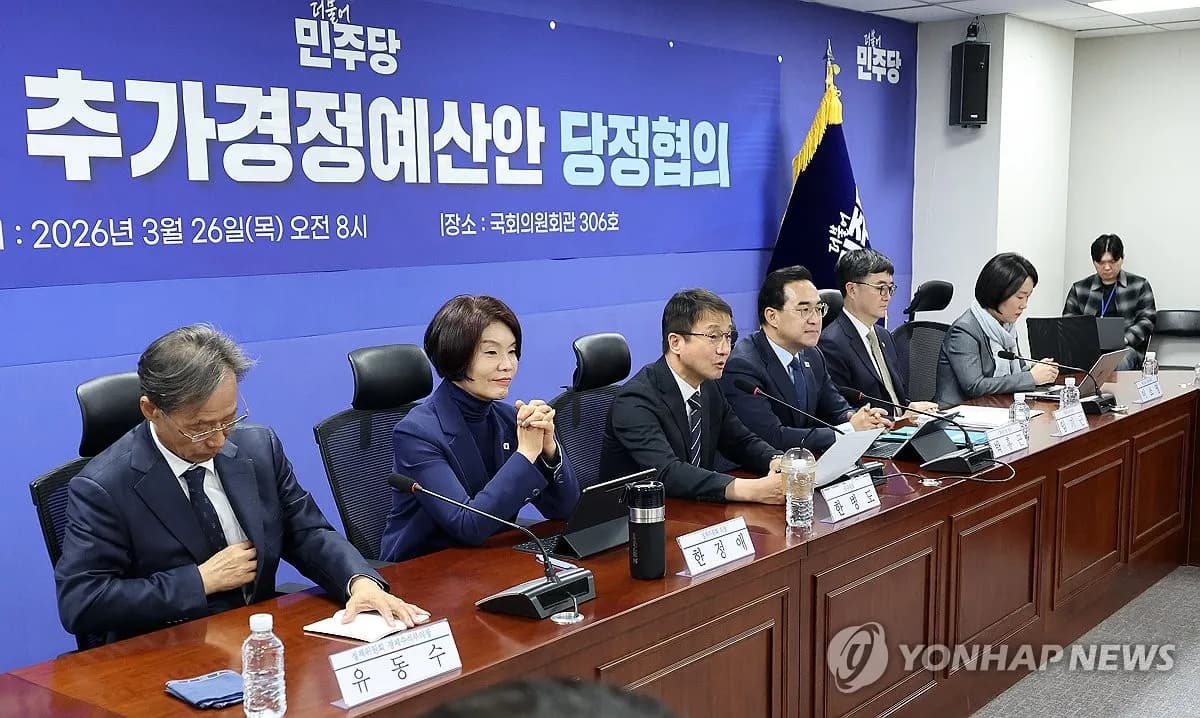
당정, 석유 최고가격제 손실 보전을 추경에 반영키로

미·이란 긴장 한 달, 금융시장 요동…장기화 우려

뉴욕증시 3대 지수 동반 상승…이란 휴전 기대감

Elon Musk's X recruits a cryptocurrency expert as head of design... ‘X Money’ launch imminent

BitGo-GK Sync plans to build ‘tokenized deposit’ infrastructure for banks

The other side of prediction markets: Ethical dilemmas of cryptocurrency platforms dealing in war and terrorism
Latest News
"간부 잘 아는데 교통비 좀" 휴가 군인들 돈 뜯은 50대 구속
50대 A씨가 휴가 중인 군인들에게 부대 간부를 아는 척 접근해 돈을 사취

英 옥토퍼스, 이란 전쟁 이후 태양광 판매 50% 증가
이란 전쟁 이후 영국 옥토퍼스의 태양광 판매량 50% 증가
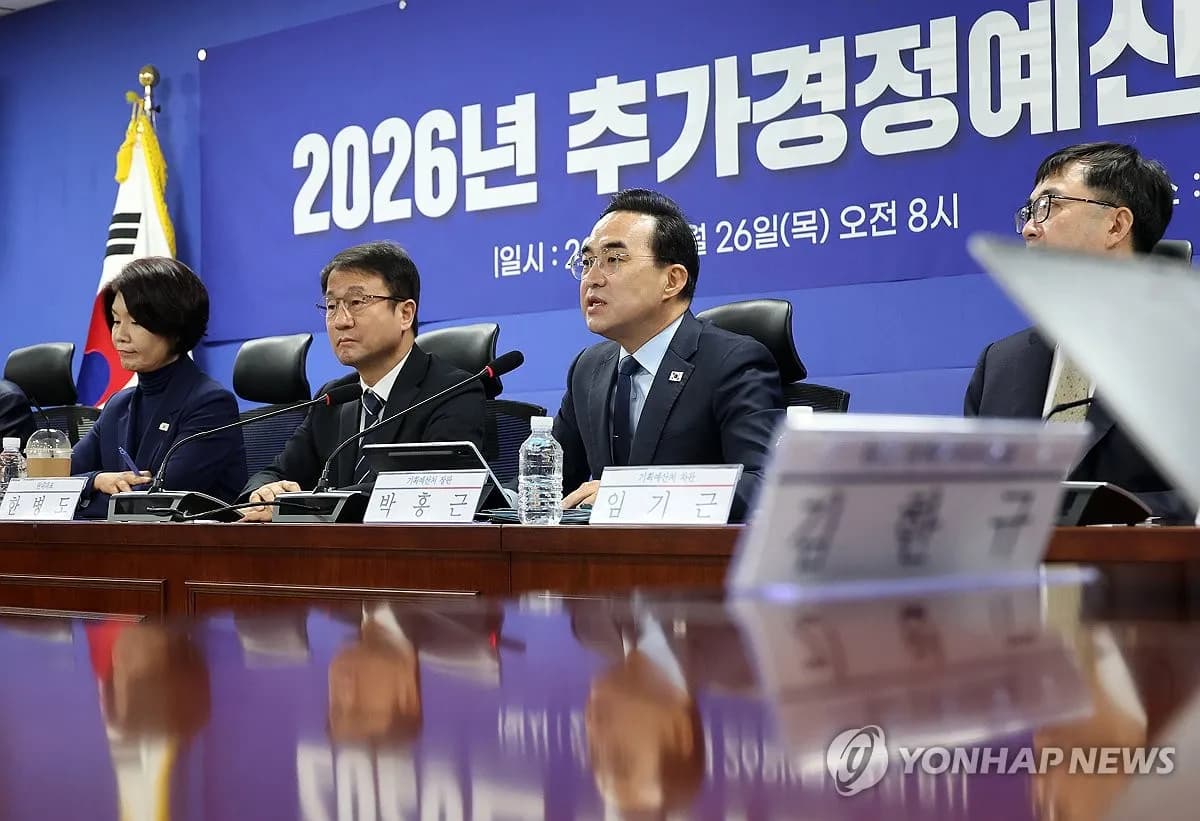
당정 "추경, 지방·취약계층에 더 지원되는 방식으로"
당정이 지방자치단체와 취약계층 중심의 추경 편성 방침 재확인
어머니 폭행하고 금팔찌 빼앗은 30대 아들 경찰에 붙잡혀
어머니 폭행 후 금팔찌 빼앗은 30대 남성 체포
아이티 갱단 폭력사태로 10개월간 5천명 이상 사망
아이티에서 지난 10개월간 갱단 폭력으로 5천명 이상 사망
서방 정보당국 "러시아, 우크라이나 전쟁 후 이란에 드론·식량 공급"
서방 정보당국, 러시아의 이란 드론·식량 공급 작업 거의 완료 파악

6년 전 세 살 딸 살해한 30대 친모 구속송치
경찰, 6년 전 세 살 딸 살해 혐의 30대 친모를 구속송치

中企 수입 나프타의 80% 이상이 중동산…공급망 위기 심화
중소기업 수입 나프타의 80% 이상이 중동산으로 공급 의존도 높음