Nazi-Destroyed German Synagogues Resurrected Through Digital Technology
TU Darmstadt Research Team Virtually Reconstructs Over 40 Synagogues, Released on November 9th Memorial Day

- •A research team at TU Darmstadt has digitally restored over 40 synagogues destroyed by the Nazis and made them publicly available through a website.
- •This project, which began following a 1994 neo-Nazi arson incident, uses VR technology to enable experiencing lost architectural heritage.
- •By restoring synagogues from various periods and styles ranging from medieval to Baroque, the project re-examines the historical significance of Jewish culture.
Destruction of November 1938, Restored Digitally in 2025
A digital reconstruction research team led by Professor Marc Grellert at TU Darmstadt (Technical University of Darmstadt) has completed a project to restore synagogues destroyed by the Nazis through virtual reality. This long-term project, which began in 1994, launched a website (virtuelle-synagogen.de) offering virtual tours of over 40 synagogues on November 9th, coinciding with Kristallnacht memorial day.
Visitors to the website can, with just a few clicks, walk through medieval Cologne's Jewish quarter or explore the interior of magnificent synagogues in Hanover, Darmstadt, Dresden, and Schwerin. The project encompasses various scales and architectural styles, from small rural synagogues to large urban prayer halls.
30-Year Project Sparked by Neo-Nazi Arson Attack
The project's origins trace back to 1994, when neo-Nazis carried out an arson attack on the Lübeck synagogue. Grellert, then an engineer, began this work with the determination to "strike back at both old and new Nazis."
Initially, three synagogues were reconstructed for an exhibition at Frankfurt's Jewish Museum. "The response was so overwhelming that I decided to continue," Grellert recalls. Old photographs, architectural blueprints, survivor testimonies, and period sketches were pieced together like a puzzle to restore each building.
Medieval to Baroque: Lost Architectural Heritage
The website includes not only synagogues destroyed during the Nazi era in 1938 but also ancient synagogues from medieval Cologne, Worms, and Speyer, as well as Baroque-style prayer halls from Horb and Frankfurt's Jewish streets. Each building features images, videos, panoramic views, and historical information, with overviews allowing comparison of various architectural styles and liturgical orientations.
Before and after the November 1938 pogroms, over 1,400 synagogues, prayer rooms, and assembly halls were destroyed in Germany. This project goes beyond simply restoring buildings—it aims to remember the rich and diverse Jewish life that existed in Germany and deliver a warning message about antisemitism.
From 2D Printouts to VR Experiences: Evolution of Technology
In the early 2000s, at the project's inception, restored synagogues were exhibited only in printed form at the Federal Art and Exhibition Hall in Bonn. However, thanks to dramatic advances in computer technology, it is now possible to wear virtual reality (VR) headsets and actually walk through reconstructed synagogues.
The research team has used the same technology to reconstruct the Vatican Palace and 800 years of architectural history of Moscow's Kremlin. The traveling exhibition "German Synagogues - Virtual Reconstruction" has received enthusiastic responses in Israel, Canada, and the United States. Recently, work has also begun on printing digital models as physical replicas using 3D printing technology with various materials including plaster, ceramic, and glass.
Traces of Jewish Culture in Urban Landscapes [AI Analysis]
This project transcends simple architectural restoration, serving as work that visualizes the position and significance of Jewish communities within urban history. Synagogues that once adorned the centers of major German cities symbolized the cultural and religious diversity of local communities.
As digital technology is increasingly utilized for historical education and commemoration, this project has high potential to present a new model for Holocaust memory transmission. Particularly as survivors gradually diminish, immersive digital experiences can serve as effective means of conveying a sense of historical loss to younger generations.
There is also potential for future expansion using augmented reality (AR) technology to overlay images of past synagogues via smartphones at actual destruction sites. Professor Grellert's team's work is evaluated as an important example of how technology can contribute to historical justice and the politics of memory.
댓글 (2)
흥미로운 주제입니다. 주변에도 공유해야겠어요.
기사 잘 봤습니다. 다른 시각의 분석도 읽어보고 싶네요.
More in Culture & Art

‘Crush’, ‘Tero’, ‘Jidae’… The languages of North and South Korea are becoming increasingly distant.
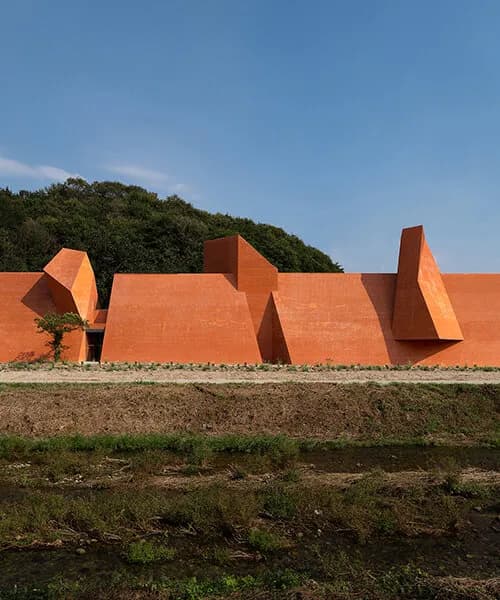
‘Fortress Café’ stands tall in the forests of Gangwon-do, reinterpreting ancient fortress walls through modern architecture.
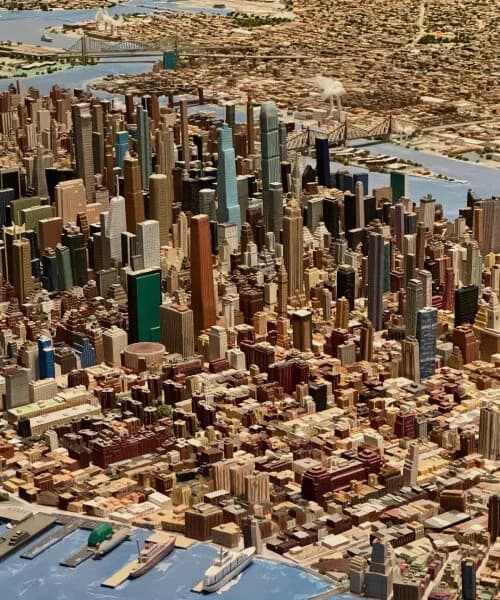
New York, hand-carved for 21 years, unveiled for the first time at an art museum
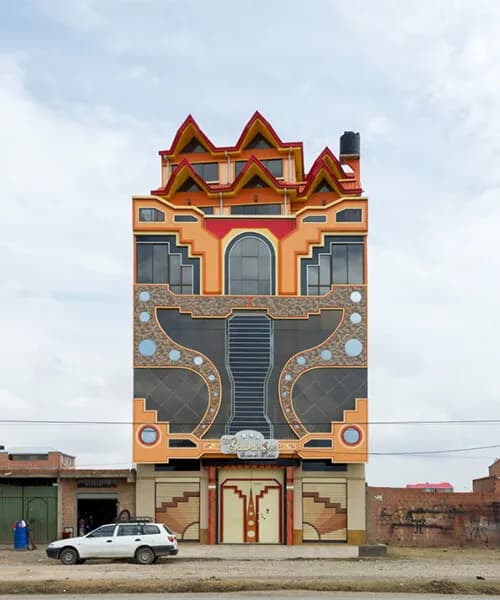
Freddie Mamani colors the city with Andean culture
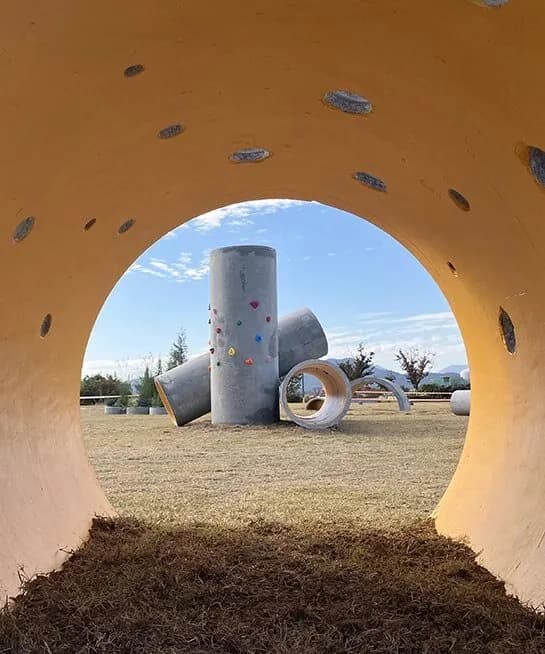
An abandoned concrete pipe is reborn as a playground... Busan Museum of Art ‘Concrete Utopia’
A Swedish artist's house, the essence of architecture that becomes one with nature
Latest News
"간부 잘 아는데 교통비 좀" 휴가 군인들 돈 뜯은 50대 구속
50대 A씨가 휴가 중인 군인들에게 부대 간부를 아는 척 접근해 돈을 사취

英 옥토퍼스, 이란 전쟁 이후 태양광 판매 50% 증가
이란 전쟁 이후 영국 옥토퍼스의 태양광 판매량 50% 증가

당정 "추경, 지방·취약계층에 더 지원되는 방식으로"
당정이 지방자치단체와 취약계층 중심의 추경 편성 방침 재확인

당정, 석유 최고가격제 손실 보전을 추경에 반영키로
당정이 석유 최고가격제 손실을 추경에 반영하기로 결정
어머니 폭행하고 금팔찌 빼앗은 30대 아들 경찰에 붙잡혀
어머니 폭행 후 금팔찌 빼앗은 30대 남성 체포
아이티 갱단 폭력사태로 10개월간 5천명 이상 사망
아이티에서 지난 10개월간 갱단 폭력으로 5천명 이상 사망
서방 정보당국 "러시아, 우크라이나 전쟁 후 이란에 드론·식량 공급"
서방 정보당국, 러시아의 이란 드론·식량 공급 작업 거의 완료 파악

6년 전 세 살 딸 살해한 30대 친모 구속송치
경찰, 6년 전 세 살 딸 살해 혐의 30대 친모를 구속송치