Nigeria's Economic Reforms Drive Balance of Payments Surplus
Q3 records $4.6B surplus as forex reforms and structural changes restore investor confidence
- •Nigeria recorded a $4.6 billion balance of payments surplus in Q3 2025, reversing the previous quarter's deficit.
- •Petroleum product imports decreased 12.7%, marking a structural shift from net importer to net exporter status.
- •Foreign exchange market reforms and fiscal discipline are leading to restored investor confidence and increased reserves.
From Deficit to Surplus: Nigeria's Foreign Exchange Market Turnaround
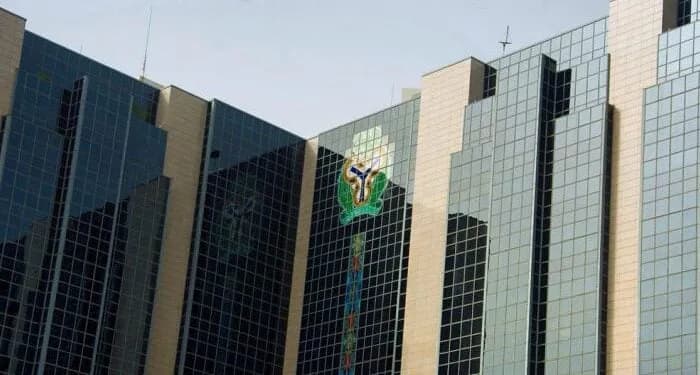
Nigeria recorded a $4.6 billion balance of payments (BOP) surplus in Q3 2025, completely reversing the previous quarter's deficit. According to the Central Bank of Nigeria (CBN), this achievement resulted from a combination of improved trade balance, increased remittance inflows, and strengthened foreign exchange reserves.
The current account posted a surplus of $3.42 billion, while the goods balance maintained a surplus of $4.94 billion. Export revenues increased from $14.9 billion in Q2 to $15.24 billion in Q3, with crude oil and refined petroleum product exports serving as the primary growth drivers.
Transition from Petroleum Importer to Exporter
A notable development is Nigeria's transformation from a net importer to a net exporter of refined petroleum products. Petroleum product imports fell to $1.65 billion in Q3, representing a 12.7% decrease from the previous quarter. This demonstrates that domestic refining capacity enhancement and energy sector reforms are producing tangible results.
However, the services balance deficit expanded to $4.07 billion from $3.74 billion in Q2. The increase is attributed to higher imports across transportation, travel, insurance, and IT services.
Core Reforms: Foreign Exchange Market Normalization and Fiscal Discipline
The structural reforms implemented by Nigeria's central bank and fiscal authorities formed the foundation for these achievements. Key reform measures include:
1. Elimination of Dual Exchange Rate System
The gap between official and parallel market exchange rates was narrowed to within 2%, minimizing market distortions.
2. End of Fiscal Deficit Monetization
The central bank ceased direct financing of government deficits, securing monetary policy independence.
3. Inflation Stabilization
Inflation rates have gradually decelerated, improving macroeconomic stability.
4. Enhanced Data Analytics Capacity
Statistical infrastructure was expanded to improve policy decision accuracy.
These measures have led to restored investor confidence and increased foreign capital inflows. Particularly, improved performance in non-oil sector exports is demonstrating economic diversification effects.
Remittances and Reserves: Keys to Sustainability
The secondary income account remained stable at $5.5 billion, compared to $5.51 billion in the previous quarter. Remittances from overseas Nigerians continue to flow steadily, supporting the current account surplus.
Conversely, the primary income account deficit expanded significantly to $2.95 billion from $1.25 billion in Q2. The main cause was capital outflows resulting from domestic banks repatriating reinvested earnings from foreign direct investments.
Foreign exchange reserves continue to grow steadily, positively contributing to enhanced external payment capacity and exchange rate stability.
Historical Context of Reforms: The Turning Point Since 2023
Nigeria's economic reforms gained momentum from mid-2023. At that time, the government faced the challenge of simultaneously addressing structural problems including chronic foreign exchange shortages, dual exchange rate systems, and petroleum subsidy dependence.
In May 2023, the new government eliminated petroleum subsidies upon taking office, significantly reducing fiscal burdens. In June of the same year, Nigeria transitioned to a free-floating exchange rate system, enhancing foreign exchange market transparency. While initial stages saw social resistance due to exchange rate surges and inflation, foreign direct investment began increasing and non-oil exports started recovering from late 2024.
In 2025, improved refinery utilization rates reduced petroleum product import dependence, becoming a core driver of trade balance improvement. Particularly, the expanded operation of the Dangote Refinery created import substitution effects.
Future Outlook [AI Analysis]
Nigeria's balance of payments improvement trend is likely to continue in the near term. As refining capacity expansion solidifies the country's status as a net petroleum product exporter, the trade balance is expected to improve further.
However, expanding services balance deficits and reinvested earnings repatriation may pose burden factors for the current account. Particularly, if overseas earnings repatriation by the banking sector continues, primary income account deficits could deepen.
While increasing foreign exchange reserves and exchange rate stability are positive, global crude oil price volatility and domestic political uncertainty remain risk factors. To sustain reform effects, strengthening non-oil sector competitiveness and maintaining fiscal discipline are essential.
From an investor perspective, this can be interpreted as a signal that Nigeria is recovering its relative attractiveness within emerging markets. However, a cautious approach prepared for short-term volatility is required.
댓글 (3)
기사 잘 봤습니다. 다른 시각의 분석도 읽어보고 싶네요.
공감합니다. 참고하겠습니다.
Economic 관련 기사 잘 읽었습니다. 유익한 정보네요.
More in Economy
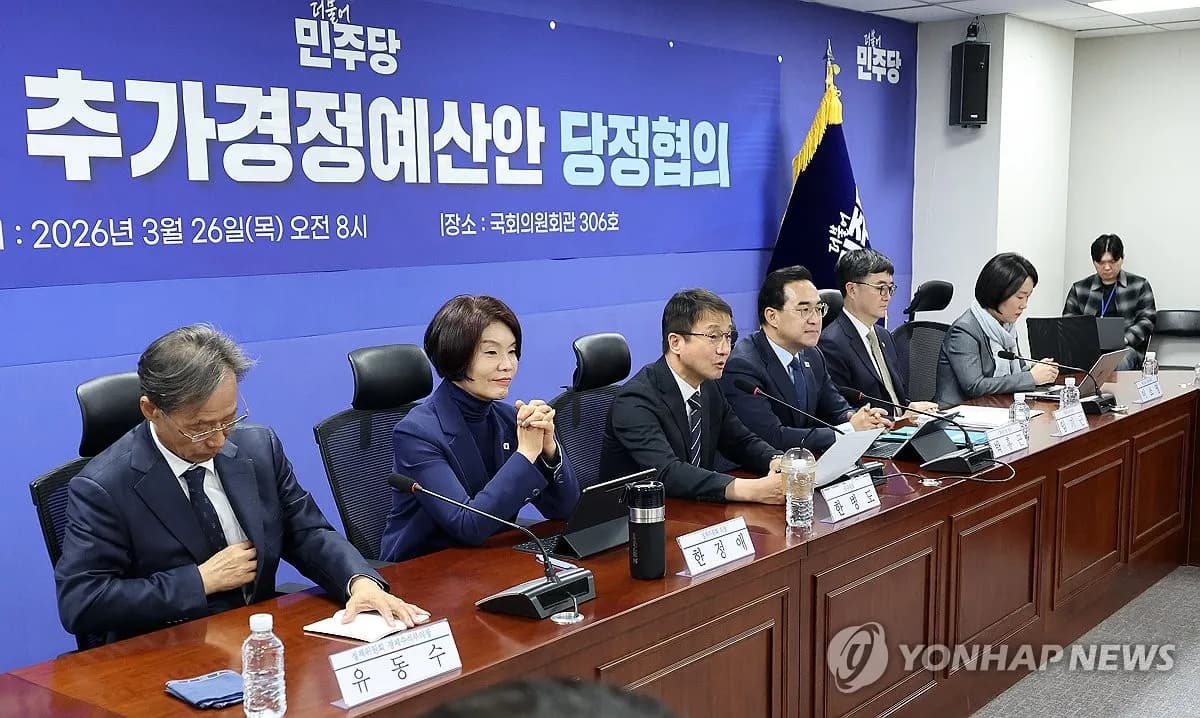
당정, 석유 최고가격제 손실 보전을 추경에 반영키로

미·이란 긴장 한 달, 금융시장 요동…장기화 우려

뉴욕증시 3대 지수 동반 상승…이란 휴전 기대감

Elon Musk's X recruits a cryptocurrency expert as head of design... ‘X Money’ launch imminent

BitGo-GK Sync plans to build ‘tokenized deposit’ infrastructure for banks

The other side of prediction markets: Ethical dilemmas of cryptocurrency platforms dealing in war and terrorism
Latest News
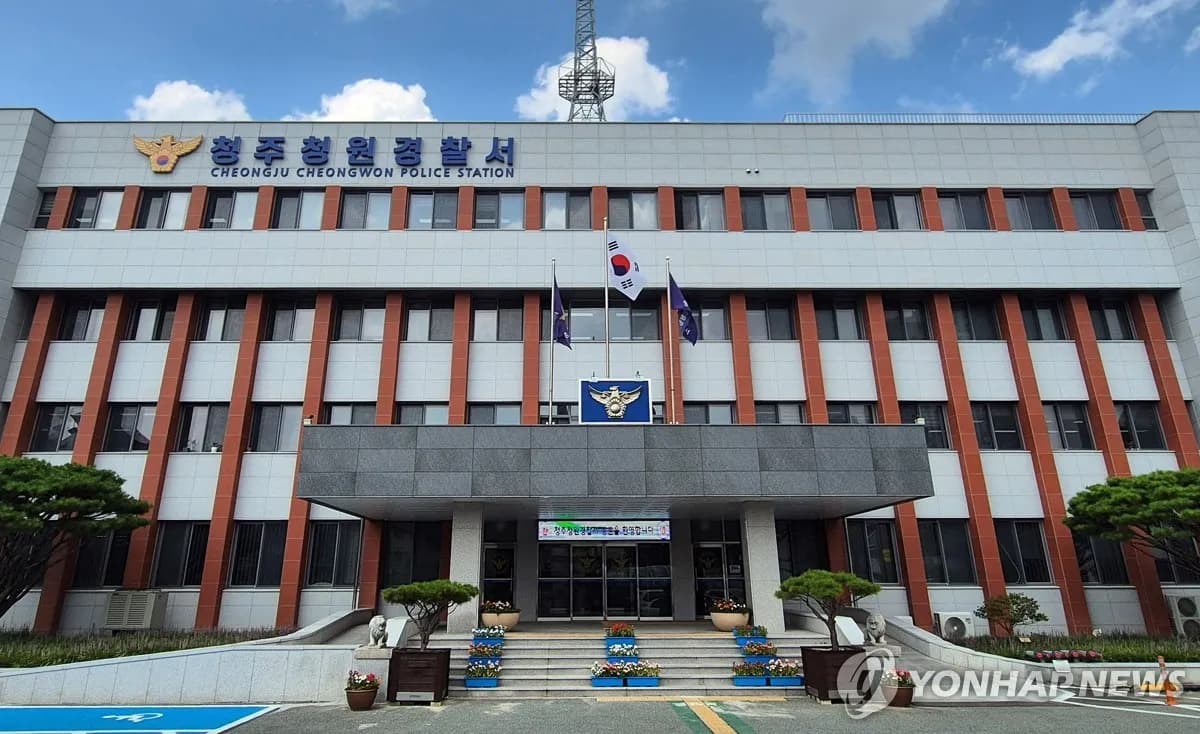
"간부 잘 아는데 교통비 좀" 휴가 군인들 돈 뜯은 50대 구속
50대 A씨가 휴가 중인 군인들에게 부대 간부를 아는 척 접근해 돈을 사취

英 옥토퍼스, 이란 전쟁 이후 태양광 판매 50% 증가
이란 전쟁 이후 영국 옥토퍼스의 태양광 판매량 50% 증가
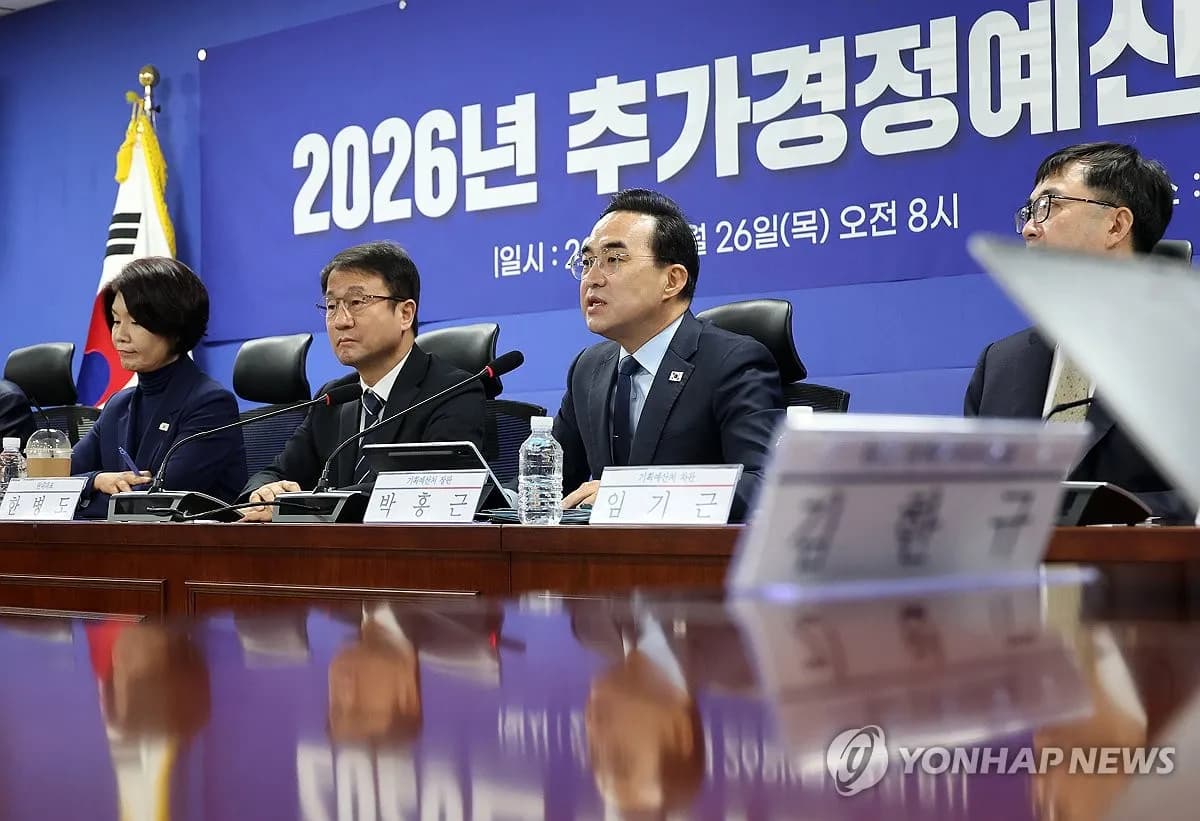
당정 "추경, 지방·취약계층에 더 지원되는 방식으로"
당정이 지방자치단체와 취약계층 중심의 추경 편성 방침 재확인
어머니 폭행하고 금팔찌 빼앗은 30대 아들 경찰에 붙잡혀
어머니 폭행 후 금팔찌 빼앗은 30대 남성 체포
아이티 갱단 폭력사태로 10개월간 5천명 이상 사망
아이티에서 지난 10개월간 갱단 폭력으로 5천명 이상 사망

서방 정보당국 "러시아, 우크라이나 전쟁 후 이란에 드론·식량 공급"
서방 정보당국, 러시아의 이란 드론·식량 공급 작업 거의 완료 파악

6년 전 세 살 딸 살해한 30대 친모 구속송치
경찰, 6년 전 세 살 딸 살해 혐의 30대 친모를 구속송치

中企 수입 나프타의 80% 이상이 중동산…공급망 위기 심화
중소기업 수입 나프타의 80% 이상이 중동산으로 공급 의존도 높음