Nobel Peace Prize Laureate on Climate Action and Sustainable Development
Dr. Mohan Munasinghe Emphasizes Sustainability Framework Amid Shift from Western-Led to Multipolar World Order
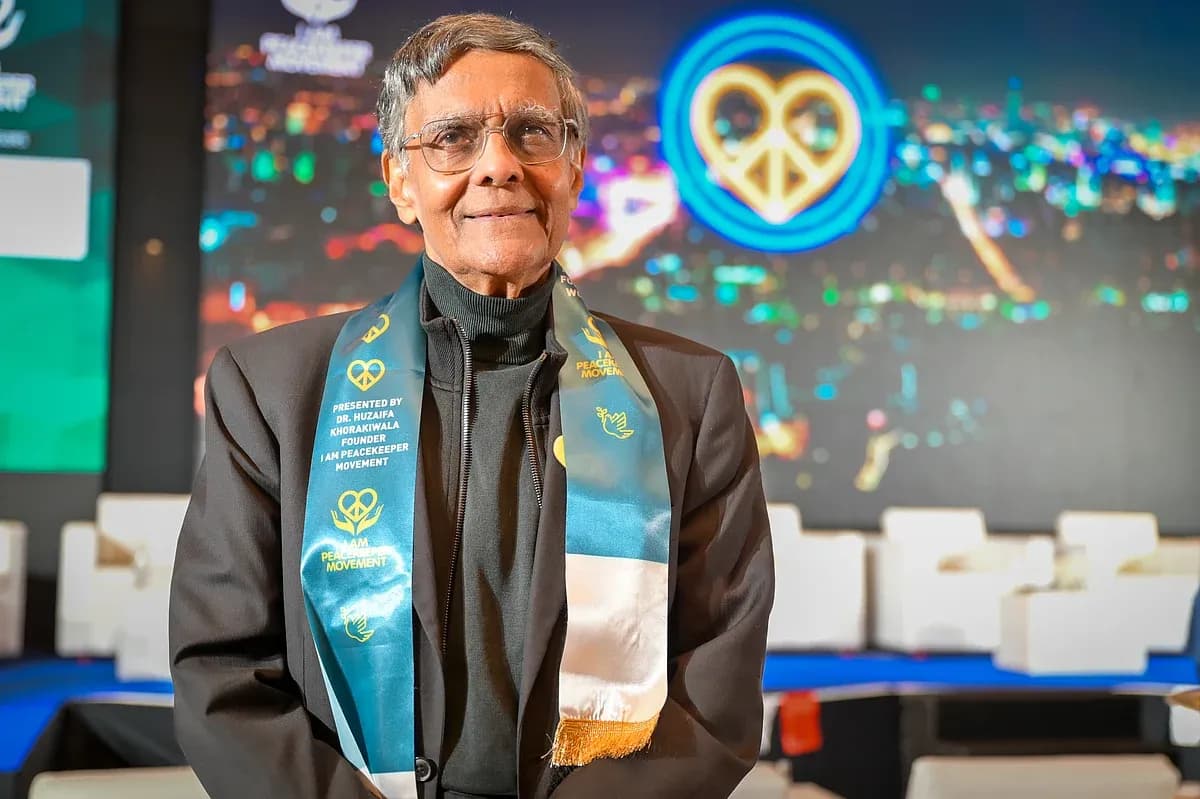
- •2007 Nobel Peace Prize laureate Dr. Mohan Munasinghe emphasized that climate action must be integrated with the Sustainable Development Goals (SDGs).
- •The Sustainomics framework, proposed in 1992, focuses on balanced development of economy, society, and environment, and is now being applied in national policies.
- •The importance of an integrated approach linking sustainability and peace is growing amid the transition from Western-centric to multipolar world order.
Climate Crisis Solutions Must Go Hand-in-Hand with SDGs
Dr. Mohan Munasinghe, former Vice-Chair of the Intergovernmental Panel on Climate Change (IPCC) and 2007 Nobel Peace Prize laureate, recently emphasized the need for an integrated approach to climate action and the Sustainable Development Goals (SDGs) at the 'I am Peacekeeper' peace movement event in Dubai.
In an interview with Khaleej Times, Dr. Munasinghe, a Sri Lankan physicist and economist, reaffirmed the importance of his 'Sustainomics' framework, stating that "climate change and sustainable development are not separate issues, but intertwined challenges that must be addressed simultaneously."
From Physics to Peace Activism: Crossing Academic Boundaries
Dr. Munasinghe's journey began with studies in physics and engineering at Cambridge University and MIT. However, he pursued a master's degree in economics "to return to Sri Lanka and help the poor," building multidisciplinary capabilities.
His interests expanded from physics to engineering, economics, and then to energy, water resources, transportation, and environmental resources, ultimately evolving into multidisciplinary issues including poverty, disasters, climate change, sustainable development, and peace.
A Critical Decision During World Bank Years
Working at the World Bank from 1974 to 2002, Dr. Munasinghe gained an important insight. "At junior levels, I could do good development work helping the poor, but as I moved up the management ladder, hands-on work decreased and policy decisions were inevitably influenced by geopolitics," he recalls.
In response, from 1982 to 1986, he took a break from his World Bank career to serve as Senior Advisor to the President of Sri Lanka, gaining field experience in developing countries. After early retirement in 2002, he permanently returned to Sri Lanka and established the Munasinghe Institute for Development (MIND), a non-profit research organization.
30 Years at IPCC, A Journey to the Nobel Peace Prize
Dr. Munasinghe's research during his 30 years at the IPCC, where he served as Vice-Chair, clearly demonstrated that "climate change and sustainable development are interconnected problems that must be solved simultaneously." This contribution played a decisive role in the IPCC's 2007 Nobel Peace Prize.
The Nobel Prize provided him with "a platform to transition into an advocate for sustainability and peace."
Sustainomics: A Groundbreaking Contribution to Sustainability Thinking
In 2021, the Blue Planet Prize jury recognized Sustainomics as Dr. Munasinghe's "groundbreaking contribution to sustainability thinking." He stated, "I feel great hope that the models I developed are now being applied in practice."
Core Concepts of Sustainomics
First proposed at the 1992 UN Rio Earth Summit, Sustainomics' ultimate goal is "to make development more sustainable for all."
The core concept focuses on the harmony and integration of the Sustainable Development Triangle:
- Economic Prosperity: Lifting the poor out of poverty
- Social Inclusion: Achieving equity and social justice
- Environmental Protection: Conserving ecosystems and natural resources
Dr. Munasinghe emphasizes that "true sustainable development is only possible when these three dimensions are balanced and integrated."
From Western-Centric to Multipolar World Order
In the interview, Dr. Munasinghe pointed to fundamental changes in global governance. "We are witnessing a transition from a Western-led world order to a multipolar world order," he explained, noting that the importance of sustainability frameworks is growing amid these geopolitical shifts.
He added, "In the new world order, cooperation and balance among multiple actors, rather than leadership by a single superpower, are essential," noting that "this is consistent with the principles of balance and integration pursued by Sustainomics."
Building Peace Through Popular Mobilization
This Dubai visit was part of the 'I am Peacekeeper' movement led by Dr. Huzaifa Khorakiwala. The movement aims for "grassroots popular mobilization for world peace."
Dr. Munasinghe stated, "Sustainable development and climate action ultimately lead to peace," adding that "environmental destruction and resource depletion cause conflict, so pursuing sustainability is the path to building peace."
[AI Analysis] Integrated Approach to Climate-Development-Peace as Future Challenge
Dr. Munasinghe's Sustainomics framework has established itself as a practical policy tool beyond mere theory. The framework's usefulness has been particularly demonstrated as countries seek to balance economic development and climate action while establishing Nationally Determined Contributions (NDCs) following the Paris Agreement.
The transition to a multipolar world order is also affecting climate negotiations. As developing countries more strongly assert the principle of "common but differentiated responsibilities," the need for an integrated approach that addresses the climate crisis without abandoning economic development is growing.
As the world approaches the midpoint review of SDGs implementation in 2026, the balanced development model of economy, society, and environment emphasized by Dr. Munasinghe is likely to receive increased attention. As the climate crisis intensifies, systemic and integrated approaches, rather than piecemeal solutions, become essential.
Furthermore, his linkage of "peace-sustainability-development" provides important implications for policymakers at a time when conflicts and migration issues due to climate change are being highlighted. The recognition that environmental protection is peace-building is expected to spread further in the international community.
댓글 (3)
Nobel 정말 대단하네요! 좋은 소식입니다.
동의합니다. 앞으로가 더 기대됩니다.
Peace 소식 반갑습니다. 앞으로가 더 기대됩니다.
More in AI & Tech

영국 정치지도자들, 아동 성착취 혐의에 대한 긴급 조사 촉구

A humanoid robot performing in China has a child's face on it.

U.S. jury finds Meta and Google responsible for ‘social media addiction’… 3.7 billion won compensation ruling

Japanese X-ray Observatory makes first direct measurement of ultrafast 'cosmic wind' in galaxy M82

NASA selects 24 people for 2026 Astrophysics Postdoctoral Fellowships

Ethereum is at a crossroads to ‘redefine its identity’ ahead of the quantum computing and AI era
Latest News
"간부 잘 아는데 교통비 좀" 휴가 군인들 돈 뜯은 50대 구속
50대 A씨가 휴가 중인 군인들에게 부대 간부를 아는 척 접근해 돈을 사취

英 옥토퍼스, 이란 전쟁 이후 태양광 판매 50% 증가
이란 전쟁 이후 영국 옥토퍼스의 태양광 판매량 50% 증가
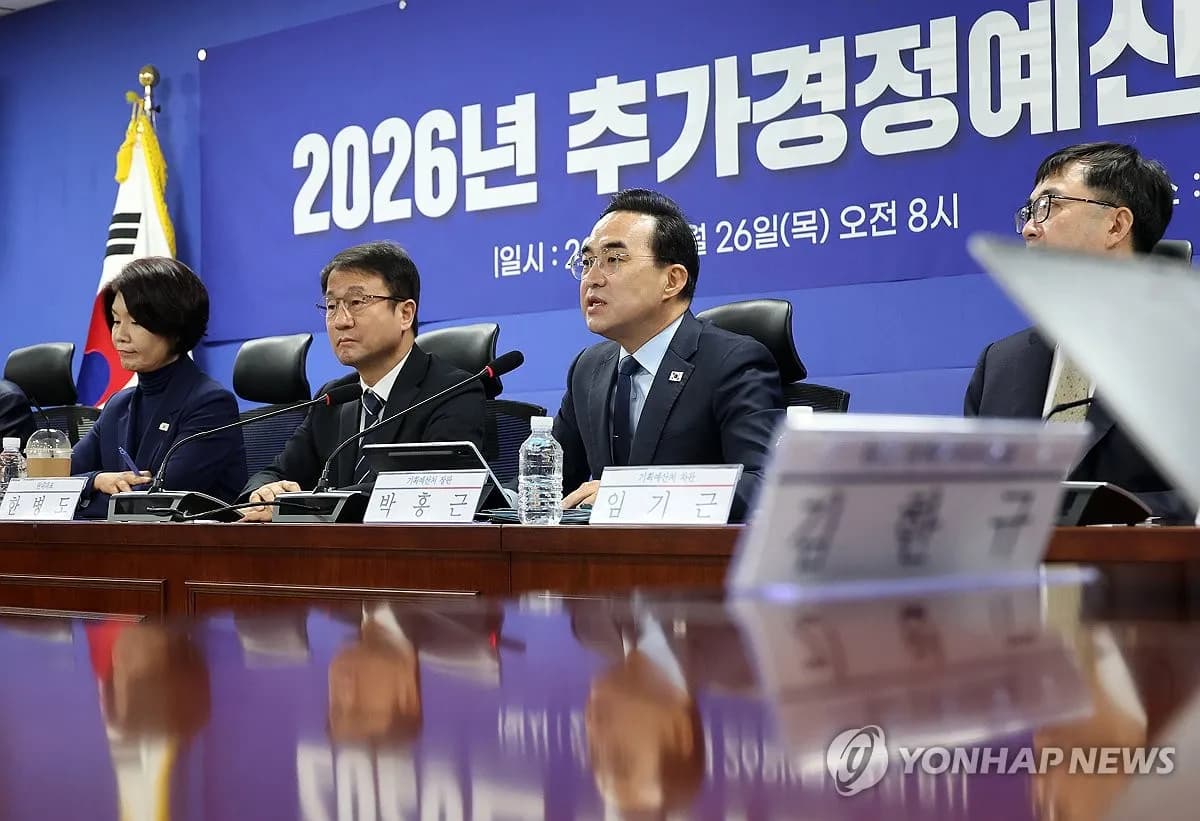
당정 "추경, 지방·취약계층에 더 지원되는 방식으로"
당정이 지방자치단체와 취약계층 중심의 추경 편성 방침 재확인
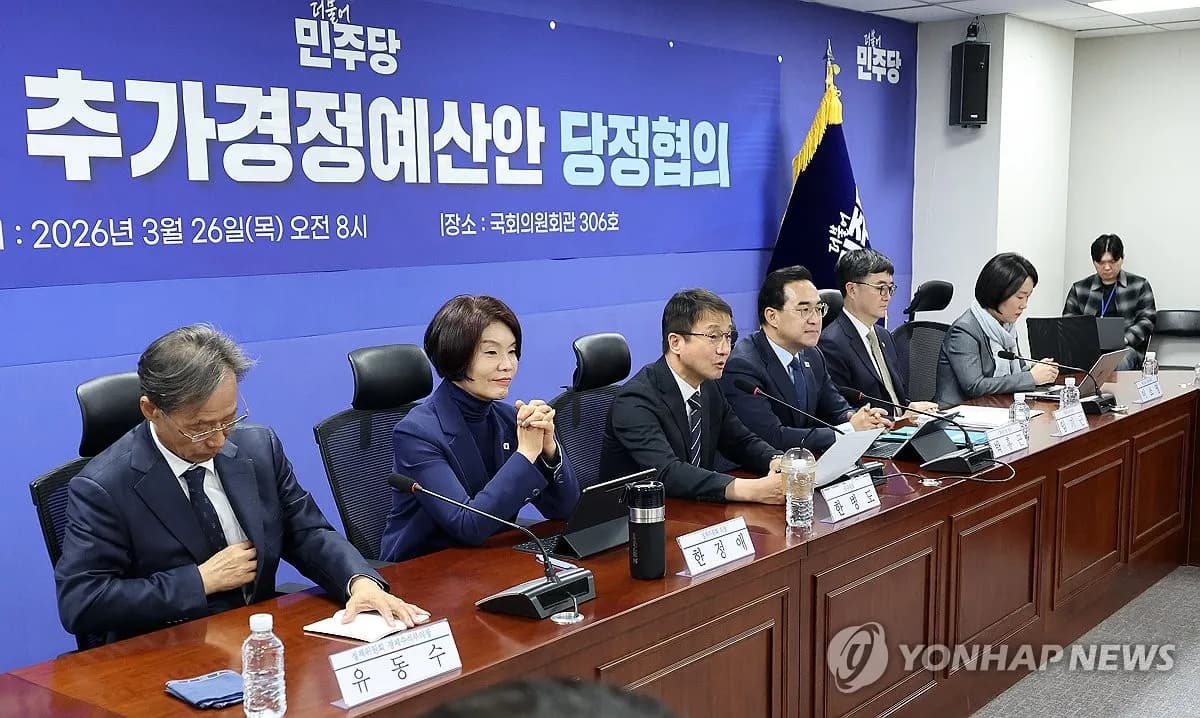
당정, 석유 최고가격제 손실 보전을 추경에 반영키로
당정이 석유 최고가격제 손실을 추경에 반영하기로 결정
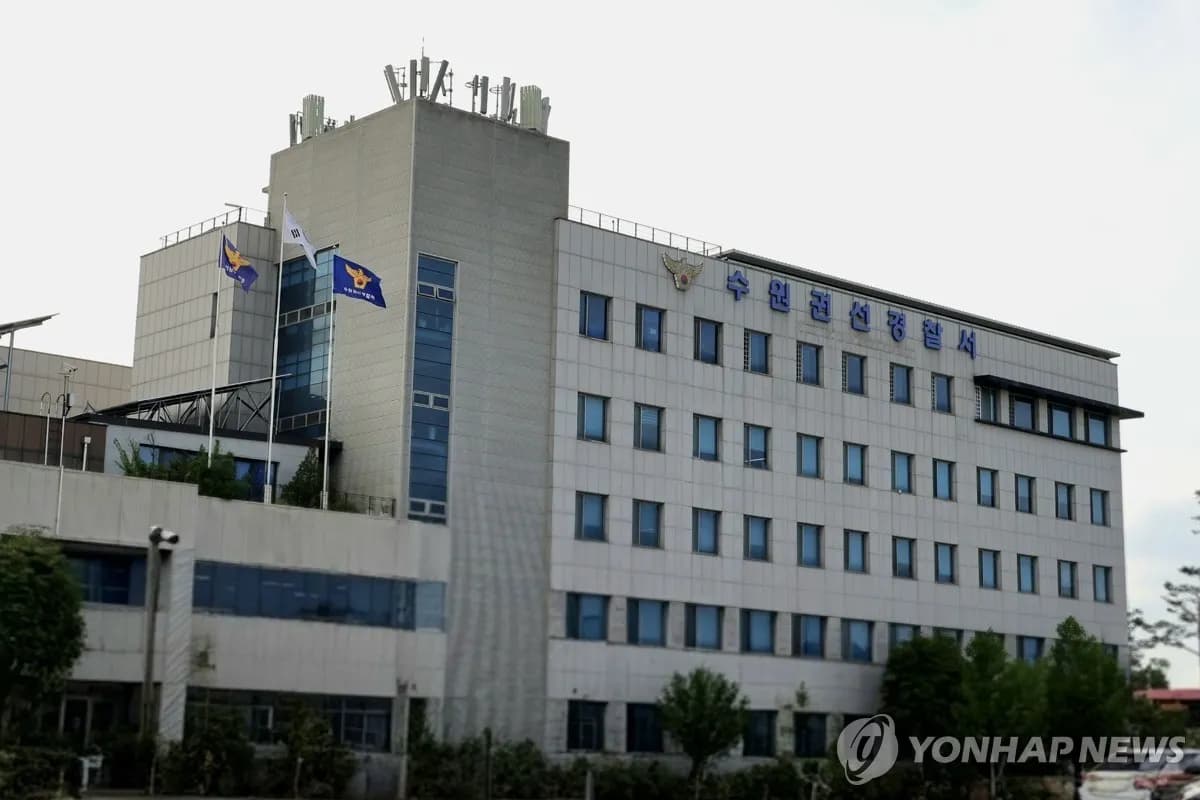
어머니 폭행하고 금팔찌 빼앗은 30대 아들 경찰에 붙잡혀
어머니 폭행 후 금팔찌 빼앗은 30대 남성 체포
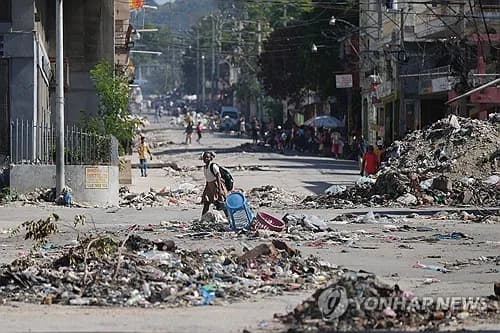
아이티 갱단 폭력사태로 10개월간 5천명 이상 사망
아이티에서 지난 10개월간 갱단 폭력으로 5천명 이상 사망
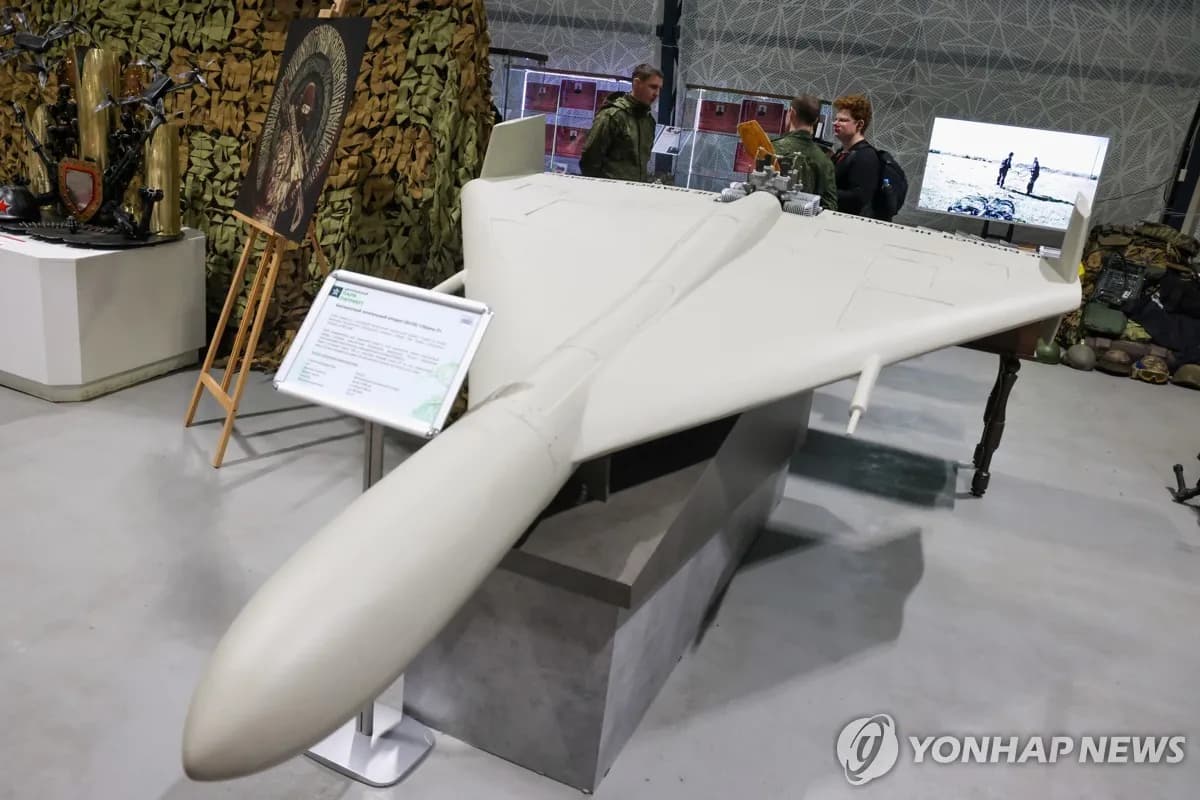
서방 정보당국 "러시아, 우크라이나 전쟁 후 이란에 드론·식량 공급"
서방 정보당국, 러시아의 이란 드론·식량 공급 작업 거의 완료 파악

6년 전 세 살 딸 살해한 30대 친모 구속송치
경찰, 6년 전 세 살 딸 살해 혐의 30대 친모를 구속송치