OpenAI Publishes 'AI Fundamentals' Guide for Beginners
An official educational resource explaining how ChatGPT and large language models work, in plain language
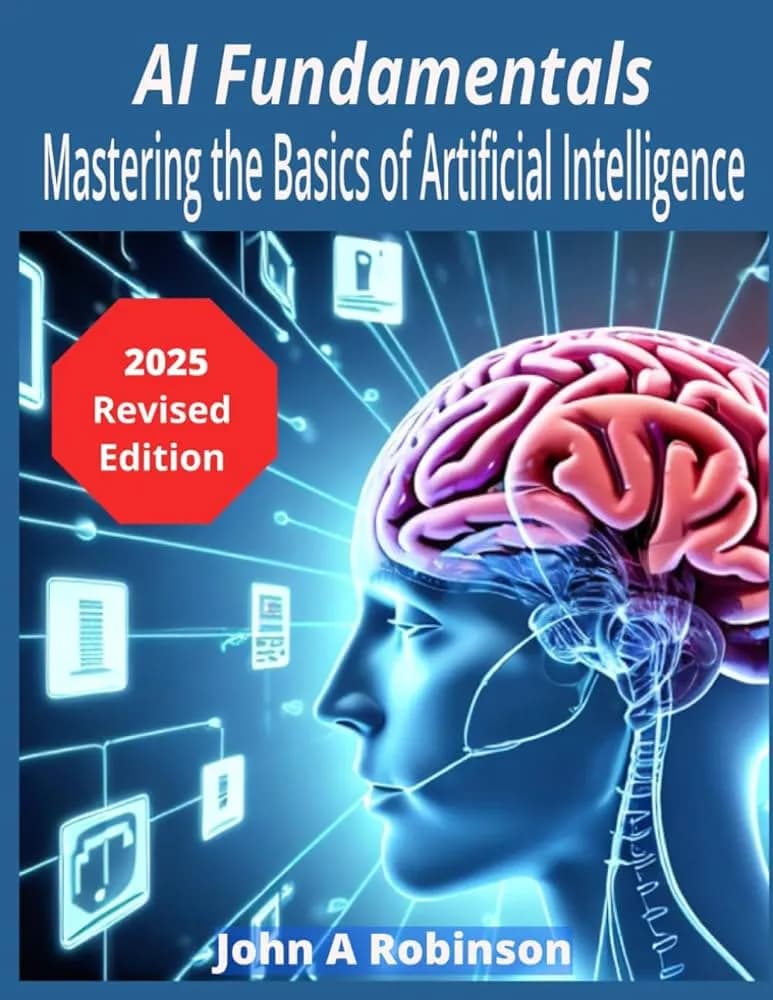
- •OpenAI published an 'AI Fundamentals' guide explaining how ChatGPT and LLMs work, targeting general non-technical audiences.
- •The release comes as the gap between AI tool adoption and public understanding of the technology continues to widen.
- •The guide connects directly to current commercial AI tools, distinguishing it from abstract academic resources.
OpenAI Releases AI Basics Educational Resource
OpenAI has published an 'AI Fundamentals' guide on its official blog, aimed at helping general readers understand artificial intelligence (AI), how it works, and how tools like ChatGPT leverage large language models (LLMs). The resource is designed to be accessible to those with no prior technical background.
Why This Guide, Why Now
Generative AI tools are spreading faster than public understanding of the technology behind them. Hundreds of millions of people use ChatGPT daily, yet few understand what actually powers these interactions. OpenAI's guide is a direct attempt to bridge that gap.
AI literacy has moved beyond a technical curiosity—it now shapes career decisions, educational outcomes, and civic participation. The ability to recognize AI-generated content, understand model limitations, and identify potential biases is rapidly becoming a foundational digital skill.
That OpenAI itself is publishing this content is also significant. By transparently explaining its own technology, the company appears to be investing in trust-building at a moment when AI regulation debates are intensifying globally. Positioning AI as understandable—not opaque—carries strategic value for a company under increasing public scrutiny.
How LLMs Work: Key Concepts
The heart of the guide is a plain-language explanation of how large language models (LLMs) operate. LLMs learn statistical patterns from vast quantities of text and generate responses by predicting the most likely next token given a particular context.
Below is a summary of key AI concepts the guide addresses:
| Concept | Description | Example |
|---|---|---|
| Machine Learning | Algorithms that learn patterns from data | Spam filters, recommendation systems |
| Deep Learning | Machine learning using neural networks | Image recognition, speech recognition |
| Large Language Model (LLM) | Deep learning model trained on language at massive scale | GPT-4, Claude, Gemini |
| Generative AI | AI that creates new content (text, image, audio) | ChatGPT, DALL·E, Sora |
| Prompt | An input instruction given to a model | Questions, commands, context |
ChatGPT's underlying model, GPT-4o, is a multimodal system capable of processing text, images, and audio simultaneously. Trained on trillions of tokens and fine-tuned through reinforcement learning from human feedback (RLHF), it is designed to align outputs with human intent.
How This Compares to Existing AI Education Resources
| Factor | Existing Intro Resources | OpenAI AI Fundamentals |
|---|---|---|
| Provider | Academia, third-party platforms | AI developer directly |
| Target audience | Students, aspiring developers | General public, non-technical users |
| Currency | Textbook-paced, often outdated | Tied to current commercial models |
| Practical connection | Abstract concepts | Direct link to tools like ChatGPT |
| Credibility | Varies by source | Official first-party content |
[AI Analysis] What Comes Next
The proliferation of AI fundamentals education is likely to accelerate broader adoption of AI tools. For OpenAI, a more informed user base tends to use products more effectively—driving engagement, retention, and API consumption in a virtuous cycle.
Longer term, AI literacy instruction is likely to become embedded in K-12 curricula and corporate training programs. As governments in the US, EU, and South Korea push toward mandatory AI education, companies that develop the technology may increasingly shape what 'AI basics' means in formal education settings.
However, there is a meaningful risk that simplified AI education produces either over-trust or misplaced skepticism. Educators and critics are likely to call for curricula that pair foundational AI understanding with critical AI literacy—an awareness of model errors, hallucinations, and embedded biases. Whether OpenAI's guide strikes that balance will be a key question as classrooms and workplaces begin adopting it.
댓글 (16)
OpenAI에 대해 주변 사람들과 이야기 나눠볼 만합니다. 좋은 기사 감사합니다.
Publishes 관련 통계가 의외였습니다. 생각이 바뀌었습니다.
읽기 좋은 기사입니다. AI의 전문가 코멘트가 설득력 있었습니다. 후속 기사 부탁드립니다.
LLM에 대해 처음 접하는 정보가 있었습니다.
핵심만 잘 정리해주시네요.
OpenAI 관련 배경 설명이 이해하기 쉬웠습니다. 후속 기사 부탁드립니다.
Publishes 관련 배경 설명이 이해하기 쉬웠습니다.
AI 주제로 시리즈 기사가 나오면 좋겠습니다.
몰랐던 사실을 알게 됐습니다. LLM에 대한 다른 매체 보도와 비교해봐도 잘 정리되어 있습니다.
댓글 보는 재미도 있네요.
OpenAI에 대해 주변 사람들과 이야기 나눠볼 만합니다.
Publishes에 대해 처음 접하는 정보가 있었습니다. 계속 지켜봐야겠습니다.
친구한테도 추천했습니다.
잘 읽었습니다. LLM 관련 용어 설명이 친절해서 좋았습니다.
AI리터러시에 대해 더 알고 싶어졌습니다.
OpenAI에 대한 다른 매체 보도와 비교해봐도 잘 정리되어 있습니다.
More in this series
More in AI & Tech


Latest News

IMF, 7년 만에 베네수엘라와 관계 재개…49억 달러 동결 해제 기대
IMF가 2019년 이후 중단됐던 베네수엘라와의 공식 관계를 7년 만에 재개했다.

IMF, 7년 만에 베네수엘라와 관계 재개…49억 달러 동결 해제 가능성
IMF가 7년 만에 베네수엘라와 공식 협력을 재개하기로 결정했다.

경상흑자 역대 최대인데 원화는 왜 약해지나
한국은행, 경상흑자에도 원화 약세 이어지는 구조적 원인 공식 분석.

금융당국, 미래에셋에 SpaceX IPO 조기 마케팅 경고
금융당국이 미래에셋증권의 SpaceX IPO 조기 마케팅에 구두 경고를 내렸다.

베네치아, 수백 년 안에 사라진다...유럽 연구팀의 4가지 생존 방안
유럽 연구팀, 베네치아 생존 위한 4가지 시나리오를 Scientific Reports에 발표했다.

96년 전통 깬다…월드컵 결승전, 사상 첫 하프타임 쇼
FIFA가 96년 만에 처음으로 월드컵 결승전 하프타임 쇼를 도입한다.

레바논 사망자 2,196명…이스라엘 공습에 의료 시스템 붕괴 위기
이스라엘 공습으로 레바논 누적 사망자 2,196명, 부상자 7,185명 기록

이란 전쟁 속 걸프 3국, 사모채권으로 100억 달러 조달
걸프 3국이 이란 전쟁 이후 처음으로 사모채권 발행에 나서 약 100억 달러를 조달했다.