Panama's El Caño Site Unearths Ancient Leader's Tomb Filled with Gold Artifacts
Discovery of Multi-Burial Site Reveals Social Hierarchy and Funerary Customs of Pre-Hispanic Civilization

- •A high-ranking leader's tomb dating to 800-1000 CE, filled with gold jewelry, has been excavated at Panama's El Caño archaeological site.
- •The multi-burial structure and gold artifact placement reveal the hierarchical structure and funerary customs of pre-Hispanic society.
- •The Panamanian government plans to construct a museum at the site that will function as a research and education center.
Golden Artifacts Testify to Ancient Power
A high-ranking leader's tomb dating to approximately 800-1000 CE has been unearthed at the El Caño archaeological site in the Natá district of Coclé Province, Panama. Designated as "Tomb 3," this burial site contained ornate jewelry including gold pectorals, bracelets, and earrings, along with multiple human remains, vividly illustrating the hierarchical structure of pre-Hispanic Central American society.
This excavation, jointly conducted by Panama's Ministry of Culture and the El Caño Foundation, took place approximately 200 kilometers southwest of Panama City. Lead archaeologist Julia Mayo explained in an interview with AFP that "the arrangement of gold artifacts clearly indicates that the centrally buried individual held the highest social status."
Multi-Burial Structure Speaks of Ancient Rituals
Tomb 3 has been confirmed as a multi-burial site rather than a single interment. The structure, with several individuals buried around the central figure, provides crucial clues for understanding the funerary customs and power structures of that era. Pottery and other artifacts were arranged around the central figure where gold jewelry was concentrated, reflecting a belief system aimed at maintaining status in the afterlife.
The pottery artifacts demonstrate the technical skill and artistic sensibility of the period. The El Caño site has undergone systematic excavation since the mid-2000s, and this Tomb 3 discovery represents the accumulated results of nearly 20 years of research.
El Caño Illuminates Central American Civilization
The El Caño site is considered one of the most important archaeological sites in pre-Columbian Central America. This region was the center of the Coclé culture, which flourished from around 700 CE until the Spanish conquest in the 1500s. The Coclé culture is renowned for its sophisticated gold craftsmanship and distinctive pottery styles, and served as an intermediary point for North-South American trade through the Isthmus of Panama.
While sporadic excavations since the 1920s had already yielded numerous gold artifacts, El Caño has gained international scholarly attention since the 2000s when the Panamanian government began systematic preservation and research efforts. Large tombs excavated in the mid-2010s particularly demonstrated that the society possessed a highly stratified structure.
Museum Construction to Advance Cultural Heritage Preservation
Alongside announcing this excavation's findings, Panama's Minister of Culture revealed plans to construct a museum at El Caño that will function as a research and education center. This initiative encompasses not merely artifact exhibition but also reflects the commitment to enhance public understanding of ancient Central American civilizations and systematically preserve regional cultural heritage.
The museum construction is also part of Panama's process of reconstructing its historical identity. By restoring the reality of pre-Hispanic civilizations that had been overshadowed by Spanish colonial history, Panama is establishing its status as a nation with unique cultural roots beyond being simply an isthmus country.
Future Prospects [AI Analysis]
Systematic excavation of the El Caño site has significant potential to open a new chapter in ancient Central American civilization research. Additional studies are expected to reveal the transmission routes of gold craftsmanship techniques, evidence of cultural exchange between North and South America, and the formation process of complex social hierarchies.
Once the museum is realized, El Caño can establish itself as an educational and research hub for Central American archaeology beyond being merely an excavation site. This would positively impact Panama's tourism industry and could lead to regional economic revitalization. However, maintaining balance between site preservation and tourism development will be an important challenge going forward.
댓글 (4)
흥미로운 주제입니다. 주변에도 공유해야겠어요.
공감합니다. 참고하겠습니다.
기사 잘 봤습니다. 다른 시각의 분석도 읽어보고 싶네요.
좋은 의견이십니다.
More in Culture & Art

‘Crush’, ‘Tero’, ‘Jidae’… The languages of North and South Korea are becoming increasingly distant.
‘Fortress Café’ stands tall in the forests of Gangwon-do, reinterpreting ancient fortress walls through modern architecture.
New York, hand-carved for 21 years, unveiled for the first time at an art museum
Freddie Mamani colors the city with Andean culture
An abandoned concrete pipe is reborn as a playground... Busan Museum of Art ‘Concrete Utopia’
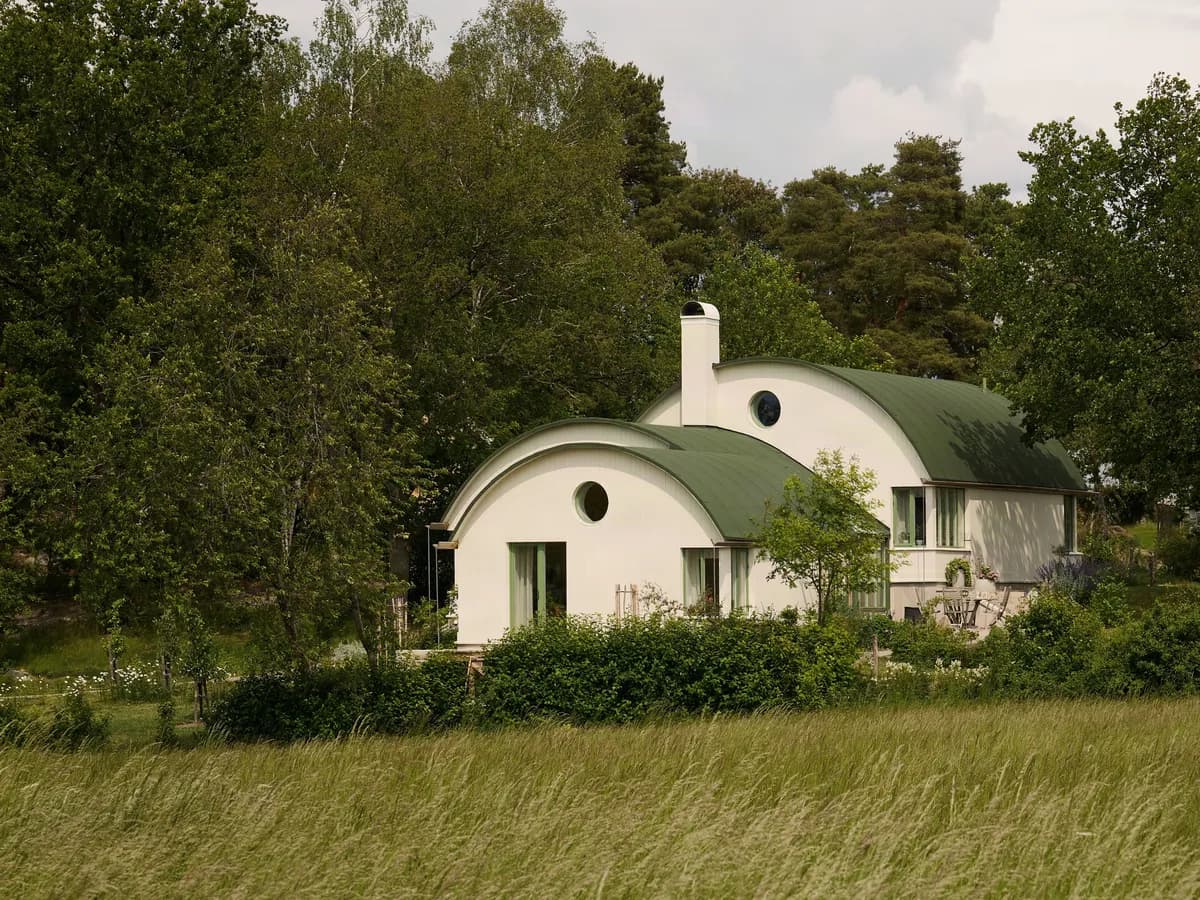
A Swedish artist's house, the essence of architecture that becomes one with nature
Latest News

"간부 잘 아는데 교통비 좀" 휴가 군인들 돈 뜯은 50대 구속
50대 A씨가 휴가 중인 군인들에게 부대 간부를 아는 척 접근해 돈을 사취

英 옥토퍼스, 이란 전쟁 이후 태양광 판매 50% 증가
이란 전쟁 이후 영국 옥토퍼스의 태양광 판매량 50% 증가

당정 "추경, 지방·취약계층에 더 지원되는 방식으로"
당정이 지방자치단체와 취약계층 중심의 추경 편성 방침 재확인

당정, 석유 최고가격제 손실 보전을 추경에 반영키로
당정이 석유 최고가격제 손실을 추경에 반영하기로 결정
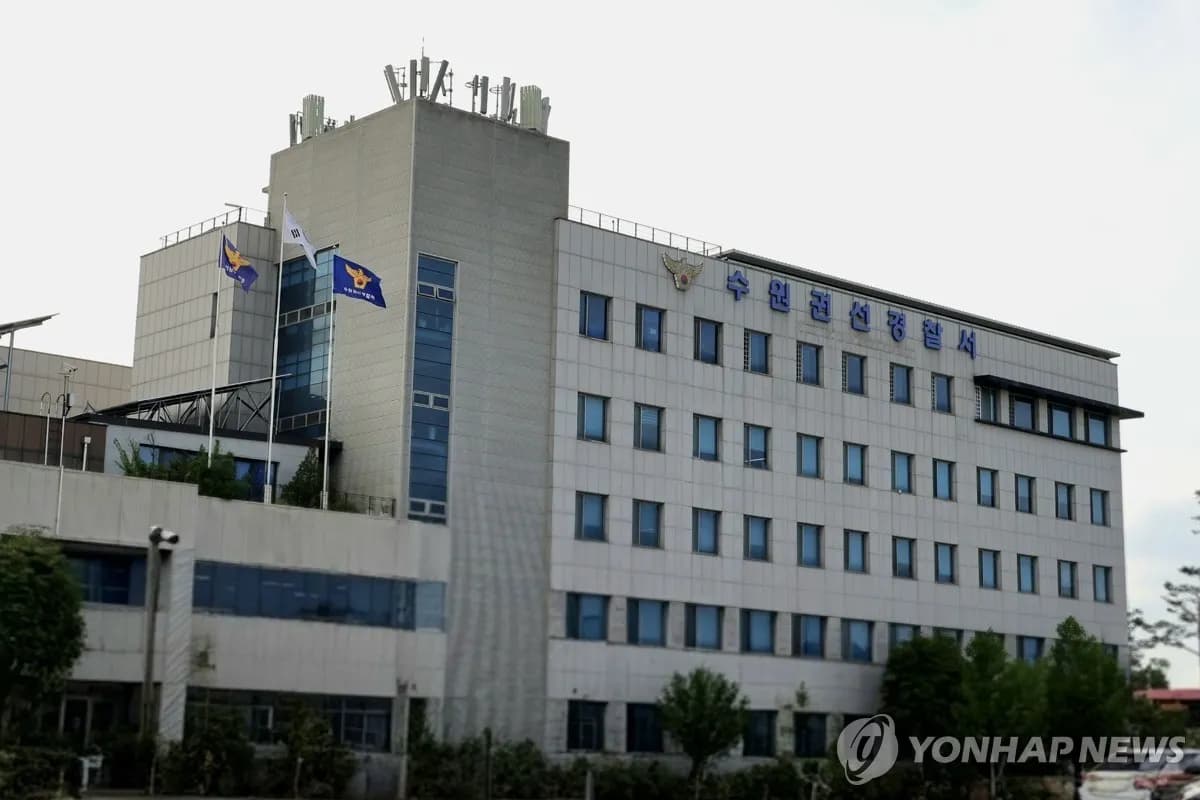
어머니 폭행하고 금팔찌 빼앗은 30대 아들 경찰에 붙잡혀
어머니 폭행 후 금팔찌 빼앗은 30대 남성 체포
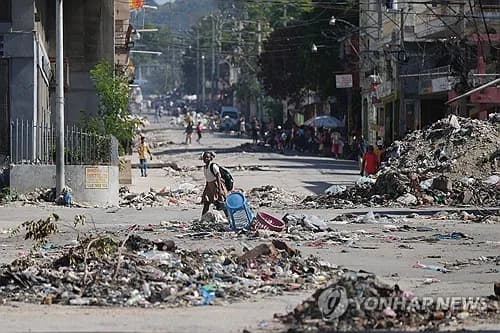
아이티 갱단 폭력사태로 10개월간 5천명 이상 사망
아이티에서 지난 10개월간 갱단 폭력으로 5천명 이상 사망
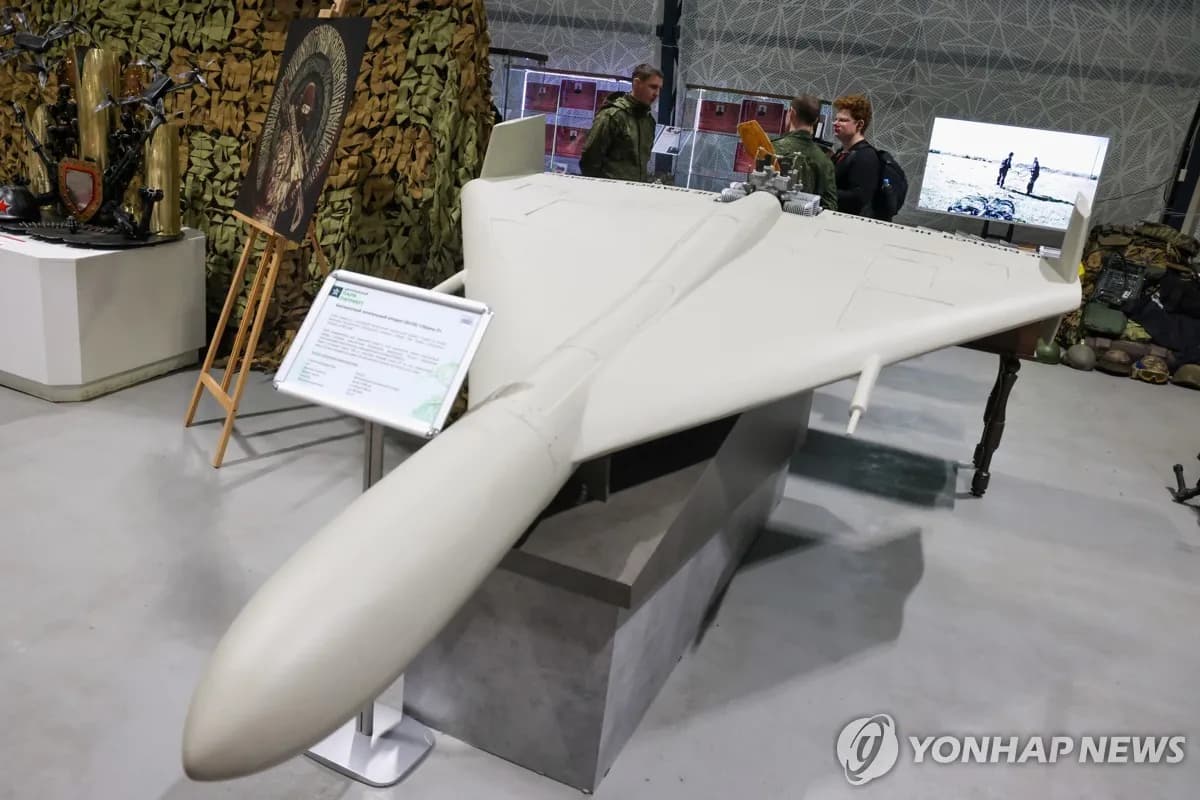
서방 정보당국 "러시아, 우크라이나 전쟁 후 이란에 드론·식량 공급"
서방 정보당국, 러시아의 이란 드론·식량 공급 작업 거의 완료 파악

6년 전 세 살 딸 살해한 30대 친모 구속송치
경찰, 6년 전 세 살 딸 살해 혐의 30대 친모를 구속송치