Poblet Monastery: Medieval Fortress Housing the Hidden Royal Pantheon of Aragon
UNESCO World Heritage Site in Tarragona, Spain - A 13th Century Citadel Where Cistercian Architecture Meets Royal Tombs
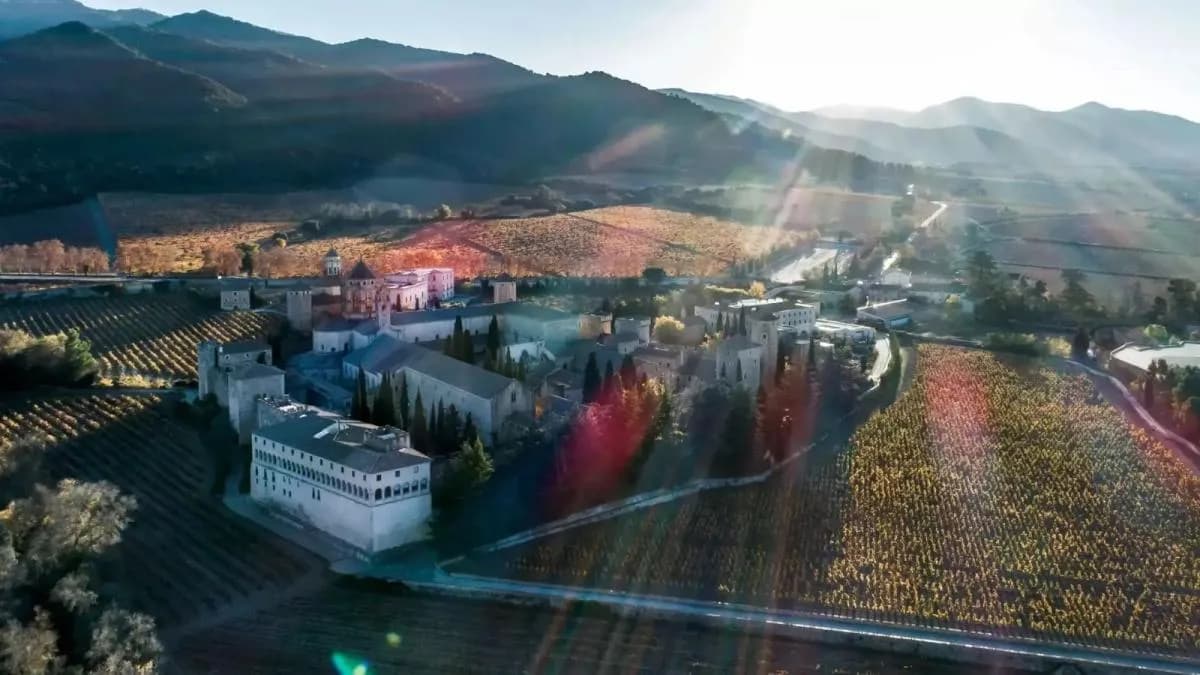
- •Poblet Monastery in Tarragona, Spain is a UNESCO World Heritage Site combining 13th-century Cistercian architecture with the royal pantheon of the Aragon dynasty.
- •With its fortress-like walls and royal pantheon, it represents a unique medieval European case where spirituality and power coexisted.
- •Though less known as a tourist destination, it is recognized as a hidden masterpiece among European architecture enthusiasts.
Where Medieval European Time Stands Still
Nestled in Spain's Tarragona province, Poblet Monastery (Monasterio de Poblet) represents the pinnacle of 13th-century Cistercian architecture while simultaneously serving as the eternal resting place for monarchs of the Kingdom of Aragon. Designated as a UNESCO World Heritage Site, this location transcends its identity as a mere religious structure, standing as a monumental site where medieval Catalonia's history breathes.
UNESCO defines this monastery as "one of the largest and most complete Cistercian abbeys in the world," emphasizing its complex structure that encompasses not only the central cathedral but also royal residential quarters. The contrast between fortress-like solid outer walls and restrained interior spaces perfectly embodies the coexistence of spirituality and power characteristic of medieval Europe.
The Final Resting Place of Kings: The Aragon Royal Pantheon
The most essential space within Poblet Monastery is the pantheon of the Kingdom of Aragon's monarchs. Located inside the cathedral, this burial site houses the rulers of the medieval Aragon-Catalonia confederation and is considered a symbol of Catalan identity beyond its function as a simple tomb.
For centuries, this space hosted royal funerals and memorial ceremonies, architecturally representing a unique case where Cistercian austerity harmonizes with royal dignity. The intricately carved stone tombstones, altars, and restrained decorations simultaneously express humility before death and the solemnity of royal authority.
Architectural Layers Completed Across Centuries
Catalan writer Josep Pla described Poblet thus: "Poblet is a world unto itself. Formed over centuries, it contains an incredible diversity of architectural structures."
Indeed, Poblet has continuously undergone expansions and renovations since its establishment in the early 12th century to achieve its current form. The initial Romanesque-style cathedral was expanded in the 14th century with Gothic elements, and royal residential areas were surrounded by fortress-like solid walls. This complex structure—complete with cloisters, refectories, libraries, and wine cellars—demonstrates that monasteries of that era were not merely prayer spaces but self-sufficient microuniverses.
While the Cistercian architectural principle was "purity without ornamentation," Poblet had to simultaneously embody restrained magnificence due to its special function as a royal burial site. The aesthetic balance created by this tension became Poblet's unique identity.
Why Few Visitors Come, and What That Means
While many travelers visit famous cathedrals in Barcelona or Seville, Poblet remains relatively quiet. Located approximately 40 minutes by car from Tarragona, the site has limited public transportation access and modest promotional efforts. However, this "lesser-known" status paradoxically constitutes part of Poblet's charm.
The experience of slowly walking through the cloisters without tourist crowds, following the paths walked by monks 800 years ago, offers a meditative time difficult to obtain in major cathedrals. Among European architecture enthusiasts, it's already known as a "hidden masterpiece," yet it remains off Spain's main tourist routes.
Catalan Identity and Poblet's Present [AI Analysis]
Poblet Monastery is not merely a relic of the past. Today, as the Catalan independence movement gains prominence, this site—a symbol of the Aragon-Catalonia confederation—may find itself at the center of historical identity debates. The fact that the royal pantheon exists in Catalonia rather than Madrid carries politically nuanced significance.
Meanwhile, the revival of Cistercian monastery tourism throughout Europe deserves attention. As sites like France's Fontenay Abbey and Germany's Maulbronn Monastery gain renewed recognition as "slow tourism" destinations, Poblet is likely to welcome more visitors soon. However, maintaining balance between tourism development and preserving the spiritual space will remain an ongoing challenge.
댓글 (3)
흥미로운 주제입니다. 주변에도 공유해야겠어요.
좋은 의견이십니다.
기사 잘 봤습니다. 다른 시각의 분석도 읽어보고 싶네요.
More in Culture & Art

‘Crush’, ‘Tero’, ‘Jidae’… The languages of North and South Korea are becoming increasingly distant.
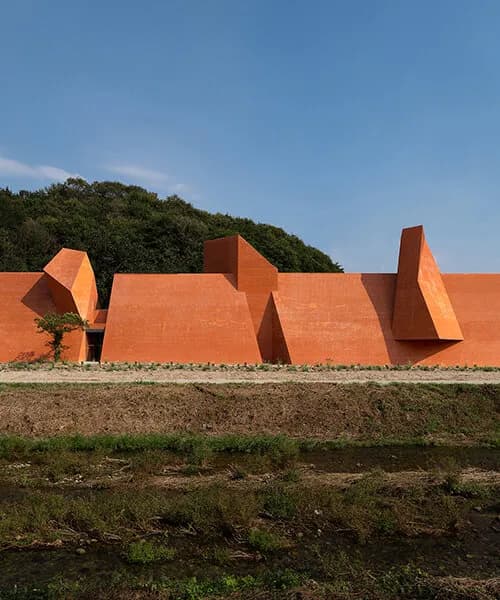
‘Fortress Café’ stands tall in the forests of Gangwon-do, reinterpreting ancient fortress walls through modern architecture.

New York, hand-carved for 21 years, unveiled for the first time at an art museum
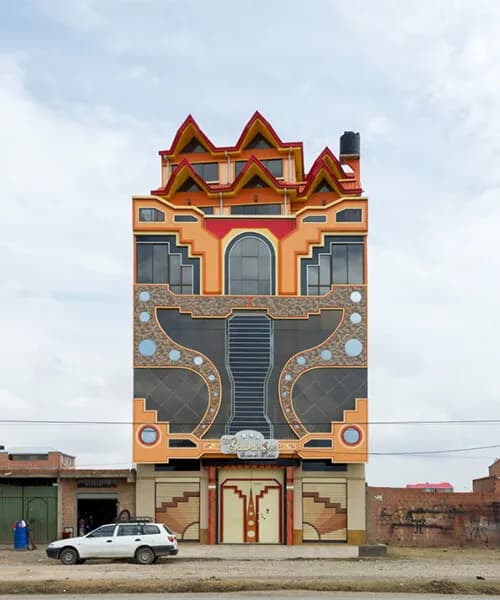
Freddie Mamani colors the city with Andean culture
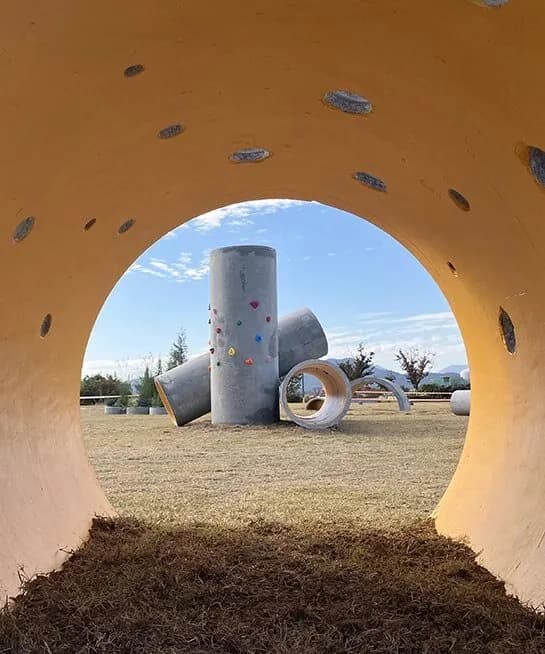
An abandoned concrete pipe is reborn as a playground... Busan Museum of Art ‘Concrete Utopia’
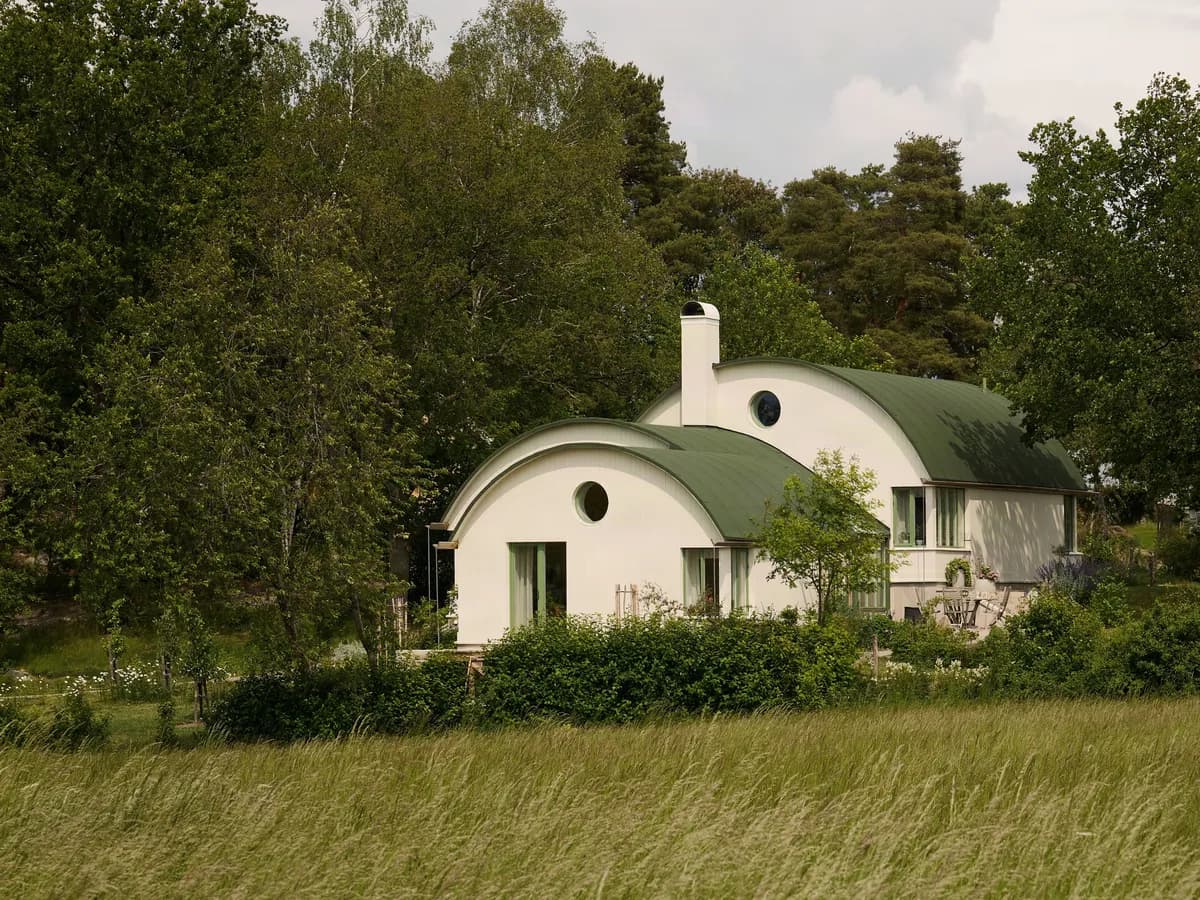
A Swedish artist's house, the essence of architecture that becomes one with nature
Latest News

"간부 잘 아는데 교통비 좀" 휴가 군인들 돈 뜯은 50대 구속
50대 A씨가 휴가 중인 군인들에게 부대 간부를 아는 척 접근해 돈을 사취

英 옥토퍼스, 이란 전쟁 이후 태양광 판매 50% 증가
이란 전쟁 이후 영국 옥토퍼스의 태양광 판매량 50% 증가

당정 "추경, 지방·취약계층에 더 지원되는 방식으로"
당정이 지방자치단체와 취약계층 중심의 추경 편성 방침 재확인

당정, 석유 최고가격제 손실 보전을 추경에 반영키로
당정이 석유 최고가격제 손실을 추경에 반영하기로 결정
어머니 폭행하고 금팔찌 빼앗은 30대 아들 경찰에 붙잡혀
어머니 폭행 후 금팔찌 빼앗은 30대 남성 체포

아이티 갱단 폭력사태로 10개월간 5천명 이상 사망
아이티에서 지난 10개월간 갱단 폭력으로 5천명 이상 사망

서방 정보당국 "러시아, 우크라이나 전쟁 후 이란에 드론·식량 공급"
서방 정보당국, 러시아의 이란 드론·식량 공급 작업 거의 완료 파악

6년 전 세 살 딸 살해한 30대 친모 구속송치
경찰, 6년 전 세 살 딸 살해 혐의 30대 친모를 구속송치